Home / Tanzania Safaris /
When To Go On A Tanzania Safari
Choosing the right time to go on a Tanzania safari is one of the most important decisions a traveler can make. Tanzania is blessed with incredible wildlife and vast protected landscapes, but the experience you have can vary greatly depending on the season. From the movement of the Great Migration in the Serengeti to weather patterns that influence road conditions and animal behavior, timing shapes every safari journey. Understanding when to visit Tanzania helps ensure the best wildlife sightings, comfortable travel conditions, and an experience that matches your expectations, whether you are a first-time visitor or a returning safari enthusiast.
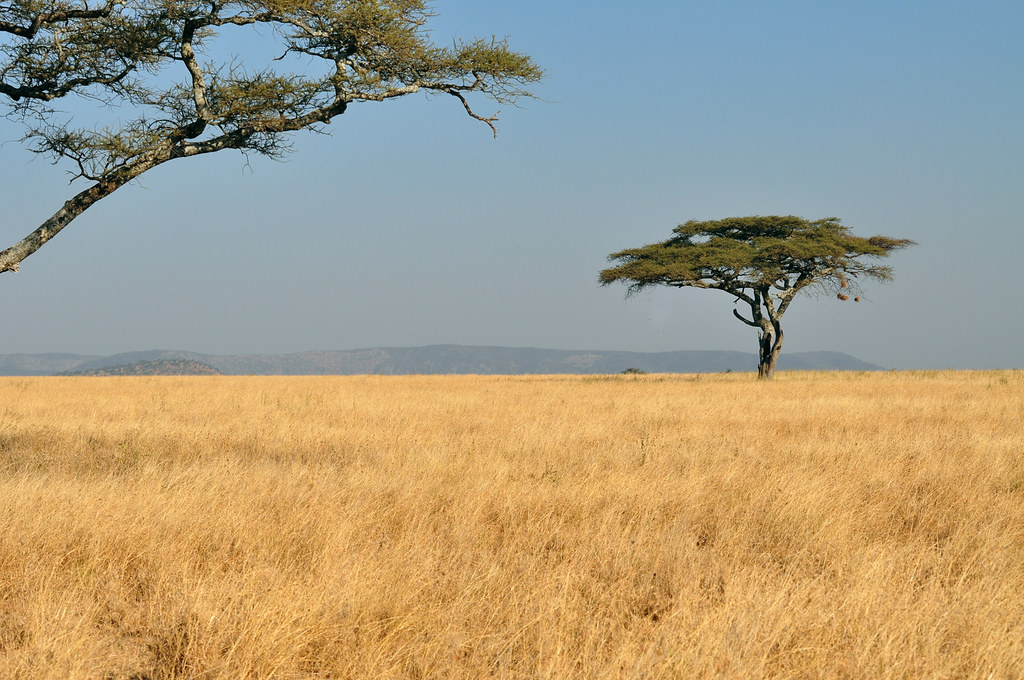
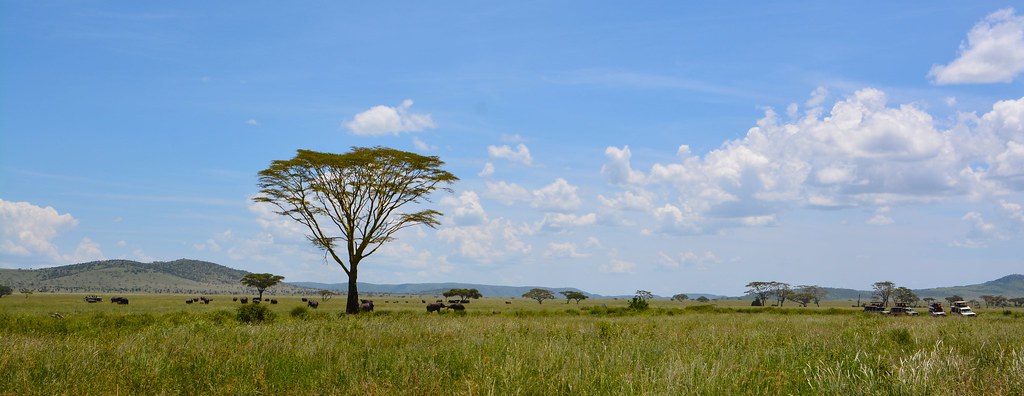
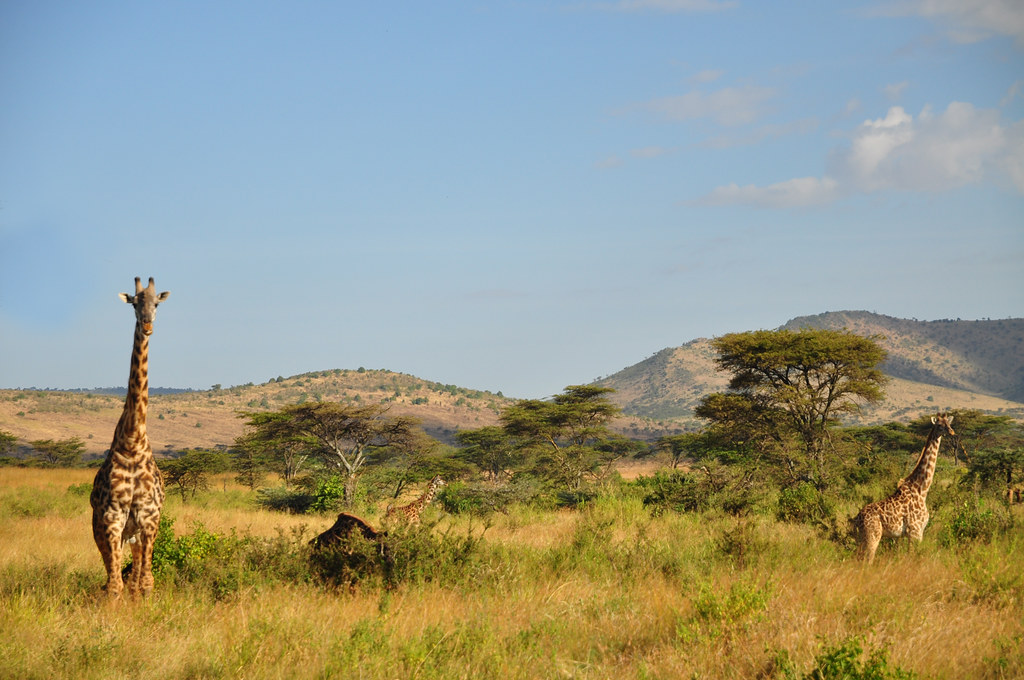
Great Migration Experience
Discover great migration experience where misty rainforests shelter ancient trails wind through great migration's depths, and every step brings you closer to one of Africa’s most profound wildlife encounters, blending raw nature, conservation, and lasting memories.
When To Go On A Tanzania Safari & Tours
Please the content should be 110 characters.
7 Days Rwanda & Uganda Gorilla and Wildlife Safari from Kigali with Volcanoes, Bwindi & Big Game Experiences
When To Go On A Tanzania Safari Guide: Journey into Kenya
Understanding Tanzania’s Safari Seasons
Tanzania’s safari calendar is largely influenced by rainfall patterns, which divide the year into dry and green seasons. These seasons affect vegetation growth, water availability, and animal movement. While wildlife can be seen throughout the year, each period offers a different atmosphere, pace, and photographic quality. Tanzania’s advantage is that it remains a rewarding safari destination year-round, with no truly bad time to visit, only different experiences depending on when you travel.
The Dry Season: June to October
The dry season, which generally runs from June to October, is considered the best time to go on a Tanzania safari, especially for first-time travelers. During these months, rainfall is minimal, and vegetation becomes thinner, making wildlife easier to spot. Animals gather around rivers, lakes, and permanent water sources, leading to concentrated wildlife viewing and dramatic predator activity.
This period is especially significant in the Serengeti, where the Great Migration reaches some of its most dramatic stages. From June through July, large herds move north toward the western corridor and Grumeti River. Between July and October, the famous river crossings occur as wildebeest and zebras brave crocodile-filled waters while predators wait nearby. These moments define classic safari imagery and attract visitors from around the world.
In parks such as Ngorongoro Crater, Tarangire, and Ruaha, the dry season offers consistent game viewing and comfortable daytime temperatures. Roads are in good condition, and game drives are smooth and predictable. For travelers seeking the highest chance of seeing the Big Five and enjoying classic safari conditions, the dry season is the ideal time to visit Tanzania.
The Short Dry Season: January to February
January and February form a shorter dry period that is also excellent for safari travel. These months are warm and relatively dry, with fewer visitors compared to the peak months of July and August. Wildlife viewing remains strong, and landscapes retain some greenery, creating beautiful contrasts for photography.
This time of year is particularly special in the southern Serengeti, where the Great Migration enters its calving season. Thousands of wildebeest give birth within a short period, attracting predators such as lions, cheetahs, and hyenas. For travelers interested in witnessing intense wildlife action combined with lush scenery, January and February offer a unique and rewarding safari experience.
The Green Season: March to May
The long rainy season, from March to May, transforms Tanzania into a lush and vibrant landscape. Grasslands turn emerald green, rivers swell, and forests become dense and alive with sound. While heavier rains can make some roads challenging, especially in remote parks, the green season offers its own appeal.
This period is ideal for travelers who value solitude, scenery, and birdlife. Migratory birds arrive in large numbers, and many species are in breeding plumage. Safari parks are quieter, and accommodations often offer lower rates, making this season attractive to budget-conscious travelers or those seeking a more peaceful experience. While wildlife may be more dispersed due to abundant water, sightings still occur regularly, and the natural beauty of the environment is at its peak.
The Short Rains: November to Early December
November and early December mark the short rainy season, characterized by brief, scattered showers rather than continuous rainfall. These rains refresh the landscape without significantly disrupting safari activities. Wildlife remains active, and parks are less crowded than during peak months.
This season is a good option for travelers who want a balance between green landscapes and manageable weather conditions. The Serengeti sees the migration beginning its return south, while parks like Tarangire and Lake Manyara remain rewarding destinations. The short rains also create dramatic skies, enhancing the photographic experience for nature lovers.
Best Time for Different Safari Experiences
The best time to go on a Tanzania safari depends on what you want to see and experience. Travelers focused on the Great Migration and classic Big Five sightings will benefit most from visiting during the dry season. Those interested in calving season and predator action may prefer January and February. Visitors who enjoy lush landscapes, birdwatching, and fewer tourists may find the green season especially appealing.
Southern and western parks such as Ruaha and Nyerere National Park can be visited year-round, but they are particularly rewarding during the dry months when wildlife concentrates along rivers. Zanzibar and Tanzania’s coastal regions can be enjoyed at any time, although dry months offer calmer seas and more sunshine, making it easy to combine safari and beach holidays.
Weather, Comfort, and Travel Planning
Weather conditions influence comfort and logistics on safari. Dry months offer cooler mornings, warm afternoons, and minimal humidity, making game drives comfortable. Rainy seasons bring warmer temperatures and occasional downpours, but they also create dramatic scenery and vibrant ecosystems. Proper planning, including choosing experienced guides and suitable accommodation, ensures a smooth safari experience regardless of season.
Booking in advance is essential for travel during peak periods, especially between June and October, when popular lodges and camps fill quickly. Traveling during shoulder or green seasons provides greater flexibility and often a more relaxed pace.
There is no single perfect time to go on a Tanzania safari, only the time that best matches your travel goals. The dry season offers classic safari conditions and dramatic wildlife encounters, while the green season delivers lush beauty, fewer crowds, and unique ecological experiences. From the thunder of migrating wildebeest to the quiet elegance of rain-soaked plains, Tanzania reveals different faces throughout the year. By understanding seasonal patterns and aligning them with your interests, you can plan a safari that feels personal, meaningful, and unforgettable in one of Africa’s most extraordinary destinations.
What Our Travelers Enjoyed About Primate Safaris

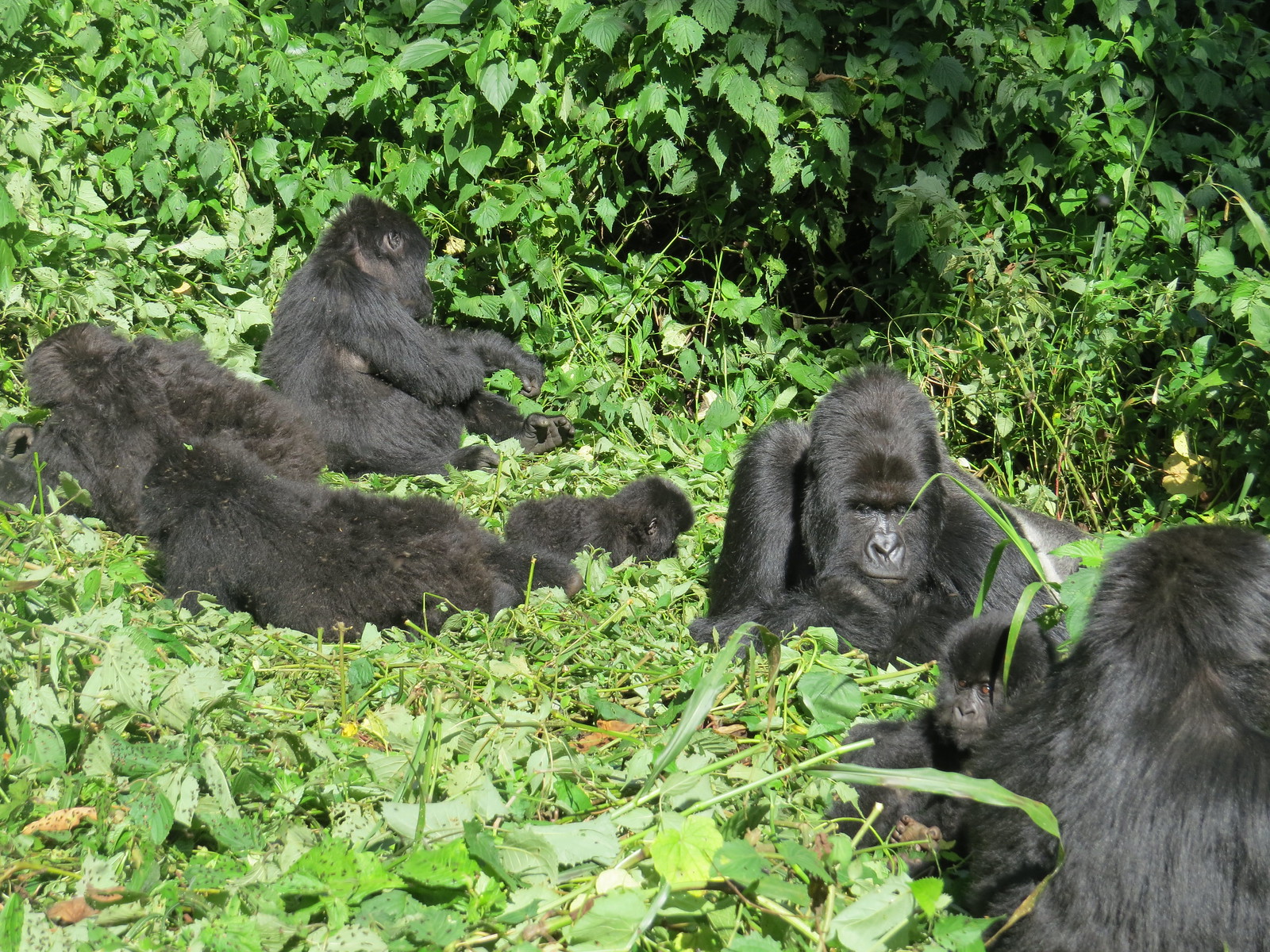
Gorillas "Silverback"
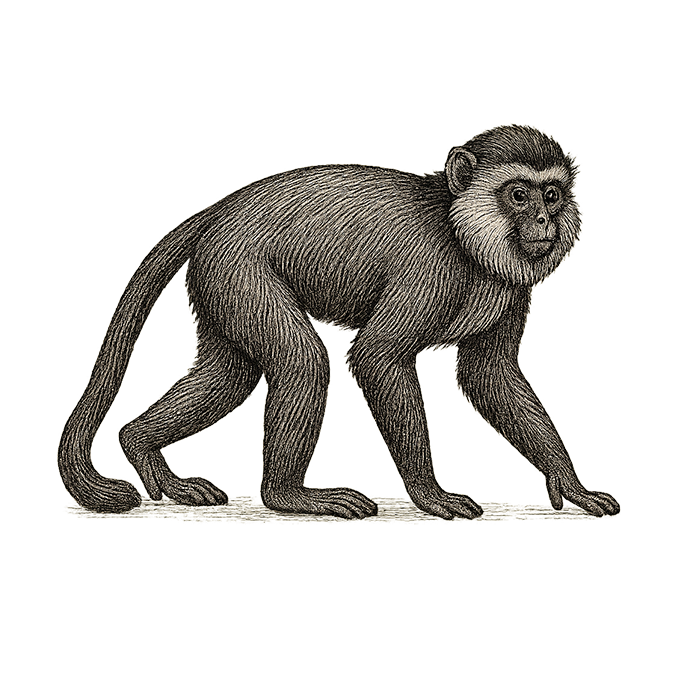
Golden Monkey "Photogenic"
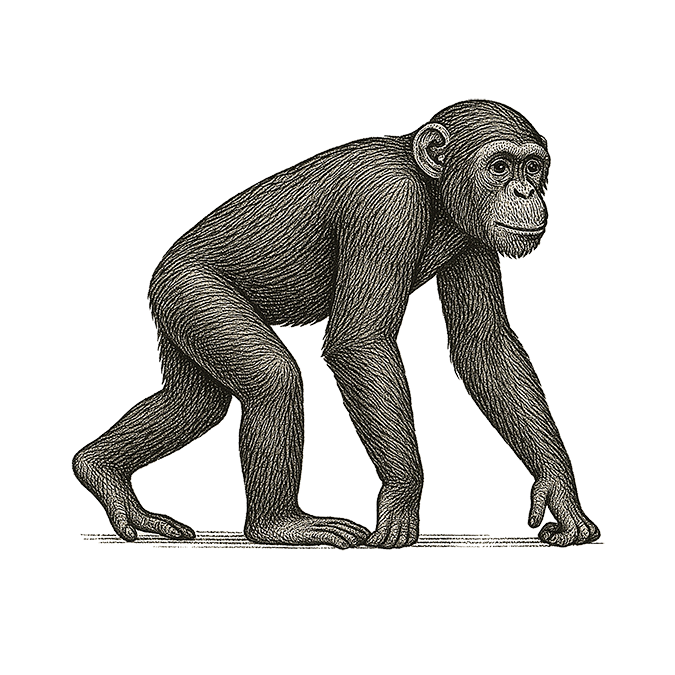
Chimpanzees "Pant-hoot"