What to Expect on Your First Gorilla Trek: A Beginner’s Guide
Gorilla trekking in Uganda and Rwanda is often described as a once-in-a-lifetime adventure. For first-time trekkers, it is an extraordinary opportunity to observe one of the world’s most endangered and intelligent species in their natural habitat. However, the experience can also be physically demanding, emotionally intense, and logistically complex. Understanding what to expect ahead of time can help beginners prepare, enjoy the trek fully, and make lasting memories.
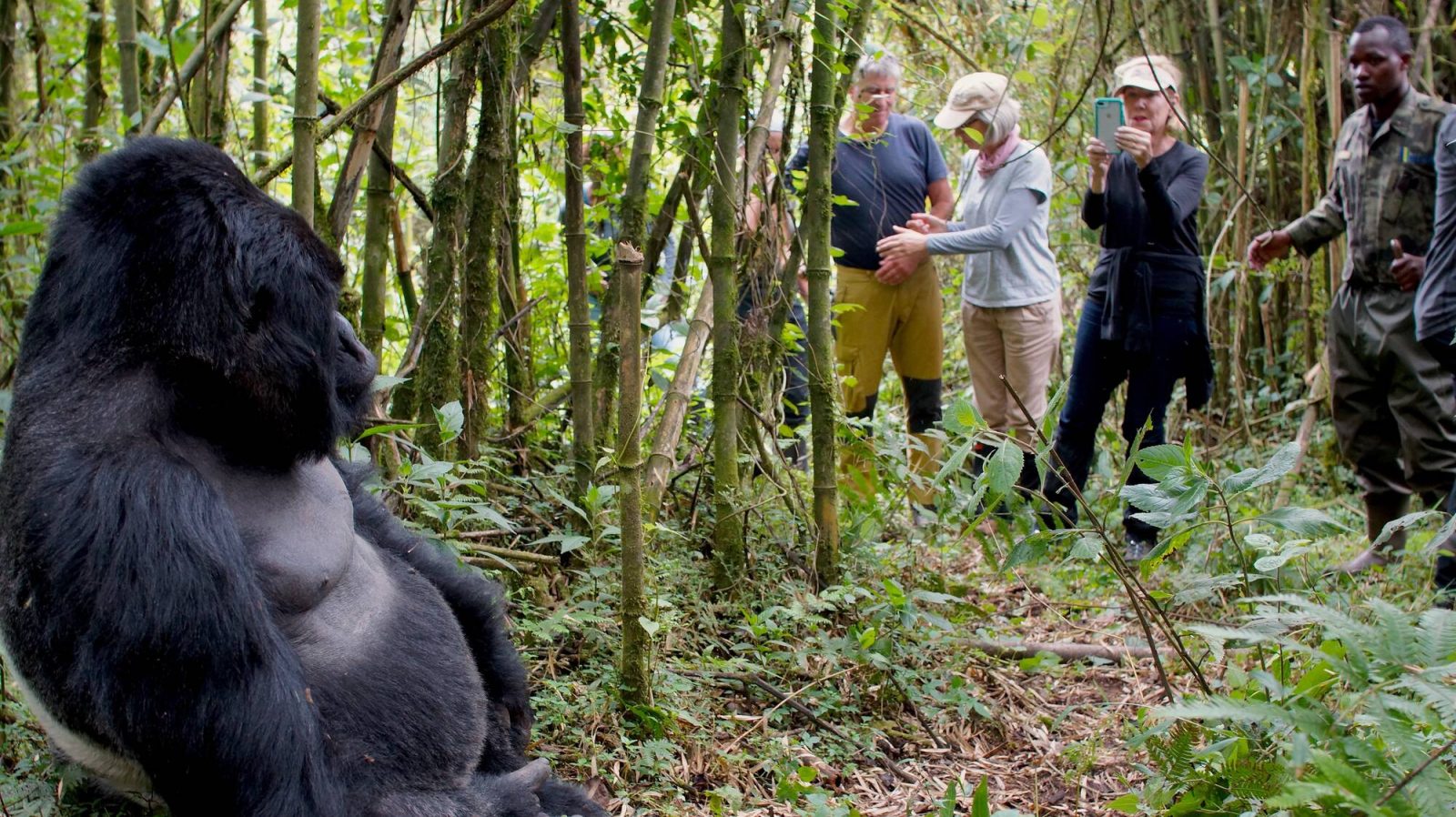
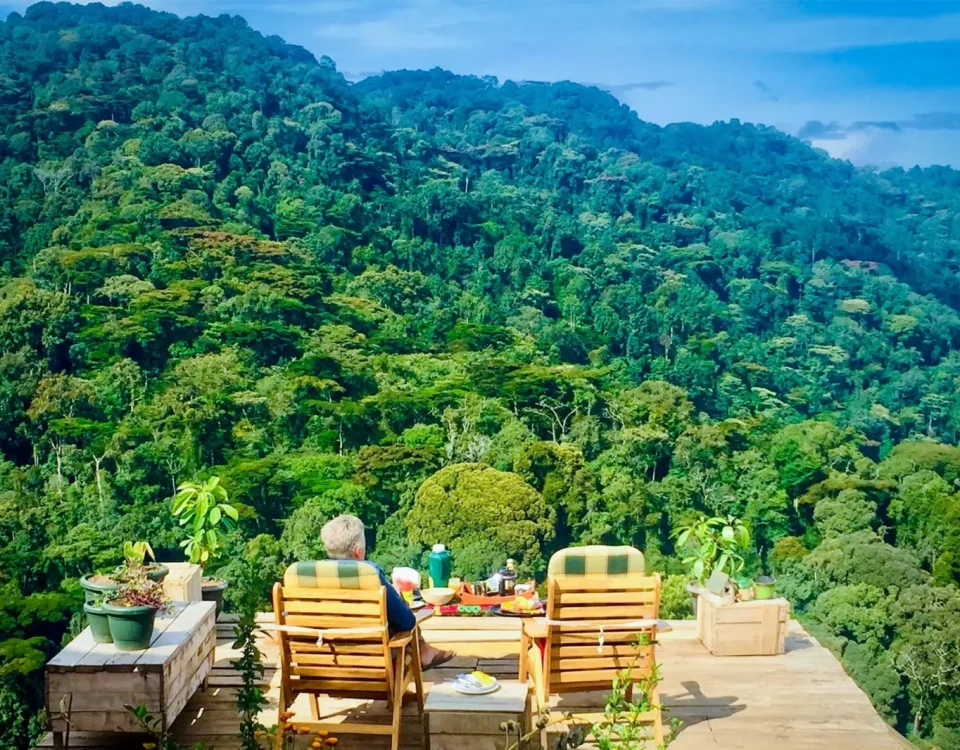
A first gorilla trek combines elements of wildlife adventure, physical activity, and cultural immersion. Trekkers walk through tropical forests, sometimes on steep or muddy trails, guided by trained park rangers and trackers who are experts at locating gorilla families. Each trek is carefully timed and managed to ensure the safety of both visitors and gorillas, making it an unforgettable but structured experience.
Preparation Before the Trek
Before embarking on a gorilla trek, visitors must secure permits, which are limited to protect the gorillas and their habitat. These permits should be booked well in advance, especially during peak travel seasons, from June to September and December to February. Tour operators often assist with the permit process, logistics, and arranging transportation to the trekking start point.
Physical preparation is essential for a beginner. While gorilla trekking does not require advanced fitness, a moderate level of stamina is needed to walk through forest trails that may be steep, slippery, or muddy. Practicing hiking, walking on uneven terrain, and building endurance before the trek can significantly enhance the experience.
It is also important to pack appropriately. Essentials include moisture-wicking clothing, long trousers and sleeves, sturdy hiking boots, rain gear, insect repellent, and water. Trekking poles and gloves can provide additional support, especially for first-time trekkers navigating challenging terrain.
Arrival at the Park and Briefing
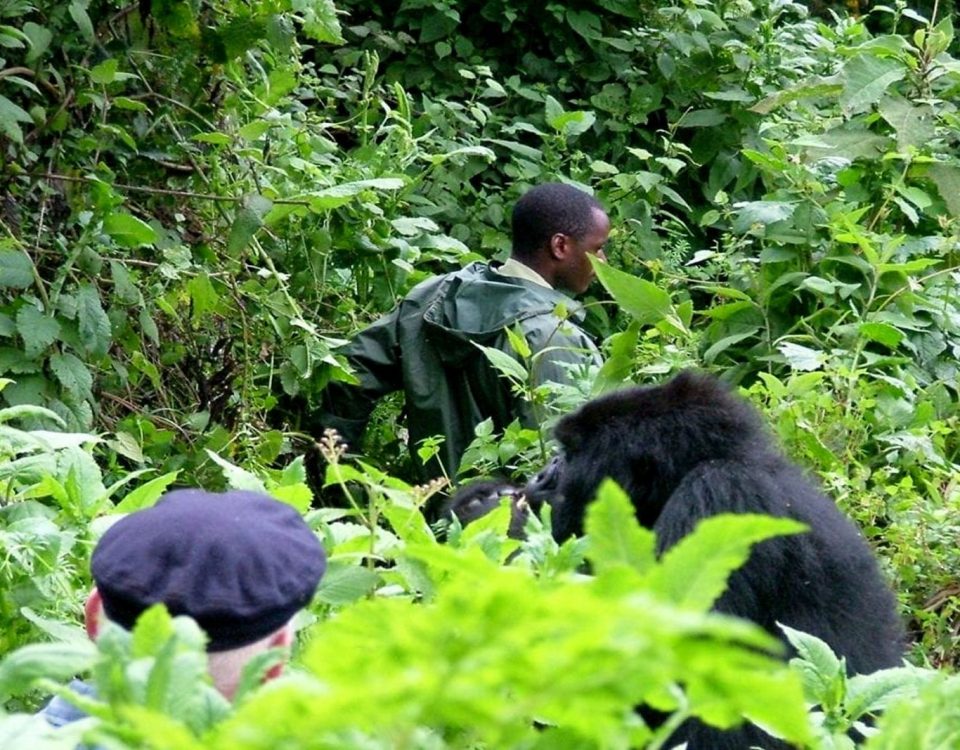
On the day of the trek, visitors typically arrive early in the morning at the park headquarters. Here, rangers provide a briefing about gorilla behavior, safety rules, and ethical guidelines. Beginners learn how to interact safely with gorillas, including maintaining a safe distance, minimizing noise, and avoiding sudden movements.
The briefing also covers practical details, such as trail conditions, expected trekking time, and what to do if you encounter obstacles such as mud, streams, or fallen trees. First-time trekkers benefit greatly from paying close attention during this session, as it prepares them mentally and physically for the forest experience.
The Trekking Experience
The trek begins under the guidance of rangers and trackers who lead small groups of visitors through dense forests. Trackers use signs such as footprints, broken branches, and nests to locate gorilla families. The journey can last from two to six hours, depending on where the gorillas are located that day.
Beginners should expect varying terrain, including uphill climbs, slippery slopes, and muddy paths. Walking sticks or trekking poles help with balance, and wearing waterproof boots and gaiters protects against mud and vegetation. The pace is steady but may require short rests, giving trekkers time to enjoy the forest sounds, birds, and other wildlife along the way.
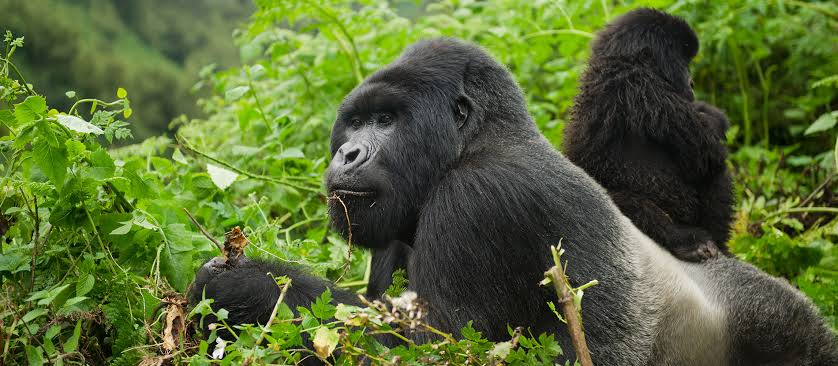
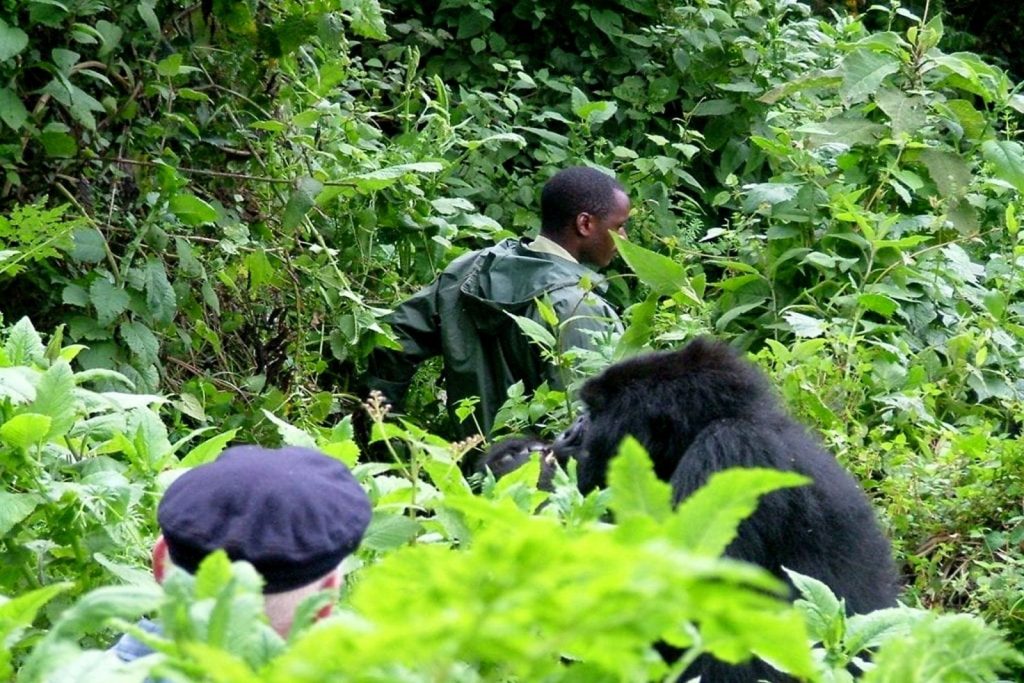
When the gorillas are located, visitors spend up to one hour observing them. This is the highlight of the trek. Beginners can expect to witness gorillas feeding, grooming, playing, and interacting socially. Rangers ensure that visitors maintain a respectful distance, allowing for intimate observation without disturbing the animals. Many first-time trekkers report feeling awe, joy, and even emotional connection during this encounter.
Wildlife and Environmental Encounters
While gorillas are the main attraction, trekkers may encounter other wildlife, including monkeys, duikers, birds, and countless forest plants and insects. Beginners are often struck by the richness of the ecosystem and the diversity of life in these forests. Guides provide insights into animal behavior, plant uses, and ecological relationships, turning the trek into an educational journey as well as an adventure.
Weather conditions can add to the experience. Morning temperatures are usually cool, while midday can be warm and humid. Rain is possible even during dry seasons, so waterproof clothing and quick-drying attire are essential. Observing the forest in mist or light rain can create a magical and atmospheric experience that first-time trekkers often remember vividly.
Post-Trek Experience
After the gorilla encounter, trekkers usually return to the park headquarters, where they may have an opportunity to debrief with guides, take photographs, and reflect on the experience. Many first-time trekkers describe a profound sense of fulfillment, having observed gorillas in a natural, protected environment.
Some tours include additional activities after the trek, such as visiting nearby villages, cultural centers, or wildlife observation points. These activities allow beginners to contextualize their gorilla experience within the broader Rwandan or Ugandan ecosystem and culture.
Tips for First-Time Trekkers
For beginners, several tips can enhance the gorilla trekking experience:
- Book permits early to secure your spot and plan logistics.
- Wear layers and prepare for changing weather conditions.
- Carry water, light snacks, and essential gear in a small backpack.
- Follow the guide’s instructions carefully for safety and ethical observation.
- Move slowly and quietly in the forest to increase your chances of seeing gorillas.
- Be patient, as trekking times vary depending on gorilla location.
- Take time to enjoy the forest, observe other wildlife, and capture memories respectfully.
Emotional and Educational Impact
First-time gorilla trekking is often described as both humbling and inspiring. Visitors gain a greater appreciation for wildlife conservation, the intelligence and social complexity of gorillas, and the importance of protecting natural habitats. The experience can be emotionally powerful, as trekkers witness gorillas interacting in familial groups and displaying behaviors reminiscent of humans.
Beginners often leave the forest with a deeper understanding of the challenges facing these primates, from habitat loss to poaching, and a renewed commitment to responsible travel and conservation.
Conclusion
What to expect on your first gorilla trek combines adventure, education, and emotional connection. Beginners should prepare physically, mentally, and logistically to navigate forest trails, understand gorilla behavior, and follow ethical guidelines. While the trek can be physically demanding, the rewards of observing gorillas in their natural habitat make it an unforgettable, life-changing experience.
First-time trekkers in Uganda and Rwanda not only witness one of nature’s most remarkable species but also contribute to their protection and the preservation of forest ecosystems. By preparing adequately and following the guidance of experienced rangers, beginners can enjoy a safe, enriching, and profoundly memorable adventure that will leave lasting impressions.