
How Mountain Gorillas Are Tracked and Protected in Uganda
Mountain gorillas are among the world’s most iconic and endangered species, and Uganda plays a central role in their protection. Home to nearly half of the global mountain gorilla population, Uganda’s forests-particularly Bwindi Impenetrable National Park and Mgahinga Gorilla National Park-serve as vital refuges for these primates. Protecting them is a complex process that blends scientific research, field tracking, anti-poaching measures, veterinary care, community involvement, and responsible tourism. The success of Uganda’s gorilla conservation efforts provides a model for wildlife management and highlights the delicate balance between human activity and the survival of endangered species.
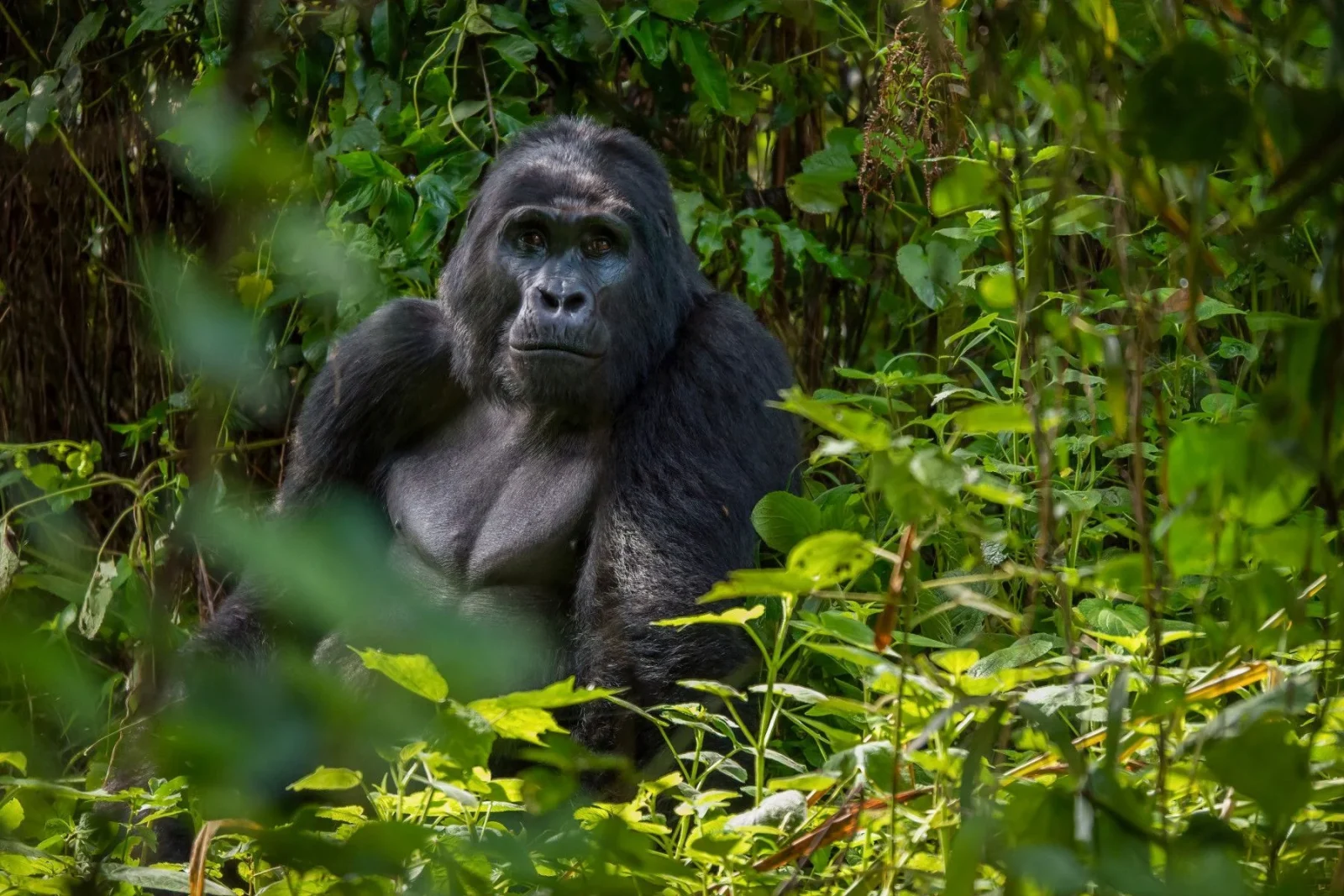
Tracking and protecting mountain gorillas requires meticulous planning and constant vigilance. Uganda Wildlife Authority (UWA) leads these efforts with a team of trained rangers, trackers, and researchers who monitor gorilla movements, health, and social behavior. This ensures that gorillas remain safe from poaching, disease, and habitat loss while enabling researchers and tourists to observe them responsibly. The combination of technology, field expertise, and community collaboration has transformed Uganda into a global hub for primate conservation.
Tracking Mountain Gorillas: Methods and Techniques
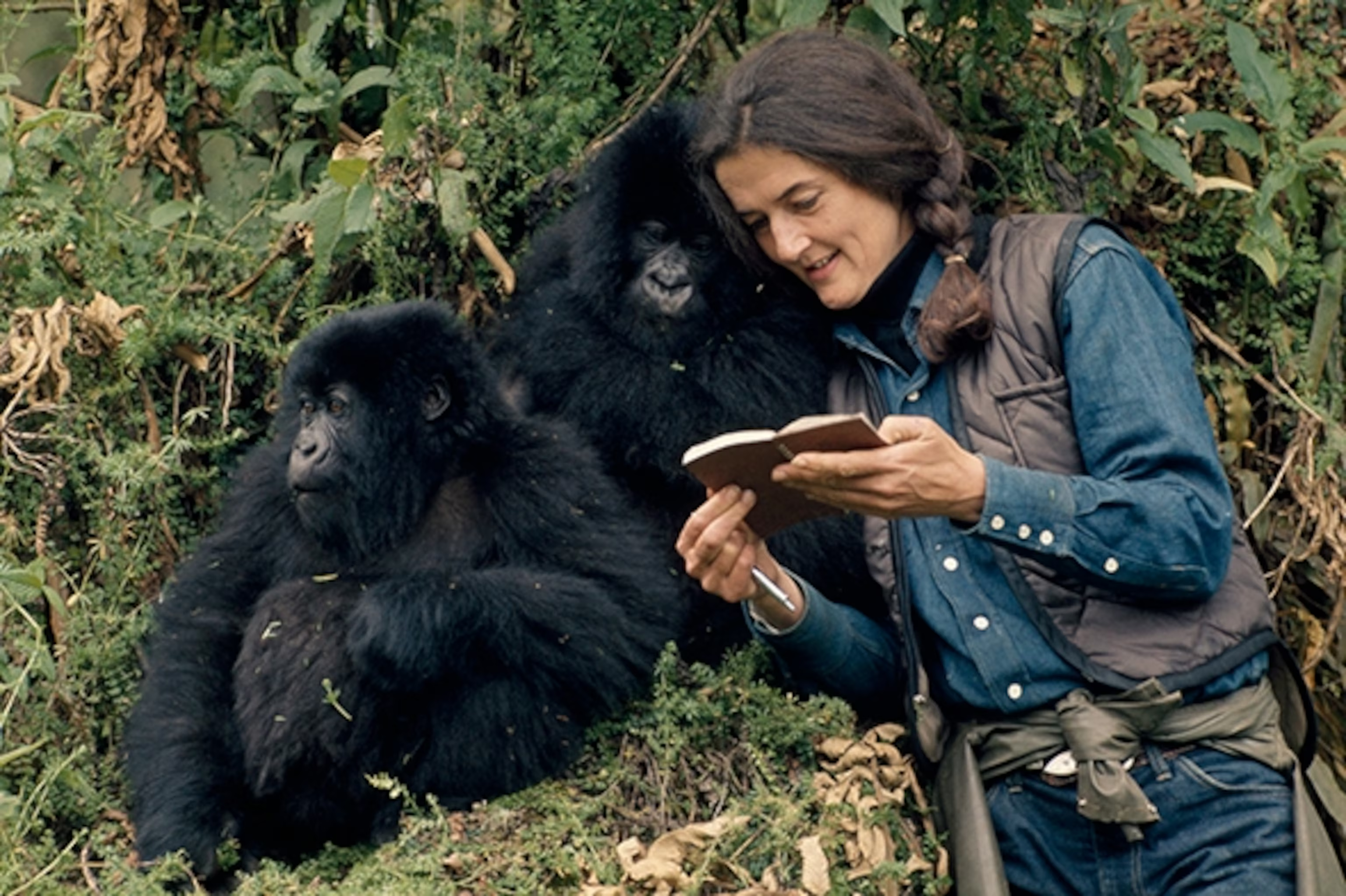
Mountain gorilla tracking in Uganda is both an art and a science. Each gorilla has unique physical features, such as nose prints, scars, and body size, which allow trackers to identify individuals. Teams follow gorilla families daily, recording behaviors, interactions, and locations. This ongoing observation helps researchers monitor health, reproductive success, and social dynamics within each troop.
Modern technology has enhanced tracking efforts. GPS devices, camera traps, and remote monitoring tools allow rangers to map gorilla movements without disturbing them. These tools also help detect unusual patterns that may indicate illness, stress, or human intrusion. Tracking is especially important for habituation programs, where unaccustomed gorillas are gradually introduced to human presence for controlled tourism or research. Through careful observation, trackers ensure that gorillas remain healthy and unthreatened while slowly becoming accustomed to human observers.
Anti-Poaching Measures and Forest Protection
Poaching remains one of the most serious threats to mountain gorillas. Although hunting gorillas is illegal, snares and traps intended for other animals can injure gorillas accidentally. To counter this, rangers conduct daily patrols, monitoring for snares, illegal hunting activity, and encroachment. These patrols are often guided by intelligence from local communities and historical patterns of intrusion. Offenders are prosecuted under Uganda’s wildlife laws, and conservation programs work to prevent future incidents through education and alternative livelihoods.
Forest management also plays a key role in protection. By maintaining clear park boundaries, restricting access to sensitive areas, and monitoring human activity, conservation teams reduce the risk of habitat degradation. The presence of trained rangers and ongoing surveillance has drastically decreased poaching incidents over the past decades, providing a safe environment for gorillas to thrive.
Veterinary Care and Health Monitoring
Mountain gorillas are vulnerable to human diseases, particularly respiratory infections. Uganda’s conservation programs integrate veterinary monitoring into daily tracking. Veterinary teams, often supported by the Gorilla Doctors program, treat injuries, snare wounds, and illnesses. They may also vaccinate gorillas against specific diseases when necessary. Continuous health checks ensure early intervention, minimizing the risk of fatal outbreaks.
Responsible tourism practices are also essential for disease prevention. Visitors are required to maintain safe distances, limit group sizes, wear masks if ill, and avoid contact with gorillas if they have contagious conditions. These precautions protect both gorillas and humans while allowing safe wildlife encounters.
Community Engagement and Conservation Incentives
Conservation in Uganda is not limited to the forest. Local communities play a crucial role in gorilla protection. Through community-based programs, villages receive economic benefits from tourism revenue, employment opportunities, and development projects such as schools, healthcare, and clean water initiatives. Linking community well-being to gorilla survival fosters a sense of stewardship, reducing human-wildlife conflict and habitat encroachment.
Education is a key component. Communities are taught about the ecological importance of gorillas, the value of biodiversity, and the long-term benefits of conservation. These programs have created strong local support for protected areas and helped make gorilla protection a shared responsibility.
Tourism as a Conservation Tool
Responsible tourism is central to Uganda’s conservation strategy. Revenue from gorilla permits and habituation programs funds ranger salaries, research, and community projects. Tourism guidelines, such as limiting viewing times to one hour and controlling group sizes, ensure that gorillas remain undisturbed while generating sustainable conservation funding. Additionally, tourists become advocates for gorilla protection, raising global awareness of the species’ plight and the importance of preserving their habitat.
Research and Long-Term Monitoring
Scientific research is intertwined with tracking and protection efforts. Long-term monitoring of gorilla populations provides data on group size, social structure, reproductive success, and habitat use. Researchers study environmental impacts, disease prevalence, and the effects of climate and human activity on gorilla behavior. This data informs adaptive management strategies, ensuring that conservation practices remain effective and responsive to emerging threats.
Tracking and research also contribute to broader ecological understanding, helping protect other species within the same forests. Mountain gorillas are keystone species, and their protection benefits the entire ecosystem, including birds, small mammals, and plant biodiversity.
A Model for Wildlife Conservation
The tracking and protection of mountain gorillas in Uganda is a multifaceted effort involving expertise, technology, community cooperation, law enforcement, and responsible tourism. These strategies have stabilized gorilla populations, increased global awareness, and set a benchmark for primate conservation worldwide. Uganda demonstrates that human intervention, when guided by science and ethics, can safeguard endangered species while providing educational, ecological, and economic benefits.
Protecting mountain gorillas is not just a conservation achievement; it is a commitment to preserving one of Earth’s most remarkable wildlife experiences. Through meticulous tracking, health monitoring, anti-poaching measures, and community engagement, Uganda ensures that future generations can continue to witness these extraordinary primates in their natural forest homes.