Primates of Kibale National Park: Beyond Chimpanzees
Kibale National Park is widely known as the primate capital of East Africa, offering one of the highest concentrations of primates on the continent. While many travelers visit specifically for chimpanzee tracking, the park’s true richness lies in its extraordinary diversity of monkey species, each occupying a unique ecological niche within the forest.
Located in western Uganda near Fort Portal, Kibale National Park protects a vast expanse of tropical rainforest that provides ideal habitat conditions for primates. The combination of dense vegetation, abundant food sources, and a stable climate has allowed multiple species to thrive side by side.
What makes Kibale exceptional is not just the number of species, but the ease with which they can be observed. Visitors often encounter several primate species during a single forest walk, making it one of the most rewarding destinations for wildlife enthusiasts and researchers alike.
Chimpanzees: The Star Attraction but Not the Whole Story
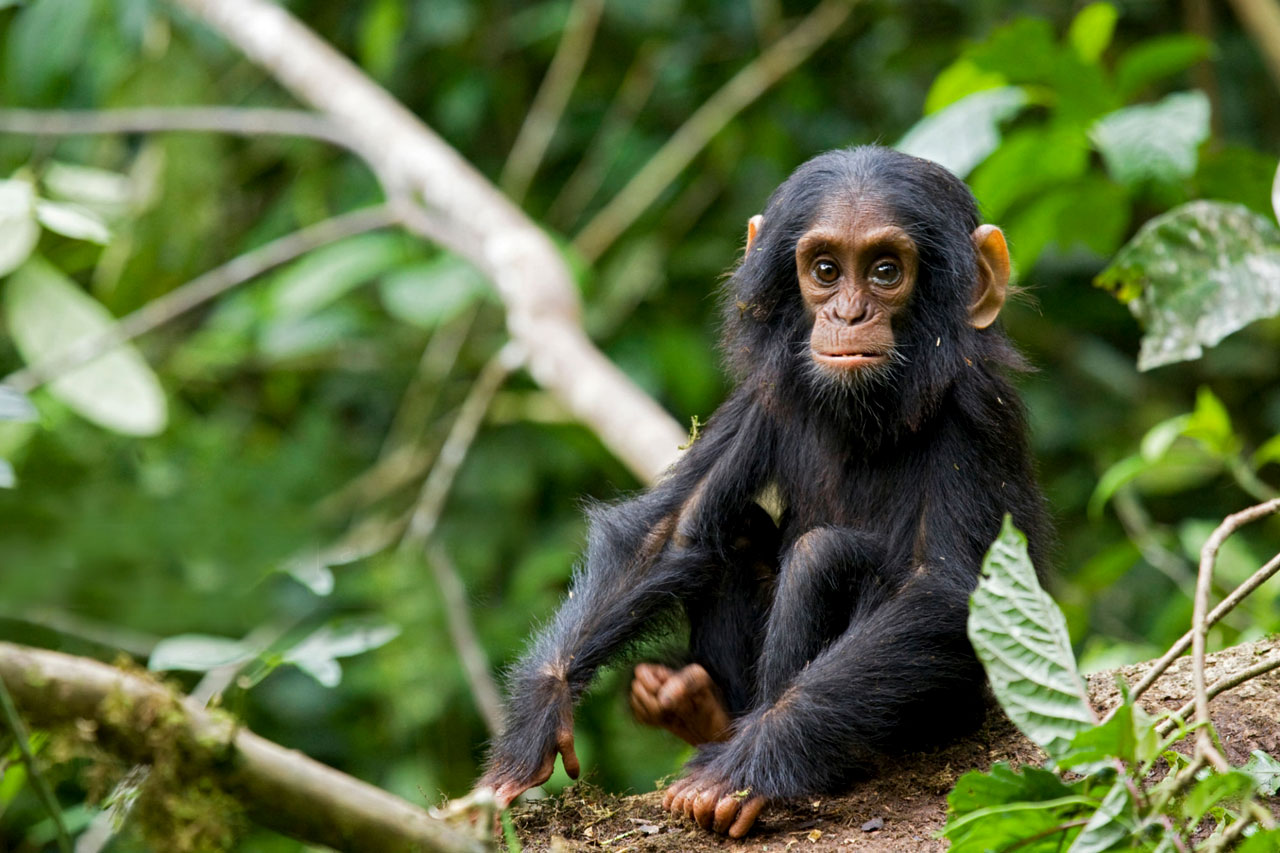
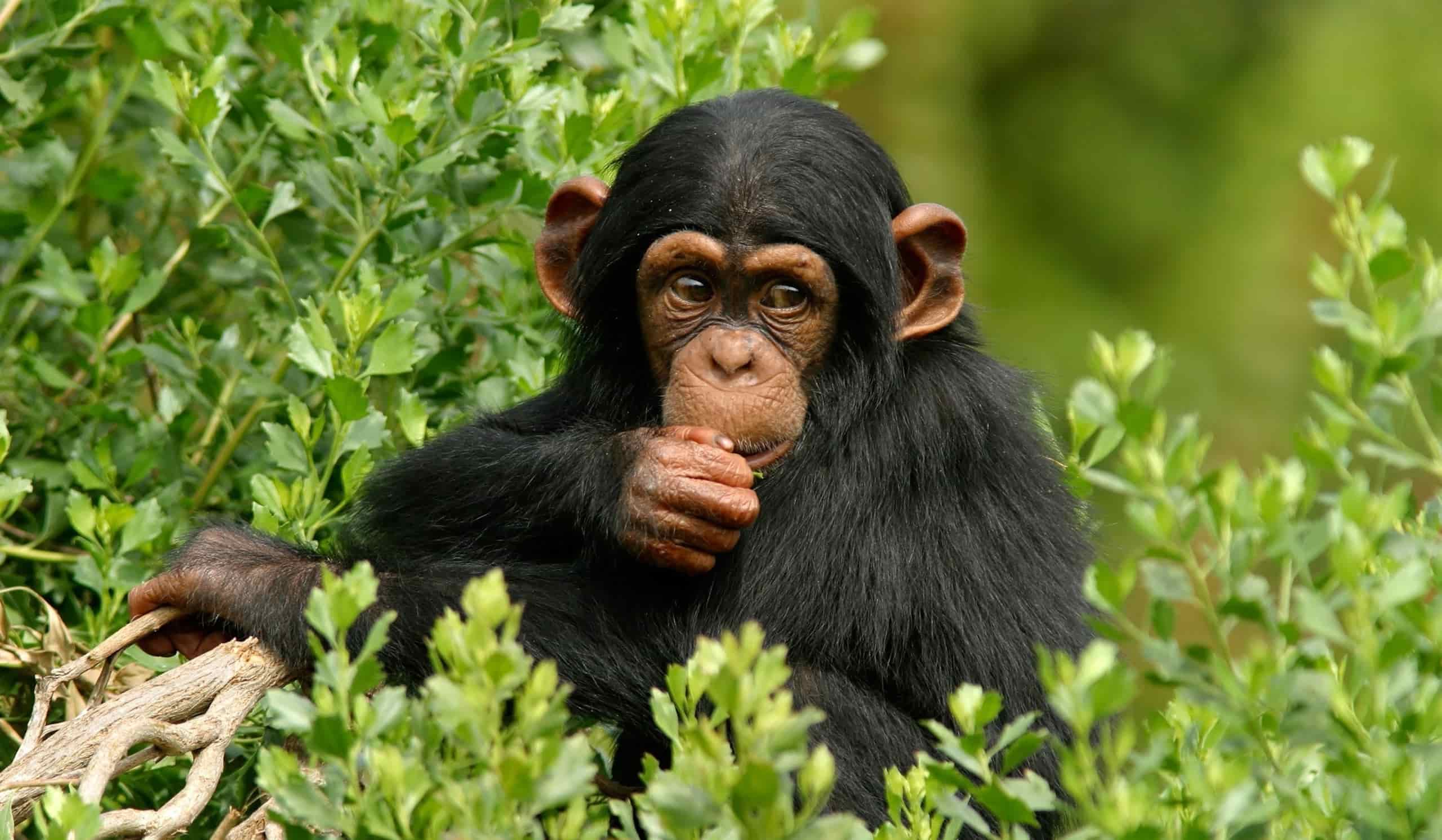
Chimpanzees remain the most famous residents of Kibale National Park, drawing visitors from around the world. These intelligent and social primates are known for their complex behaviors, vocal communication, and close genetic relationship to humans.
Within Kibale National Park, chimpanzee tracking experiences allow visitors to observe these animals in their natural habitat, often witnessing feeding, grooming, and social interactions.
However, focusing only on chimpanzees means missing out on the broader primate ecosystem that makes Kibale truly unique. The forest is home to a wide range of monkey species that contribute to its ecological balance and biodiversity.
Red Colobus Monkeys: Rare and Endangered Residents
The red colobus monkey is one of the most important and endangered primate species found in Kibale National Park. Known for its reddish-brown coat and long limbs, this species spends most of its time in the forest canopy.
In Kibale National Park, red colobus monkeys are often seen in large groups moving gracefully through the treetops. Their diet mainly consists of leaves, making them essential for maintaining the forest’s ecological balance.
Their presence highlights the conservation value of Kibale, as these monkeys are increasingly rare in other parts of Africa.
Black-and-White Colobus Monkeys: The Acrobatics Experts
Black-and-white colobus monkeys are among the most visually striking primates in Kibale, easily recognized by their contrasting fur and long, flowing tails. Their movements through the canopy are graceful and acrobatic, often involving long leaps between trees.
Within Kibale National Park, these monkeys are frequently encountered during guided walks. They tend to live in social groups and are often seen resting or feeding high above the forest floor.
Their presence adds a dynamic visual element to the forest experience, making them a favorite among photographers and visitors.
L’Hoest’s Monkeys: The Shy Forest Dwellers
L’Hoest’s monkeys are one of the more elusive species in Kibale, known for their shy and secretive behavior. Unlike many other primates, they prefer the forest floor and lower vegetation layers.
In Kibale National Park, spotting L’Hoest’s monkeys requires patience and a bit of luck. Their dark fur and distinctive white beard make them unique among the park’s primates.
Their ground-dwelling habits provide an interesting contrast to the canopy-dwelling species, adding to the diversity of primate behaviors in the park.
Primates of Kibale National Park,
Grey-Cheeked Mangabeys: Active and Vocal Primates
Grey-cheeked mangabeys are among the most active and vocal primates in Kibale National Park. They are known for their expressive calls and energetic movements through the forest.
Within Kibale National Park, these monkeys often travel in groups and can be seen foraging for fruits, seeds, and insects. Their adaptability allows them to thrive in different parts of the forest.
Their lively behavior adds an audible dimension to the forest, as their calls echo through the trees and signal their presence even before they are seen.
Blue Monkeys: Subtle but Common
Blue monkeys are one of the more common primate species in Kibale, though their subtle coloration makes them less noticeable. Despite their name, they are not actually blue but have a greyish coat with a slight bluish tint.
In Kibale National Park, blue monkeys are often found in the mid-canopy, feeding on fruits and leaves. They are adaptable and can coexist with other primate species.
Their quiet presence contributes to the overall diversity of the forest, even if they are not as immediately striking as other species.
Olive Baboons: The Ground Dominators
Olive baboons are among the largest primates in Kibale and are typically found on the forest floor or at the edges of the park. They are highly social animals, living in large troops with complex social structures.
Within Kibale National Park, baboons are often seen foraging for food or moving across open areas. Their adaptability allows them to thrive in both forest and savannah environments.
Their presence highlights the diversity of habitats within Kibale, extending beyond dense rainforest to include more open landscapes.
Primates of Kibale National Park,
Nocturnal Primates: The Hidden Nightlife
Kibale National Park is also home to several nocturnal primate species, including bushbabies and pottos. These animals are rarely seen during daytime activities but play an important role in the ecosystem.
In Kibale National Park, night walks provide an opportunity to observe these elusive creatures. Their large eyes and quiet movements make them perfectly adapted to life in the dark.
Exploring the park at night reveals a completely different side of its primate diversity.
Why Kibale Is Africa’s Primate Capital
The combination of species diversity, accessibility, and conservation efforts makes Kibale National Park one of the best primate destinations in Africa. Few places offer the opportunity to see so many different primates in a single location.
Within Kibale National Park, ongoing research and conservation programs help protect these species and their habitats, ensuring that future generations can continue to experience this unique ecosystem.
For visitors, the park offers more than just wildlife viewing-it provides insight into the complexity of tropical forest ecosystems and the importance of conservation.
Best Time to See Primates in Kibale
Primates can be seen year-round in Kibale National Park, but certain seasons offer better conditions for tracking and observation. Dry seasons generally provide easier walking conditions and better visibility.
Within Kibale National Park, early morning is often the best time for primate activity, as animals are more active and easier to locate.
Planning your visit during optimal conditions enhances the chances of seeing multiple species in a single trip.
Final Thoughts on Kibale’s Primate Diversity
Kibale National Park is far more than a chimpanzee destination-it is a complete primate ecosystem that showcases the richness of Uganda’s wildlife. Each species adds its own character to the forest, creating a dynamic and interconnected environment.
Within Kibale National Park, the diversity of primates offers endless opportunities for exploration, learning, and discovery.
For anyone interested in wildlife, conservation, or unique safari experiences, Kibale stands as one of Africa’s most rewarding destinations.
Chimpanzee Trekking in East Africa – Complete Guide
Chimpanzees (Pan troglodytes) are our closest living relatives, sharing approximately 98.7% of human DNA. Watching a habituated chimpanzee family in the wild – their complex social dynamics, tool use, and remarkable expressions – is one of the most intellectually and emotionally engaging wildlife experiences Africa has to offer.
East Africa’s premier chimpanzee destination is Kibale Forest National Park in western Uganda, home to over 1,500 chimpanzees – the highest density of primates in Africa. Rwanda’s Nyungwe Forest National Park offers another outstanding option within one of Africa’s largest montane rainforests.
Kibale Forest National Park – Uganda’s Chimpanzee Capital
Kibale Forest covers 776 km² of moist evergreen and semi-deciduous forest in the Rwenzori foothills of western Uganda. The park’s Kanyanchu tourism site is where chimpanzee trekking takes place, with several habituated communities accustomed to human observation.
A standard chimpanzee trekking permit in Kibale costs USD 250 per person and covers one hour with the chimps after tracking them through the forest. The Chimpanzee Habituation Experience (CHEX) costs USD 250 per person and runs from 6 AM to 6 PM, allowing a full day following a semi-habituated community – a far more intimate encounter. Permits are available through Uganda Wildlife Authority or licensed tour operators.
Beyond chimpanzees, Kibale is home to 12 other primate species including red-tailed monkeys, black-and-white colobus, grey-cheeked mangabeys, olive baboons, and the rare L’Hoest’s monkey. Over 375 bird species have been recorded, making it one of Uganda’s premier birding destinations.
Recommended Tours: 3 Days Chimpanzee Trekking in Kibale | 4 Days Kibale & Queen Elizabeth Safari