
Batwa Pygmy Community Experience in Bwindi: Ethical Cultural Tourism
Batwa Pygmy Community Experience in Bwindi
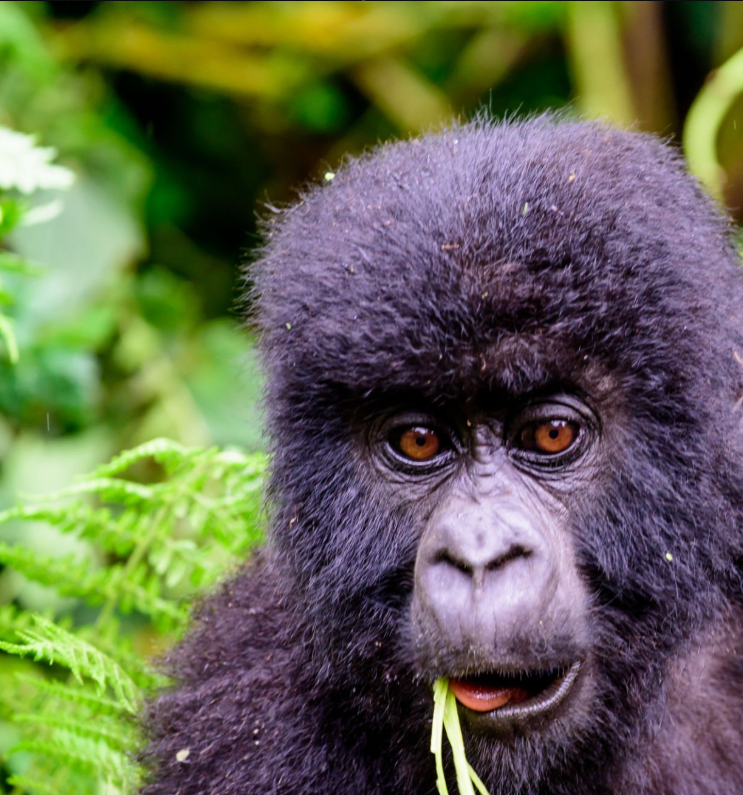
The forest of Bwindi Impenetrable National Park is often celebrated for its mountain gorillas, drawing travelers from across the world into its mist-covered hills. Yet beyond the famous primate encounters lies another equally powerful story — that of the Batwa people, the original forest dwellers whose deep connection to this ancient ecosystem predates modern conservation boundaries.
A visit to the Batwa community is not simply a cultural add-on to a gorilla safari. It is a meaningful, emotional, and educational journey into a way of life shaped by nature, survival, and resilience. When done ethically, it becomes one of the most impactful experiences a traveler can have in Uganda.
The Indigenous Guardians of the Forest
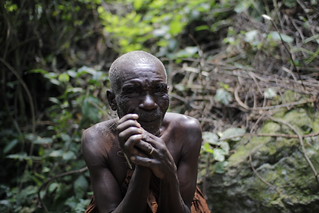
The Batwa, often referred to as “Pygmies,” are among the oldest indigenous communities in Central Africa. For thousands of years, they lived as hunter-gatherers within the forests of Bwindi and surrounding regions. The forest was not just a home; it was their identity, their pharmacy, their spiritual sanctuary, and their source of knowledge.
They hunted small game using bows and arrows, gathered wild fruits and honey, and possessed an extraordinary understanding of medicinal plants. Their songs, dances, and storytelling traditions were deeply intertwined with the rhythms of the forest.
However, when Bwindi was gazetted as a national park in 1991 to protect endangered mountain gorillas, the Batwa were evicted from their ancestral land. Unlike other communities, they were not given land or adequate support, leaving many displaced and struggling to adapt to life outside the forest.
Understanding Ethical Cultural Tourism
Today, Batwa cultural experiences are offered to visitors as part of tourism in Bwindi. However, the way these experiences are conducted matters greatly. Ethical cultural tourism is about respect, dignity, and empowerment — not exploitation.
An ethical Batwa experience focuses on:
Respecting their culture and history
Ensuring the community benefits directly from tourism revenue
Providing accurate storytelling led by Batwa guides
Avoiding staged or demeaning portrayals of their lifestyle
When travelers participate in responsible experiences, they contribute to preserving Batwa heritage while supporting livelihoods.
What to Expect During a Batwa Experience
Batwa Pygmy Community Experience in Bwindi
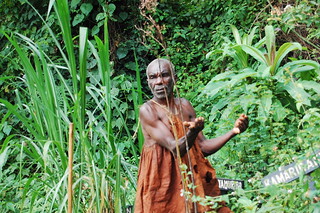
A typical Batwa cultural encounter often begins with a guided walk near the forest edge, led by members of the community themselves. As you walk, they demonstrate traditional skills that once sustained their lives in the wild.
You may witness how they made fire using sticks, hunted with bows and arrows, or harvested honey from tall trees. They explain the uses of various plants for medicine, food, and shelter, offering insight into knowledge passed down through generations.
Storytelling plays a central role. Elders share oral histories about life in the forest, their displacement, and their cultural beliefs. These stories are not scripted performances but lived experiences.
Music and dance often conclude the visit. The rhythms are vibrant and expressive, reflecting joy, sorrow, and identity. Participation is usually encouraged, creating a shared human connection between visitors and hosts.
The Emotional Depth of the Experience
Unlike many tourist activities, a Batwa community visit can be deeply moving. Hearing firsthand accounts of displacement and cultural loss brings a human dimension to conservation — one that is often overlooked.
It challenges visitors to reflect on the balance between protecting wildlife and respecting indigenous rights. It also highlights the resilience of the Batwa people, who continue to preserve their traditions despite immense challenges.
For many travelers, this experience becomes a defining moment of their journey in Uganda.
Supporting the Batwa Community
Ethical tourism plays a crucial role in improving the livelihoods of the Batwa. Revenue from community visits helps fund education, healthcare, housing, and cultural preservation initiatives.
Several organizations and community groups work to empower the Batwa through skills training, land access programs, and advocacy. Choosing tours that directly involve and benefit the Batwa ensures that your visit has a positive impact.
Travelers are encouraged to support local crafts, tip fairly, and engage respectfully. Even small contributions can make a meaningful difference.
Cultural Preservation in a Changing World
As modernization spreads, traditional ways of life are increasingly at risk. For the Batwa, cultural tourism offers a way to preserve their identity while adapting to new realities.
By sharing their knowledge and traditions with visitors, they keep their heritage alive. Younger generations learn the importance of their roots, while also gaining opportunities for education and development.
However, this balance must be carefully maintained. Cultural experiences should never become performances stripped of meaning. Authenticity and respect must remain at the core.
Best Time to Visit
Batwa cultural experiences can be enjoyed year-round, often as part of a gorilla trekking itinerary in Bwindi. The dry seasons, from June to August and December to February, are generally more comfortable for walking activities.
However, the forest environment remains lush and atmospheric throughout the year, adding to the depth of the experience regardless of the season.
Combining Culture with Gorilla Trekking
Many visitors combine the Batwa experience with gorilla trekking in Bwindi. While gorilla encounters highlight Uganda’s natural wonders, the Batwa visit provides cultural context, enriching the overall journey.
Together, they create a balanced understanding of the region — one that includes both wildlife conservation and human history.
A Responsible Way to Travel
Travel has the power to connect people across cultures, but it also carries responsibility. Visiting the Batwa community ethically means approaching the experience with humility, curiosity, and respect.
It is not about observing from a distance but engaging with empathy. It is about listening to stories, acknowledging history, and supporting a future where the Batwa can thrive.
Why the Batwa Experience Matters
The Batwa Pygmy community experience is more than a cultural activity. It is a bridge between past and present, between conservation and humanity, between visitors and hosts.
In the shadow of Bwindi’s dense जंगल, where gorillas roam and mist lingers, the voices of the Batwa remind us that every landscape has a human story. Their resilience, knowledge, and spirit offer lessons that go far beyond tourism.
To visit the Batwa is to witness history, to feel connection, and to leave with a deeper understanding of what it truly means to travel responsibly in Africa.