
The Lewa Wildlife Conservancy: Kenya’s Model for Wildlife Conservation
Nestled in northern Kenya, between the Mount Kenya ecosystem and the Chyulu Hills, the Lewa Wildlife Conservancy is a shining example of community-based conservation and sustainable tourism. Covering approximately 62,000 hectares (620 square kilometers), Lewa is home to some of Kenya’s most iconic and endangered species, including black rhinos, Grevy’s zebras, and African elephants.
Founded in the 1990s, Lewa has grown from a private cattle ranch into one of the leading conservation models in Africa, demonstrating how wildlife preservation, community development, and tourism can coexist harmoniously. Visitors to Lewa experience not only spectacular wildlife but also the unique landscapes of northern Kenya and the rich culture of surrounding communities.
Location and Landscape
Lewa Wildlife Conservancy is located approximately 230 kilometers north of Nairobi, making it accessible for travelers seeking a less crowded, high-quality safari experience. The conservancy lies at the foothills of Mount Kenya, providing a stunning backdrop for photography and wildlife viewing.
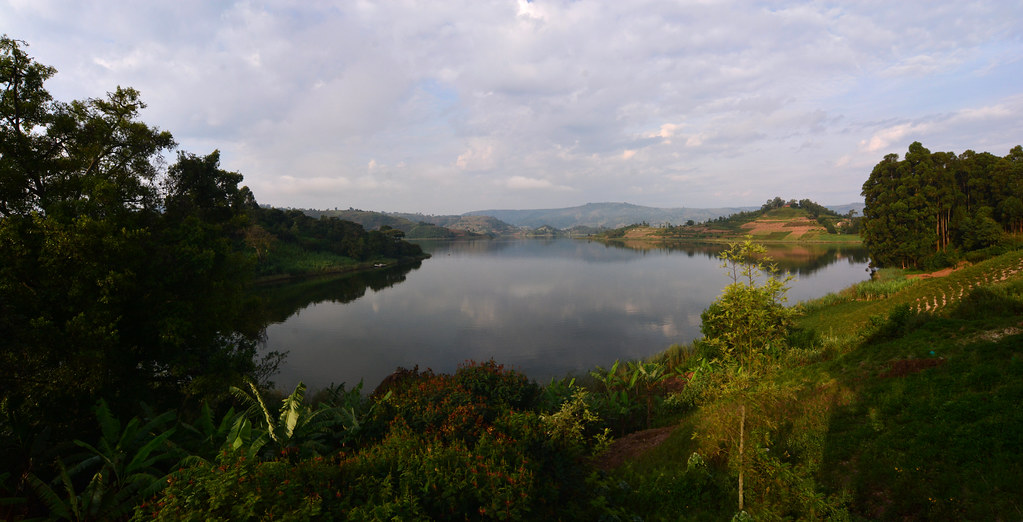
The landscape is a diverse mix of savannah plains, bushland, acacia forests, riverine areas, and rolling hills, which creates varied habitats for a wide range of species. Seasonal rivers and wetlands sustain wildlife during dry months, making Lewa a reliable safari destination year-round.
Wildlife at Lewa Wildlife Conservancy
Lewa is home to over 90 species of mammals and more than 400 bird species, making it a paradise for wildlife enthusiasts, birdwatchers, and photographers.
Elephants
Lewa hosts large herds of African elephants, including some migratory individuals moving between Mount Kenya and the conservancy. Elephants here are frequently seen grazing, dust bathing, or crossing the plains, providing classic African safari scenes.
Rhinos
Lewa is internationally renowned for its black rhino population, one of the largest in Kenya. Intensive anti-poaching efforts and a well-managed conservancy have allowed these endangered species to thrive in a protected environment. Rhino tracking drives offer visitors a rare and rewarding wildlife experience, observing these majestic animals from a safe distance.
Grevy’s Zebras
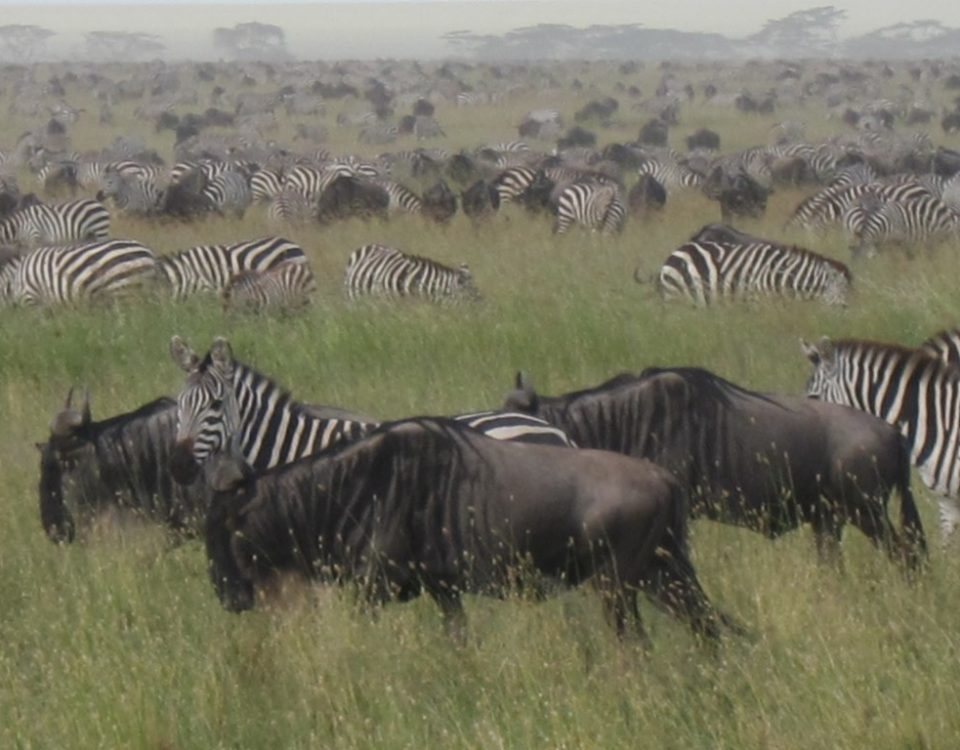
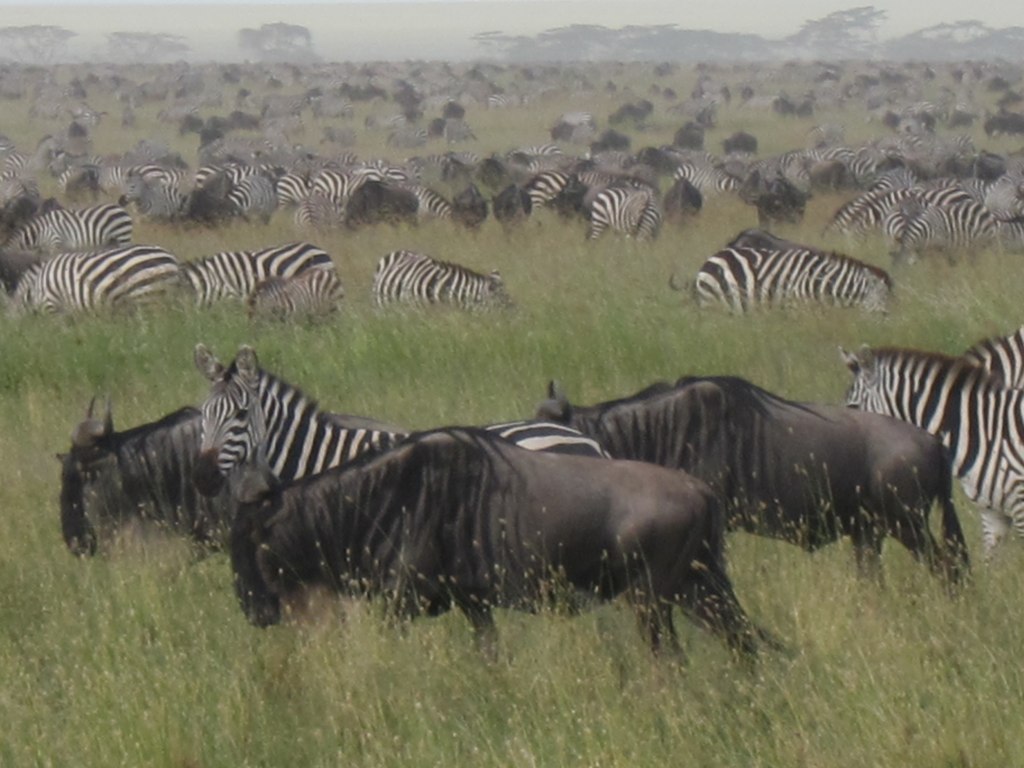
Lewa is a key sanctuary for Grevy’s zebras, the rarest of the three zebra species in Africa. Their distinct narrow stripes make them easy to identify, and spotting them in the wild is considered a highlight of any visit to Lewa.
Other Mammals
The conservancy hosts an impressive array of herbivores, including:
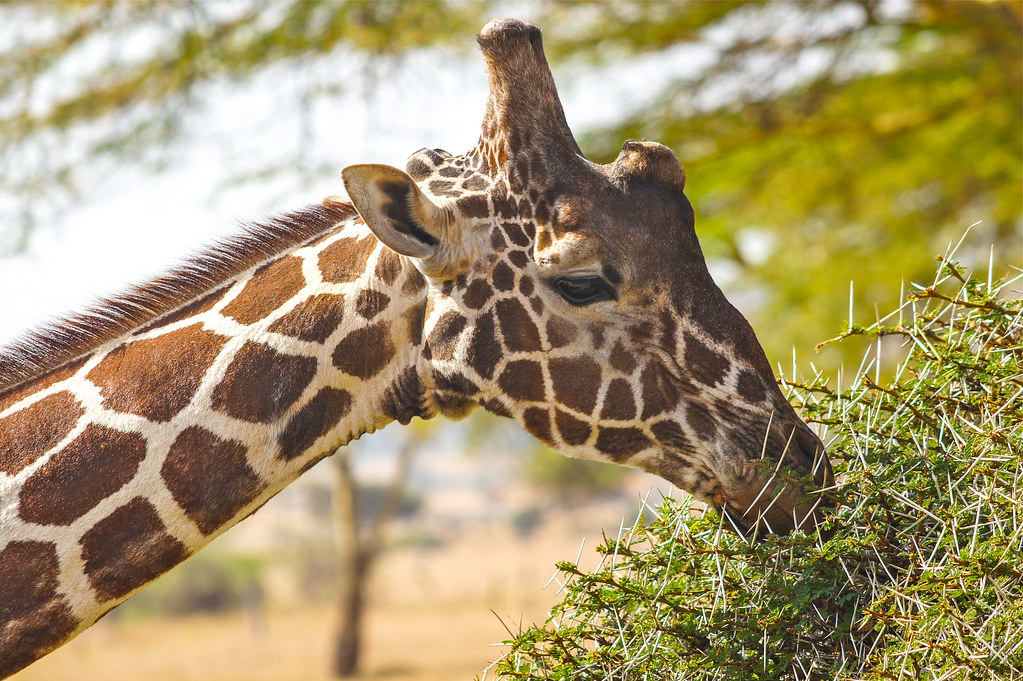
Giraffes grazing on acacia trees.
Buffalo herds scattered across plains and wetlands.
Antelopes such as elands, oribis, and hartebeests.
Predators include lions, leopards, cheetahs, and hyenas, although they are less frequently seen than in larger national parks, providing a more intimate wildlife experience.
Birdlife
With over 400 recorded bird species, Lewa is a top destination for birdwatching enthusiasts. Raptors such as African fish eagles and martial eagles soar overhead, while smaller species including kingfishers, hornbills, and sunbirds inhabit riverine and bushland areas. Seasonal wetlands attract flamingos and migratory waterbirds, adding color and variety to the birding experience.
Safari Experiences at Lewa
Lewa offers a variety of safari experiences that allow visitors to interact safely with wildlife while appreciating the conservancy’s conservation efforts.
Game Drives
Game drives are the primary safari activity in Lewa. Early morning and late afternoon drives provide the best opportunities to observe predators and active herbivores, while midday drives often focus on birdwatching and photography. The 4×4 safari vehicles with pop-up roofs allow guests to view wildlife at safe distances and capture dramatic images of elephants against the backdrop of Mount Kenya.
Rhino Tracking
Lewa offers guided rhino tracking experiences, giving visitors a unique chance to follow black rhinos on foot or by vehicle under the supervision of trained guides. These encounters are not only thrilling but also educational, highlighting conservation strategies and anti-poaching measures in action.
Horseback Safaris
For a more adventurous experience, Lewa offers horseback safaris, which allow travelers to explore the conservancy in a low-impact, intimate way. Riding horseback through savannahs and along rivers enhances the feeling of connection with the wildlife and landscape.
Walking Safaris
Guided walking safaris in Lewa allow visitors to track animals, identify plants, and observe bird species up close. Walking safaris provide a more immersive perspective of the ecosystem, emphasizing the interconnections between wildlife, flora, and local communities.
Cultural Visits
Lewa is home to communities that actively participate in conservation initiatives. Visitors can engage in cultural experiences, learning about Maasai traditions, cattle herding practices, and community-based conservation projects. These visits provide insight into how local livelihoods and wildlife protection are intertwined.
Accommodation Options
Lewa offers a range of accommodation suitable for luxury travelers, families, and eco-conscious visitors.
Luxury Lodges: Sweetwaters Serena Camp and Lewa Safari Camp offer premium comfort, guided safaris, and scenic views.
Mid-range Lodges: Provide cozy accommodations with access to game drives and cultural experiences.
Eco-camps: Small, sustainable tented camps immerse visitors in the natural environment while minimizing ecological impact.
Many lodges are strategically located near water sources, rhino sanctuaries, and elephant corridors, enhancing wildlife sightings during stays.
Conservation Efforts
Lewa Wildlife Conservancy is a global model for integrated conservation. Key initiatives include:
Anti-poaching programs: Lewa has one of the most successful anti-poaching records in Africa, particularly for rhinos and elephants.
Community involvement: Local communities receive support in education, healthcare, and employment, linking conservation success with community well-being.
Habitat protection: Wetlands, rivers, and grazing areas are carefully managed to maintain ecological balance.
Research and monitoring: Continuous monitoring of wildlife populations ensures adaptive management and sustainability.
These efforts make Lewa a world-class example of how conservation can coexist with human development and tourism.
Best Time to Visit Lewa
Lewa can be visited year-round, but the best times for wildlife viewing are:
Dry Season (June-October): Wildlife congregates near rivers and waterholes, making sightings more predictable.
Wet Season (November-May): Lush green landscapes attract bird species and make for dramatic photography, although some areas may be muddy.
Tips for Visiting Lewa
Book safaris in advance, especially during peak seasons.
Bring binoculars and a camera with a zoom lens for photographing wildlife at a safe distance.
Wear neutral-colored clothing to blend with the environment.
Carry sun protection, insect repellent, and comfortable shoes for walking or horseback safaris.
Respect wildlife and local communities, maintaining safe distances and following guide instructions.
Why Lewa Wildlife Conservancy Stands Out
Unlike larger national parks, Lewa provides a more intimate, private, and impactful safari experience. Its focus on conservation, education, and community engagement sets it apart as a destination where visitors contribute to meaningful wildlife protection while enjoying world-class safari adventures.Whether it’s tracking rhinos, photographing elephants against Mount Kenya, or exploring bird-filled wetlands, Lewa offers a unique combination of adventure, education, and ecological immersion that few other conservancies can match.The Lewa Wildlife Conservancy is more than just a safari destination-it is a beacon of hope for endangered species and local communities alike. With its rich wildlife, stunning landscapes, and innovative conservation strategies, Lewa provides travelers with an unforgettable African safari experience. From observing rare black rhinos and Grevy’s zebras to exploring savannahs by vehicle, horseback, or on foot, every moment in Lewa underscores the importance of protecting wildlife and habitats for future generations.Visiting Lewa is not just a trip; it’s a journey into the heart of Kenya’s conservation success, a place where adventure, wildlife, and sustainability come together in perfect harmony.
Recommended Tours: 8 Days Kenya Wildlife Safari | 4 Days Amboseli & Masai Mara