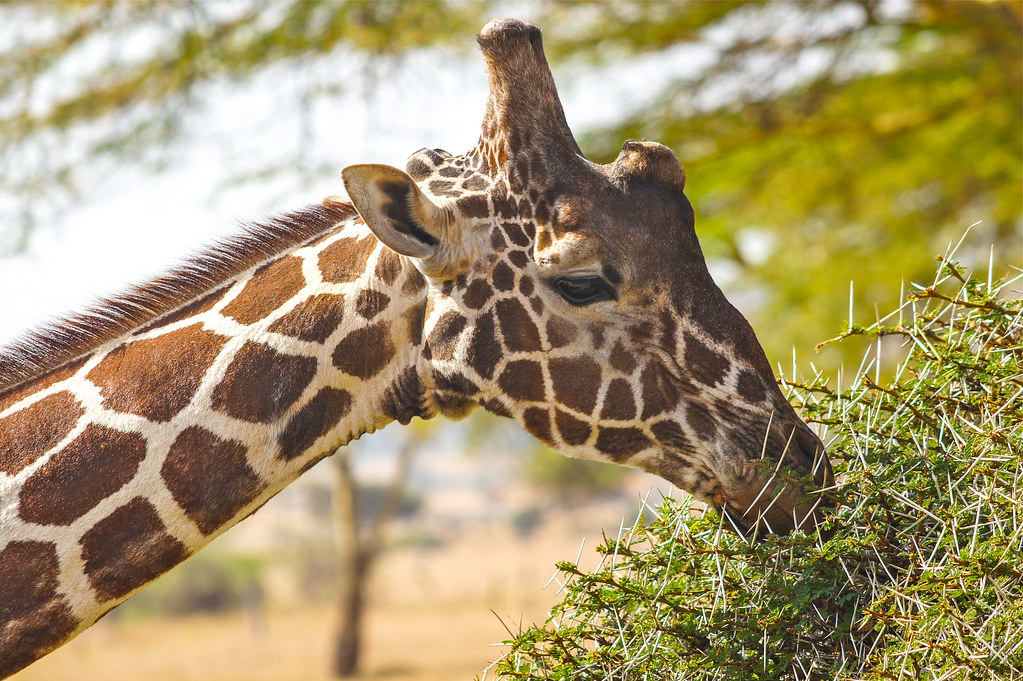

Getting to Serengeti National Park from Arusha, Tanzania
The Serengeti National Park is one of Africa’s most iconic safari destinations, renowned for its vast plains, abundant wildlife, and the Great Migration. Located in northern Tanzania, the park stretches over 14,750 square kilometers, making it one of the largest protected areas on the continent. Many travelers begin their journey in Arusha, Tanzania’s safari hub, before embarking on the adventure to witness the wildlife wonders of the Serengeti.

Traveling from Arusha to the Serengeti is a journey that combines road travel, scenic landscapes, and sometimes air transfers, depending on time, budget, and safari plans. This guide breaks down the best ways to make the journey while maximizing comfort, safety, and the safari experience.
Overview of the Route
The distance from Arusha to the central Serengeti varies depending on the specific park gate or lodge location, but the typical distance ranges from 300 to 400 kilometers (186-250 miles). Because the Serengeti is vast, your travel time and route will depend on whether you are heading to the Northern, Central, or Western Serengeti.
The main options are:
-
Road Transfers (Safari Vehicle or Private Car)
-
Domestic Flights (Small Aircraft or Charter Flights)
-
Combination of Road and Air Transfers
Option 1: Road Transfer from Arusha to Serengeti
Traveling by road is the most common method for budget-conscious travelers and those who want to experience Tanzania’s landscapes en route.
Route Details
The road journey typically follows this path:
-
Arusha to Karatu or Ngorongoro Gate (2-3 hours)
Travelers often pass through lush highlands and farmland, with views of Mount Meru and Mount Kilimanjaro on clear days. Many safaris stop at Karatu or the Ngorongoro Conservation Area before heading north. -
Ngorongoro or Karatu to Serengeti Gate (4-6 hours)
This leg covers the transition from highlands to the Serengeti plains. Depending on your lodge, the journey may include a combination of paved and gravel roads through small villages, savannah, and scattered acacia forests.
Estimated Travel Time
-
Total drive time: 6-9 hours depending on the Serengeti entry point and road conditions.
-
Best for: Travelers seeking an immersive safari feel, seeing landscapes, and possibly spotting wildlife en route.
Tips for Road Transfers
-
Use a 4×4 vehicle with a driver-guide experienced in safari roads. Roads inside the park are often rough, sandy, and corrugated.
-
Carry water, snacks, and sun protection, as stops are limited on the plains.
-
Start early in the morning to maximize daylight for wildlife spotting and to avoid evening rush or low visibility.
-
Some travelers combine the road journey with overnight stops at Ngorongoro or Lake Manyara, breaking the trip into manageable legs.
Option 2: Domestic Flights from Arusha to Serengeti
For travelers seeking speed, comfort, and minimal driving, domestic flights are highly recommended. Several local airlines operate small aircraft flights from Arusha Airport (ARK) or Kilimanjaro International Airport (JRO) to Seronera Airstrip, Kogatende Airstrip, or Grumeti Airstrip depending on your lodge location in the Serengeti.
Flight Details
-
Flight Duration: 1-1.5 hours, compared to 6-9 hours by road.
-
Aircraft Type: Small Cessna or Twin Otter planes with 4-12 passenger capacity.
-
Airlines: Precision Air, Coastal Aviation, Auric Air, Safari Air Express.
-
Booking: Flights can be arranged via safari operators or directly with airlines.
Advantages of Flying
-
Time-saving: Ideal for travelers with limited time.
-
Scenic Views: Fly over the Ngorongoro Crater, savannah plains, and the Maasai steppe, providing a unique aerial perspective of Tanzania’s landscapes.
-
Direct Access: Flights deliver travelers directly to their lodges or camps inside the Serengeti, minimizing additional transfers.
Tips for Air Transfers
-
Flights may be rescheduled due to weather, especially during the wet season.
-
Light luggage is required, usually max 15-20 kg per passenger.
-
Early morning flights are recommended for the best wildlife spotting from the air.
Option 3: Combination of Road and Air Transfers
Some travelers choose a mixed approach, especially when visiting multiple parks in northern Tanzania:
-
Road transfer from Arusha to Ngorongoro or Lake Manyara for a short safari experience.
-
Domestic flight from Ngorongoro or Karatu to Serengeti for quick access to central or northern safari areas.
This method combines sightseeing and wildlife spotting en route with efficient travel to the Serengeti, balancing comfort, budget, and adventure.
Planning Considerations
Safari Entry Points
-
Seronera Gate (Central Serengeti): Ideal for first-time visitors, lodges, and luxury camps.
-
Ndutu Gate (Southern Serengeti): Perfect for Great Migration sightings (December-March).
-
Kogatende Gate (Northern Serengeti): Best for wildebeest calving season (May-July).
-
Grumeti Gate (Western Serengeti): Access to river crossings during migration.
Travel Time and Distance
The Serengeti’s vast size means that travel times inside the park can be several hours depending on wildlife locations. Planning the route with your lodge or safari operator is crucial for maximizing sightings.
Safari Vehicles
-
4×4 vehicles with pop-up roofs are standard for game drives.
-
Road conditions vary from smooth tarmac outside the park to sandy, corrugated tracks inside.
-
Experienced guides are essential for navigating roads and spotting elusive wildlife.
Accommodation Considerations
-
Many lodges and tented camps are strategically located near major wildlife hotspots, reducing internal travel time.
-
Booking in advance is recommended during peak seasons (July-October, December-February).
Seasonal Considerations
-
Dry Season (June-October): Easier road travel, optimal wildlife concentration.
-
Wet Season (November-May): Scenic green landscapes, bird migrations, but some roads may become impassable.
Tips for a Smooth Journey
-
Confirm your route, entry gates, and timings with your safari operator or lodge.
-
Pack light luggage, cameras, binoculars, sunscreen, hats, and insect repellent.
-
Bring cash in Tanzanian Shillings (TZS) for park fees and minor expenses if not prepaid.
-
Start early in the morning to make the most of the day for game drives and scenic photography.
Getting from Arusha to Serengeti National Park can be an adventurous and rewarding journey, whether by road, air, or a combination of both. Road transfers allow travelers to immerse themselves in Tanzania’s scenic landscapes and savannahs, while domestic flights provide speed, comfort, and direct access to the heart of the Serengeti.
Choosing the right method depends on your time, budget, and safari itinerary, but either way, the journey is an essential part of the ultimate African wildlife adventure. Arriving in the Serengeti, with its vast plains and abundant wildlife, is a moment every traveler remembers-a fitting reward for the journey from Arusha.
Related reading: Why Serengeti is Africa’s Top Safari Destination and Photographing the Best of Serengeti Wildlife.
Ready to see it for yourself? Explore our Tanzania safari tours, including the 10 Days Tanzania Wildlife Safari itinerary, or get in touch with our safari experts to start planning your trip.