A Handbook for Gorilla Trekking in the Democratic Republic of Congo’s Virunga National Park
Gorilla trekking in the Democratic Republic of Congo is often described as one of Africa’s most profound wildlife experiences, and Virunga National Park stands at the very heart of this adventure. More than just a destination, Virunga is a living symbol of conservation, resilience, and raw natural beauty. Trekking mountain gorillas here is not a casual safari activity; it is a deeply immersive journey into ancient forests, dramatic volcanic landscapes, and the fragile world of one of humanity’s closest relatives. This handbook is designed to guide travelers through every essential aspect of gorilla trekking in Virunga National Park, offering context, preparation, expectations, and insight into why this experience is unlike any other on the continent.
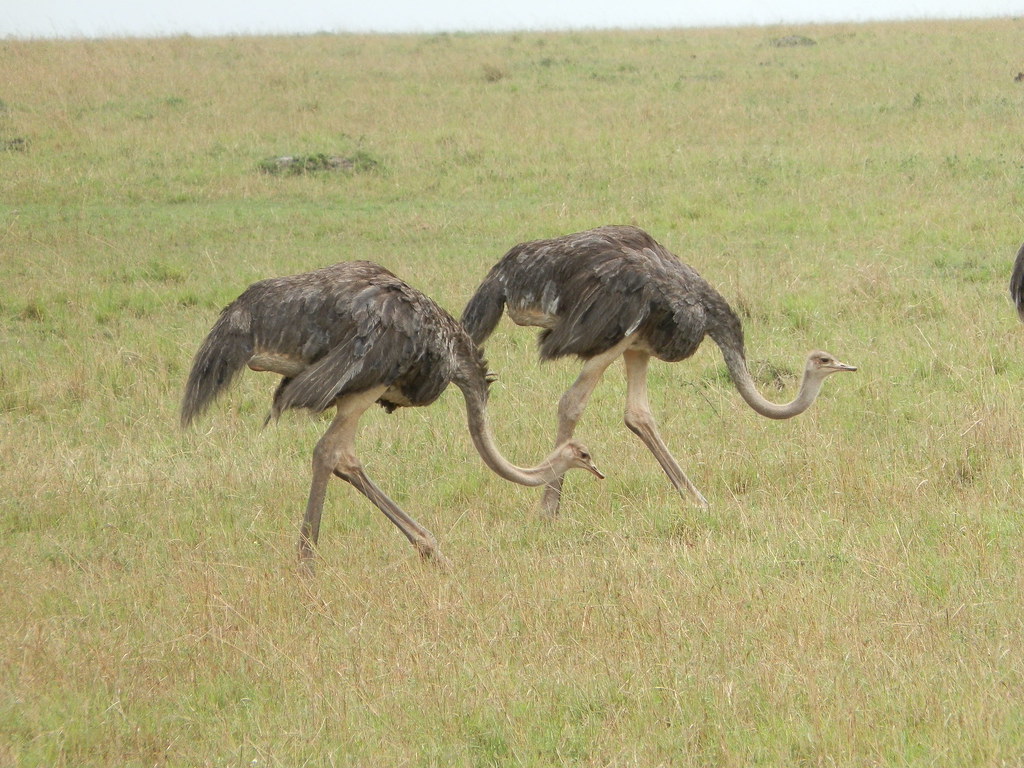
Virunga National Park is Africa’s oldest national park, established in 1925, and it remains one of the most biologically diverse protected areas in the world. Located in eastern Congo along the borders of Rwanda and Uganda, the park stretches across a vast and varied landscape shaped by the Albertine Rift. Its terrain includes lowland tropical forests, montane forests, savannahs, wetlands, lava plains, and snow-capped volcanoes. This extraordinary range of habitats supports an equally remarkable variety of wildlife, including elephants, hippos, lions, chimpanzees, and more than seven hundred bird species. Most famously, Virunga is one of the last remaining strongholds of the endangered mountain gorilla.
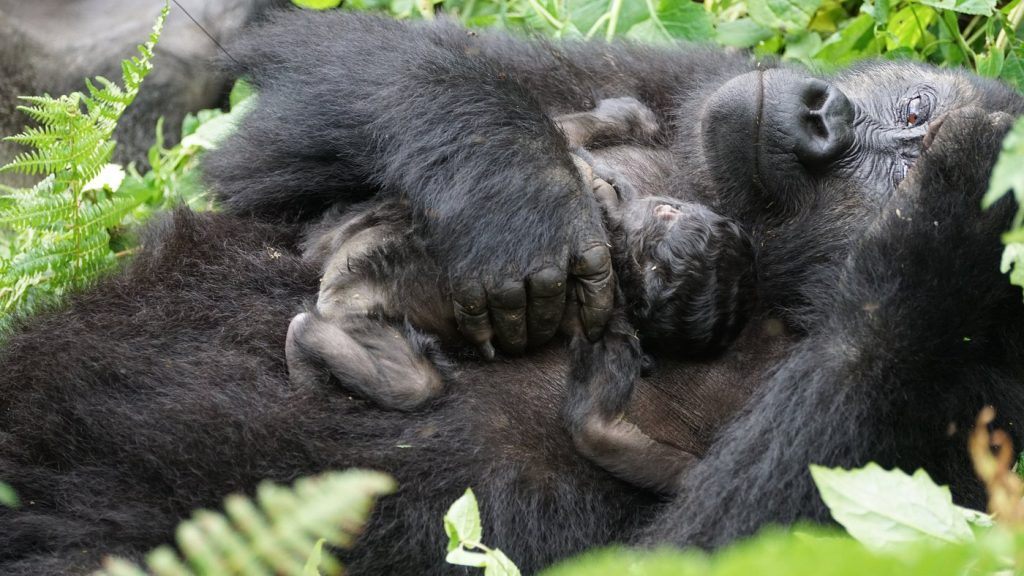
Mountain gorillas are found only in the high-altitude forests of the Virunga Massif and Bwindi Impenetrable Forest. Virunga National Park protects a significant portion of this population, making it a critical site for the survival of the species. Gorilla trekking here offers a rare opportunity to observe these animals in their natural habitat, living complex social lives that closely mirror our own. The experience is both humbling and emotional, often leaving visitors with a renewed sense of connection to nature and a deeper understanding of conservation.
Planning a gorilla trekking trip to Virunga requires thoughtful preparation. Unlike more conventional safari destinations, Virunga is an adventure destination that rewards careful planning and realistic expectations. Gorilla trekking permits are mandatory and must be arranged in advance. These permits regulate the number of visitors allowed to see gorillas each day, ensuring minimal disturbance to the animals and their environment. The permit system also plays a vital role in funding conservation efforts and supporting the park’s operations.
One of the distinguishing aspects of gorilla trekking in Virunga is its sense of exclusivity and authenticity. Visitor numbers are generally lower than in neighboring countries, which creates a more intimate and less commercialized experience. This quieter atmosphere allows trekkers to feel more connected to the forest and the gorillas themselves. It also means that visitors often spend more time in truly wild surroundings, far removed from roads and large tourist groups.
Timing is an important consideration when planning a gorilla trek in Virunga National Park. The region experiences a tropical climate with alternating wet and dry seasons. The drier periods, typically from June to September and from December to February, are generally considered the best times for trekking. During these months, trails are more manageable, vegetation is slightly less dense, and hiking conditions are more comfortable. However, even in the dry season, rain can occur, and the forest remains humid and lush.
The wetter seasons, which usually fall between March and May and again from October to November, present more challenging trekking conditions. Trails can become muddy and slippery, and the forest feels heavier and more demanding. That said, these months also bring a unique beauty to Virunga. The landscape becomes intensely green, waterfalls are at their most dramatic, and birdlife is particularly active. For travelers who are physically prepared and seeking solitude, trekking during the rainy season can be deeply rewarding.
Physical readiness plays a significant role in the overall gorilla trekking experience. Treks can vary widely in length and difficulty, depending on the location of the gorilla family on a given day. Some treks may last only a few hours, while others can take most of the day and involve steep climbs, thick vegetation, and uneven ground. The altitude of Virunga’s forests can also add to the challenge, especially for visitors not accustomed to hiking at higher elevations. A moderate level of fitness, combined with patience and determination, is usually sufficient, but it is important to approach the trek with an open mind and a willingness to adapt.
On the morning of the trek, visitors gather at the park headquarters for a detailed briefing. This moment marks the transition from anticipation to action. Park rangers explain the rules of gorilla trekking, outline safety protocols, and provide background information about the gorilla families. These rangers are among the most dedicated conservation professionals in Africa, many of whom have spent years protecting Virunga under extremely difficult circumstances. Their knowledge of the forest and its inhabitants adds depth and meaning to the experience.
After the briefing, small groups set out with armed rangers and trackers. The trackers often begin their work early in the morning, sometimes before dawn, to locate the gorilla families and communicate their position to the guides. This coordination helps ensure that trekkers spend as much time as possible with the gorillas once they are found. As the group enters the forest, the sounds of civilization fade away, replaced by birdsong, rustling leaves, and the distant calls of primates.

Walking through Virunga’s forests is an immersive sensory experience. The air is thick with moisture and the scent of earth and vegetation. Towering trees form a dense canopy overhead, while vines and undergrowth create a layered, almost labyrinthine environment. Along the way, guides point out animal tracks, medicinal plants, and signs of forest life that most visitors would otherwise overlook. Every step deeper into the forest builds anticipation for the encounter ahead.
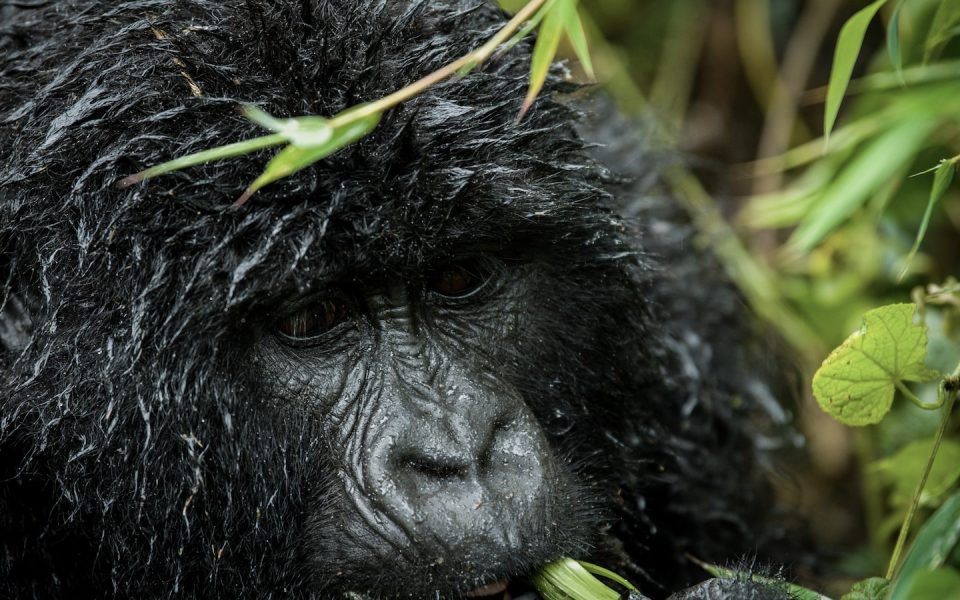
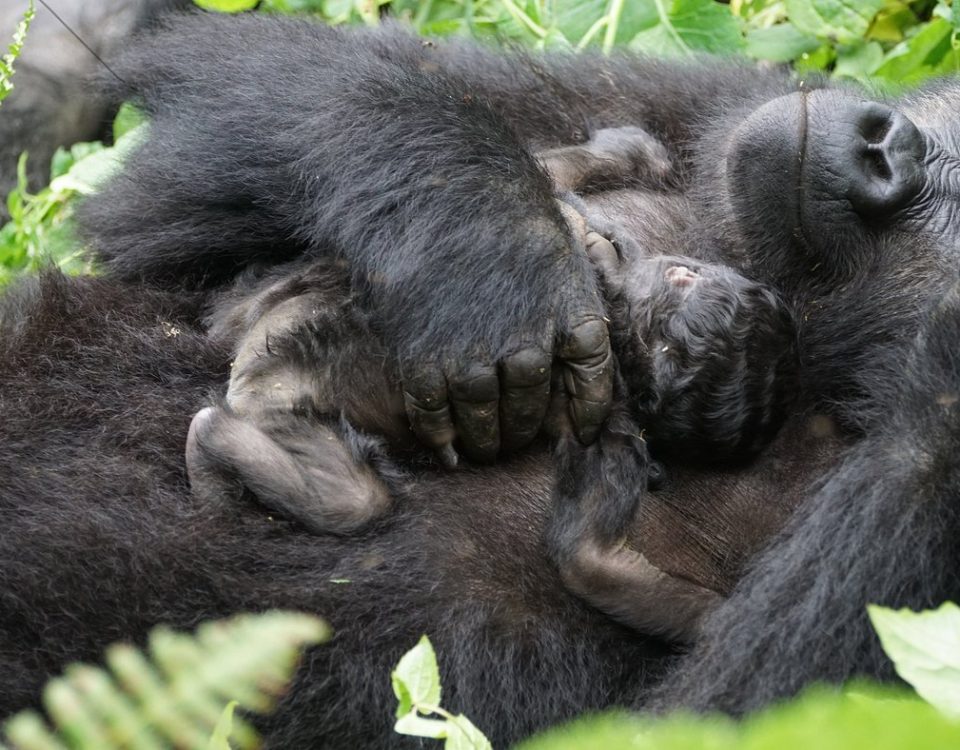
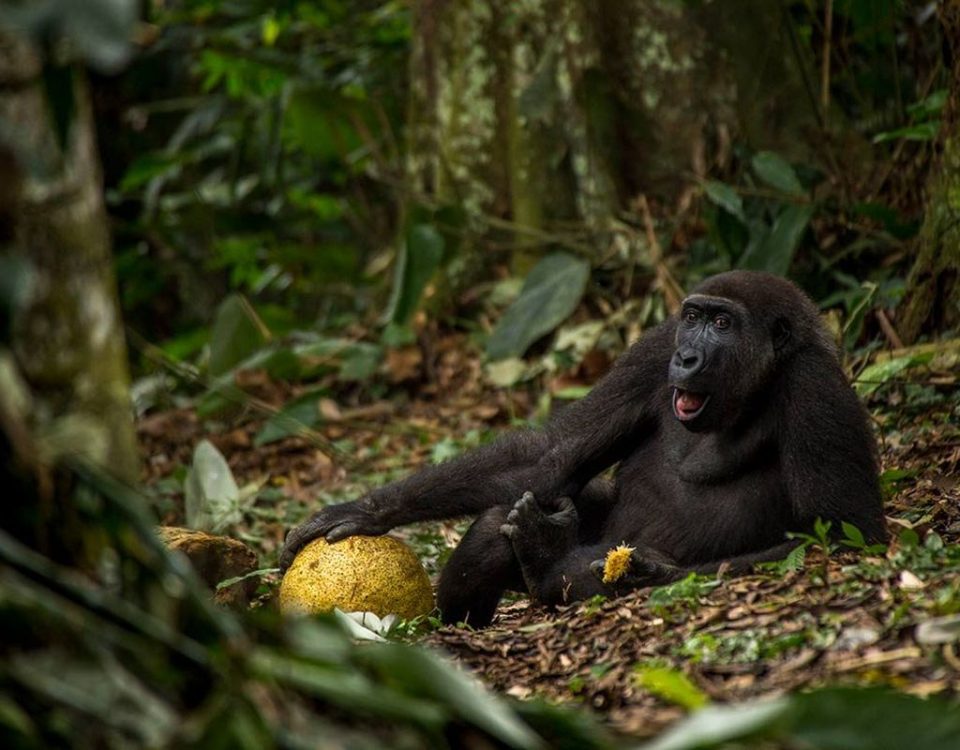
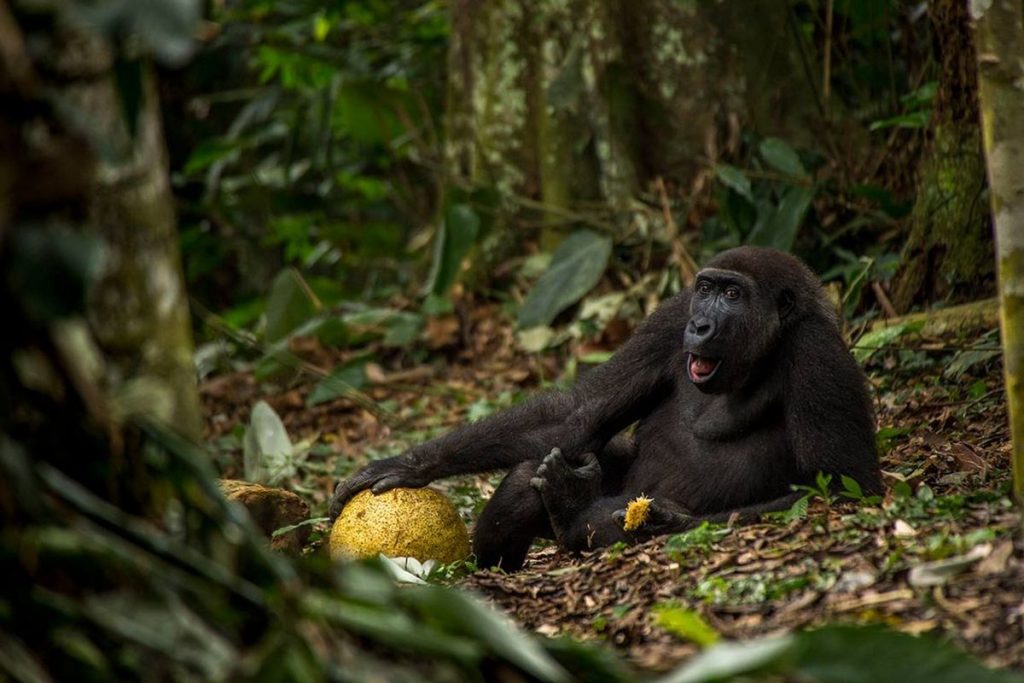
The moment of first contact with a gorilla family is often quiet and understated, yet profoundly powerful. There is no dramatic announcement, just a subtle signal from the guide to slow down and observe. Suddenly, the gorillas are there, emerging from the foliage or resting calmly in a clearing. During the one hour allowed with the gorillas, visitors witness a world that feels both foreign and familiar. Gorillas feed methodically, using their hands with remarkable dexterity. Youngsters play and tumble with boundless energy, while adults groom one another in gestures of care and social bonding.
The presence of the dominant silverback is especially striking. Massive yet composed, he watches over his family with quiet authority. Despite their strength, gorillas are generally peaceful animals, and aggression toward humans is extremely rare when proper guidelines are followed. The closeness of the encounter, often just a few meters away, creates an emotional intensity that is difficult to describe. Many visitors find themselves moved not just by the gorillas’ appearance, but by their expressions, behaviors, and apparent awareness of human presence.
Strict rules govern behavior during the gorilla encounter. Maintaining a respectful distance, avoiding sudden movements, and keeping voices low are all essential. These guidelines exist to protect the gorillas from stress and disease, as well as to ensure visitor safety. The one-hour time limit is enforced without exception, and while it may seem short, it is carefully designed to balance meaningful observation with responsible conservation.
Gorilla trekking in Virunga is inseparable from the broader story of conservation in the Democratic Republic of Congo. The park has faced immense challenges over the decades, including armed conflict, poaching, illegal resource extraction, and population pressure. Despite these threats, Virunga has survived due to the extraordinary commitment of its rangers and conservation teams. Many rangers have lost their lives protecting the park, and their sacrifice underscores the importance of responsible tourism in supporting conservation efforts.
Tourism revenue from gorilla trekking plays a critical role in funding park operations, ranger salaries, wildlife monitoring, and community development projects. By visiting Virunga, travelers contribute directly to the protection of mountain gorillas and the livelihoods of local communities. This connection between tourism and conservation is tangible and immediate, making the experience feel purposeful as well as unforgettable.
Local communities surrounding Virunga National Park are deeply intertwined with the park’s future. Many residents depend on the park for employment and economic opportunities, from guiding and portering to lodge work and conservation support roles. Community engagement initiatives aim to reduce human-wildlife conflict, promote sustainable livelihoods, and foster a sense of shared responsibility for protecting the park’s natural heritage. Visitors who take the time to learn about these efforts gain a richer understanding of the social context in which gorilla conservation takes place.
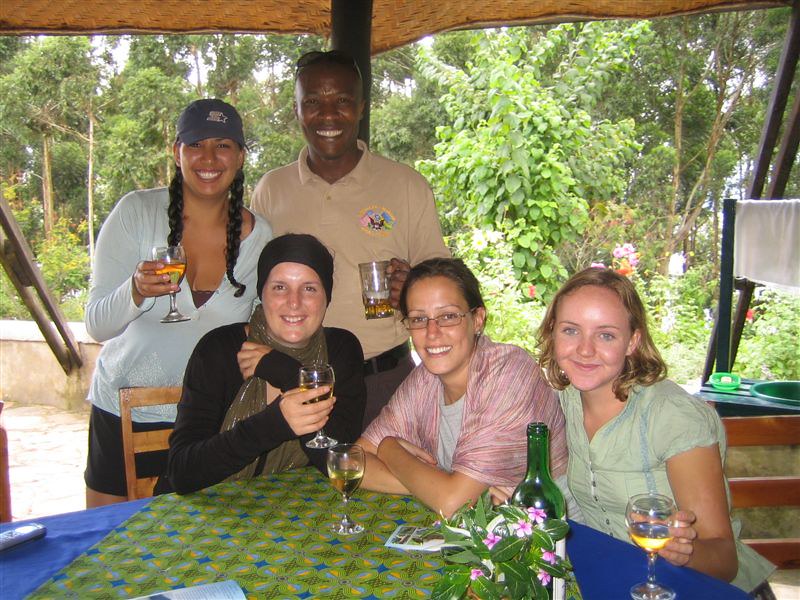
Accommodation options near Virunga National Park are designed to complement the wilderness experience. Lodges and camps are often set in stunning natural locations, offering views of forests, volcanoes, and lakes. These accommodations emphasize sustainability and comfort without detracting from the sense of adventure. Evenings are often spent reflecting on the day’s experiences, listening to the sounds of the forest, and sharing stories with fellow travelers.
While gorilla trekking is the highlight for many visitors, Virunga National Park offers much more for those with additional time. The park’s volcanic landscapes, including the iconic Mount Nyiragongo, add another dimension to the experience. Wildlife viewing, birding, and cultural encounters further enrich a visit, allowing travelers to appreciate the full scope of Virunga’s ecological and cultural significance.
Gorilla trekking in the Democratic Republic of Congo’s Virunga National Park is not a passive experience. It demands respect, preparation, and a willingness to step outside one’s comfort zone. In return, it offers something increasingly rare in the modern world: a genuine connection to wild nature and a deeper understanding of our place within it. For travelers seeking an experience that is adventurous, meaningful, and transformative, Virunga National Park stands as one of Africa’s most extraordinary destinations.
Recommended Tours: 8 Days Congo Gorillas & Nyiragongo Safari | 5 Days Lowland Gorilla Safari Congo