Fascinating Facts About Queen Elizabeth National Park, Uganda
Queen Elizabeth National Park (QENP) is one of Uganda’s most famous and ecologically diverse wildlife sanctuaries. Located in the country’s western region, stretching across the districts of Kasese, Kamwenge, Rubirizi, and Rukungiri, it is a park that truly embodies the term “safari paradise.” Beyond its stunning landscapes and abundant wildlife, QENP is rich in cultural, geological, and ecological significance, making it a must-visit destination for travelers seeking a complete Ugandan experience.

Location and Size
Queen Elizabeth National Park covers approximately 1,978 square kilometers, making it one of Uganda’s largest and most accessible parks. Its location along the Albertine Rift, a branch of the East African Rift, endows it with unique topographical diversity. The park’s terrain ranges from crater lakes and wetlands to savannah plains, forested hills, and the majestic Rwenzori Mountains on the western edge. This variety of habitats supports an extraordinary range of species, both terrestrial and aquatic, setting the stage for some of Africa’s most memorable wildlife encounters.
Biodiversity Hotspot
Queen Elizabeth National Park is recognized as a biodiversity hotspot because of the incredible diversity of wildlife and plant life it supports. The park is home to over 95 mammal species and 600 bird species, making it one of the most important protected areas in East Africa. Visitors can expect to encounter iconic African animals such as lions, leopards, elephants, buffaloes, and hippos, as well as Uganda kobs, bushbucks, and waterbucks roaming the savannah and wetlands.
The park is especially known for its tree-climbing lions in the Ishasha sector, a rare phenomenon that has fascinated scientists and tourists alike. These lions climb fig and acacia trees to escape the heat or avoid biting insects, offering a unique wildlife spectacle unavailable in most other parks.
The Kazinga Channel
One of Queen Elizabeth National Park’s defining features is the Kazinga Channel, a natural waterway that connects Lake George and Lake Edward. Stretching about 32 kilometers, the channel serves as a lifeline for aquatic and semi-aquatic species. It is also one of the best places in Africa to view hippos and crocodiles up close. Boat cruises along the Kazinga Channel provide intimate wildlife viewing opportunities, allowing travelers to see elephants, buffaloes, and a variety of bird species drinking at the riverbanks.
The channel is a vital ecosystem that supports migratory birds and resident waterfowl, making it a favorite spot for birdwatchers hoping to spot African fish eagles, herons, pelicans, and kingfishers.
Lakes and Wetlands
QENP’s network of crater lakes and wetlands adds to its ecological richness. Lakes such as Lake George, Lake Edward, and Lake Katwe create critical habitats for aquatic life and attract seasonal bird migrations. Lake Katwe, in particular, is famous for its salt mining communities, offering visitors a glimpse into traditional salt extraction methods while highlighting the balance between human activity and natural resource preservation.
Wetlands scattered throughout the park provide sanctuary for a variety of amphibians, reptiles, and rare plant species. These ecosystems are essential for maintaining water quality, supporting biodiversity, and sustaining local livelihoods.
Birdwatching Paradise
For bird enthusiasts, Queen Elizabeth National Park is a true paradise. With over 600 recorded species, the park offers a wealth of opportunities for both casual birdwatchers and dedicated ornithologists. Resident species such as the shoebill stork, grey crowned crane, and African skimmer coexist alongside migratory species like the European bee-eater and common sandpiper.
Birding can be done on game drives, along the Kazinga Channel, or on guided walking tours, each providing unique vantage points and encounters. Early morning and late afternoon are often the best times for birdwatching, as cooler temperatures stimulate more active feeding and movement patterns.
Rich Cultural Heritage
Queen Elizabeth National Park is not only ecologically important but also culturally significant. The park borders several communities, including the Bakonzo, Basongora, and Batwa people, who have lived in the region for centuries. These communities have deep ties to the land, practicing traditional agriculture, fishing, and pastoralism while preserving local folklore and customs.
Visitors can engage in community tourism experiences, learning about Batwa forest traditions, local handicrafts, and cultural dances. These interactions offer a meaningful understanding of how human societies coexist with wildlife and contribute to conservation efforts.
Unique Features and Ecosystems
-
Ishasha Sector: Famous for its tree-climbing lions and open savannah plains.
-
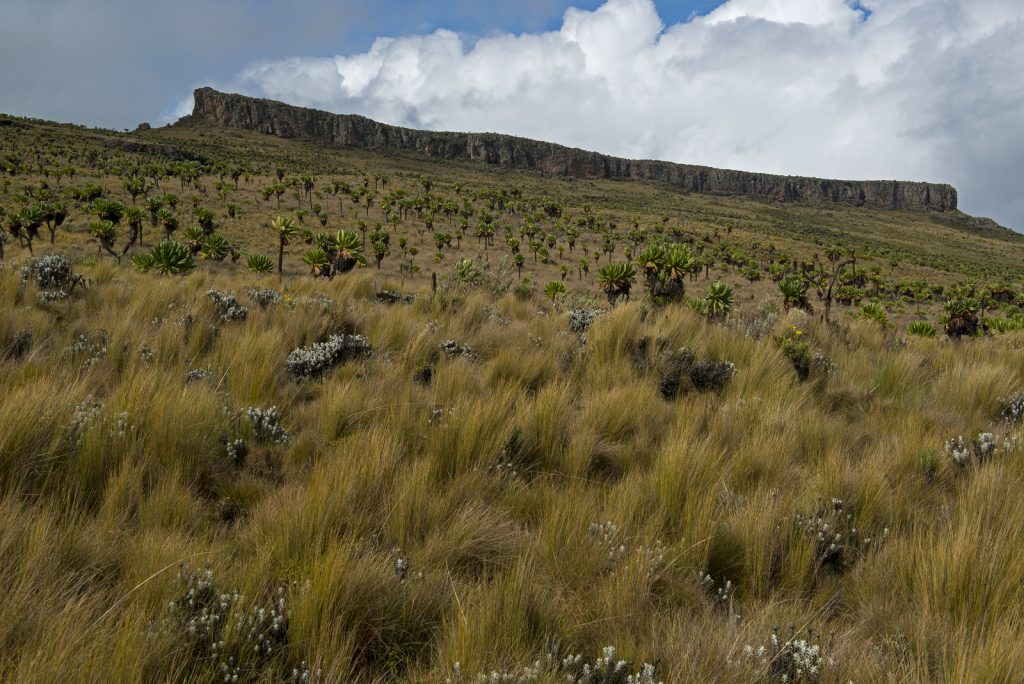
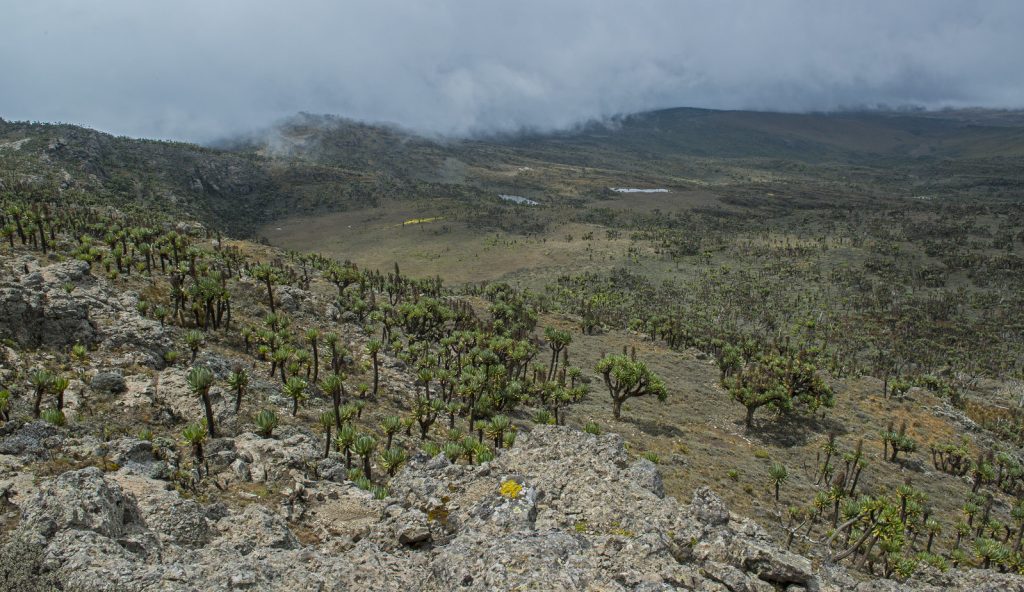
Ruwenzori Mountains: Offering highland habitats, cooler climates, and spectacular hiking opportunities.
-
Kyambura Gorge: Known as the “Valley of Apes,” home to habituated chimpanzees, providing one of Uganda’s few chimp trekking experiences outside Kibale.
-
Craters and Volcanic Terrain: The park’s crater lakes and volcanic soils support rich flora and fauna, creating microhabitats that host unique species.
Each ecosystem offers a different safari experience, ensuring that no two visits are ever identical.
Safari Activities in Queen Elizabeth National Park
Visitors to QENP have a wealth of activities to choose from, each tailored to highlight different aspects of the park. Game drives are the most common activity, giving travelers the chance to spot elephants, lions, leopards, and antelopes across open plains and forested areas. Boat cruises on the Kazinga Channel allow for close encounters with hippos, crocodiles, and abundant birdlife.
For more active travelers, chimpanzee trekking in Kyambura Gorge, nature walks, and cultural visits to local communities provide immersive experiences that go beyond traditional safaris. Photography safaris, especially at sunrise and sunset, capture the park’s dramatic lighting and vibrant wildlife, offering memories that last a lifetime.
Conservation and Responsible Tourism
Queen Elizabeth National Park plays a crucial role in Uganda’s conservation landscape. As a protected area, it safeguards critical habitats for endangered species such as lions, elephants, and chimpanzees. Responsible tourism practices are vital to maintaining the park’s ecological integrity. Visitors are encouraged to follow park regulations, respect wildlife, avoid littering, and support local guides and lodges that invest in community development and conservation programs.
Accommodation Options
A wide range of accommodation is available in and around the park, catering to different preferences and budgets. Options include luxury lodges like Mweya Safari Lodge overlooking the Kazinga Channel, mid-range safari lodges, and tented camps that allow travelers to immerse themselves in nature. Many lodges offer guided game drives, boat excursions, and cultural activities, creating a seamless safari experience.
Queen Elizabeth National Park is a treasure of Uganda, combining stunning landscapes, rich biodiversity, and vibrant cultural heritage. From tree-climbing lions in Ishasha to hippo-filled waterways, from chimpanzees in Kyambura Gorge to endless plains dotted with elephants, the park offers a safari experience that is both diverse and intimate.
For travelers seeking adventure, wildlife encounters, birdwatching, and cultural immersion, Queen Elizabeth National Park is a destination that captures the essence of Uganda’s natural and human heritage. Every visit provides unforgettable moments, making QENP not just a park, but a symbol of the Pearl of Africa’s beauty and ecological richness.
Uganda Travel Guide — The Pearl of Africa
Uganda is one of Africa’s most rewarding and underrated destinations. Winston Churchill’s description of Uganda as the “Pearl of Africa” — inspired by its extraordinary combination of landscapes, wildlife, and people — remains as apt today as when he coined it in 1908. The country packs an astonishing range of experiences into a relatively compact area: snow-capped mountains, vast savannahs, dense tropical rainforests, the source of the Nile, and some of the world’s most remarkable wildlife.
Uganda shares borders with Kenya, Tanzania, Rwanda, the Democratic Republic of Congo, and South Sudan, and sits astride the equator in East-Central Africa. The capital, Kampala, is a vibrant, growing city that serves as the gateway to Uganda’s national parks. Most wildlife safaris begin and end in Kampala or at Entebbe International Airport, 45 minutes south of the city.
Uganda’s Key National Parks and Wildlife Areas
- Bwindi Impenetrable Forest: UNESCO World Heritage Site and home to over half the world’s mountain gorillas. Four trekking sectors: Buhoma, Ruhija, Rushaga, and Nkuringo.
- Queen Elizabeth National Park: Uganda’s most visited park, famous for tree-climbing lions in the Ishasha sector, boat cruises on the Kazinga Channel, and diverse savannah and forest habitats.
- Murchison Falls National Park: Uganda’s largest park, home to the world’s most powerful waterfall. Excellent for elephants, giraffes, buffalo, hippos, crocodiles, and shoebill storks on the Nile.
- Kibale Forest National Park: The world’s best chimpanzee trekking destination, also home to 12 other primate species and superb birdwatching.
- Kidepo Valley National Park: Uganda’s most remote and arguably most spectacular park, bordering South Sudan. Wild, untouched, and home to species found nowhere else in Uganda including cheetahs and caracals.
- Mgahinga Gorilla National Park: In the Virunga Mountains, offering gorilla trekking, golden monkey trekking, and volcano hiking in a compact, accessible park.
Practical Uganda Travel Information
Visa and entry requirements
Uganda offers an e-visa for most nationalities, applied online at visas.immigration.go.ug. East African Community citizens are exempt. The East Africa Tourist Visa (covering Uganda, Kenya, and Rwanda) is available at the point of entry. A yellow fever vaccination certificate is mandatory for entry.
Currency and costs
The Ugandan Shilling (UGX) is the local currency. USD is widely accepted in tourist areas. Mid-range safari lodges cost USD 150–350 per person per night. Budget accommodation in Kampala starts from USD 20–40. Gorilla permits (USD 800) are the single largest expense for most visitors.
Getting around Uganda
Most visitors use private safari vehicles (included in tour packages) or hire a driver-guide. Public minibus taxis (matatus) connect major towns but are not suitable for wildlife areas. Charter flights from Entebbe to Kihihi, Kisoro, Kasese, or Pakuba significantly reduce overland travel times on longer itineraries.
Recommended Tours: 9 Days Uganda Wildlife Safari | 7 Days Uganda Safari