The world is a vast tapestry of cultures, traditions, and histories, each thread contributing to the beauty of human diversity. Among these threads are the local Batwa people, an indigenous group whose story is one of resilience, wisdom, and an unbreakable connection to nature. If you’ve ever wondered, “Can I meet local Batwa people?” the answer is yes—and doing so can be one of the most enriching experiences of your life.
Who Are the Local Batwa People?
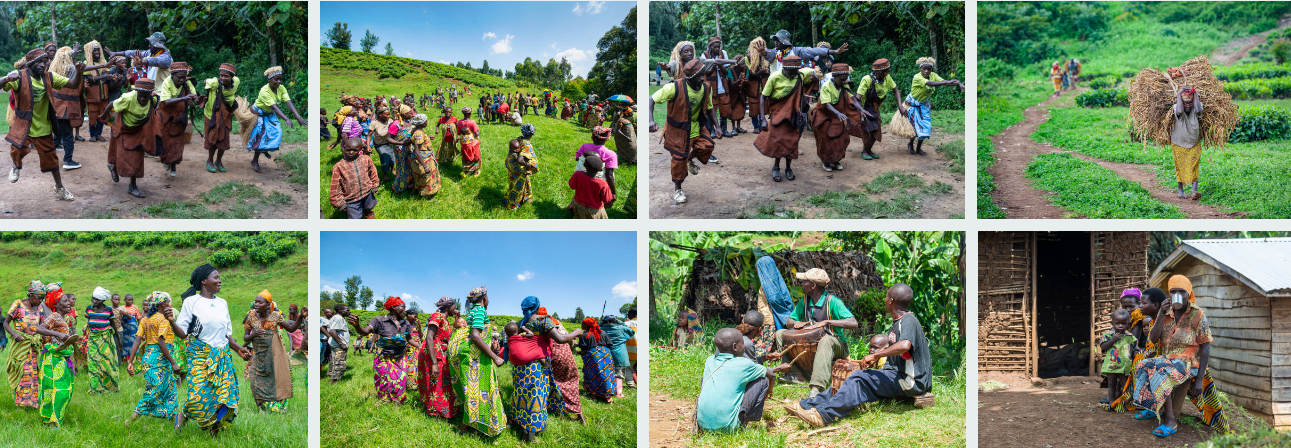
The local Batwa people, often referred to as the “keepers of the forest,” are one of Central Africa’s oldest indigenous communities. Traditionally, they lived as hunter-gatherers in the dense rainforests of Uganda, Rwanda, the Democratic Republic of Congo, and Burundi. Their deep knowledge of the forest, medicinal plants, and wildlife made them integral to their ecosystems.
However, their way of life was drastically altered when conservation efforts, such as the creation of national parks like Bwindi Impenetrable Forest and Mgahinga Gorilla National Park in Uganda, displaced them from their ancestral lands. Despite these challenges, the local Batwa people have preserved their cultural identity, offering visitors a rare glimpse into their traditions, music, dance, and survival skills.
Why Meeting the Local Batwa People Is a Transformative Experience
1. A Lesson in Resilience and Adaptation
The local Batwa people have faced immense hardships, from forced displacement to marginalization. Yet, their spirit remains unbroken. Meeting them allows you to witness firsthand how a community can adapt while holding onto its heritage. Their stories of survival inspire a deeper appreciation for human tenacity.
2. A Deep Connection to Nature
For centuries, the local Batwa people lived in harmony with the forest, relying on it for food, medicine, and shelter. Their knowledge of plants, animals, and sustainable living is unparalleled. Spending time with them teaches invaluable lessons about conservation and respecting the Earth.
3. Cultural Richness and Authentic Traditions
From their vibrant dances to their ancient hunting techniques, the local Batwa people offer a cultural experience unlike any other. Their music, storytelling, and craftsmanship reflect a deep spiritual connection to their ancestry. Engaging with them is a chance to step into a world untouched by modernity.
4. Supporting Sustainable Tourism
By choosing to visit the local Batwa people through ethical and community-based tourism, you contribute to their economic empowerment. Many Batwa-led initiatives now offer guided forest walks, cultural performances, and craft demonstrations, ensuring that tourism benefits them directly.
How to Ethically Meet the Local Batwa People
If you’re eager to meet the local Batwa people, it’s essential to do so respectfully and responsibly. Here’s how:
1. Visit Community-Based Tourism Projects
Organizations like the Batwa Cultural Experience in Uganda or the Batwa Trail in Mgahinga provide authentic interactions while ensuring that proceeds go directly to the community. These initiatives allow you to learn Batwa traditions, participate in their daily activities, and even join them in a mock hunting expedition.
2. Engage with Respect and Openness
Approach your visit with humility and a willingness to learn. The local Batwa people are sharing their heritage with you—listen to their stories, ask thoughtful questions, and honor their customs. Avoid treating the experience as mere entertainment; instead, see it as a cultural exchange.
3. Support Local Artisans
The local Batwa people are skilled craftsmen, creating beautiful baskets, jewelry, and tools. Purchasing their handmade goods not only supports their livelihood but also helps preserve their artistic traditions.
4. Advocate for Their Rights
Many Batwa communities still struggle for land rights and social inclusion. After meeting them, consider raising awareness about their plight or supporting NGOs that work toward their empowerment.
A Personal Journey: What It Feels Like to Meet the Local Batwa People
Imagine walking through a lush forest, guided by a Batwa elder who points out medicinal plants, demonstrates how to make fire without matches, and shares legends passed down through generations. You sit around a fire as the community sings and dances, their voices echoing the spirit of the wilderness.
Meeting the local Batwa people is not just a travel experience—it’s a soul-stirring encounter that stays with you forever. Their warmth, wisdom, and unwavering connection to nature remind us of what it means to live authentically.
The Gift of Connection
So, can you meet the local Batwa people? Absolutely. And when you do, you’ll walk away with more than just memories—you’ll carry a piece of their resilience, their harmony with nature, and their profound humanity.
In a world that often prioritizes progress over preservation, the local Batwa people stand as a testament to the enduring power of culture, community, and the natural world. Their story is not just theirs; it’s a lesson for all of us.
If you ever get the chance to meet them, take it. You won’t just be visiting a community—you’ll be embracing a way of life that has much to teach us about survival, joy, and the true meaning of home.
Gorilla Trekking in the Democratic Republic of Congo
The Democratic Republic of Congo (DRC) is home to two gorilla species found nowhere else together: mountain gorillas in Virunga National Park and eastern lowland gorillas (Grauer’s gorillas, Gorilla beringei graueri) in Kahuzi-Biega National Park. Both are UNESCO World Heritage Sites.
Virunga National Park — Africa’s oldest national park, established in 1925 — covers 7,900 km² of remarkable ecological diversity, from the volcanic peaks of the Virunga Massif to the glaciers of the Rwenzori Mountains and the tropical lowland forests of the Congo Basin. The park is also home to hippos, elephants, okapis, and the entire cast of Congo rainforest wildlife.
Eastern Lowland Gorillas — A Unique Encounter
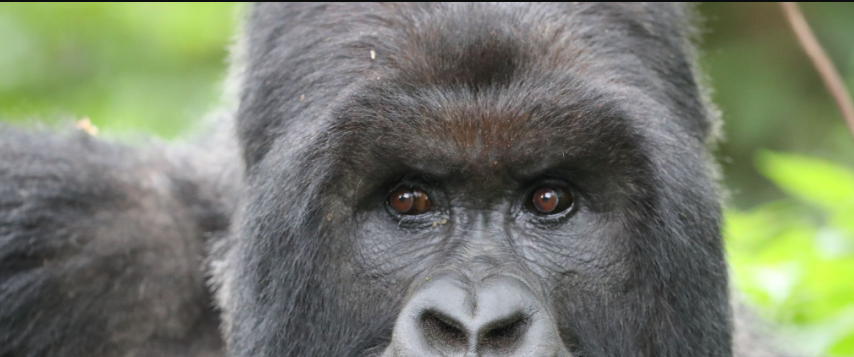
The eastern lowland gorilla (Grauer’s gorilla) is the world’s largest subspecies of gorilla, with silverbacks weighing up to 220kg. Found only in the DRC, Grauer’s gorillas are considerably rarer than mountain gorillas — their population has declined by more than 70% since the 1990s due to conflict, habitat loss, and poaching. Kahuzi-Biega National Park in South Kivu offers the only reliable trekking experience with habituated Grauer’s gorilla families.
A gorilla permit in the DRC costs USD 400 per person — significantly cheaper than Rwanda (USD 1,500) or Uganda (USD 800). The experience is raw, off-the-beaten-track, and unforgettable for travellers seeking something genuinely uncommon.
Practical Information for DRC Gorilla Trekking
Getting to Virunga and Kahuzi-Biega
The most common entry point to eastern DRC is via Kigali, Rwanda. Goma — the gateway to Virunga National Park — is just 80km from Kigali. Direct flights from Nairobi and Kampala also serve Goma. Bukavu (gateway to Kahuzi-Biega) is accessible from Goma by road (3–4 hours) or by light aircraft.
Is it safe to trek gorillas in the DRC?
Security in eastern DRC is complex and fluctuates. Virunga National Park and Kahuzi-Biega have experienced periods of closure due to armed group activity. Always check current security conditions with your tour operator and your government’s travel advisory before planning a DRC gorilla trek. Reputable operators with established local security networks are essential.
Recommended Tours: 8 Days Congo Gorillas & Nyiragongo Safari | 5 Days Lowland Gorilla Safari Congo