Uganda, often referred to as the “Pearl of Africa,” is a land of breathtaking landscapes, diverse wildlife, and unforgettable adventures. Among its many treasures, the opportunity to see chimpanzees in their natural habitat stands out as a life-changing experience. If you’ve ever wondered, “Can I see chimpanzees in Uganda?” the answer is a resounding yes—and it’s an adventure that will inspire, humble, and transform you.
Why Uganda is the Best Place to See Chimpanzees
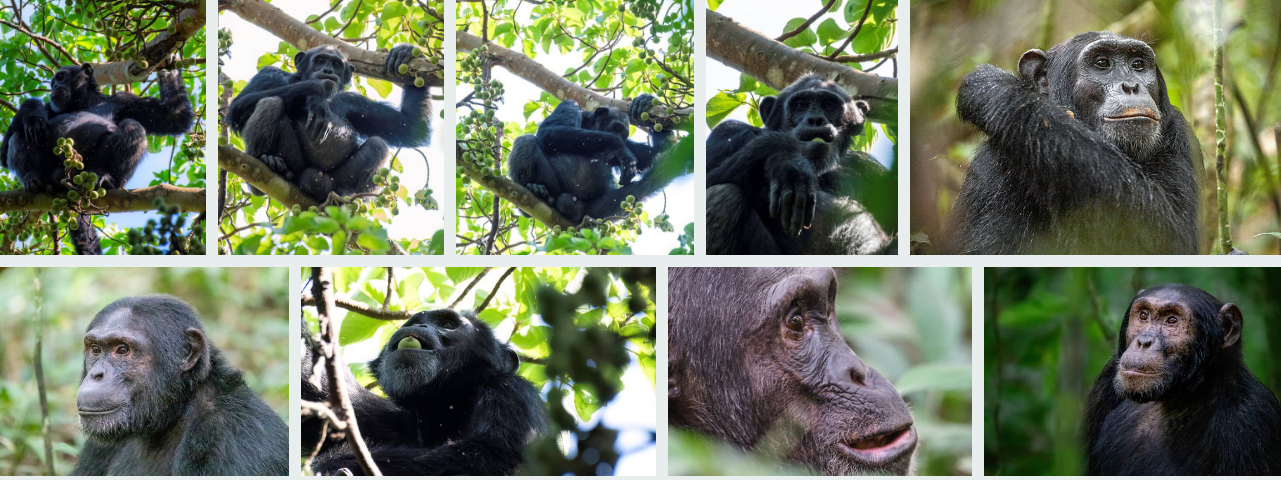
Uganda is home to nearly 5,000 chimpanzees, making it one of the best places in the world to observe these incredible primates. Unlike zoos or sanctuaries, seeing chimpanzees in the wild offers an unfiltered glimpse into their complex social structures, emotions, and behaviors—so much like our own.
Prime Locations to See Chimpanzees in Uganda
-
Kibale Forest National Park – Known as the “Primate Capital of the World,” Kibale boasts the highest concentration of chimpanzees in East Africa. A guided chimpanzee trek here offers a 90% chance of encountering these fascinating creatures.
-
Budongo Forest (Murchison Falls National Park) – A haven for researchers and wildlife lovers, Budongo is one of the oldest rainforests in East Africa, offering a serene setting to see chimpanzees.
-
Kyambura Gorge (Queen Elizabeth National Park) – Often called the “Valley of Apes,” this dramatic gorge is home to a habituated chimpanzee community, offering a thrilling trek through lush vegetation.
-
Ngamba Island Chimpanzee Sanctuary – For those who want a mix of conservation education and close encounters, this sanctuary on Lake Victoria rescues and rehabilitates orphaned chimps.
The Transformational Experience of Seeing Chimpanzees
To see chimpanzees in the wild is more than just a wildlife sighting—it’s a profound encounter that bridges the gap between humans and nature. Here’s why this experience is so powerful:
1. A Mirror to Our Humanity
Chimpanzees share 98.7% of our DNA, making them our closest living relatives. Watching them communicate, use tools, and nurture their young is like looking into a mirror of our own evolution. Their emotions—joy, grief, curiosity—are strikingly familiar, reminding us of our deep connection to the natural world.
2. A Lesson in Resilience and Community
Chimpanzees live in tight-knit communities with complex hierarchies. Observing their teamwork in hunting, conflict resolution, and care for the young teaches us about resilience, leadership, and the importance of community—lessons we can carry into our own lives.
3. A Call to Conservation
Seeing chimpanzees in Uganda is also a sobering reminder of the threats they face—habitat loss, poaching, and disease. Ecotourism plays a crucial role in their conservation, as park fees fund protection efforts and support local communities. By choosing to see chimpanzees responsibly, you become part of their survival story.
How to Prepare for a Chimpanzee Trekking Adventure
If you’re ready to embark on this life-changing journey, here’s how to make the most of it:
1. Book a Permit in Advance
Chimpanzee trekking permits are required and should be secured early through the Uganda Wildlife Authority (UWA) or a licensed tour operator. Permits typically cost between $150- $200, depending on the location.
2. Pack the Right Gear
-
Sturdy hiking boots (trails can be muddy and steep)
-
Long-sleeved clothing (to protect against insects and thorny plants)
-
Rain jacket (Uganda’s weather can be unpredictable)
-
Camera with a zoom lens (but no flash photography)
3. Follow Responsible Tourism Practices
-
Maintain a safe distance (at least 7 meters from the chimps)
-
Avoid direct eye contact (it can be perceived as a threat)
-
Keep noise levels low to avoid disturbing them
-
Never feed the chimpanzees
Inspiring Encounters: Stories from Those Who’ve Seen Chimpanzees
Many travelers describe their first encounter with wild chimpanzees as a spiritual experience. Jane Goodall, the world-renowned primatologist, once said:
“Chimpanzees have given me so much… The least I can do is speak out for them.”
Visitors often recount moments like hearing chimpanzees’ pant-hoots echo through the forest, watching a mother gently groom her baby, or witnessing playful juveniles swing from tree to tree. These moments stay with you forever, igniting a deeper appreciation for wildlife and our role in protecting it.
Beyond Chimpanzees: Other Wildlife Wonders in Uganda
While the chance to see chimpanzees is a major draw, Uganda offers so much more:
-
Mountain gorillas in Bwindi Impenetrable Forest
-
Tree-climbing lions in Ishasha
-
The Big Five in Murchison Falls and Queen Elizabeth National Parks
-
Over 1,000 bird species, making it a birder’s paradise
A Journey That Changes You
To see chimpanzees in Uganda is to witness the raw beauty of nature and our shared ancestry. It’s a reminder that we are not separate from the wild but deeply connected to it. This experience doesn’t just fill your camera roll—it fills your soul with wonder, purpose, and a renewed commitment to conservation.
So, can you see chimpanzees in Uganda? Absolutely. And when you do, you’ll leave with more than just memories—you’ll carry a piece of the forest in your heart forever.
Take the leap. Embark on the adventure. And let Uganda’s chimpanzees inspire you.
Chimpanzee Trekking in East Africa — Complete Guide
Chimpanzees (Pan troglodytes) are our closest living relatives, sharing approximately 98.7% of human DNA. Watching a habituated chimpanzee family in the wild — their complex social dynamics, tool use, and remarkable expressions — is one of the most intellectually and emotionally engaging wildlife experiences Africa has to offer.
East Africa’s premier chimpanzee destination is Kibale Forest National Park in western Uganda, home to over 1,500 chimpanzees — the highest density of primates in Africa. Rwanda’s Nyungwe Forest National Park offers another outstanding option within one of Africa’s largest montane rainforests.
Kibale Forest National Park — Uganda’s Chimpanzee Capital
Kibale Forest covers 776 km² of moist evergreen and semi-deciduous forest in the Rwenzori foothills of western Uganda. The park’s Kanyanchu tourism site is where chimpanzee trekking takes place, with several habituated communities accustomed to human observation.
A standard chimpanzee trekking permit in Kibale costs USD 250 per person and covers one hour with the chimps after tracking them through the forest. The Chimpanzee Habituation Experience (CHEX) costs USD 250 per person and runs from 6 AM to 6 PM, allowing a full day following a semi-habituated community — a far more intimate encounter. Permits are available through Uganda Wildlife Authority or licensed tour operators.
Beyond chimpanzees, Kibale is home to 12 other primate species including red-tailed monkeys, black-and-white colobus, grey-cheeked mangabeys, olive baboons, and the rare L’Hoest’s monkey. Over 375 bird species have been recorded, making it one of Uganda’s premier birding destinations.
Recommended Tours: 3 Days Chimpanzee Trekking in Kibale | 4 Days Kibale & Queen Elizabeth Safari