


Do I Need a Visa for Zanzibar?

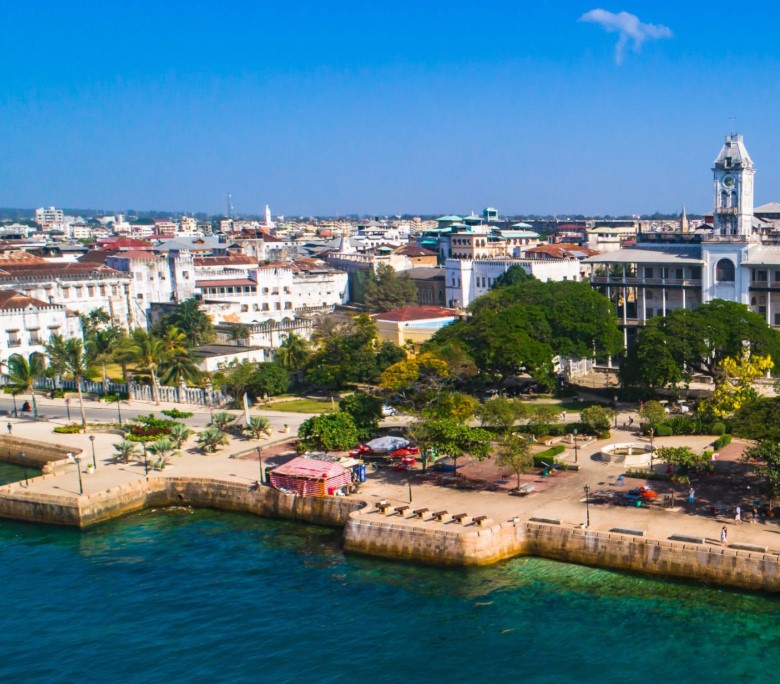
Zanzibar, the exotic jewel of the Indian Ocean, beckons with its pristine white sand beaches, turquoise waters, and the scent of cloves lingering in the air. This island, steeped in centuries of Swahili culture and Arab heritage, offers an irresistible blend of adventure, history, and serenity. Whether you’re planning to wander through the winding alleys of Stone Town, dive into the vibrant coral reefs, or unwind under palm trees with a cocktail in hand, Zanzibar is a dream worth chasing.
But before you set off for this tropical paradise, there’s one practical question that every traveler must answer do you need a visa for Zanzibar? The answer depends on your nationality, the length of your stay, and the purpose of your visit. Here’s everything you need to know to make your journey to Zanzibar seamless and stress-free.
Zanzibar: A Semi-Autonomous Region of Tanzania
First, it’s essential to understand that Zanzibar is part of Tanzania. Though it enjoys a semi-autonomous status with its own local government, all immigration policies and visa regulations fall under the laws of the United Republic of Tanzania. That means any visa requirements for Tanzania apply to Zanzibar as well.
Do You Need a Visa for Zanzibar?
For most travelers, the answer is yes you do need a visa to enter Zanzibar. However, Tanzania offers a variety of visa options, and many nationalities are eligible for a visa on arrival or an e-visa, making the process relatively simple.
1. Visa-Free Countries
Citizens of certain countries are allowed to enter Tanzania (and therefore Zanzibar) without a visa for stays of up to 90 days. These include, but are not limited to:
-
Kenya
-
Uganda
-
Rwanda
-
Burundi
-
Malawi
-
Namibia
-
Zambia
-
Zimbabwe
-
Hong Kong (SAR)
-
Singapore
-
Seychelles
If you’re from one of these visa-exempt countries, you can simply show up with your passport, which should be valid for at least six months, and walk right in without paying any visa fees.
2. Visa on Arrival
Tanzania offers a visa on arrival for many countries including the United States, United Kingdom, Canada, Australia, most EU countries, and others. This option is convenient if you didn’t apply for a visa in advance. Upon arrival at the airport in Zanzibar or any of the main points of entry into Tanzania, you can fill out a visa form and pay the visa fee in cash.
The visa on arrival is usually a single-entry tourist visa, valid for 90 days. As of the latest updates, the fee is approximately $50 USD for most nationalities. However, U.S. citizens pay $100 USD for a multiple-entry visa valid for one year.
Tip: Bring crisp U.S. dollar bills to avoid issues with worn or damaged currency.
3. Tanzania E-Visa (Recommended Option)
If you prefer to sort everything out before your trip, Tanzania also offers an e-visa system that is both convenient and efficient. You can apply online via the official Tanzania Immigration Department website.
Here’s what you’ll need:
-
A scanned copy of your passport
-
A recent passport-sized photograph
-
A return flight ticket
-
Proof of accommodation (hotel reservation or invitation letter)
The processing time usually takes 10 business days, but it’s wise to apply at least two to three weeks before your trip, especially during peak travel seasons. Once approved, your visa will be sent to your email, which you can print and present on arrival.
The e-visa also costs $50 USD for most travelers and $100 USD for U.S. citizens.
Special Visa Types
In addition to the standard tourist visa, Tanzania also offers other visa categories:
-
Business Visa: For those visiting Zanzibar for short-term business assignments, conferences, or meetings.
-
Transit Visa: If you’re transiting through Zanzibar for less than 7 days on your way to another destination.
-
Student Visa: For students attending academic programs or internships.
-
Volunteer Visa: For those joining humanitarian or volunteer projects.
Each visa type has specific requirements, so be sure to apply under the right category to avoid complications at immigration.
Passport and Entry Requirements
Regardless of your visa status, every traveler must ensure the following:
-
Your passport must be valid for at least six months from your date of arrival.
-
You must have at least two blank pages for visa stamps.
-
Proof of return or onward travel may be requested.
-
You may also be asked to show evidence of sufficient funds to cover your stay.
Yellow Fever Certificate: Do You Need One?
Another common travel concern is vaccination. If you’re traveling to Zanzibar from a country with risk of yellow fever transmission, you must present a valid Yellow Fever vaccination certificate upon arrival. This requirement also applies if you have transited for more than 12 hours in such a country.
Travelers from non-risk countries such as the U.S., Canada, or most of Europe do not need the certificate unless they’ve transited through a high-risk area.
Where Do You Get the Visa Upon Arrival?
If you opt for a visa on arrival, you can get it at:
-
Abeid Amani Karume International Airport (Zanzibar)
-
Julius Nyerere International Airport (Dar es Salaam)
-
Kilimanjaro International Airport (Moshi/Arusha)
-
Various land borders (Namanga, Rusumo, etc.)
On arrival, immigration officers will guide you through the process, but lines can be long during peak travel times. That’s another reason why applying for an e-visa in advance is often a more convenient choice.
Final Thoughts: Let Your Journey Begin
The bureaucratic steps to get to Zanzibar are not nearly as complicated as they might seem at first. Whether you’re applying for an e-visa online or getting one at the airport, the process is straightforward for most travelers. Just make sure to plan ahead, keep your documents in order, and stay updated with any travel advisories or changes in visa policy through the official Tanzania immigration website or your country’s foreign travel office.
Once you’re through the airport gates and your feet touch the warm white sands of Zanzibar, the effort you put into getting the visa will feel like a small formality. From the rhythmic drumming of Swahili taarab music echoing through Stone Town to the peaceful silence of a sunset over Kendwa Beach, Zanzibar will wrap you in a world that feels both ancient and alive.
So pack your bags, check your passport, and get your visa sorted. Zanzibar is waiting and it’s more than worth the trip.
Top Things to Do in Zanzibar
Zanzibar offers far more than white-sand beaches and turquoise waters – though those alone would be reason enough to visit. The island is a rich tapestry of Swahili culture, colonial history, spice plantations, and extraordinary marine life.
- Explore Stone Town: A UNESCO World Heritage Site, Stone Town is a labyrinth of narrow streets, carved wooden doors, bustling markets, and centuries-old Arab, Indian, and European architecture. Don’t miss the House of Wonders, the Old Fort, and the Darajani Market.
- Visit a spice farm: Zanzibar earned its name as the “Spice Island” for good reason. A guided spice farm tour introduces you to cloves, vanilla, cinnamon, cardamom, black pepper, and turmeric growing in their natural environment.
- Snorkel or dive: The waters around Zanzibar are home to colourful coral reefs, sea turtles, dolphins, whale sharks, and over 500 fish species. Mnemba Atoll is one of East Africa’s premier dive sites.
- Watch dolphins in Kizimkazi: The shallow, sheltered waters of Kizimkazi on the south coast are home to pods of bottlenose and spinner dolphins. Early morning boat trips offer a good chance of seeing them.
- Relax on Nungwi or Kendwa Beach: The north coast beaches at Nungwi and Kendwa have calm, clear water (unaffected by tides) and a lively beach bar atmosphere. Perfect for swimming, sunset drinks, and beach volleyball.
- Visit Prison Island: A short boat ride from Stone Town, Prison Island (Changuu Island) was once used to quarantine yellow fever patients. Today it is home to a colony of giant Aldabra tortoises, some over 100 years old.
Recommended Tours: 6 Days Tanzania Wildlife Safari | 5 Days Ngorongoro & Serengeti Safari













