Ultimate Serengeti Safari Guide for Wildlife Lovers
The Serengeti is not just a destination; it is an idea, a living symbol of untamed Africa and one of the last great wildlife strongholds on Earth. For wildlife lovers, the name alone evokes images of endless golden plains, thundering hooves, stealthy predators, and dramatic skies that seem to stretch forever. A safari in the Serengeti is not about rushing from sighting to sighting. It is about immersion, patience, understanding nature’s rhythms, and feeling part of a landscape that has remained largely unchanged for thousands of years.
Located in northern Tanzania, the Serengeti National Park covers an immense area of savannah, woodland, and riverine ecosystems. Its scale, biodiversity, and ecological integrity make it one of the most important conservation areas in the world. For first-time visitors and seasoned safari enthusiasts alike, the Serengeti delivers experiences that are raw, emotional, and deeply memorable.
This guide is written for wildlife lovers who want more than surface-level travel advice. It explores what makes the Serengeti exceptional, how to experience it fully, and why it remains one of the greatest safari destinations on the planet.
Understanding the Serengeti Ecosystem
The Serengeti is often described as endless, and that description is not poetic exaggeration. The name itself comes from the Maasai word Siringet, meaning “the place where the land runs on forever.” This vastness is central to the Serengeti’s magic. The park is part of a larger ecosystem that extends into Kenya’s Maasai Mara, forming a transboundary wildlife corridor that supports one of the most complex and awe-inspiring natural systems on Earth.
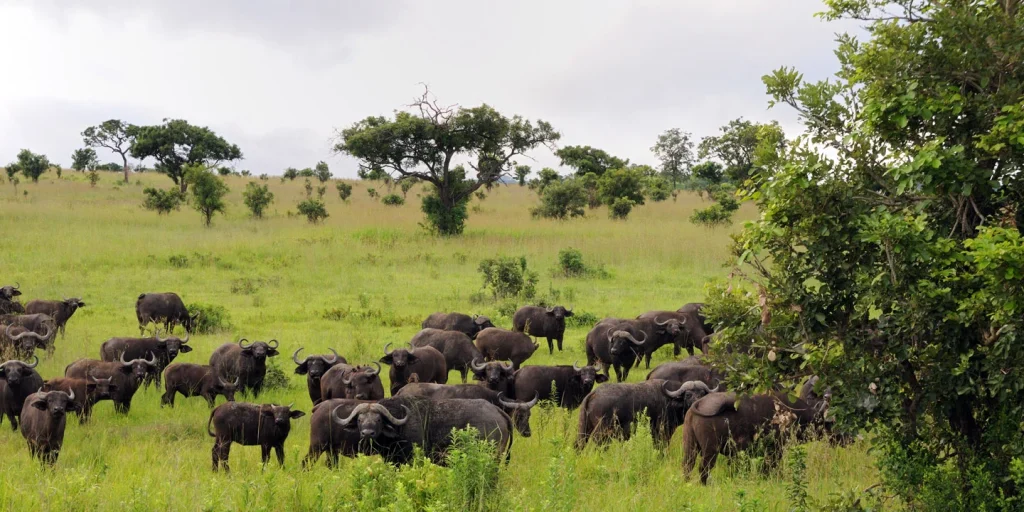
What makes the Serengeti truly special is its intact predator-prey relationship. Unlike many parks where wildlife populations are fragmented, the Serengeti allows animals to move freely according to rainfall, grazing patterns, and instinct. This freedom sustains healthy populations of lions, leopards, cheetahs, elephants, buffaloes, and rhinoceros, alongside countless other species.
The landscape itself is diverse. Open plains dominate the south, dotted with granite kopjes that serve as lookout points for predators. Central regions feature mixed savannah and river systems, while the western corridor follows the Grumeti River, and the north becomes greener and hillier near the Kenyan border. Each area offers a different wildlife experience, shaped by water availability and seasonal change.
The Great Migration and the Rhythm of Life
For many wildlife lovers, the Serengeti is synonymous with the Great Migration. This annual movement of over a million wildebeest, accompanied by hundreds of thousands of zebras and gazelles, is not a single event but a continuous cycle driven by rain and grass growth.
The migration is about survival rather than spectacle, although the visual drama is undeniable. Calving season in the southern Serengeti brings thousands of newborns into the world within a short time, attracting predators and creating intense wildlife interactions. As the dry season progresses, herds move north and west, crossing crocodile-filled rivers and navigating vast, open plains under relentless sun.
What makes the Serengeti exceptional is that the migration unfolds entirely within a protected ecosystem. There are no fences to disrupt ancient routes, allowing wildlife behavior to remain natural and unforced. Even outside peak migration months, resident animals ensure that the Serengeti remains one of the richest wildlife destinations in Africa.
Predator Capital of Africa
The Serengeti is widely regarded as one of the best places on the continent to observe predators. Lions dominate the landscape, and their social behavior is often visible throughout the day. Prides rest on kopjes, coordinate hunts across the plains, and raise cubs in complex family structures that captivate observers.
Cheetahs thrive in the Serengeti’s open spaces, where their speed and precision are perfectly suited to the terrain. Morning game drives sometimes reveal dramatic chases that end as quickly as they begin. Leopards, more elusive by nature, inhabit riverine forests and woodland edges, rewarding patient visitors with unforgettable sightings.
Hyenas, often misunderstood, play a vital role in the Serengeti ecosystem. Highly intelligent and socially complex, they are both skilled hunters and efficient scavengers. Observing their interactions offers a deeper understanding of predator dynamics beyond the big cats.
Experiencing the Big Five in the Serengeti
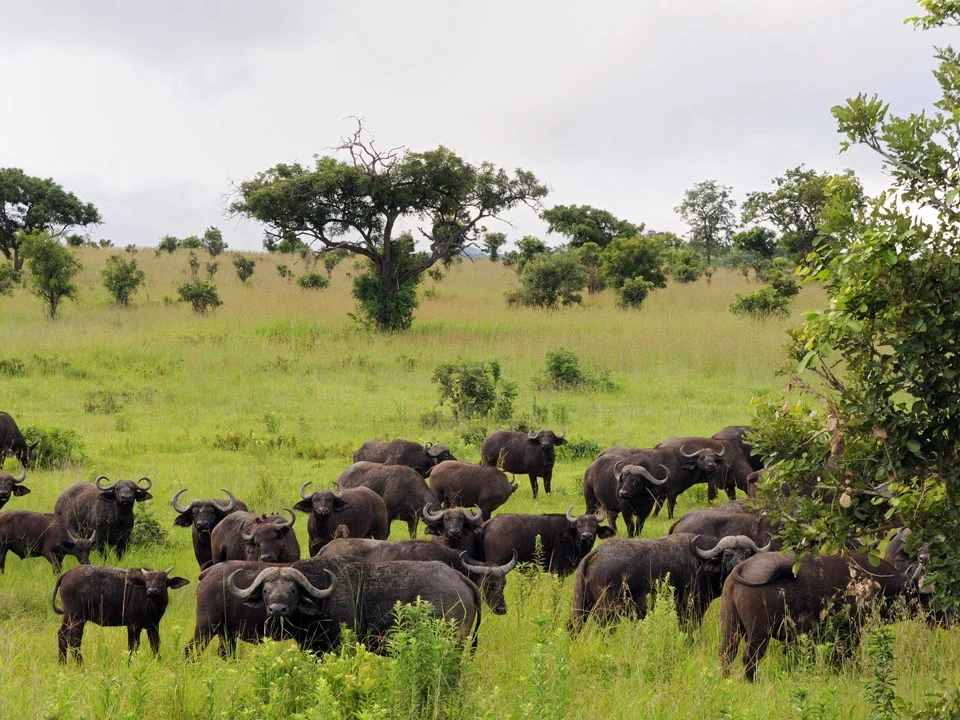
For many wildlife lovers, seeing the Big Five is a lifelong dream, and the Serengeti offers genuine opportunities to encounter them in their natural environment. Lions, elephants, and buffaloes are commonly seen, while leopards require attentive guiding and a measure of luck. Rhinoceros are rare due to past poaching pressures, but ongoing conservation efforts continue to protect the remaining population within carefully monitored zones.
What elevates the Serengeti experience is the authenticity of these encounters. Animals are not staged or predictable. Each sighting feels earned, shaped by tracking skills, patience, and the ever-changing conditions of the wild.
Best Time to Visit for Wildlife Enthusiasts
There is no single perfect time to visit the Serengeti. Each season offers a different perspective on the ecosystem. During the dry months, animals congregate around water sources, making wildlife viewing more concentrated and predictable. Vegetation thins, allowing clearer visibility across the plains.
In the greener months, the landscape transforms. Fresh grass attracts herbivores, birdlife flourishes, and dramatic skies enhance the sense of wilderness. Calving season brings renewal and vulnerability, creating powerful wildlife moments that resonate deeply with nature lovers.
For those who value depth over spectacle, spending time in one region across several days often proves more rewarding than chasing highlights across the park.
Ways to Explore the Serengeti
The way you experience the Serengeti shapes your connection to it. game drives remain the foundation of most safaris, allowing exploration across vast distances with experienced guides who interpret animal behavior and environmental signs.
Longer stays encourage observation rather than accumulation. Watching the same pride of lions over several days reveals social hierarchies, hunting strategies, and subtle interactions that brief encounters miss. Mobile camps that follow wildlife movements offer intimacy with the landscape, while permanent lodges provide comfort and stability in prime locations.
Each approach offers a different relationship with the Serengeti, and the best choice depends on how deeply you wish to engage with the wild.
The Human Presence and Cultural Context
Although the Serengeti is often portrayed as untouched wilderness, it exists within a broader human story. Indigenous communities have lived alongside wildlife in the surrounding regions for generations, shaping cultural practices that respect and understand animal behavior.
Recognizing this connection adds depth to the safari experience. The Serengeti is not isolated from humanity but part of a long narrative about coexistence, stewardship, and balance.
Conservation and Responsible Safari Travel
For wildlife lovers, visiting the Serengeti carries responsibility. Tourism supports conservation initiatives, anti-poaching efforts, and community development when managed ethically. Respecting wildlife, following guide instructions, and choosing responsible operators help ensure the Serengeti remains protected.
Challenges such as climate change, habitat pressure, and population growth make conservation more important than ever. Responsible travel becomes a meaningful way to contribute to the survival of this extraordinary ecosystem.
The Lasting Impact of a Serengeti Safari
Many visitors leave the Serengeti changed. The vastness of the landscape, the immediacy of life and death, and the silence between moments create a powerful sense of perspective. For wildlife lovers, the Serengeti is not just exciting; it is humbling.
Witnessing animals living entirely by instinct reconnects people to nature in a way few places can. It reminds us that we are observers in a world far older and more complex than ourselves.
Why the Serengeti Remains Unmatched
The Serengeti endures because it is authentic. It offers wildlife in its true context, shaped by seasons, survival, and ancient rhythms rather than schedules or guarantees. Every day brings something different, guided by chance and natural law.
For wildlife lovers seeking depth, meaning, and genuine connection, the Serengeti is not simply a destination to tick off a list. It is a place that leaves an imprint, inviting return visits and lifelong reflection on the value of the wild.