
Minimizing Environmental Impact While Traveling
Traveling Responsibly in a Fragile World
Travel is one of life’s most enriching experiences. It opens our eyes to new cultures, landscapes, and ways of life. However, as global tourism continues to grow, so does its impact on the environment. From carbon emissions and plastic pollution to water shortages and wildlife disturbance, travel can place significant pressure on the very places people long to explore.

Minimizing environmental impact while traveling is about making conscious, responsible choices that protect destinations for future generations. Sustainable travel does not mean sacrificing comfort or enjoyment—it means traveling with awareness, respect, and purpose.
Understanding the Environmental Impact of Travel
Every journey leaves a footprint. Flights contribute to greenhouse gas emissions, hotels consume water and energy, and tourism activities can disrupt ecosystems if not managed carefully. Even everyday actions, such as excessive laundry or improper waste disposal, can have long-term effects in sensitive environments.
By understanding how travel affects the planet, travelers can make smarter decisions that reduce harm and promote conservation. The goal is not zero impact, but reduced and more responsible impact.
Choosing More Sustainable Transportation
Transportation is often the largest contributor to a traveler’s environmental footprint. While flying may be unavoidable for long-distance trips, choices still matter.
Selecting direct flights reduces fuel consumption compared to multiple connections. For shorter distances, trains, buses, or shared transport are far more environmentally friendly and often provide a deeper connection to local life. Once at a destination, walking and cycling are ideal low-impact ways to explore while also enhancing the travel experience.
When car travel is necessary, fuel-efficient or hybrid vehicles help minimize emissions without limiting mobility.
Staying in Eco-Conscious Accommodation
Accommodation choices play a major role in sustainable travel. Eco-conscious hotels and lodges are designed to reduce environmental strain through renewable energy use, water conservation systems, and waste management programs.
Many responsible properties also support local communities by employing local staff, sourcing food nearby, and investing in conservation or social projects. Staying in such accommodation ensures that tourism revenue benefits both people and the environment.
Travelers can look for clear sustainability practices rather than vague “eco” claims when choosing where to stay.
Reducing Plastic and Waste While Traveling
Plastic waste is one of the most visible environmental problems linked to tourism. In many destinations, waste management systems are limited, causing plastic to end up in oceans, rivers, and wildlife habitats.
Travelers can significantly reduce waste by carrying reusable water bottles, refillable toiletries, reusable shopping bags, and cutlery. Avoiding single-use plastics and excessive packaging helps prevent unnecessary pollution.
Equally important is disposing of waste responsibly and carrying trash out of natural areas when proper facilities are unavailable.
Conserving Water and Energy on the Road
In many regions, especially in developing or arid areas, water and electricity are scarce resources shared with local communities. Mindful use is essential.
Simple habits such as taking shorter showers, reusing towels, turning off lights, and limiting air-conditioning use all contribute to conservation. These actions show respect for local resources and reduce the environmental strain caused by tourism.
Respecting Wildlife and Natural Environments
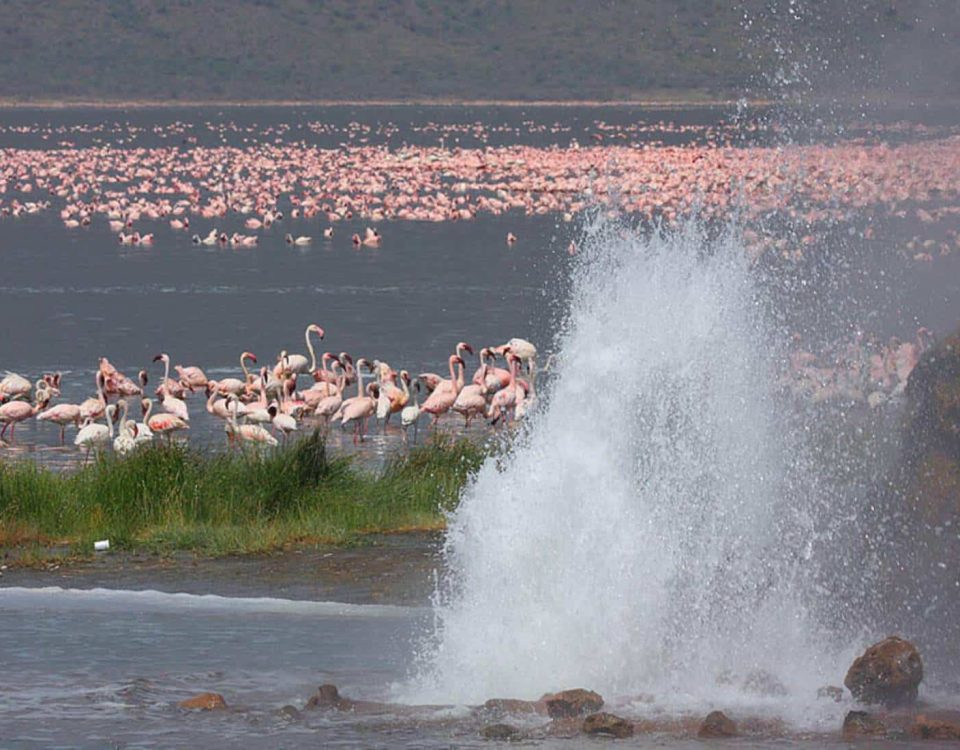
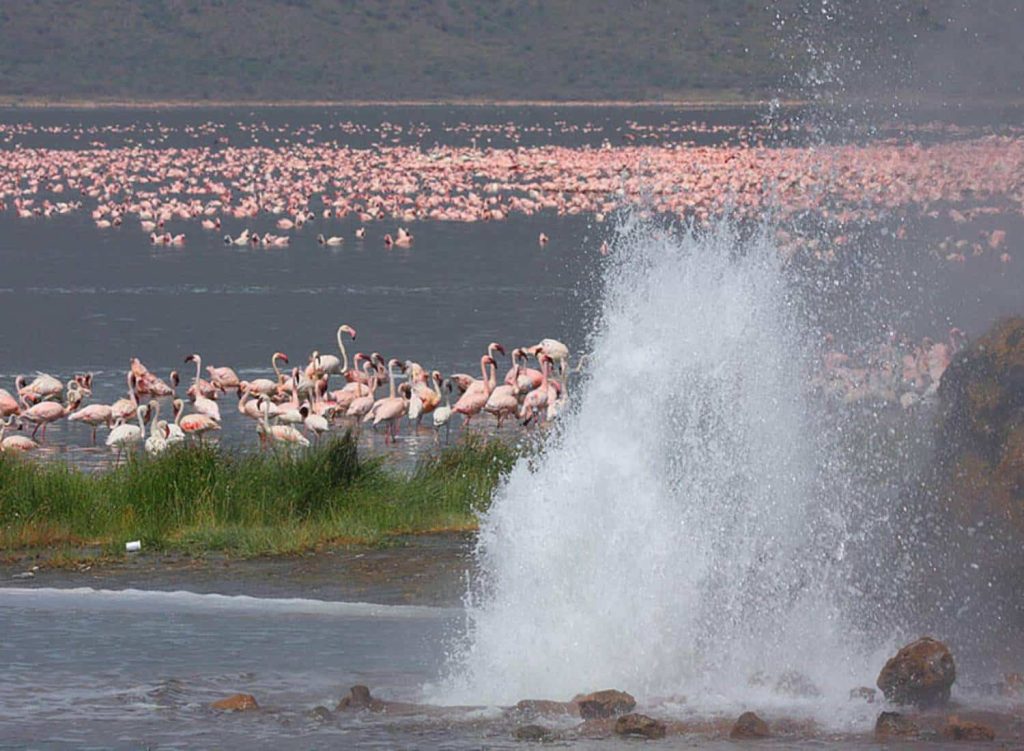
Nature is often the main reason people travel, yet it is also the most vulnerable. Responsible travelers observe wildlife without interfering, feeding animals, or approaching too closely.
Staying on marked paths protects vegetation and prevents erosion, while following park rules helps safeguard ecosystems. Choosing ethical wildlife experiences that prioritize conservation ensures tourism supports protection rather than exploitation.
Supporting Local Communities Sustainably
Environmental sustainability is closely connected to community well-being. When travelers support local businesses, guides, and artisans, tourism income stays within the community and reduces reliance on environmentally harmful activities.
Eating at local restaurants, buying handmade crafts, and using community-based services lower the carbon footprint of imported goods and help preserve cultural traditions. Sustainable livelihoods encourage communities to protect their natural surroundings.
Making Environmentally Conscious Food Choices
Food choices have a significant environmental impact. Locally sourced and seasonal foods require less transportation and fewer resources to produce.
Trying regional cuisine supports local farmers and reduces dependence on imported goods. Reducing meat consumption, even occasionally, can also lower environmental impact while traveling, especially in destinations where resources are limited.
Embracing Slow and Meaningful Travel
Fast-paced travel often increases emissions and waste due to frequent transportation and short stays. Slow travel—spending more time in fewer places—reduces environmental impact and creates deeper connections with destinations.
Longer stays allow travelers to engage more meaningfully with local cultures, reduce their daily carbon footprint, and enjoy richer, more authentic experiences.
Offsetting Unavoidable Environmental Impact
Some environmental impact is unavoidable, particularly from long-haul flights. Carbon offset programs can help balance emissions by supporting renewable energy, conservation, or reforestation projects.
While offsets should not replace efforts to reduce impact, they are a useful way to take responsibility for unavoidable emissions when chosen carefully and transparently.
Leaving No Trace Behind
One of the most important principles of responsible travel is leaving places as you found them—or better. Natural souvenirs such as shells, plants, or rocks should remain in nature.
Photographs, memories, and stories are the most sustainable souvenirs. By leaving landscapes untouched, travelers help ensure future visitors can experience the same beauty and wonder.
Traveling Today, Protecting Tomorrow
Minimizing environmental impact while traveling is about thoughtful choices and everyday actions. How you move, where you stay, what you consume, and how you behave all shape tourism’s effect on the planet.
Responsible travel enhances the journey rather than limiting it. It fosters deeper connections, supports conservation, and protects the places that make travel extraordinary. By traveling with care today, you help ensure that the world remains vibrant, diverse, and inspiring for generations to come.
Recommended Tours: 4 Days Bwindi Gorilla Trekking Safari | 8 Days Kenya Wildlife Safari