

Crowne Plaza Nairobi Airport Hotel
January 24, 2026
Tamarind Tree Hotel
January 24, 2026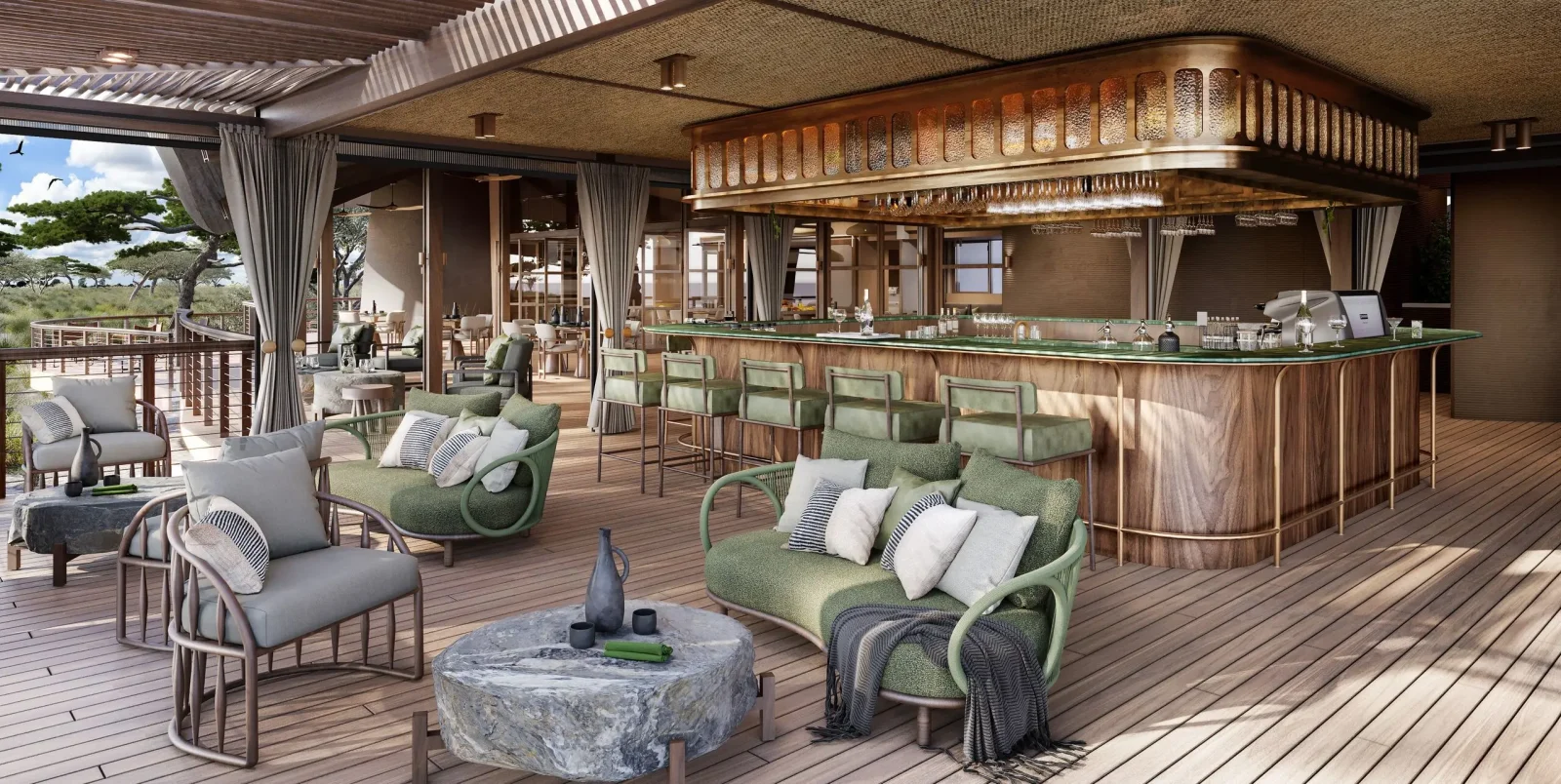
Kitirua Plains Lodge is a small lodge on private conservancy land bordering Amboseli National Park, one of Kenya’s most photographed parks thanks to its combination of large elephant herds and clear views of Mount Kilimanjaro rising just across the border in Tanzania.
Location & Setting
Sitting on conservancy land rather than inside the national park itself, Kitirua offers a quieter alternative to Amboseli’s central swamp areas, which can draw significant vehicle traffic during peak season. The conservancy’s open plains still deliver Kilimanjaro views on clear days, along with regular sightings of Amboseli’s famously large-tusked elephant population, for which the park has a particular reputation among East African reserves.
Wildlife & Activities
Because conservancy land isn’t bound by the same restrictions as the national park, activities here typically include walking safaris and night drives alongside standard game drives — none of which are permitted inside Amboseli itself. Elephant sightings are the main draw, with Amboseli’s population known for both its size and its unusually large tusks, alongside lion, buffalo, and a wide range of plains game.
Food & Drink
As a small lodge, dining is generally centered on a single restaurant or dining area serving a set menu built around Kenyan and international dishes, adjusted for dietary needs with advance notice. Sundowner drinks, often positioned to take in the Kilimanjaro view at sunset, are a standard part of the evening at a Amboseli-area property.
Rooms & Cottages
Accommodation is generally in a small number of rooms or cottages rather than a large room block, in keeping with the lodge’s small-scale, conservancy-based positioning. Exact room count and configuration are best confirmed directly with the property, as small conservancy lodges periodically adjust capacity.
Best Time to Visit
Kilimanjaro is most reliably visible in the early morning before cloud builds up later in the day, and the dry months from June through October generally offer both the clearest mountain views and the most concentrated wildlife around Amboseli’s remaining water sources.
Who It Suits
Kitirua suits travelers who want Amboseli’s signature elephant-and-Kilimanjaro scenery without the vehicle density that can build up in the park’s central areas, along with those interested in the walking and night-drive activities conservancy land allows.
Budget & Positioning
As a small conservancy lodge rather than a large park-based hotel, Kitirua generally sits in the mid-range to upper-mid segment of the Amboseli market. Current rates are best obtained directly from the property or a specialist safari operator given seasonal variation.
Combining With a Wider Itinerary
Amboseli sits within reach of both Nairobi and the Tsavo parks further southeast, making it a natural addition to a shorter Kenya circuit built around the capital, or a longer trip that also takes in the Masai Mara further west. Its relatively short flight time from Nairobi, generally under an hour by light aircraft, makes it one of the more time-efficient parks to add to an itinerary without sacrificing a full day to transfers.
Photography Considerations
Amboseli’s combination of open plains, large elephant herds, and a backdrop mountain is one of the more photographed wildlife scenes in Africa, and conservancy-based lodges like Kitirua, with their lower vehicle density, generally offer more room to position for a clean shot without other vehicles in frame — a genuine practical advantage for travelers prioritizing photography over simply ticking off a sighting list. Early morning, when both the light and the odds of a clear Kilimanjaro view are best, is generally considered the prime window for photography here.
The Amboseli Ecosystem
Amboseli’s ecosystem is unusual within Kenya for how much its landscape shifts with the seasons — the park’s central swamps, fed by underground water originating from Kilimanjaro’s snowmelt rather than local rainfall, stay green and support concentrated wildlife even through the dry season when surrounding areas turn to dust. That reliable water source is part of why Amboseli holds such a dense, visible elephant population and why sightings here tend to be more predictable than in ecosystems more dependent on seasonal rainfall. Conservancy land bordering the park, including where Kitirua sits, extends this same ecosystem outward, giving wildlife more room to range beyond the park’s official boundary while still remaining within reach of guided activities.
Cultural Context
The conservancies surrounding Amboseli are generally Maasai-owned or Maasai-leased land, and stays at conservancy lodges like Kitirua often include the option of a visit to a nearby Maasai village, giving guests direct exposure to the community whose land-leasing arrangement underpins the conservancy model in the first place, and a clearer picture of how tourism revenue connects to daily life in the area beyond the wildlife-viewing itself.
Practical Notes
Amboseli is reached either by light aircraft from Nairobi, typically under an hour’s flight, or by road, which takes considerably longer given the distance and road conditions south of Nairobi toward the Tanzania border area. Dust can be significant during the dry season given the park’s generally arid terrain, so packing a scarf or buff for game drives and protecting camera equipment accordingly is worth planning for. As with the rest of Kenya, malaria prophylaxis and standard travel health precautions are advisable ahead of the trip.