


Ishara Mara
January 24, 2026
Arijiju Retreat
January 24, 2026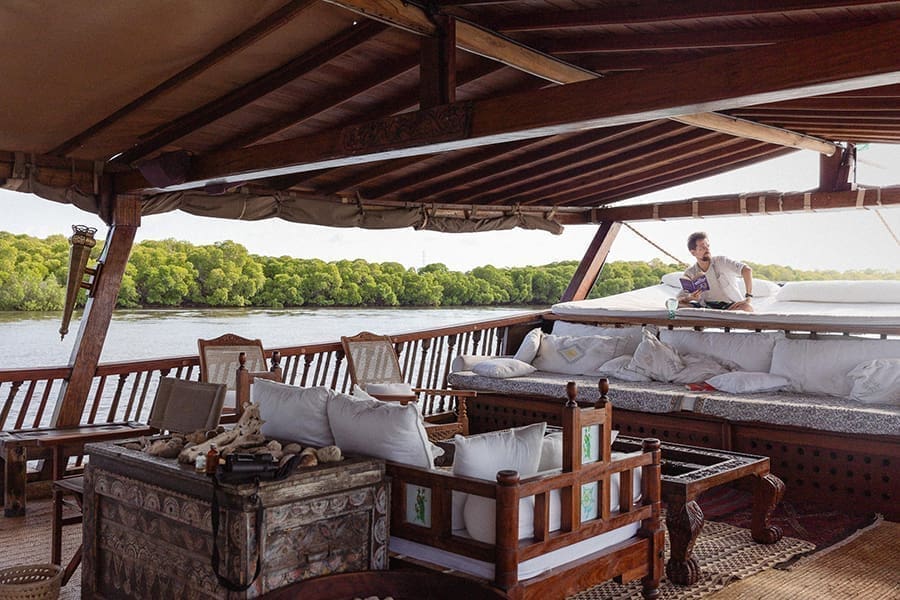
NaiSabah Dhow is a traditional dhow-based accommodation experience off Kenya’s coast, built around the idea of sleeping aboard a converted sailing vessel rather than in a fixed beachfront building, offering a genuinely different kind of coastal stay from a conventional resort.
What a Dhow Is
A dhow is a traditional sailing vessel long used along the East African and Indian Ocean coastline for trade, fishing, and transport, recognizable by its distinctive triangular lateen sail. Converting one into overnight accommodation is a niche approach within Kenya’s coastal tourism industry, trading the fixed infrastructure of a beach hotel for a genuinely mobile base that can reposition along the coast depending on where the day’s sailing, snorkeling, or fishing takes guests.
What a Stay Looks Like
Days typically combine sailing with water-based activities — snorkeling over coral reefs, fishing, or simply time on deck watching the coastline pass by — a slower, more nautical pace than a land-based beach resort offers. Nights are spent aboard, with the vessel usually anchored in a sheltered location rather than continuing to sail after dark.
Food & Drink
Meals aboard typically draw on fresh, often locally caught seafood alongside Kenyan coastal dishes influenced by the region’s Swahili culinary tradition, prepared in a compact onboard galley rather than a full hotel kitchen. The experience leans into the coastal, nautical setting rather than offering an extensive international menu, which is generally part of the appeal for guests choosing this over a conventional resort.
Rooms & Cabins
Accommodation is in cabins aboard the dhow itself rather than land-based rooms or cottages, generally more compact than a hotel room given the vessel’s size, though typically fitted with proper bedding and basic en-suite facilities. Exact cabin count and configuration are best confirmed directly with the operator, as capacity is inherently limited by the vessel’s size.
Who It Suits
It suits travelers looking for a genuinely different coastal experience from a standard beach hotel, particularly those extending an inland safari with a distinctive, activity-focused few days on the water rather than pure beach relaxation.
Best Time to Visit
Kenya’s coast is generally warm year-round, with the calmer sailing conditions and clearer water for snorkeling typically found outside the long-rains period from roughly April through June.
Budget & Positioning
As a niche, small-capacity experience rather than a large resort, NaiSabah Dhow typically sits in the mid-range to upper-mid segment of Kenya’s coastal offerings, priced for the novelty and activity focus of the experience rather than resort-scale amenities. Current rates and availability are best confirmed directly with the operator given the vessel’s limited capacity.
Marine Environment
Kenya’s coastline is fringed by coral reef systems that support a wide range of marine life, and sailing aboard a traditional dhow gives access to snorkeling and diving sites that may be less accessible or more crowded when reached by conventional day-trip boats operating out of the main coastal resort towns. Depending on the specific route and season, sightings can include a wide range of reef fish, and in some areas dolphins, making the marine wildlife component a genuine complement to the sailing experience itself rather than an afterthought.
Cultural & Historical Context
The dhow has a centuries-long history along the Swahili coast, historically used for trade routes connecting East Africa with the Arabian Peninsula, India, and beyond, carrying goods including spices, textiles, and ivory long before motorized shipping took over most commercial coastal trade. Sailing aboard a dhow today, even one converted for tourism rather than commercial use, connects guests to that maritime history in a way a modern powerboat or resort catamaran doesn’t replicate, and crew often share this history as part of the onboard experience.
Combining With a Wider Itinerary
NaiSabah Dhow works well as a coastal add-on to an inland Kenya safari itinerary, typically reached via a domestic flight from Nairobi to Mombasa or a coastal airstrip followed by a transfer to the dhow’s embarkation point. It suits travelers who want a genuinely different final chapter to a Kenya trip — trading the bush for the ocean — rather than a standard beach resort stay that simply relocates the hotel experience to a different setting.
Practical Notes
Given the vessel-based format, capacity is inherently limited compared to a land-based hotel, so advance booking is generally advisable, particularly around peak coastal travel periods from roughly December through March and July through August. Sun protection is a more significant consideration aboard a dhow than at a shaded beach resort, given extended time on deck, and reef-safe sunscreen is generally recommended given the coral ecosystems the experience is built around visiting. As with the rest of coastal Kenya, standard travel health precautions apply, and travelers prone to seasickness should factor in the vessel’s motion when deciding on this experience over a land-based coastal stay.