Home / About us

About us

At East Africa Gorilla Safaris, we are passionate about connecting travelers with the extraordinary wildlife and natural wonders of East Africa. Specializing in immersive gorilla and wildlife safari experiences across Uganda, Rwanda, and the Democratic Republic of Congo, we create journeys that are as inspiring as they are unforgettable. Our mission is to provide ethically responsible, expertly guided safaris that allow travelers to experience the magic of Africa’s forests, savannahs, and cultural heritage while supporting conservation and local communities.

About us: East Africa Gorilla Safaris

Where to Go Gorilla Trekking

Gorilla trekking is limited to a few protected regions in East Africa where mountain gorillas thrive:

Uganda: Bwindi Impenetrable National Park and Mgahinga Gorilla National Park are home to nearly half of the world’s mountain gorillas. Bwindi offers multiple trekking sectors with varying difficulty levels, while Mgahinga is smaller and less crowded, perfect for a more intimate experience.

Rwanda: Volcanoes National Park is Rwanda’s premier gorilla trekking destination, featuring well-maintained trails and shorter trekking distances. Rwanda offers high success rates for sightings and is known for luxury trekking lodges.

Democratic Republic of Congo: Virunga National Park is home to adventurous treks in remote and pristine habitats. Treks in Congo are more challenging but provide a raw wilderness experience.

Each location offers unique scenery, forest ecosystems, and trekking conditions, making them appealing to different types of travelers.

How to Secure Gorilla Trekking Permits

Gorilla trekking permits are required for entry into national parks and are strictly limited to protect the gorilla populations. Permits are typically valid for one trekking session per visitor per day. It is essential to book permits in advance, especially during peak travel seasons (June to September and December to February). The permit fees contribute directly to conservation efforts, ranger salaries, and community development, supporting sustainable tourism in the region.

Physical Preparation and Fitness

Gorilla trekking can range from moderate to strenuous, depending on the terrain and the gorillas’ location. Treks often involve hiking through dense forest, muddy paths, and steep inclines for anywhere between one to six hours. Travelers should:

Wear comfortable, breathable, and neutral-colored clothing

Use sturdy hiking boots with good grip

Bring waterproof jackets and gloves, especially during rainy seasons

Carry trekking poles if needed for stability

Pack water, snacks, insect repellent, and a basic first-aid kit

Porters are often available to assist with luggage and provide support during challenging sections of the trek.

What to Expect During the Trek

A typical gorilla trekking day begins with an early morning briefing by park rangers. Small groups are then guided into the forest along established trails. Expert trackers lead the way, locating gorilla families by following tracks, vocalizations, and feeding signs.

Once the gorillas are located, visitors spend up to one hour observing the family. This hour is a unique opportunity to witness the silverback’s leadership, mothers with infants, and playful juveniles. Photography is allowed but flash and sudden movements are prohibited to avoid disturbing the gorillas.

The experience is both physically and emotionally intense. Trekking through the forest challenges stamina, while the close encounter with gorillas leaves a lasting impression, fostering respect for wildlife and conservation.

Tips for a Memorable Gorilla Trek

Book early: Permits sell out quickly, so plan months in advance.

Travel light: Limit your pack to essentials for ease of movement.

Respect rules: Maintain distance, stay quiet, and follow ranger instructions.

Capture memories thoughtfully: Use cameras without flash and avoid excessive noise.

Engage with guides: Rangers provide valuable insight into gorilla behavior, forest ecology, and conservation efforts.

Conservation Impact of Gorilla Trekking

Gorilla trekking is a critical component of conservation in East Africa. Permit fees fund anti-poaching patrols, veterinary interventions, habitat restoration, and community development projects. Responsible tourism ensures gorilla populations remain protected while local communities benefit economically, creating a sustainable model for wildlife preservation.

Beyond the Trek

Many gorilla trekking itineraries combine forest trekking with other safari experiences, such as game drives in savannah parks, cultural visits to local communities, or birdwatching excursions. Lodges near trekking sites provide comfort, local cuisine, and education on conservation initiatives, enhancing the overall safari experience.

Why Gorilla Trekking is Unforgettable

Gorilla trekking is more than a wildlife encounter; it is an emotional, educational, and transformative journey. From navigating dense forest trails to sharing a quiet hour with one of the planet’s most majestic creatures, every aspect of the trek leaves a lasting imprint. For many travelers, the experience fosters lifelong respect for wildlife, deeper understanding of conservation, and memories that endure far beyond the safari itself.

Why Book with East Africa Gorilla Safaris

Book with East Africa Gorilla Safaris for a seamless gorilla trekking experience, expert local guides, guaranteed permits, personalized itineraries, and unmatched knowledge of Uganda, Rwanda, and Congo’s primate destinations, ensuring unforgettable wildlife encounters.

What Our Travelers Enjoyed About About us

Gorillas "Silverback"
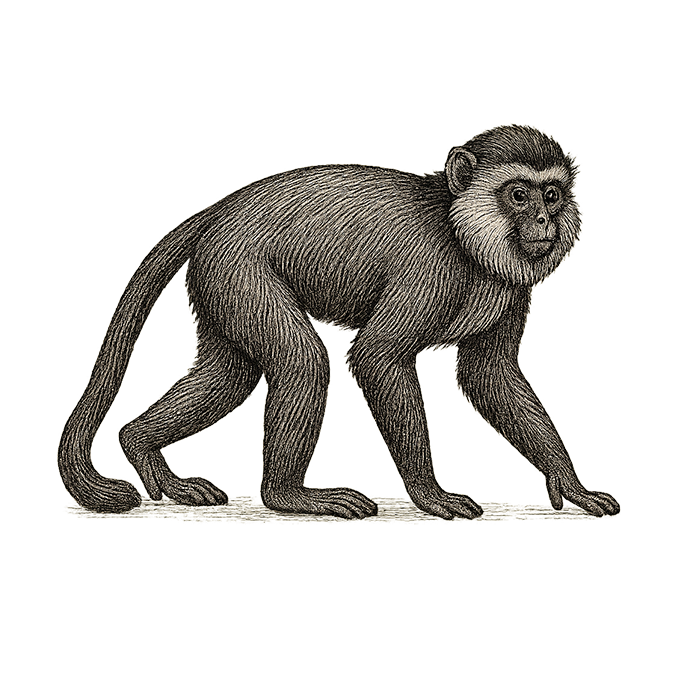
Silverback gorillas are the powerful leaders of their families, guiding movements, protecting members, and maintaining harmony within the group through strength, experience, and calm authority.

Golden Monkey "Photogenic"

Golden monkeys are famously photogenic, captivating visitors with their bright golden fur, expressive faces, and playful behavior that creates unforgettable moments in the forest.

Chimpanzees "Pant-hoot"

Pant-hoot is the iconic call of chimpanzees, echoing through the forest as a powerful form of language used to gather groups, express excitement, mark territory, and strengthen social bonds.
virunga volcanoess

Volcanoes "Real Forest Africa"

Volcanoes rise from the heart of Real Forest Africa, where misty slopes, ancient trees, and rich wildlife create a living landscape shaped by fire, time, and nature’s raw beauty.

Experience East Africa the Way It Was Meant to Be

Discover a region where wild landscapes, rich cultures, and unforgettable wildlife encounters come together in their purest form. From tracking mountain gorillas in misty forests and watching elephants roam endless savannahs to cruising along wildlife-filled rivers and connecting with local communities, East Africa offers travel that feels authentic, personal, and deeply rewarding.