Volcanoes in Virunga National Park: Exploring Congo’s Fiery Landscapes
In the eastern corner of the Democratic Republic of Congo lies one of Africa’s most dramatic and wild landscapes: Virunga National Park. Known for its extraordinary biodiversity, dense forests, and rare wildlife, Virunga is also home to some of the most spectacular volcanoes on the continent. These volcanic peaks-both active and dormant-shape the park’s topography, nurture fertile soils that support lush forests, and provide a backdrop for adventure tourism unlike anywhere else on Earth.

Volcanoes in Virunga are not just geological formations; they are living features that define the park’s ecosystems, culture, and even human history. For travelers seeking a journey that blends adventure, wildlife, and the raw power of nature, Virunga’s volcanoes are a destination that promises awe, challenge, and unforgettable experiences.
The Volcanic Landscape of Virunga
Virunga National Park is part of the Albertine Rift, a branch of the East African Rift System. This tectonic activity has created a series of volcanic peaks known collectively as the Virunga volcanic chain. Unlike solitary volcanic mountains, these peaks form a jagged landscape of craters, lava flows, and steaming fumaroles, often surrounded by lush tropical forest.
The volcanic soils are among the most fertile in Africa, allowing for dense vegetation that supports diverse wildlife. The park’s volcanoes rise dramatically above the surrounding forests, creating a landscape that is both rugged and breathtakingly beautiful. From deep valleys to soaring peaks, Virunga’s volcanic terrain is as varied as it is challenging, offering experiences for mountaineers, hikers, and wildlife enthusiasts alike.
Key Volcanoes in Virunga
Virunga is home to several notable volcanoes, each with its own character and significance:
Mount Nyiragongo
-
Height: 3,470 meters (11,385 ft)
-
Status: Active
-
Highlight: Famous for its massive lava lake, Nyiragongo is one of the world’s most active and accessible volcanoes. The constantly glowing lava is visible at night and during eruptions can dramatically reshape the surrounding landscape.
Nyiragongo is both a natural wonder and a formidable force. Treks to the crater rim allow visitors to witness molten lava in a way few places on Earth can offer. The trek itself is challenging, requiring stamina and preparation, but the reward is a rare glimpse into the raw power of the planet.
Mount Nyamuragira
-
Height: 3,053 meters (10,013 ft)
-
Status: Highly active
-
Highlight: Known for frequent eruptions, Nyamuragira is less visited due to its remoteness and unpredictability. Its lava flows have created vast fields that seem almost alien, contrasting sharply with the surrounding green forests.
Though challenging to access, Nyamuragira demonstrates the dynamic nature of Virunga’s volcanic system. Its eruptions are part of the ongoing geological processes that continue to shape the park’s ecosystems.
Mount Mikeno
-
Height: 4,437 meters (14,550 ft)
-
Status: Dormant
-
Highlight: Mikeno is part of the high Virunga massif and is famous as mountain gorilla habitat. Its slopes are forested and provide a rare combination of volcanic terrain and biodiversity.
While Mikeno does not pose the immediate dangers of active volcanoes, trekking its slopes offers the chance to experience the dramatic scenery of Virunga while observing wildlife in their natural environment.
Volcano Trekking in Virunga
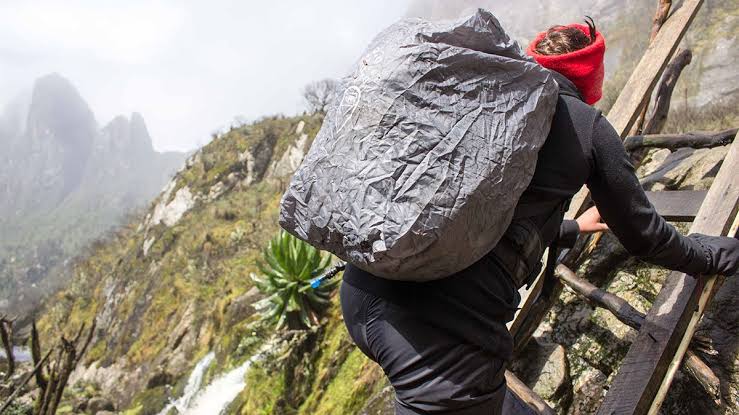
Trekking Virunga’s volcanoes is an adventure like no other. Active volcanoes such as Nyiragongo demand physical fitness, mental preparation, and proper guidance. Treks typically begin in the early morning, ascending steep, often unstable trails. The reward, however, is incomparable: witnessing the glowing lava lake, panoramic views of surrounding mountains, and the surreal landscapes formed by past eruptions.
Dormant peaks like Mount Mikeno offer less risk but equally rewarding treks. Hikers experience dense forest trails, alpine meadows, and glimpses of wildlife such as gorillas, monkeys, and rare birds. The contrast between fiery volcanic terrain and lush forest underscores the diversity and resilience of Virunga’s ecosystems.
Wildlife and Volcanic Landscapes
Volcanoes in Virunga are more than geological wonders; they are integral to the park’s ecosystems. The fertile soils created by volcanic activity support dense forests, bamboo zones, and alpine vegetation that provide habitat for rare species. Mountain gorillas, chimpanzees, forest elephants, okapis, and a host of bird species thrive on the volcanic slopes.
For wildlife enthusiasts, this intersection of geology and ecology is a unique opportunity. Observing gorillas against the backdrop of volcanic peaks, or spotting birds in crater-edge forests, creates experiences that blend adventure with nature observation. Every hike, trek, or safari is heightened by the knowledge that the landscape itself is alive and evolving.
Safety Considerations
Visiting Virunga’s volcanoes requires careful preparation. Active volcanoes are unpredictable and dangerous, so treks should always be undertaken with experienced guides. Safety gear, proper footwear, hydration, and awareness of weather and volcanic conditions are essential. Dormant peaks still pose risks due to steep terrain and altitude, so physical fitness and preparation are key.
Guides provide more than safety-they also offer knowledge about the landscape, wildlife, and local communities. Their expertise transforms treks into educational adventures, adding context to the raw power of the volcanoes.
Cultural Significance
Volcanoes in Virunga are deeply intertwined with the lives of local communities. The Nande and Hutu peoples who live in the region have coexisted with the mountains for generations, relying on fertile volcanic soils for agriculture and incorporating the peaks into their spiritual and cultural practices. Trekking with local guides provides insight into how humans have adapted to and respected these fiery landscapes over centuries.
Best Time to Visit
The best time for volcano trekking in Virunga is during the dry seasons, generally from June to September and December to February. Trails are more accessible, visibility is better, and wildlife activity is easier to observe. Even during wetter months, the park remains stunning, but rain can make trails slippery and conditions more challenging.
Why Virunga’s Volcanoes Are Worth Visiting
Volcanoes in Virunga National Park are a rare combination of adventure, wildlife, and geology. Active peaks like Nyiragongo provide an adrenaline-fueled encounter with molten lava, while dormant slopes such as Mikeno offer serene trails through forests alive with wildlife. The juxtaposition of fire and forest, danger and tranquility, creates experiences that are deeply immersive and unforgettable.
For travelers seeking more than a conventional safari, volcano trekking in Virunga is transformative. Every step across volcanic terrain, every glimpse of wildlife, and every view of glowing lava reminds visitors of the planet’s raw power and beauty. It is a journey that blends physical challenge with awe, education with adventure, and wilderness with culture.
Recommended Tours: 8 Days Congo Gorillas & Nyiragongo Safari | 5 Days Lowland Gorilla Safari Congo