Home /
Big Five in the Masai Mara
The Big Five in the Maasai Mara are among the biggest attractions for travelers visiting Kenya in search of an unforgettable African safari. The Maasai Mara National Reserve is one of East Africa's most famous wildlife destinations, celebrated for its open grasslands, abundant wildlife, dramatic predator encounters, and the annual Great Wildebeest Migration. Within this extraordinary ecosystem, visitors have the opportunity to search for the African lion, leopard, African elephant, Cape buffalo, and rhinoceros, the five animals traditionally known as Africa's Big Five.Although the name "Big Five" may sound as though it refers simply to the five largest animals, that is not actually where the term originated. Historically, the expression was used by hunters to describe five particularly challenging and dangerous animals to hunt on foot. Today, however, the meaning has changed dramatically in the tourism industry. Seeing the Big Five is now associated with wildlife conservation, photography, responsible tourism, and the excitement of observing these magnificent animals alive in their natural habitat.The Maasai Mara is particularly special because the Big Five are not the only reason to visit. The reserve is part of the greater Mara-Serengeti ecosystem, a vast landscape where wildlife moves freely across seasonal ranges. The open savannah provides excellent conditions for spotting large herbivores and predators, while rivers, woodland patches, rocky areas, and seasonal water sources create different habitats for different species.For many travelers, finding all five during a single safari becomes a personal goal. However, the real magic of the Maasai Mara is not simply ticking five names off a list. It is the experience of spending time in the wilderness and witnessing the unpredictable interactions between animals, predators, prey, and the changing African landscape.
Big Five in the Masai Mara & Tours

A sunrise hot air balloon flight over the Mara plus classic Big Five game drives and a bush breakfast.

Kenya's classic Big Five circuit across three parks chosen specifically to maximize your chances of seeing all five.

Extended Masai Mara game drives timed to migration season, without giving up your chances at the Big Five.

Private vehicles and extended golden-hour game drives, built specifically for photographers chasing the Big Five.
The Masai Mara's Big Five paired with Amboseli's iconic elephant herds set against Mount Kilimanjaro.
A quick weekend escape from Nairobi with two full game drives in one of the world's best-known reserves.

A fast-paced 3-day Masai Mara safari with morning and afternoon game drives built around finding all of the Big Five.
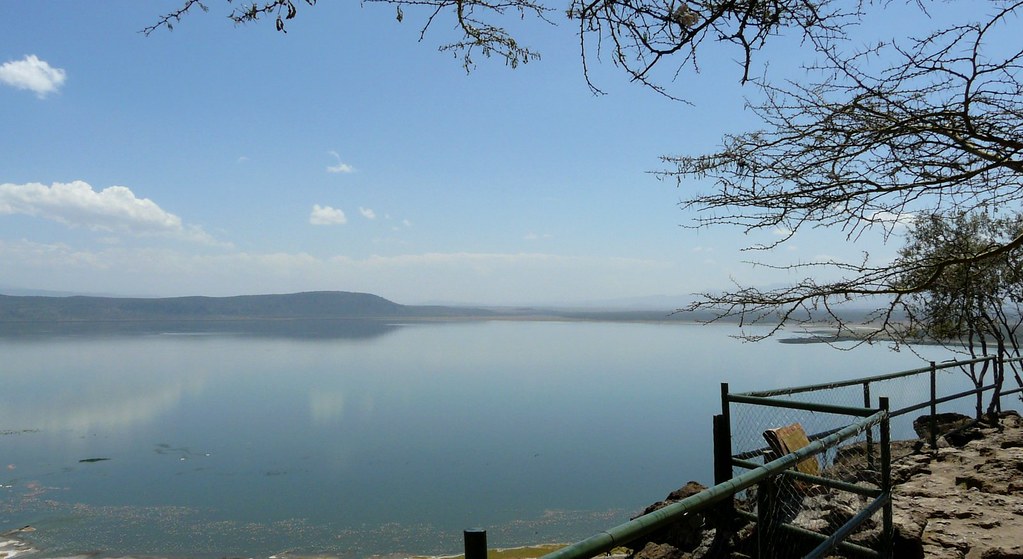
Masai Mara predators plus Lake Nakuru's rhino sanctuary, built to help you complete the Big Five in one trip.

Enjoy game drives in Maasai Mara then relax on Diani Beach on this classic 10-day Kenya safari and beach trip.

Experience Kenya's great game parks including Maasai Mara and Amboseli on this outstanding 8-day Kenya safari.

Explore Kenya's finest game parks at Maasai Mara, Amboseli, and Lake Nakuru on this classic 7-day safari tour.
The Big Five in the Maasai Mara
What Are the Big Five?
The Big Five consist of the African lion, African leopard, African elephant, Cape buffalo, and rhinoceros.
Each species has a completely different appearance, behavior, habitat preference, and role within the Maasai Mara ecosystem. This diversity is what makes searching for the Big Five so exciting.
A lion may be resting beneath a tree after a night of hunting. A leopard may be hidden in thick vegetation or resting high in an acacia tree. Elephants may be crossing the plains in a family group, while buffalo gather in large herds near water. A rhinoceros may be quietly feeding in an area where visitors rarely expect to find one.
Because these animals behave differently, finding the Big Five requires patience and skilled guiding.
Lions of the Maasai Mara
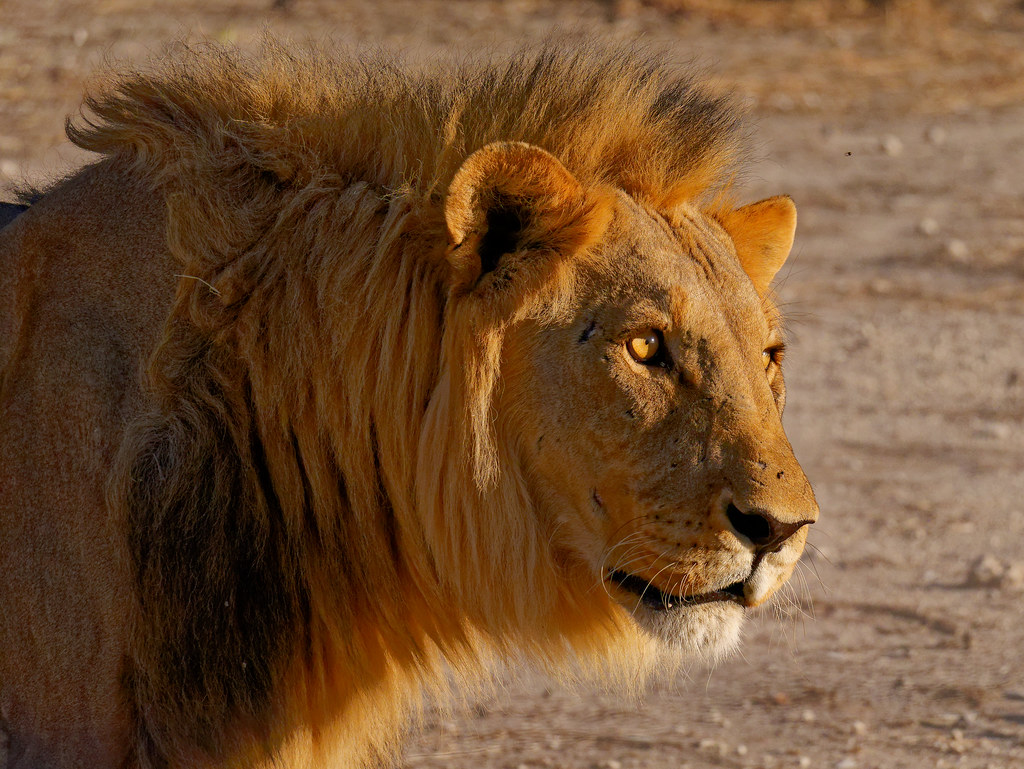
The African lion is perhaps the most iconic member of the Big Five and one of the animals most travelers hope to see when visiting the Maasai Mara.
Lions are strongly associated with the open savannah because these landscapes provide excellent hunting opportunities. The Maasai Mara supports healthy lion populations, and sightings can be particularly rewarding because lions are often found resting in visible areas after spending much of the night active.
A typical pride can include adult females, cubs, young males, and one or more adult males. The social structure of lions makes observing them fascinating because you may witness several generations interacting within a single group.
Female lions generally play an important role in hunting. They work together to approach prey, coordinate movements, and attempt to bring down animals that may be considerably larger than themselves.
The males, meanwhile, play an important protective role within the pride. Their enormous size, thick mane, and powerful build make them one of the most impressive sights on a safari.
One of the most memorable experiences is seeing lion cubs. Cubs are energetic and playful, often climbing over one another, chasing insects, or practicing hunting behavior. Their presence can transform an ordinary lion sighting into a memorable family encounter.
However, lions can spend much of the daytime sleeping or resting. Seeing a pride lying quietly beneath a tree should not be considered a disappointing sighting. After all, these animals may have spent the previous night hunting and defending their territory.
Leopards of the Maasai Mara
The leopard is often considered the most difficult member of the Big Five to find.
Unlike lions, leopards are generally solitary and highly secretive. Their spotted coats provide excellent camouflage, allowing them to disappear into grass, bushes, woodland, and shadows.
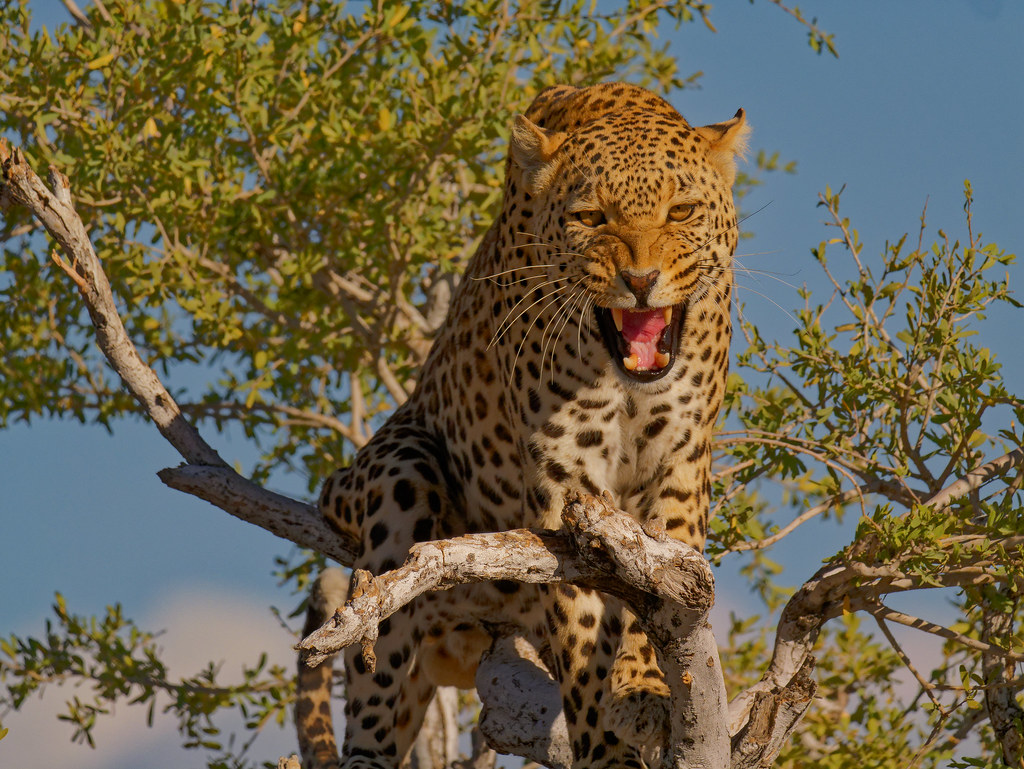
Leopards are also famous for climbing trees. A leopard resting on a sturdy branch provides one of the classic African safari photographs. From a tree, the animal can rest safely, survey its surroundings, and sometimes keep its kill away from competing predators.
The Mara's mixture of open grasslands, riverine vegetation, and woodland provides suitable habitat for leopards. Areas around rivers and drainage systems can be particularly productive because they offer cover and opportunities for hunting.
Finding a leopard requires a combination of experience, patience, and luck. Experienced guides often know the areas where individual leopards are regularly seen, but there are no guarantees.
A leopard may be only a few meters away and remain almost completely invisible.
This is part of what makes a leopard encounter so exciting. You may be driving slowly through the grassland when your guide suddenly stops and points toward a distant tree. At first, you may see nothing. Then, after carefully following the direction of the guide's finger, the spotted face of a leopard becomes visible between the branches.
African Elephants in the Maasai Mara
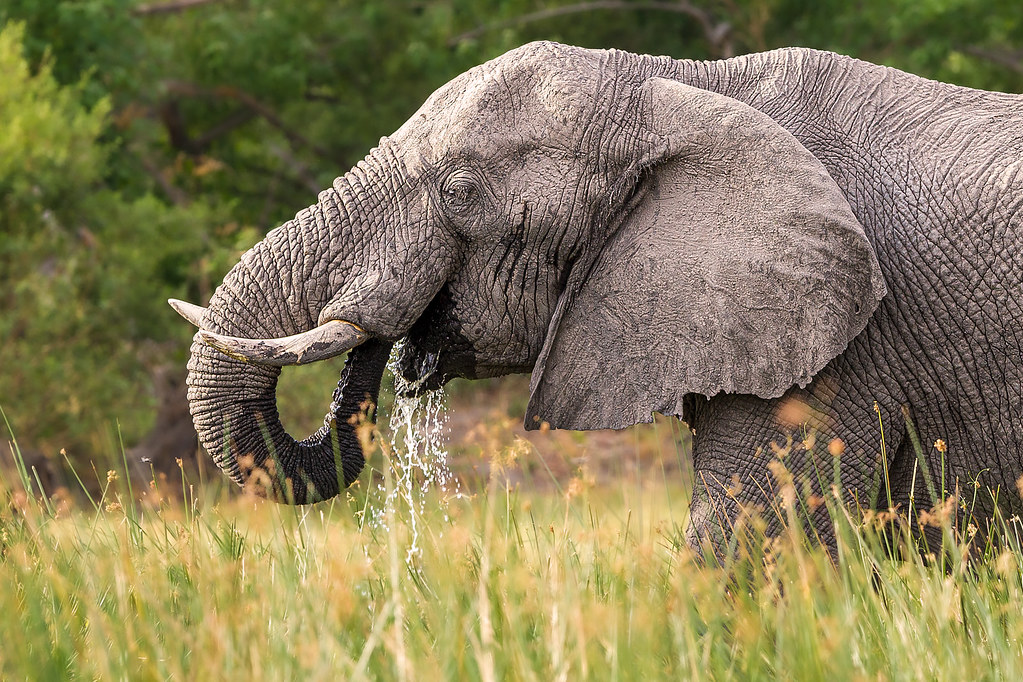
African elephants are among the most impressive animals found in the Maasai Mara.
Their enormous size makes them relatively easy to recognize, but seeing them in the wild is about much more than simply observing their physical appearance. Elephants are intelligent, highly social animals with complex family relationships.
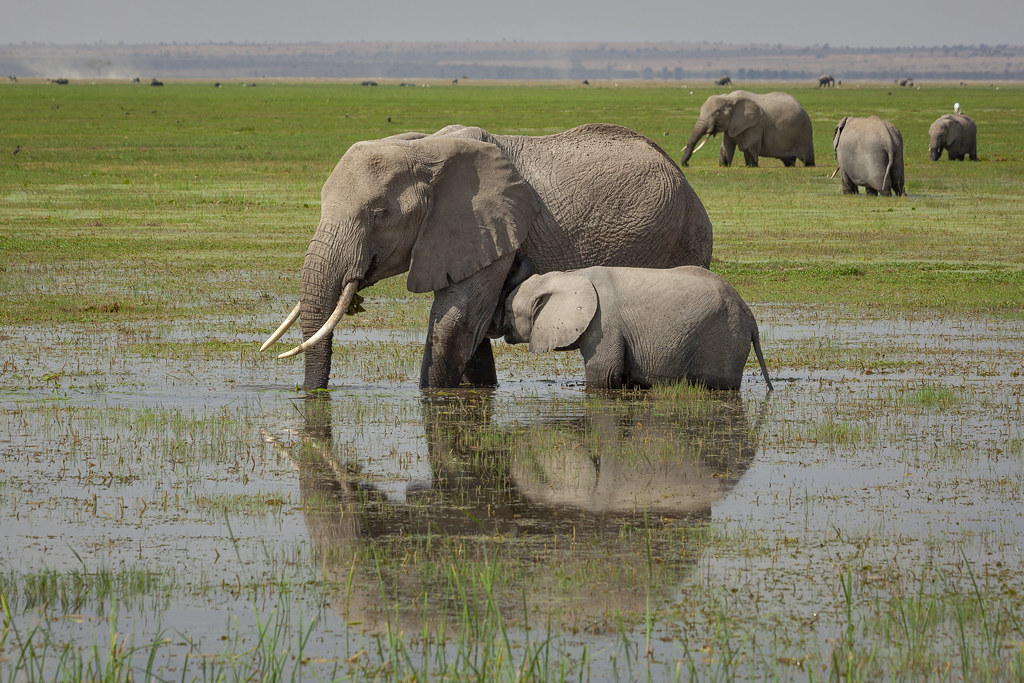
A family group may include females and young elephants moving together under the leadership of an older female known as a matriarch.
Watching a family move across the Mara landscape can be fascinating. The young elephants may stay close to their mothers, while older members of the group remain alert to potential threats.
Elephants use their trunks for feeding, drinking, smelling, touching, and communicating. Their large ears help regulate body temperature, while their tusks can be used for digging, stripping bark, and other activities.
One of the best times to observe elephants is when they are feeding or approaching water. You may see them pulling grass, breaking branches, dusting themselves with soil, or drinking together.
The sight of an elephant walking across the golden savannah with the Mara landscape stretching behind it is one of the defining images of an East African safari.
Cape Buffalo in the Maasai Mara
The Cape buffalo is sometimes overlooked because it does not have the visual fame of the lion or elephant. Yet buffalo are among the most fascinating members of the Big Five.
They are powerful, heavily built animals that often move in large herds. A herd can contain numerous individuals, creating an impressive sight as hundreds of buffalo spread across the grassland.
Buffalo are herbivores and spend significant amounts of time grazing. They frequently remain near water, especially during hot periods.
Despite their herbivorous diet, buffalo have a reputation for being unpredictable and powerful. Their horns are formidable defensive weapons, and adults can respond aggressively when they feel threatened.
The social behavior of buffalo is also interesting. Herd members may gather closely together when threatened, creating a defensive formation that protects younger or weaker individuals.
During a safari, seeing buffalo in a large herd can be just as impressive as finding a lion. When predators are nearby, the behavior of the herd can become particularly interesting because buffalo are capable of defending themselves collectively.
Rhinoceros in the Maasai Mara
The rhinoceros is often the most challenging of the Big Five to find in the Maasai Mara.
Black rhinoceroses are associated with the Mara ecosystem, but sightings can be less predictable than those of lions, elephants, or buffalo. Their conservation status makes every encounter particularly special.
Rhinoceroses are generally solitary animals, although females may be accompanied by calves. They spend their time feeding, resting, and moving through their preferred habitats.
Their powerful bodies, thick skin, large horns, and distinctive shape make them unmistakable once spotted.
Because rhinoceros populations have faced severe pressure from poaching historically, conservation efforts have become extremely important. Protecting rhinos requires security measures, habitat management, monitoring, and cooperation between conservation organizations and local communities.
Seeing a rhino in the Maasai Mara therefore carries a deeper significance than simply completing a Big Five checklist. It is a reminder of the importance of protecting endangered wildlife for future generations.
Why the Maasai Mara Is Excellent for Big Five Safaris
The Maasai Mara provides a combination of habitat, prey abundance, and wildlife protection that makes it one of Africa's most famous safari destinations.
Its extensive grasslands support large populations of herbivores, which in turn provide food for predators such as lions and leopards. The ecosystem also includes areas of woodland and riverine vegetation that provide shelter and hunting opportunities.
The Mara is particularly famous for its connection to the Great Migration. Millions of wildebeest, together with large numbers of zebras and other herbivores, move through the wider Mara-Serengeti ecosystem during their seasonal migration.
This abundance of prey can create extraordinary predator activity. Lions, leopards, cheetahs, hyenas, and other predators take advantage of opportunities created by large concentrations of herbivores.
The result is an ecosystem where visitors have opportunities to observe predator-prey relationships and other natural behaviors.
The Big Five During the Great Migration
The Great Migration adds another dimension to the Big Five experience.
When large numbers of wildebeest and zebras enter the Mara ecosystem, predators can become particularly active. Lions may patrol areas where herds are concentrated, while leopards and other predators take advantage of vulnerable young animals.
The migration itself is not simply about wildebeest crossing rivers. It is a year-round ecological cycle involving rainfall, grass availability, predator movements, breeding, births, and survival.
Visitors traveling during the migration season may therefore encounter the Big Five against a dramatic background of moving herds.
A lion pride watching thousands of wildebeest moving across the plains can create a spectacular scene. Similarly, elephants crossing through the middle of large herbivore herds provide an unforgettable wildlife spectacle.
However, the migration should not be treated as the only time to visit the Mara. The reserve offers excellent wildlife experiences outside the peak migration period as well.
Big Five Safari Drives in the Maasai Mara
Game drives are the main way travelers search for the Big Five.
Early morning drives are often particularly rewarding because temperatures are cooler and many animals are still active after the night. Predators may be returning from hunting, while herbivores are feeding before the heat becomes intense.
Afternoon drives provide another opportunity to explore. As temperatures begin to fall later in the day, wildlife may become more active again.
Nighttime behavior is also fascinating, although standard game-drive rules and permitted areas vary. Animals that appear sleepy during the day can become extremely active after sunset.
A good guide makes a major difference. Guides understand animal behavior, recognize tracks and signs, communicate with other guides, and know the landscape. They can also help visitors understand what they are seeing rather than simply pointing out animals.
The Importance of Patience
One of the most important lessons of a Big Five safari is patience.
Wildlife does not appear on demand. Even in a destination as rich in wildlife as the Maasai Mara, there will be moments when you drive for some time without seeing a major predator.
Then something can change within seconds.
A guide may notice fresh tracks. Birds may suddenly become alert. A group of antelope may start staring in one direction. These small clues can indicate that a predator is nearby.
Experienced guides learn to read these signs, but even they cannot control nature.
This is why the best safari experiences are not always those where visitors see the most animals. Sometimes the most memorable encounter is spending 20 minutes watching one animal behave naturally.
Photography During a Big Five Safari
The Maasai Mara is a dream destination for wildlife photographers.
The open landscape often provides excellent opportunities to photograph animals against the horizon, while early morning and late afternoon light can create dramatic conditions.
Elephants walking through golden grass, lions resting beneath trees, leopards climbing branches, buffalo moving through dust, and rhinos appearing through vegetation can all create powerful photographs.
However, visitors should always prioritize the animals over photography.
Avoid shouting, making unnecessary movements, or demanding that the vehicle move too close simply to obtain a better photograph. Wildlife photography should be conducted responsibly.
A photograph becomes more meaningful when it represents a respectful encounter rather than a moment when the animal was disturbed.
The Role of Maasai Communities
The Maasai Mara is not simply a wilderness area isolated from people. It is part of a broader landscape where local communities have lived alongside wildlife for generations.
The Maasai people have a deep cultural connection with the region, and responsible tourism can provide opportunities for communities to benefit from visitors.
Community tourism experiences can introduce travelers to traditional lifestyles, cultural practices, crafts, music, and local knowledge.
For conservation to remain successful in the long term, local communities need meaningful reasons to support wildlife protection. Tourism can contribute to this by creating employment and generating income through guiding, accommodation, cultural experiences, conservation initiatives, and other services.
The relationship between wildlife conservation and local communities is therefore central to the future of the Mara ecosystem.
Best Time to See the Big Five in the Maasai Mara
The Big Five can be seen throughout the year, although different seasons offer different experiences.
The drier periods can make wildlife easier to locate because animals often gather around remaining water sources and vegetation becomes less dense. The grass can also be shorter, improving visibility.
The migration season can bring spectacular concentrations of wildebeest and zebras, increasing opportunities for predator encounters.
The greener periods can offer beautiful scenery, newborn animals, migratory birds, and fewer crowds in some areas.
Instead of choosing a travel period based solely on the phrase "Big Five season," it is better to consider the type of safari experience you want. The Maasai Mara remains a wildlife destination throughout the year.
How Long Should You Spend Looking for the Big Five?
A longer safari generally provides better opportunities to experience the Mara.
A short safari can produce remarkable sightings, but spending several days in the ecosystem gives you more time to explore different areas and observe changing wildlife behavior.
This is especially important for animals such as leopards and rhinos, which may be more difficult to find.
A multi-day safari also allows you to slow down. Instead of rushing from one sighting to another, you can spend more time observing behavior and exploring different habitats.
The goal should not simply be to see five animals. It should be to experience the Maasai Mara as a living ecosystem.
Beyond the Big Five
Although the Big Five receive much of the attention, the Maasai Mara contains far more wildlife.
Cheetahs are among the most exciting predators to encounter. Their speed and hunting techniques make them particularly fascinating.
Hyenas are also an important part of the ecosystem and are often misunderstood. They are intelligent, social predators that play an important role in controlling populations and consuming carcasses.
Giraffes, zebras, wildebeest, impalas, gazelles, hippos, crocodiles, warthogs, jackals, and numerous bird species add even greater diversity to the safari experience.
For this reason, visitors should avoid measuring the success of a safari only by whether they saw the Big Five.
Is Seeing All the Big Five Guaranteed?
No.
The Maasai Mara is an exceptional wildlife destination, but nature cannot be guaranteed.
Lions and elephants may be relatively easier to encounter in suitable areas, while leopards and rhinos can require considerably more patience.
A responsible safari operator should never promise that you will definitely see all five. Instead, they should focus on maximizing your opportunities through good timing, experienced guides, appropriate routes, and sufficient time in the reserve.
Even if you do not see every member of the Big Five, the safari can still be highly successful.
A close encounter with a large elephant herd, an unexpected cheetah sighting, a pride of lions with cubs, or thousands of wildebeest crossing the plains can be just as memorable.
Thoughts
The Big Five in the Maasai Mara represent much more than five famous African animals. They are part of a complex ecosystem where predators, herbivores, birds, insects, plants, rivers, weather, and local communities are connected.
The lion demonstrates the power and social complexity of Africa's great predators. The leopard represents secrecy, patience, and adaptability. The elephant reveals the intelligence and social bonds of one of the world's largest land mammals. The buffalo demonstrates strength and cooperation, while the rhinoceros represents the urgent need for wildlife conservation.
Searching for these animals across the Maasai Mara is therefore an adventure in itself. Some sightings may happen within minutes of entering the reserve, while others may require hours of exploration. A leopard may hide in a tree, a rhino may disappear into thick vegetation, and a lion pride may spend an entire afternoon sleeping.
That unpredictability is precisely what makes a safari special.
The Maasai Mara is not a wildlife park where animals are placed in predictable locations. It is a living ecosystem where every day brings something different. Whether you visit during the Great Wildebeest Migration or during a quieter season, the opportunity to witness Africa's Big Five in their natural environment can become one of the defining experiences of your journey.
Ultimately, the greatest reward is not simply saying that you have seen the Big Five. It is remembering how the Mara felt: the wide golden plains, the morning light, the sound of wildlife around the vehicle, the anticipation when your guide spots something in the distance, and the unforgettable moment when a wild animal looks directly toward you.
What Our Travelers Enjoyed About Big Five in the Masai Mara

Gorillas "Silverback"
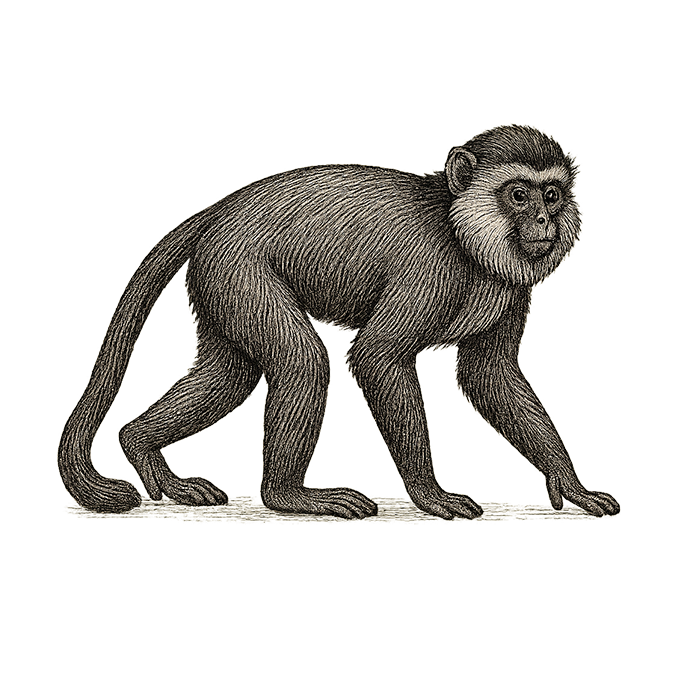
Golden Monkey "Photogenic"
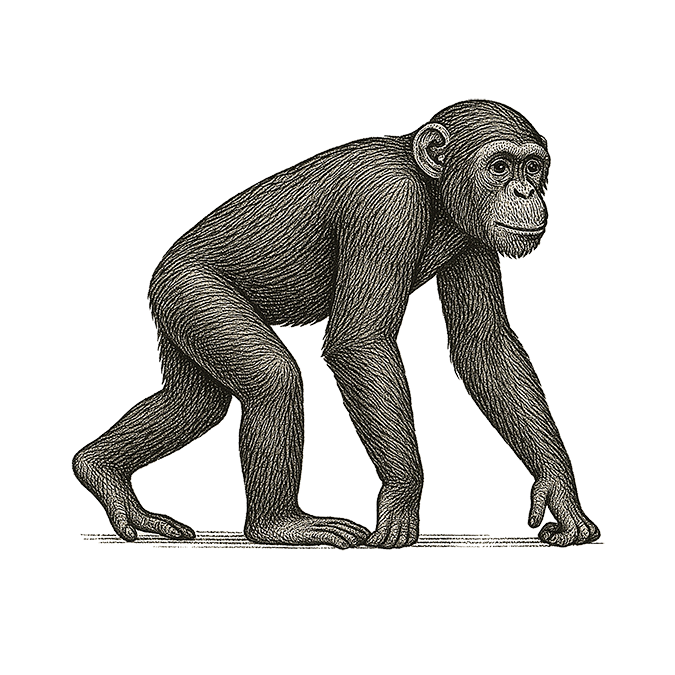
Chimpanzees "Pant-hoot"