

Mountain Climbing & Hiking Safaris in Africa
January 22, 2026
Kilimanjaro, Rwenzori, Virunga, Mount Meru, and Other East African Peaks
January 22, 2026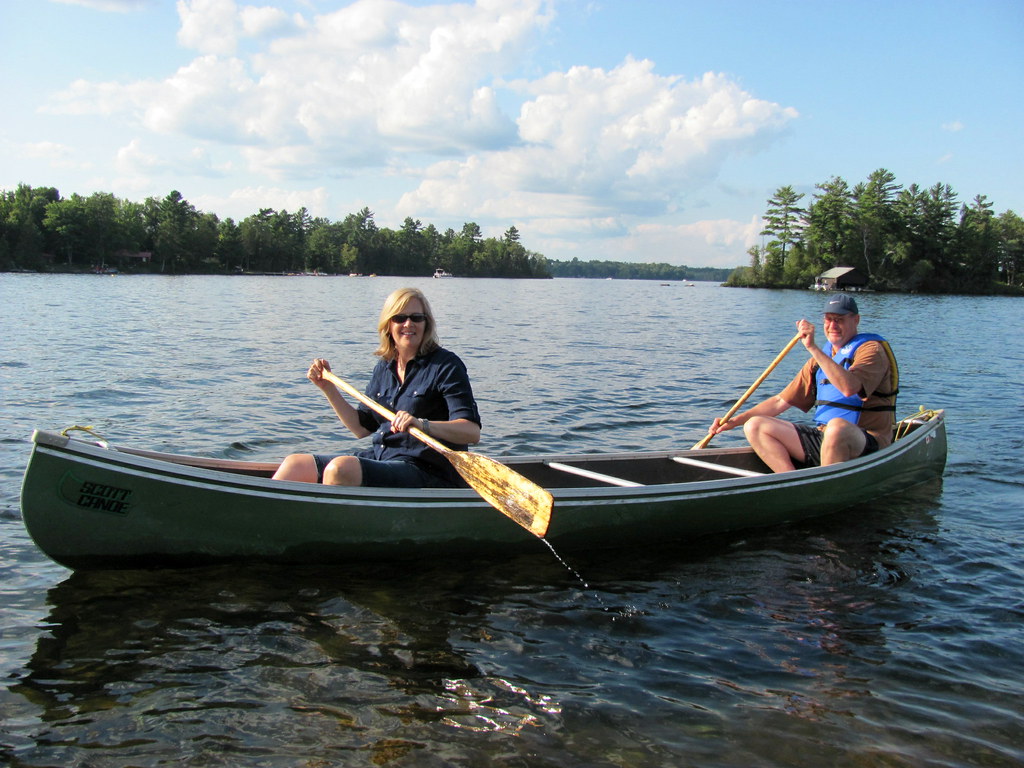
Canoe, Boat, and Water-Based Safari Adventures
Experiencing Africa from the Water
While classic game-drive safaris are iconic, some of Africa’s most magical wildlife encounters happen on water. Canoe, boat, and water-based safari adventures offer a slower, quieter, and more immersive way to explore the continent’s rivers, lakes, deltas, and wetlands. Gliding across calm channels or cruising wide rivers allows travelers to observe wildlife from a unique perspective, often at eye level, without the dust and engine noise of vehicles.
These water safaris reveal a softer, more intimate side of Africa, where reflections ripple across the surface, birds skim the water, and animals gather naturally along shorelines.
What Is a Water-Based Safari?
A water-based safari focuses on wildlife viewing and nature exploration using canoes, motorboats, or traditional wooden vessels. Instead of driving across open plains, travelers move through waterways, observing animals that depend on water for survival. Hippos, crocodiles, elephants, buffalo, antelope, and countless bird species are often seen drinking, bathing, or feeding along the banks.
Water safaris are guided by trained naturalists and boat captains who understand river behavior, wildlife movement, and safety protocols. The experience emphasizes calm observation, photography, and connection with nature.
Canoe Safaris: Quiet and Intimate
Canoe safaris are among the most peaceful safari experiences available. Using paddled or gently guided canoes, travelers move silently through narrow channels, floodplains, and wetlands. This silence allows for close encounters with wildlife without disturbance.
One of the most famous destinations for canoe safaris is the Okavango Delta, where traditional dugout canoes glide through papyrus-lined channels. Canoe safaris here offer encounters with elephants crossing water, antelope grazing along islands, and birds nesting just meters away.
Canoe safaris are ideal for travelers who enjoy tranquility, photography, and immersive nature experiences. They are often combined with walking safaris or short game drives for variety.
Boat Safaris: Wildlife from the Riverbanks
Boat safaris use small motorized vessels to explore larger rivers and lakes, offering comfort and broader coverage. These safaris are particularly effective for viewing animals that congregate near water sources, especially during dry seasons.
The Nile River is one of the most iconic locations for boat safaris. In Uganda, river cruises near Murchison Falls allow travelers to see hippos, crocodiles, elephants, giraffes, and abundant birdlife from close range. The slow approach of a boat often brings wildlife much closer than vehicles ever could.
Boat safaris are well suited for families, photographers, and travelers who prefer relaxed exploration without physical exertion.
Water Safaris in National Parks
Several African national parks are renowned for their water-based safari experiences. The Queen Elizabeth National Park is famous for boat safaris along the Kazinga Channel, where dense concentrations of hippos, buffalo, elephants, and birds gather daily.
In southern Africa, the Zambezi River offers dramatic sunset cruises with wildlife sightings framed by golden light. These cruises are especially popular for combining wildlife viewing with scenic beauty and relaxation.
Lakes also play a major role in water-based safaris. Lake Victoria supports fishing communities, birdlife, and cultural experiences, blending nature with human stories along its shores.
Wildlife Encounters on Water Safaris
Water-based safaris offer exceptional opportunities to observe animal behavior. Hippos dominate many waterways, while crocodiles bask along riverbanks. Elephants frequently visit rivers to drink and bathe, providing dramatic and photogenic moments. Antelope species cautiously approach water edges, alert to predators, creating natural scenes of tension and survival.
Birdlife is especially rich along rivers and lakes. Kingfishers, herons, fish eagles, and storks thrive in aquatic ecosystems, making water safaris a paradise for birdwatchers.
Best Time for Canoe and Boat Safaris
The best time for water-based safaris often coincides with dry seasons, when animals concentrate around permanent water sources. Lower water levels can also improve visibility and navigation in some regions. However, certain wetlands and deltas are most beautiful during flood seasons, when waterways expand and landscapes transform into lush, wildlife-rich habitats.
Choosing the right season depends on the destination and the type of water safari desired, making expert planning especially valuable.
Who Are Water-Based Safaris Best For?
Canoe and boat safaris appeal to a wide range of travelers. They are ideal for those seeking peaceful, reflective experiences, photographers looking for unique angles, and travelers who want to complement traditional game drives with something different.
They are also well suited for couples, solo travelers, and older visitors who may prefer gentler exploration while still enjoying rich wildlife encounters.
Responsible and Safe Water Safaris
Safety and conservation are central to water-based safari experiences. Guides are trained to maintain safe distances from animals, especially hippos and crocodiles, and to navigate waterways responsibly. Ethical operators follow strict guidelines to minimize environmental impact and protect fragile aquatic ecosystems.
By choosing responsible safari providers, travelers help preserve wetlands, rivers, and lakes that are essential to both wildlife and local communities.
Africa’s Wild Beauty from the Water
Canoe, boat, and water-based safari adventures offer a refreshing and deeply immersive way to experience Africa’s wildlife. From silent canoe glides through wetlands to scenic river cruises past grazing elephants, these safaris reveal the continent’s wild beauty from a unique and unforgettable perspective.
For travelers seeking serenity, authenticity, and close-range wildlife encounters, water-based safaris are not just an alternative to traditional safaris—they are an essential part of discovering Africa’s natural soul.


