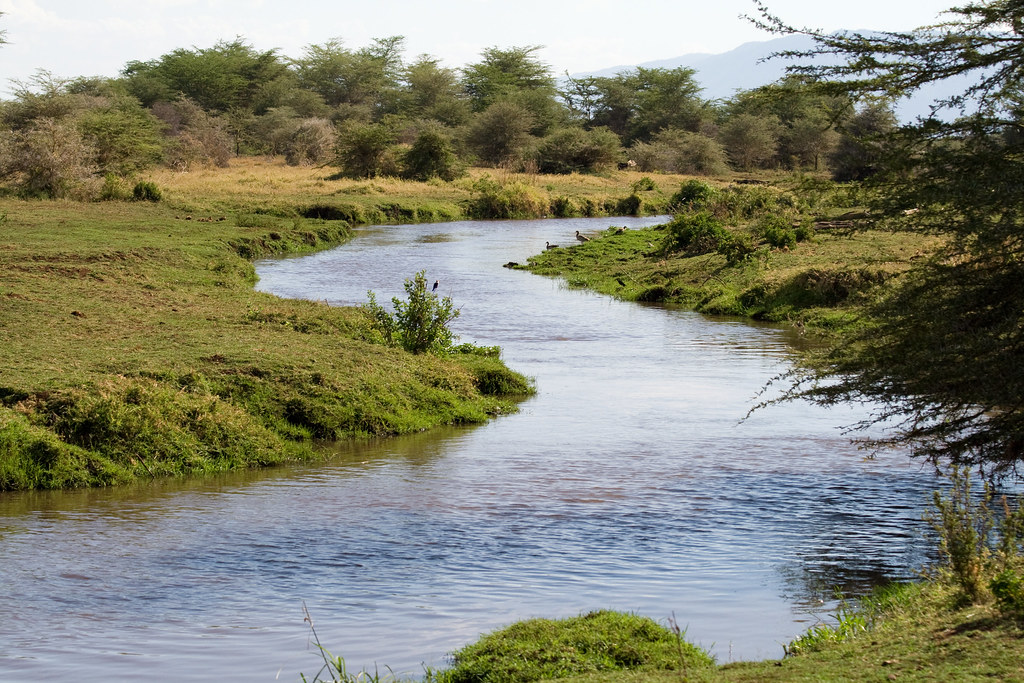
Game Drive Safaris at Lake Manyara National Park.
January 21, 2026


The shores of Lake Victoria are home to some of East Africa’s oldest and most vibrant fishing communities. Stretching across Uganda, Kenya, and Tanzania, these villages are built around the rhythms of the lake, where fishing is not only an occupation but a way of life deeply tied to culture, identity, and survival. Visiting the cultural fishing villages of Lake Victoria offers insight into traditions shaped by water, weather, and generations of shared knowledge.
For centuries, Lake Victoria has provided food, transport, and connection for surrounding communities. Fishing villages developed where the lake’s resources were most accessible, and over time these settlements grew into tight-knit societies with customs shaped by daily interaction with the water. The lake determines when people work, rest, trade, and celebrate, making it the central force around which cultural life revolves.
Fishing is more than economic activity; it is embedded in social structures, rites of passage, and community leadership. Elders often guide fishing practices and conflict resolution, while younger generations learn skills through observation and participation from an early age.
Fishing methods on Lake Victoria combine inherited tradition with practical adaptation. Wooden canoes, often handcrafted locally, are still widely used, especially in smaller villages. Nets are carefully repaired each day, and knowledge of fish behavior, wind patterns, and moon cycles guides when and where fishing takes place.
Night fishing is common, particularly for species like Nile perch and silver cyprinid. Lamps placed on boats illuminate the water, creating a striking visual scene and attracting fish. These practices are passed down orally, reflecting a deep understanding of the lake rather than reliance on modern technology alone.
Life in a fishing village begins early. Mornings are marked by the return of boats and the sorting of the catch along the shoreline. Fishmongers, many of whom are women, negotiate prices, smoke or dry fish, and prepare it for local markets. Children often help with simple tasks before school, reinforcing a sense of shared responsibility.
Homes are typically modest, built close together to maintain strong social bonds. Evenings bring communal gatherings, storytelling, music, and conversation, strengthening relationships within the village. These daily routines highlight cooperation and resilience in environments that can be unpredictable.
Fishing communities around Lake Victoria maintain beliefs and customs linked to the lake’s power and mystery. Certain rituals are performed before major fishing seasons, seeking protection and abundance. Respect for the lake is emphasized, as it is seen as both a provider and a force that demands humility.
Songs, dances, and oral histories often reference fishing life, storms, and heroic journeys on the water. These cultural expressions preserve collective memory and teach moral lessons about courage, respect, and unity.
Women play a central role in fishing village life, particularly in processing and trading fish. Their work supports household income and regional food supply chains. Beyond economics, women are key to maintaining social cohesion, organizing community activities, and passing cultural values to younger generations.
Their influence demonstrates that fishing culture is not defined only by those who go onto the lake, but by the entire community that supports and depends on the fishing cycle.
Cultural fishing villages are living communities, not tourist attractions in the conventional sense. Responsible visits focus on learning and respectful interaction rather than observation alone. Guided community walks, conversations with local residents, and participation in everyday activities provide meaningful engagement without disruption.
Visitors are encouraged to seek permission before taking photographs, dress modestly, and support local livelihoods through fair purchases and community-based experiences.
The cultural fishing villages of Lake Victoria represent resilience in the face of environmental change, economic pressure, and modernization. They preserve knowledge systems that balance resource use with survival and demonstrate the importance of community in sustaining livelihoods.
Understanding these villages helps travelers appreciate the human dimension of Lake Victoria beyond its size and biodiversity.
Exploring the cultural fishing villages of Lake Victoria offers a grounded and human perspective on life shaped by water. Through traditional practices, shared labor, and strong social bonds, these communities reflect a deep relationship with the lake that continues to define their identity. For travelers seeking authentic cultural experiences, these villages provide lessons in cooperation, respect for nature, and the enduring strength of community.