
Relax and Discover Tanzania’s Hidden Gems in Off-the-Beaten-Path Destinations
Discover Tanzania’s Hidden Gems, Tanzania is often synonymous with iconic destinations like the Serengeti, Mount Kilimanjaro, and Zanzibar. However, beyond these well-trodden paths lies a treasure trove of hidden gems waiting to be explored. For travelers seeking tranquility, authenticity, and a deeper connection with nature and culture, Tanzania’s off-the-beaten-path destinations offer an unparalleled experience. From secluded beaches to remote wildlife sanctuaries, these lesser-known spots promise adventure, relaxation, and a chance to escape the crowds. Here’s a guide to discovering Tanzania’s hidden gems, including the best places to visit, transportation options, ideal times to explore, and accommodations for every budget.
Hidden Gems to Discover Tanzania’s Hidden Gems

- Mahale Mountains National Park
Nestled on the shores of Lake Tanganyika, Mahale Mountains National Park is a remote paradise known for its chimpanzee trekking experiences. Unlike other parks, Mahale offers a unique blend of lush forests, pristine beaches, and dramatic mountain backdrops. The park is home to one of the largest populations of wild chimpanzees, making it a dream destination for primate enthusiasts. The serene environment also allows for kayaking, snorkeling, and hiking. - Katavi National Park
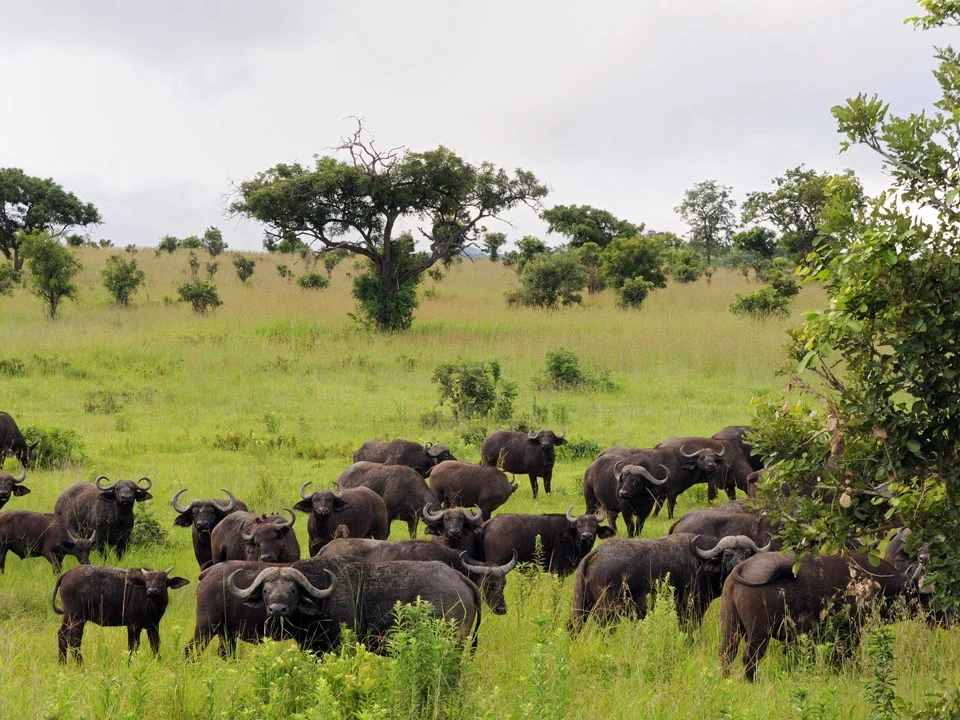
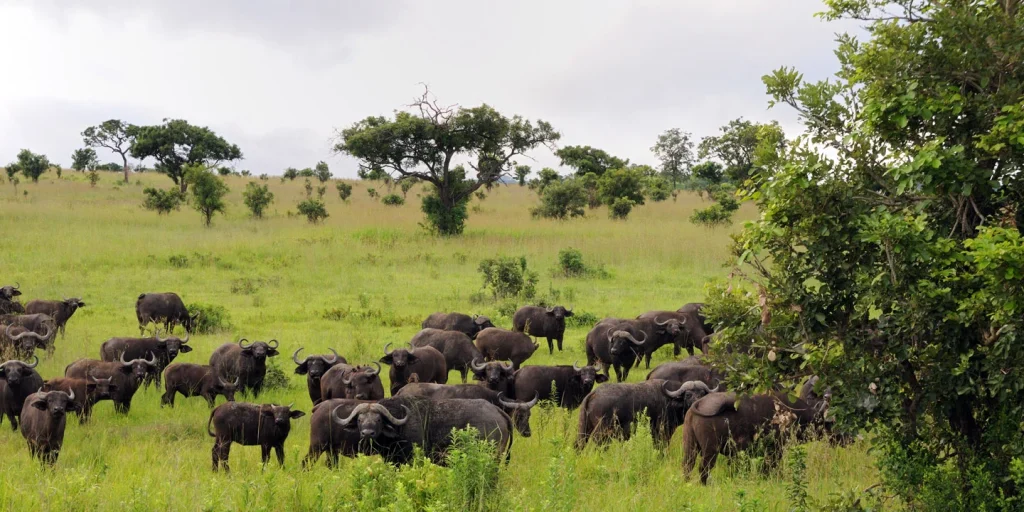
For those seeking an untouched wilderness, Katavi National Park is a must-visit. Located in western Tanzania, this park is one of the least visited in the country, offering an exclusive safari experience. During the dry season, the park’s floodplains teem with wildlife, including buffalo herds, elephants, and hippos. The lack of crowds ensures an intimate encounter with nature. - Pemba Island
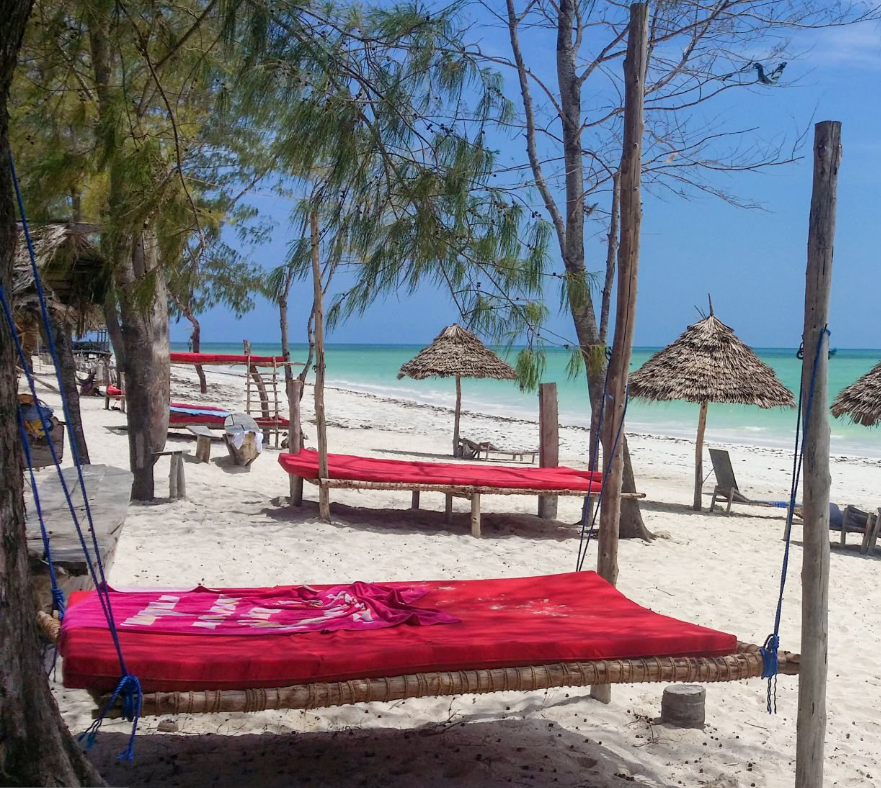
Often overshadowed by its famous neighbor Zanzibar, Pemba Island is a hidden gem for beach lovers and divers. Known as the “Green Island,” Pemba boasts lush clove plantations, crystal-clear waters, and vibrant coral reefs. The island’s untouched beaches, such as Vumawimbi and Ngezi Forest, are perfect for relaxation, while its underwater world is a haven for scuba diving and snorkeling. - Lake Natron
Lake Natron, located in northern Tanzania, is a surreal destination known for its otherworldly landscapes. The lake’s high alkalinity creates a striking red hue, especially during the dry season. It’s also a breeding ground for flamingos, making it a birdwatcher’s paradise. Nearby, you can hike to the Engare Sero waterfalls or explore the surrounding Maasai villages for a cultural immersion. - Udzungwa Mountains National Park
Dubbed the “Galapagos of Africa,” Udzungwa Mountains National Park is a biodiversity hotspot. The park is home to rare species like the Udzungwa red colobus monkey and the Sanje crested mangabey. Hiking enthusiasts will love the trails, particularly the challenging trek to Sanje Waterfalls, which offers breathtaking views of the surrounding rainforest.
Transportation Options
Reaching these hidden gems requires a bit of planning, but the journey is part of the adventure. Here are the best ways to get around:
- Domestic Flights: For remote destinations like Mahale Mountains and Katavi, domestic flights are the most convenient option. Airlines like Coastal Aviation and Auric Air operate scheduled and charter flights to airstrips near these parks.
- Ferries and Boats: To reach Pemba Island, take a ferry from Zanzibar or Dar es Salaam. For Mahale Mountains, boat transfers from Kigoma are available.
- Private Vehicles: Renting a 4×4 vehicle is ideal for exploring destinations like Lake Natron and Udzungwa Mountains. Ensure you have a reliable driver familiar with the terrain.
- Public Transport: While budget-friendly, public buses and daladalas (minibuses) are less comfortable and time-consuming. They are best suited for travelers with flexible schedules.
Best Time to Explore
The ideal time to visit Tanzania’s hidden gems depends on the destination and your interests:
- Dry Season (June-October): This is the best time for wildlife viewing in Katavi and Mahale Mountains. The weather is pleasant, and animals gather around water sources.
- Wet Season (November-May): The rainy season transforms the landscapes into lush greenery, making it perfect for birdwatching and hiking in Udzungwa Mountains. However, some roads may become impassable.
- Year-Round: Pemba Island and Lake Natron can be visited year-round, though the dry season offers better conditions for hiking and diving.
Accommodation Options

Whether you’re a budget traveler or seeking luxury, Tanzania’s hidden gems offer a range of accommodations to suit every preference.
Budget
- Katavi National Park: Stay at the basic but comfortable public campsites within the park. Bring your own gear or rent from local operators.
- Pemba Island: Pemba Island Hostel in Chake Chake offers affordable rooms and a chance to connect with fellow travelers.
- Lake Natron: Campsites near the lake provide budget-friendly options with stunning views of the surrounding landscapes.
Mid-Range
- Mahale Mountains National Park: Greystoke Mahale offers a mid-range experience with comfortable tented camps and direct access to the beach and forest.
- Udzungwa Mountains National Park: Udzungwa Forest Tented Camp provides cozy accommodations near the park entrance, perfect for hikers.
- Pemba Island: Manta Resort offers mid-range beachfront villas with easy access to diving spots.
Luxury
- Katavi National Park: Chada Katavi is a luxury tented camp offering exclusive game drives and guided walks.
- Mahale Mountains National Park: Kungwe Beach Lodge provides high-end accommodations with private verandas overlooking Lake Tanganyika.
- Pemba Island: Fundu Lagoon is a luxury eco-lodge offering overwater villas and personalized services.
Tanzania’s off-the-beaten-path destinations offer more than just solitude; they provide a chance to experience the country’s raw beauty and rich culture in its purest form. Whether you’re trekking through rainforests, diving into turquoise waters, or witnessing flamingos against a crimson lake, these hidden gems promise unforgettable memories. By venturing beyond the usual tourist trails, you not only support sustainable tourism but also contribute to the preservation of these pristine environments.
So, pack your bags, embrace the spirit of adventure, and discover the magic of Tanzania’s lesser-known treasures. From budget-friendly campsites to luxurious lodges, there’s something for every traveler seeking to relax and reconnect with nature. Tanzania’s hidden gems are waiting to be explored—will you answer the call?
Related reading: How To Vist Serengeti Tanzania and Trek Gorillas Bwindi and Why Serengeti is Africa’s Top Safari Destination.
Ready to see it for yourself? Explore our Tanzania safari tours, including the 10 Days Tanzania Wildlife Safari itinerary, or get in touch with our safari experts to start planning your trip.
How to Prepare for Climbing Kilimanjaro
Preparing well is the single most important factor in successfully summiting Mount Kilimanjaro. Unlike technical mountaineering peaks, Kilimanjaro requires no ropes or climbing equipment — but it does demand cardiovascular fitness, mental resilience, and proper acclimatization. Start your preparation at least three months before your climb.
Begin with regular cardiovascular training including hiking, running, cycling, and stair climbing. Aim to hike with a loaded backpack on uneven terrain at least once a week. Strength training focusing on legs and core will help significantly on the steep sections, particularly the Barafu or Stella Point approaches to the summit.
Sleep at altitude before your climb if possible. Even a weekend at a mountain lodge at 3,000m will help your body begin to adapt. On the mountain, the golden rule is “pole pole” — slowly, slowly. Rushing is the most common cause of altitude sickness and failed summits.
Kilimanjaro Routes Compared
There are seven official routes up Kilimanjaro, each with different scenery, difficulty levels, and summit success rates. The most popular routes are:
- Machame Route (6–7 days): Known as the “Whiskey Route” for its challenging terrain, Machame is the most scenic and has a good acclimatization profile. Success rate: ~85% on 7-day itinerary.
- Lemosho Route (7–8 days): Starting from the west, Lemosho offers the most diverse scenery and the best acclimatization profile. Fewer crowds. Success rate: ~90%.
- Marangu Route (5–6 days): The only route with hut accommodation. Called the “Coca-Cola Route,” it is the shortest but has the lowest success rate (~65%) due to insufficient acclimatization time.
- Rongai Route (6–7 days): The only route approaching from the north, near the Kenyan border. Drier and less crowded, with good wildlife sightings in the lower zone.
- Northern Circuit (9 days): The longest route with the highest success rate (~95%). Circles the entire northern hemisphere of the mountain before the summit push.
Recommended Tours: 7 Days Kilimanjaro Climbing Machame Route | 8 Days Kilimanjaro Lemosho Route