Explore Arusha National Park for Diverse Safari Experiences
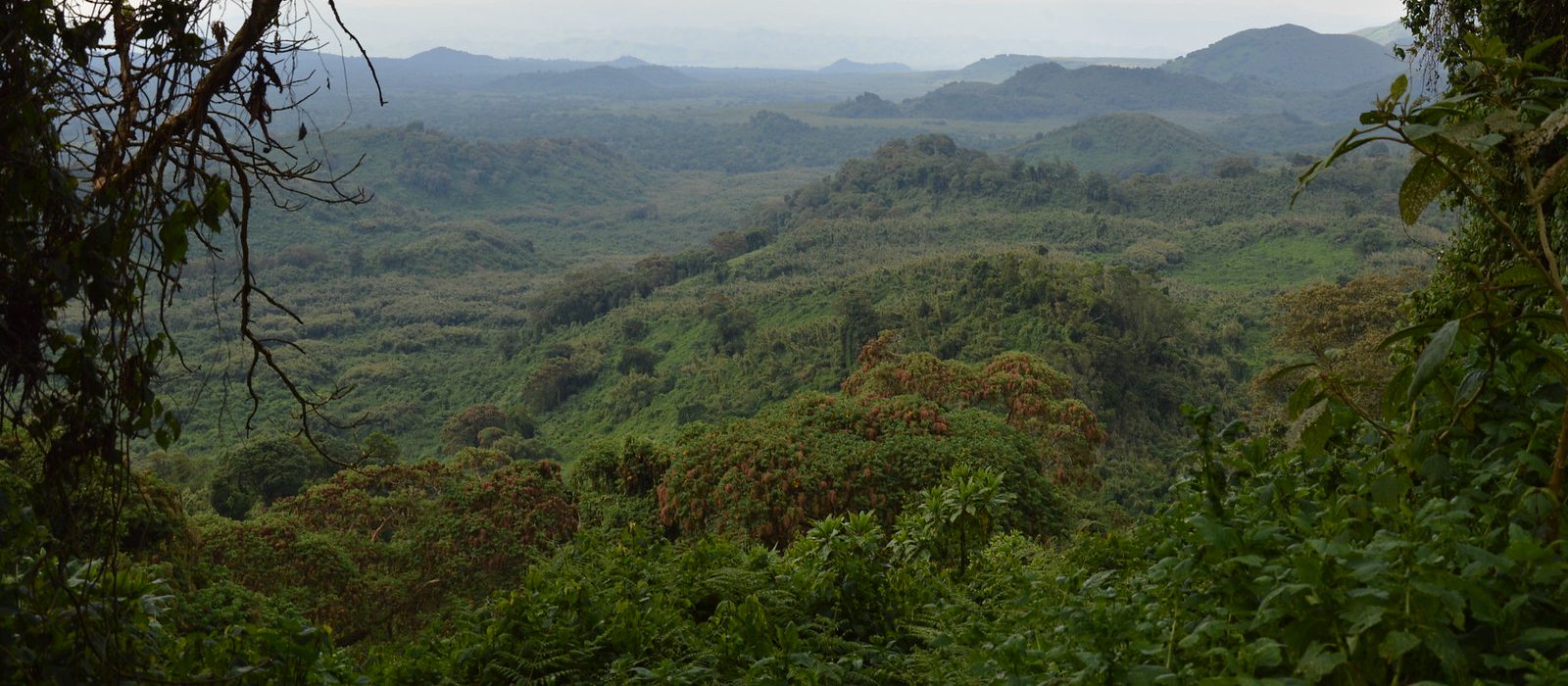
Nestled in the northern circuit of Tanzania, Arusha National Park is a hidden gem that offers a unique blend of diverse landscapes, rich wildlife, and unforgettable safari experiences. Despite being one of the smaller national parks in Tanzania, Arusha National Park is a microcosm of the country’s natural beauty, featuring lush montane forests, rolling savannahs, tranquil lakes, and the towering peaks of Mount Meru. Whether you’re a first-time safari-goer or a seasoned traveler, this park promises an adventure like no other. Here’s everything you need to know to plan your visit, including the best places to explore, transportation options, the ideal time to visit, and accommodations to suit every budget.
Places to Visit in Arusha National Park
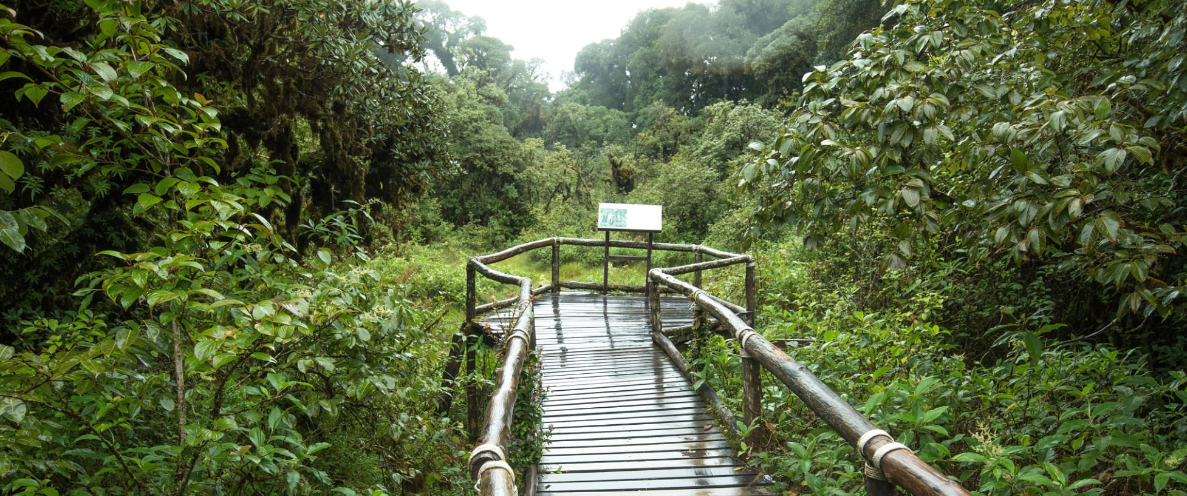
- Mount Meru
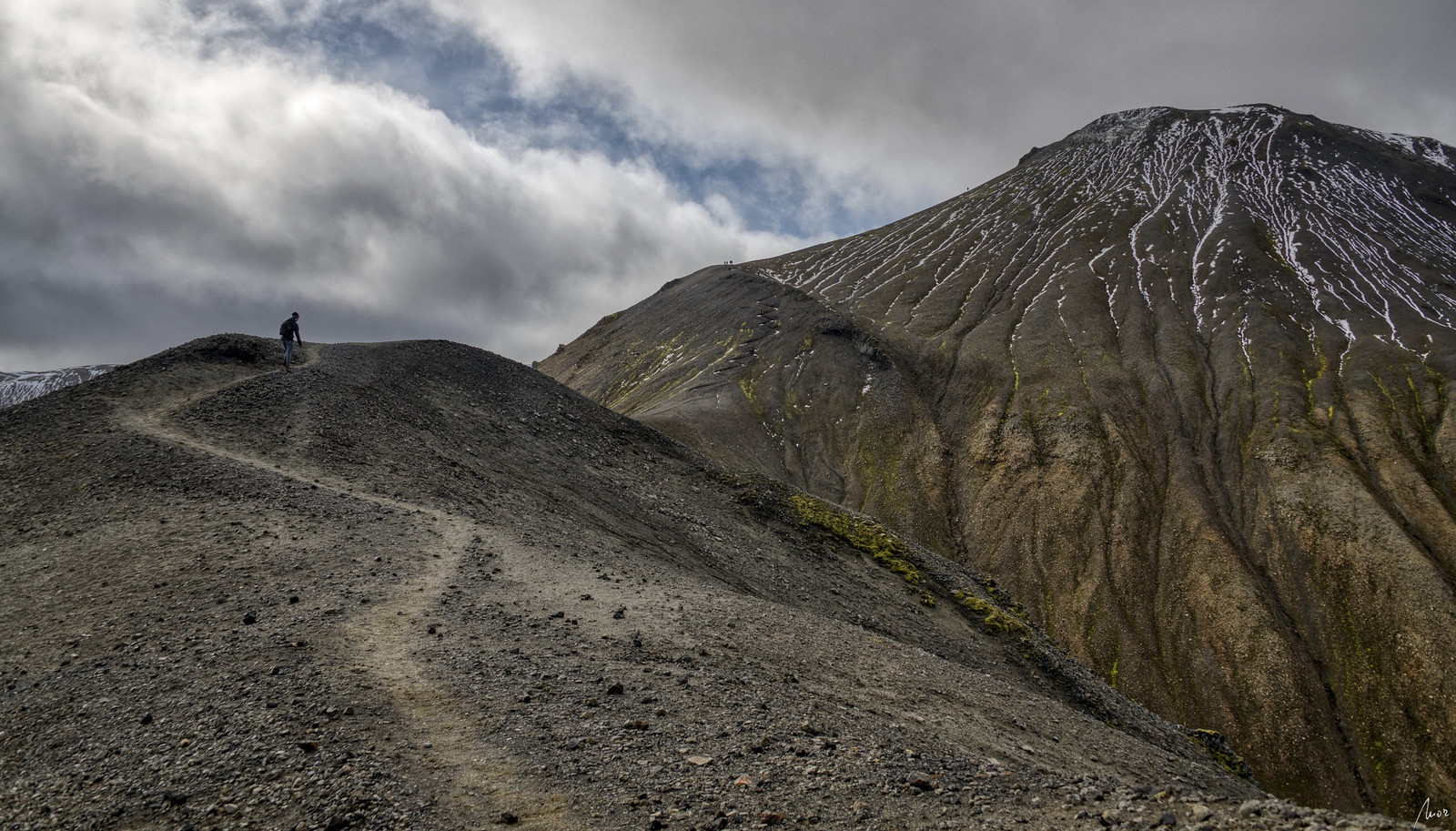
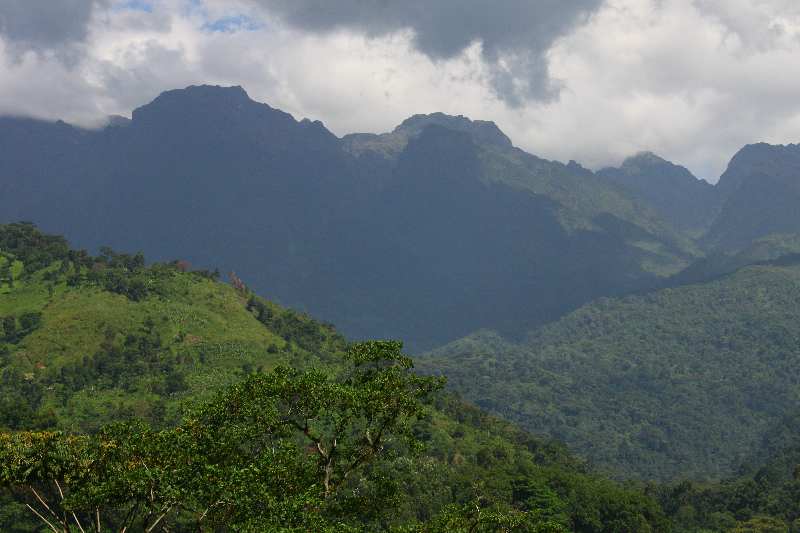
Mount Meru, Tanzania’s second-highest peak, is a highlight of the park. While it may be overshadowed by its famous neighbor, Mount Kilimanjaro, Mount Meru offers a challenging yet rewarding trekking experience. The multi-day hike takes you through diverse ecosystems, from dense forests to alpine deserts, culminating in breathtaking views from the summit. For those not up for the climb, the lower slopes are perfect for guided nature walks. - Momella Lakes
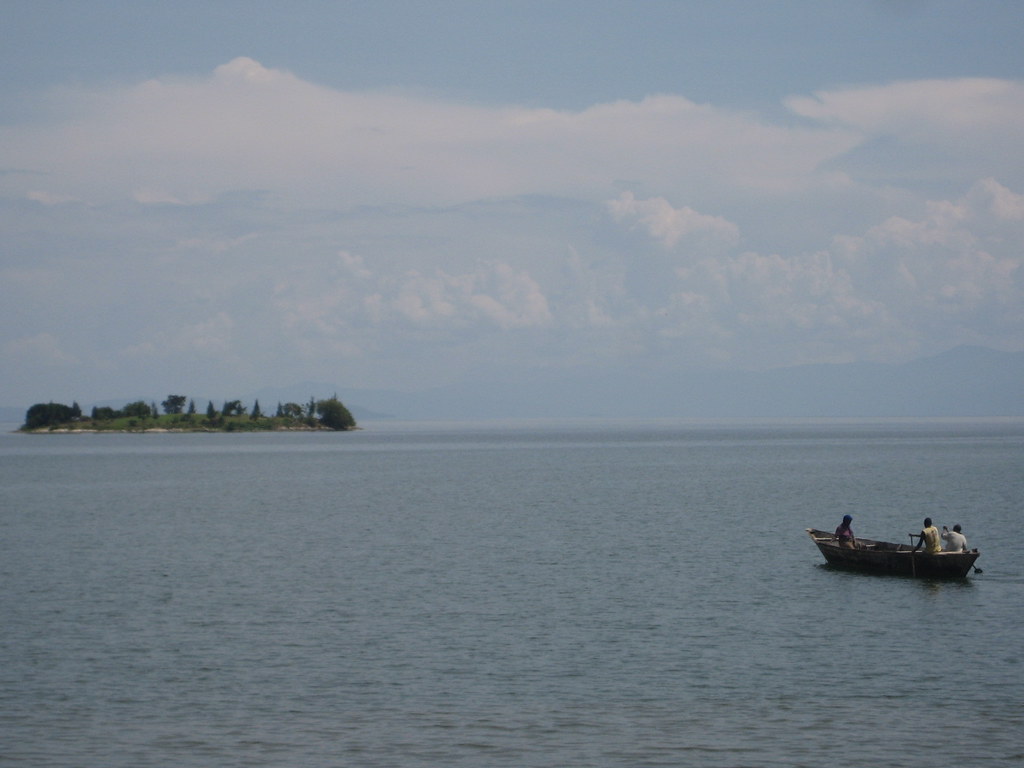
A series of seven shallow alkaline lakes, the Momella Lakes are a haven for birdwatchers. Flamingos, pelicans, and other waterfowl flock to these lakes, creating a vibrant spectacle. The lakes are also home to hippos and buffaloes, making them a great spot for game viewing. Canoeing on the lakes is a unique way to experience the park’s tranquility. - Ngurdoto Crater
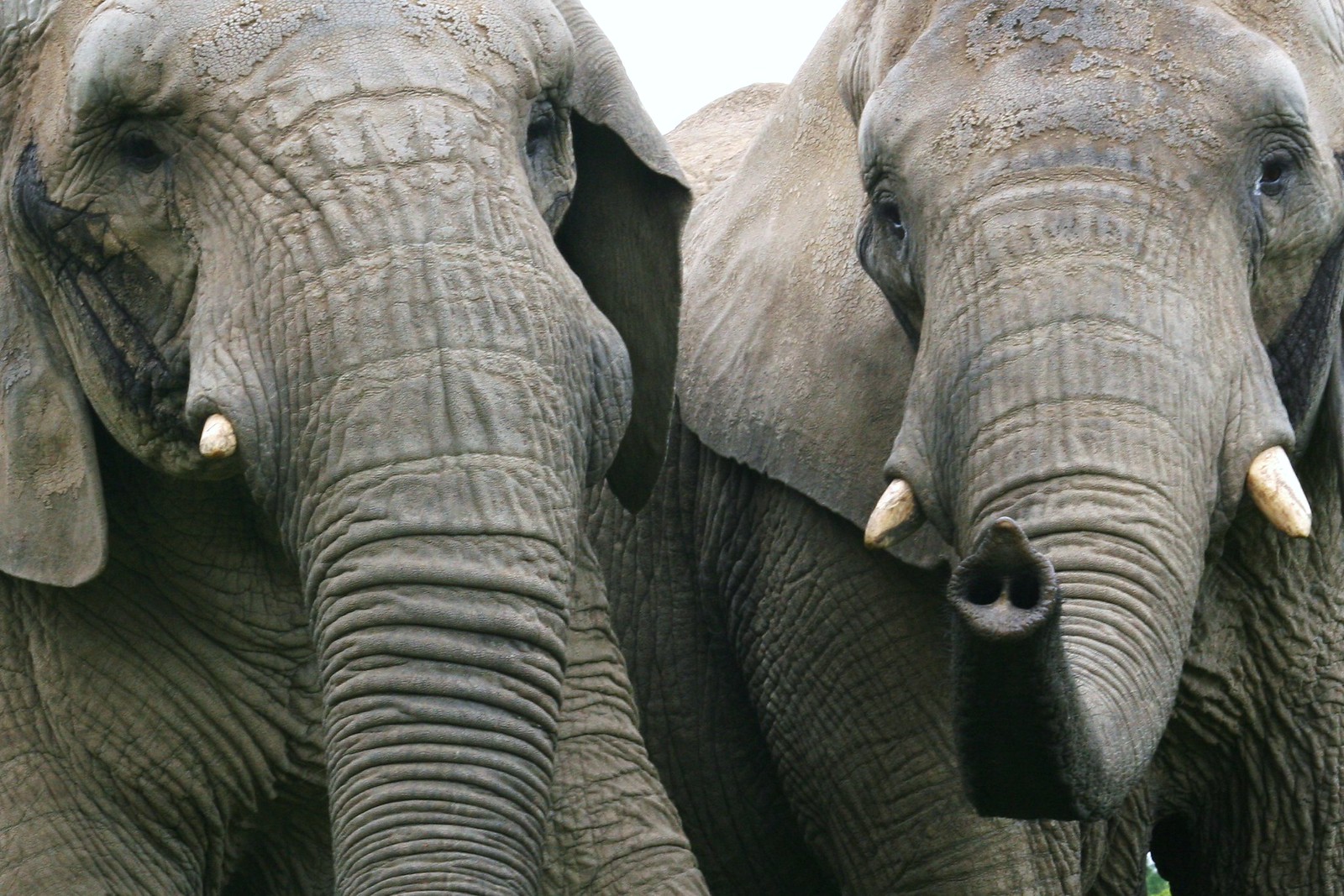
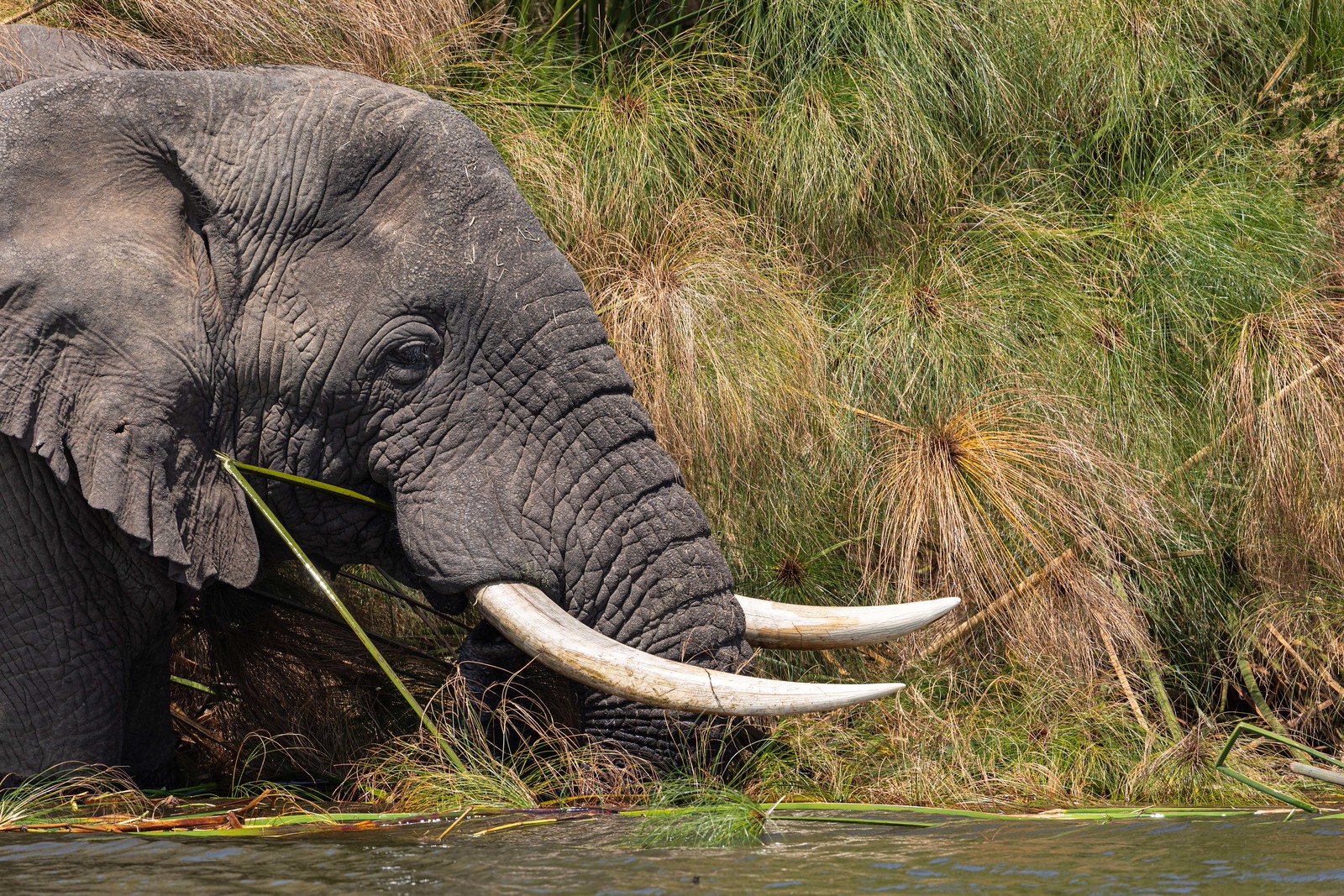
Often referred to as the “Little Ngorongoro,” Ngurdoto Crater is a collapsed volcanic caldera surrounded by steep cliffs. The crater floor is a lush swamp inhabited by elephants, buffaloes, and warthogs. While visitors cannot descend into the crater, the viewpoints along the rim offer stunning panoramas. - Serengeti Ndogo (Little Serengeti)
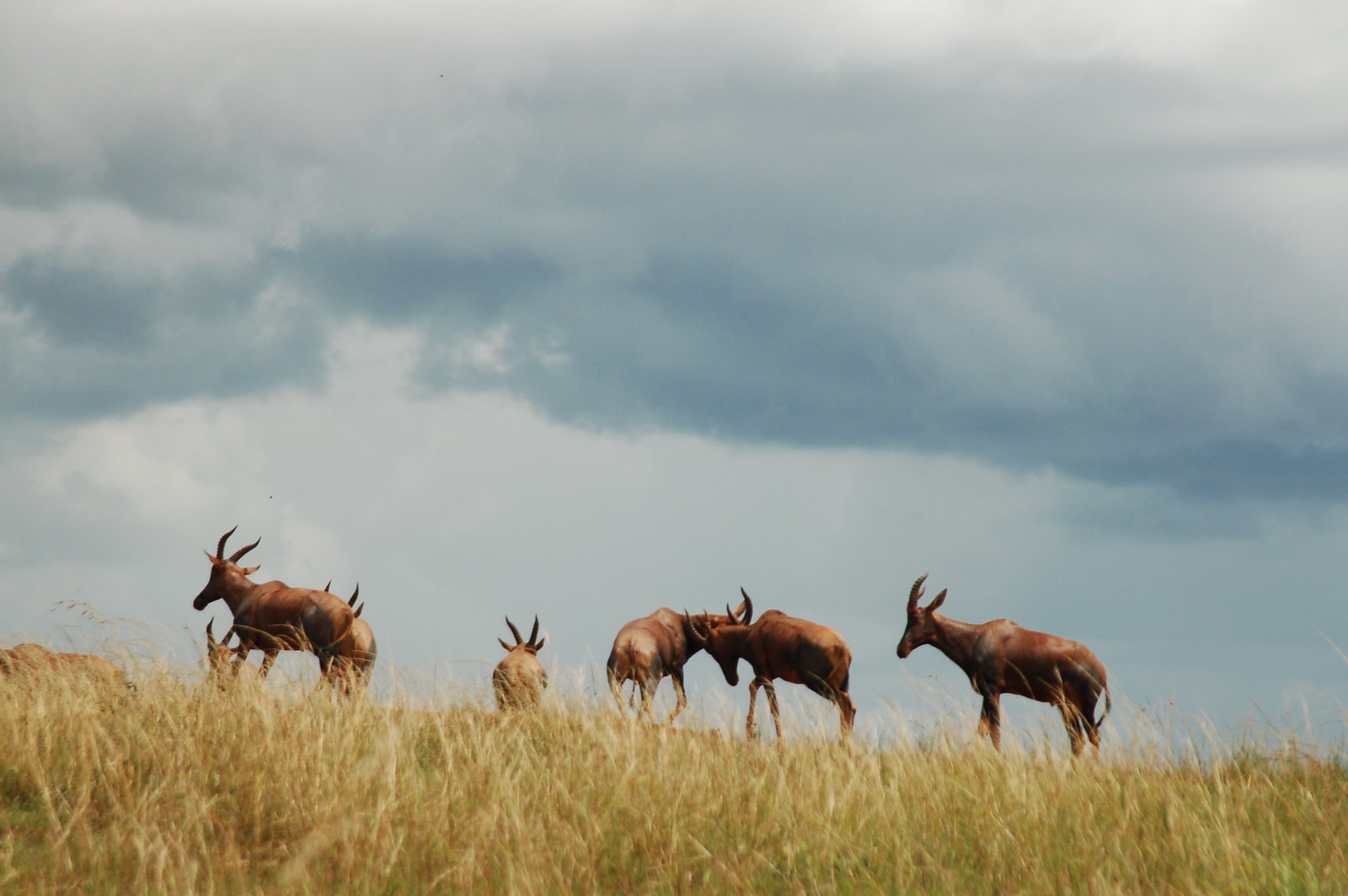
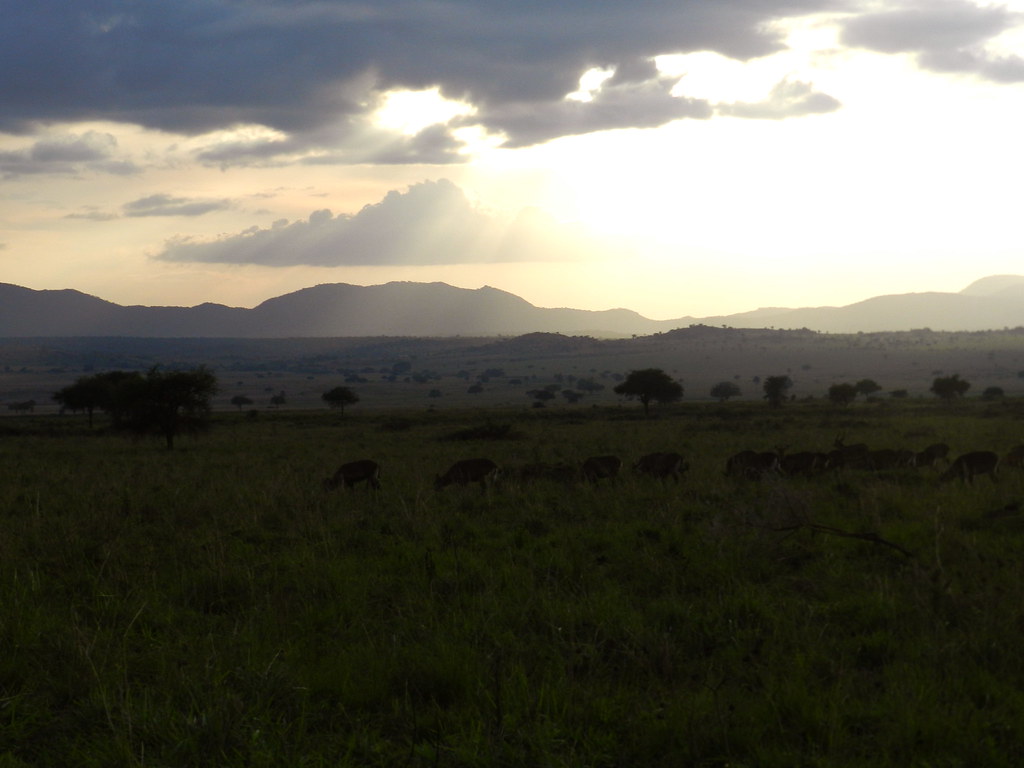
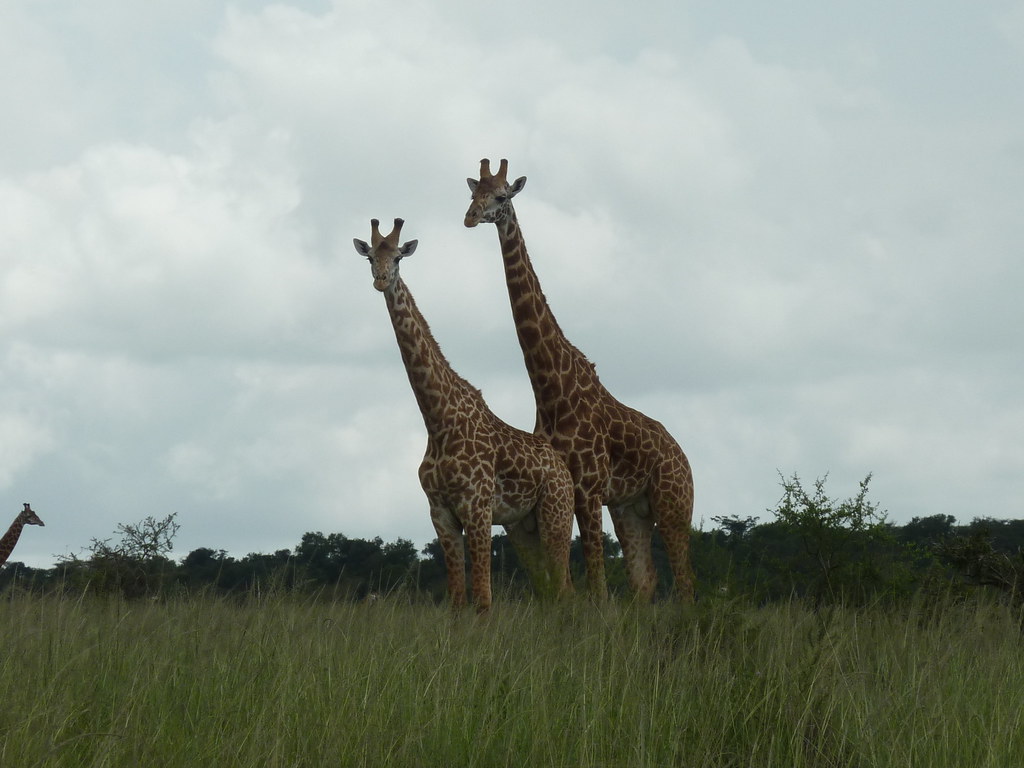
This open grassland area within the park is reminiscent of the vast Serengeti plains. It’s an excellent spot for spotting zebras, giraffes, and antelopes. The area is also known for its picturesque landscapes, making it a favorite for photographers. - Tululusia Waterfalls
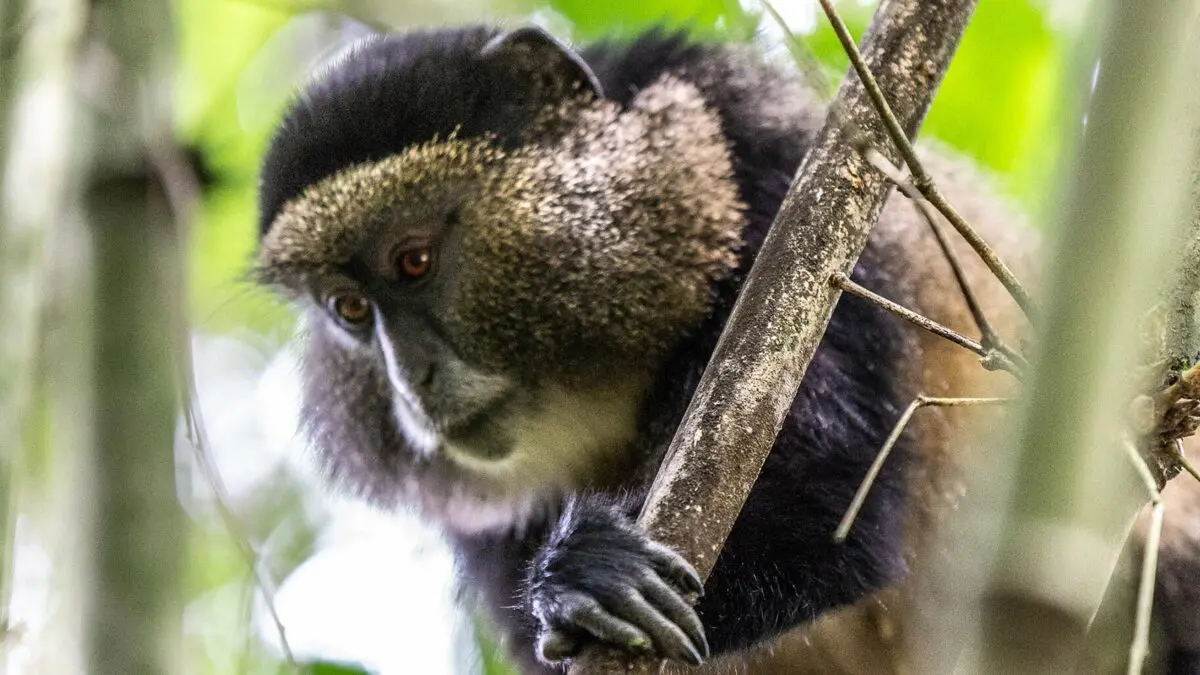
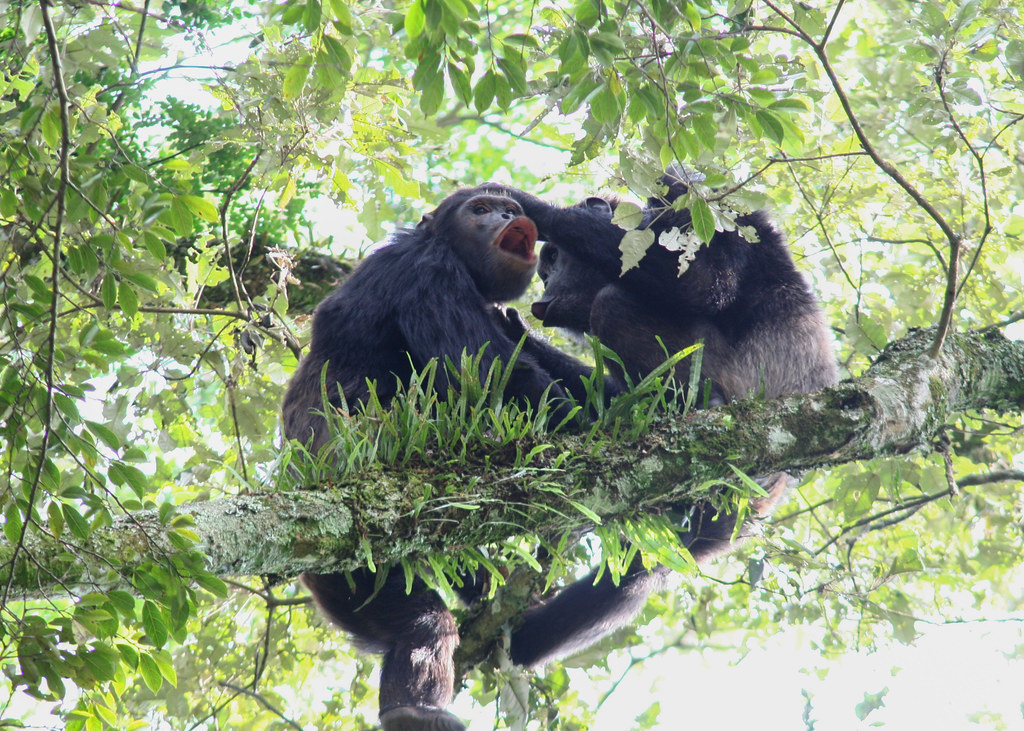
Hidden within the park’s montane forest, Tululusia Waterfalls is a serene spot perfect for a refreshing break. A guided hike to the falls allows you to immerse yourself in the park’s rich flora and fauna, including colobus monkeys and colorful bird species.
Transportation to Diverse Safari Experiences Arusha
Arusha National Park is conveniently located just a short drive from Arusha city, making it easily accessible for day trips or extended stays. Here are the most common transportation options:
- Private Vehicle
Renting a private 4×4 vehicle is the most flexible way to explore the park. Many tour operators in Arusha offer safari packages that include a vehicle, driver, and guide. This option is ideal for those who want a personalized experience. - Guided Tours
Joining a guided tour is a hassle-free way to visit the park. Most tours include transportation, park fees, and the expertise of a knowledgeable guide. This is a great option for first-time visitors. - Public Transport
For budget travelers, public transport is available from Arusha city to the park’s entrance. However, once inside the park, you’ll need to arrange for a guided tour or hire a vehicle, as public transport is not permitted within the park. - Air Travel
For those coming from other parts of Tanzania, Arusha Airport (ARK) and Kilimanjaro International Airport (JRO) are the nearest airports. From there, you can arrange for a transfer to the park.
Best Time to Explore Arusha National Park
Arusha National Park can be visited year-round, but the best time to explore depends on your preferences:
- Dry Season (June to October): This is the peak safari season, offering the best wildlife viewing opportunities. The weather is pleasant, and the vegetation is less dense, making it easier to spot animals.
- Wet Season (November to May): The park transforms into a lush green paradise during the wet season. While wildlife may be harder to spot, this is the best time for birdwatching and enjoying the park’s vibrant flora. The short rains (November to December) and long rains (March to May) are ideal for those who prefer fewer crowds.
Accommodations in and Around Arusha National Park
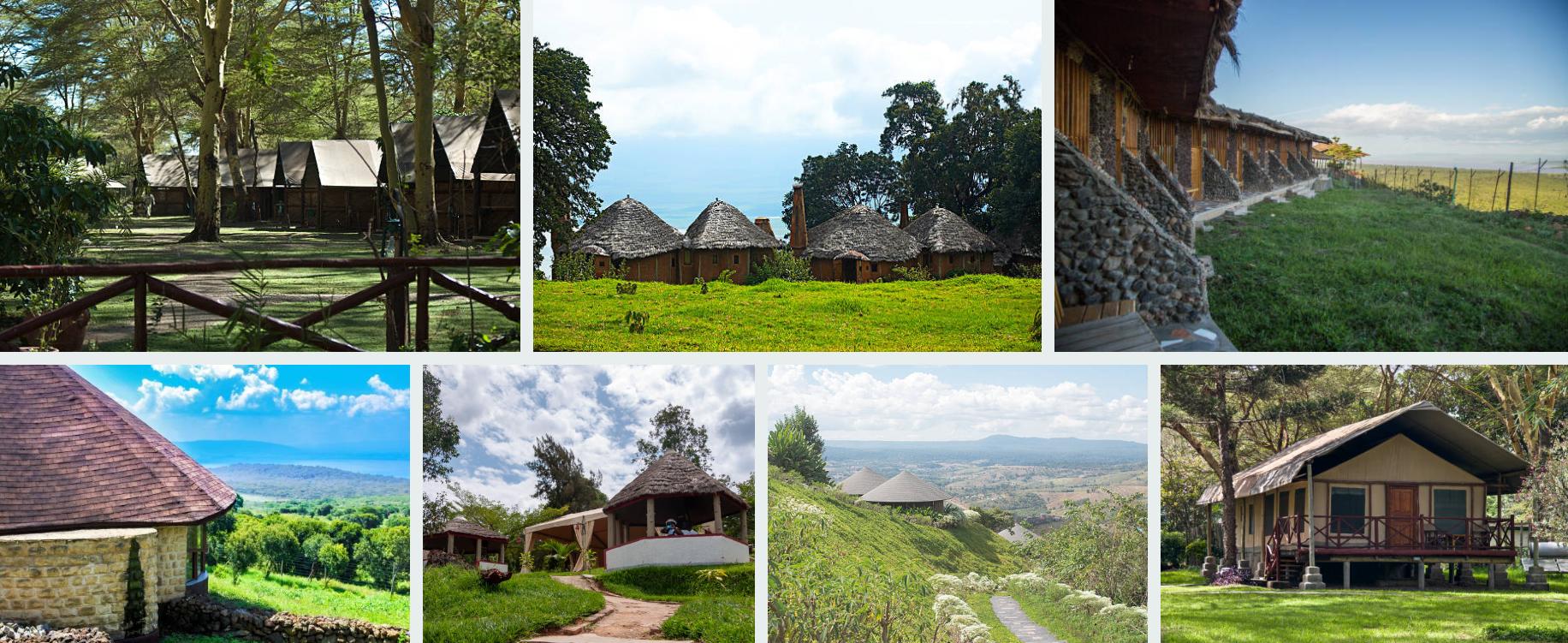
Whether you’re a budget traveler or seeking luxury, Arusha National Park offers a range of accommodations to suit every need.
- Budget Options
- Momella Wildlife Lodge: Located near the park entrance, this lodge offers affordable rooms with stunning views of Mount Meru. It’s a great base for exploring the park.
- Arusha Backpackers: Situated in Arusha city, this budget-friendly hostel offers dormitory and private rooms. It’s perfect for travelers looking to meet fellow adventurers.
- Mid-Range Options
- Kigongoni Lodge: This charming lodge is set on a coffee plantation just outside Arusha. It offers comfortable rooms, a swimming pool, and easy access to the park.
- Mount Meru Game Lodge: Located within the park, this lodge offers a unique experience with wildlife often wandering through the grounds. The rooms are cozy, and the lodge has a restaurant and bar.
- Luxury Options
- Hatari Lodge: Known for its vintage charm, Hatari Lodge offers luxurious accommodations with breathtaking views of Mount Meru. The lodge is located near the park and provides personalized service.
- Gran Meliá Arusha: For those seeking ultimate luxury, this five-star hotel in Arusha city offers world-class amenities, including a spa, fine dining, and elegant rooms. It’s an excellent choice for combining city comforts with safari adventures.
Arusha National Park may not have the Big Five in abundance, but its diverse landscapes and intimate safari experiences make it a must-visit destination. From trekking Mount Meru to canoeing on the Momella Lakes, the park offers a variety of activities that cater to all interests. Its proximity to Arusha city and its range of accommodations make it an accessible and versatile destination for travelers of all budgets.
Whether you’re seeking adventure, relaxation, or a deeper connection with nature, Arusha National Park promises an unforgettable experience. So pack your bags, grab your camera, and get ready to explore one of Tanzania’s most underrated treasures.
Related reading: Lake Manyara National Park’s tourist attractions and Getting to Serengeti national park from Arusha Tanzania.
Ready to see it for yourself? Explore our Tanzania safari tours, including the 10 Days Tanzania Wildlife Safari itinerary, or get in touch with our safari experts to start planning your trip.
Recommended Tours: 7 Days Kilimanjaro Climbing Machame Route | 8 Days Kilimanjaro Lemosho Route
How to Prepare for Climbing Kilimanjaro
Preparing well is the single most important factor in successfully summiting Mount Kilimanjaro. Unlike technical mountaineering peaks, Kilimanjaro requires no ropes or climbing equipment — but it does demand cardiovascular fitness, mental resilience, and proper acclimatization. Start your preparation at least three months before your climb.
Begin with regular cardiovascular training including hiking, running, cycling, and stair climbing. Aim to hike with a loaded backpack on uneven terrain at least once a week. Strength training focusing on legs and core will help significantly on the steep sections, particularly the Barafu or Stella Point approaches to the summit.
Sleep at altitude before your climb if possible. Even a weekend at a mountain lodge at 3,000m will help your body begin to adapt. On the mountain, the golden rule is “pole pole” — slowly, slowly. Rushing is the most common cause of altitude sickness and failed summits.
Kilimanjaro Routes Compared
There are seven official routes up Kilimanjaro, each with different scenery, difficulty levels, and summit success rates. The most popular routes are:
- Machame Route (6–7 days): Known as the “Whiskey Route” for its challenging terrain, Machame is the most scenic and has a good acclimatization profile. Success rate: ~85% on 7-day itinerary.
- Lemosho Route (7–8 days): Starting from the west, Lemosho offers the most diverse scenery and the best acclimatization profile. Fewer crowds. Success rate: ~90%.
- Marangu Route (5–6 days): The only route with hut accommodation. Called the “Coca-Cola Route,” it is the shortest but has the lowest success rate (~65%) due to insufficient acclimatization time.
- Rongai Route (6–7 days): The only route approaching from the north, near the Kenyan border. Drier and less crowded, with good wildlife sightings in the lower zone.
- Northern Circuit (9 days): The longest route with the highest success rate (~95%). Circles the entire northern hemisphere of the mountain before the summit push.
Frequently Asked Questions About Kilimanjaro
What is the success rate on Kilimanjaro?
Overall summit success rates on Kilimanjaro range from 65% to 95% depending on the route and itinerary length. The most important factor is choosing a route with sufficient days for acclimatization. Seven or more days dramatically increases your chances of reaching Uhuru Peak at 5,895m.
What gear do I need for Kilimanjaro?
Essential gear includes: waterproof hiking boots (worn in advance), a sleeping bag rated to -10°C, thermal base layers, a fleece mid-layer, a waterproof outer shell, trekking poles, a warm hat, gloves, sun protection (sunscreen, sunglasses, lip balm), a headlamp with spare batteries, and a 35–45 litre daypack. Most operators provide a detailed packing list upon booking.
When is the best time to climb Kilimanjaro?
The two best periods for climbing Kilimanjaro are January–March and June–October. These months have clearer skies and drier trails. The wettest months are April–May and November, which bring more challenging conditions but also fewer climbers and lower prices.
Do I need a guide to climb Kilimanjaro?
Yes — it is mandatory to climb Kilimanjaro with a licensed guide. Solo climbing is not permitted in Kilimanjaro National Park. All guides, porters, and cooks must be registered with the Kilimanjaro National Park Authority (KINAPA). Booking through a reputable operator ensures your crew is properly trained, equipped, and fairly compensated.
Tanzania and East Africa Safari Experiences
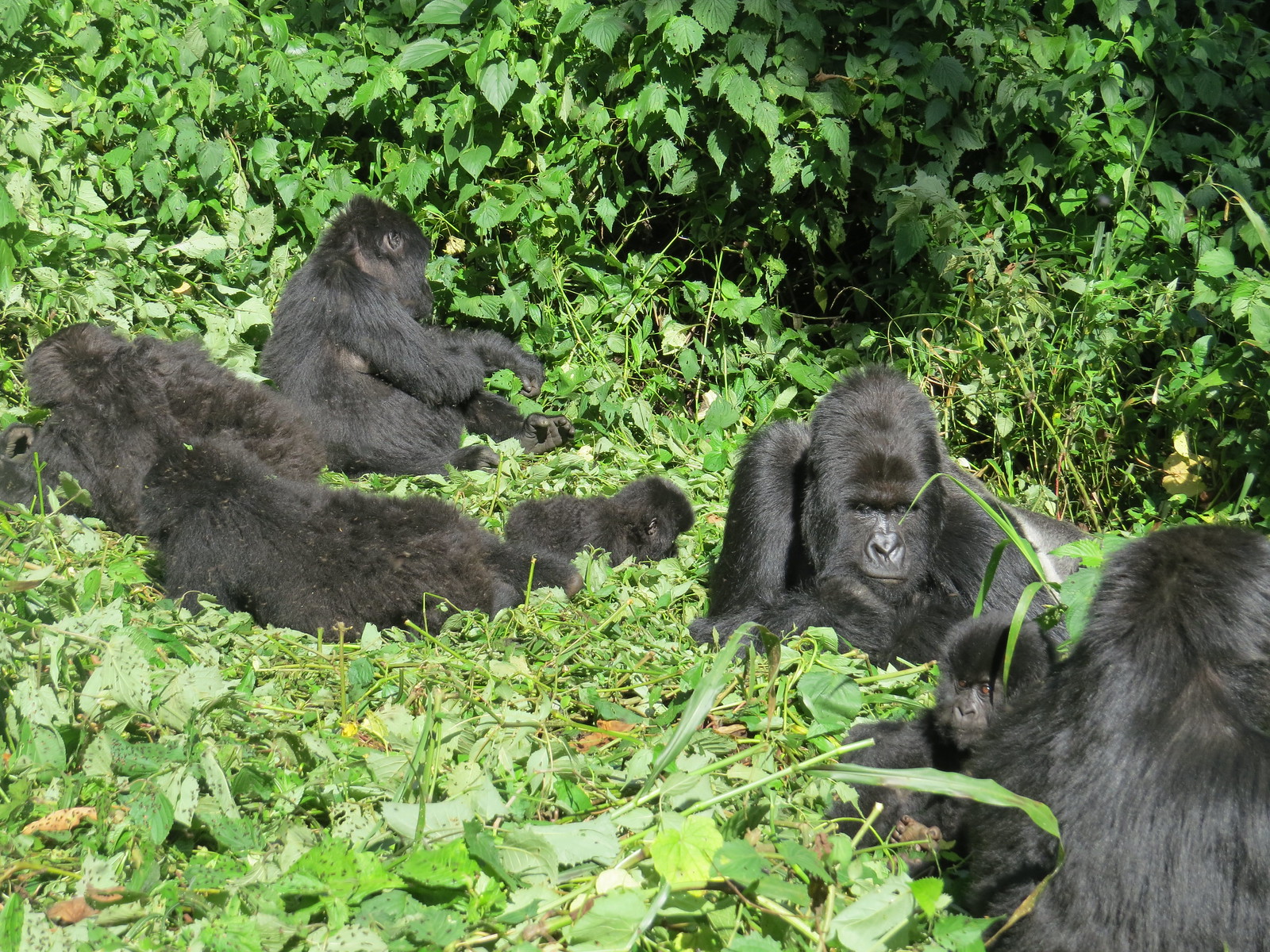
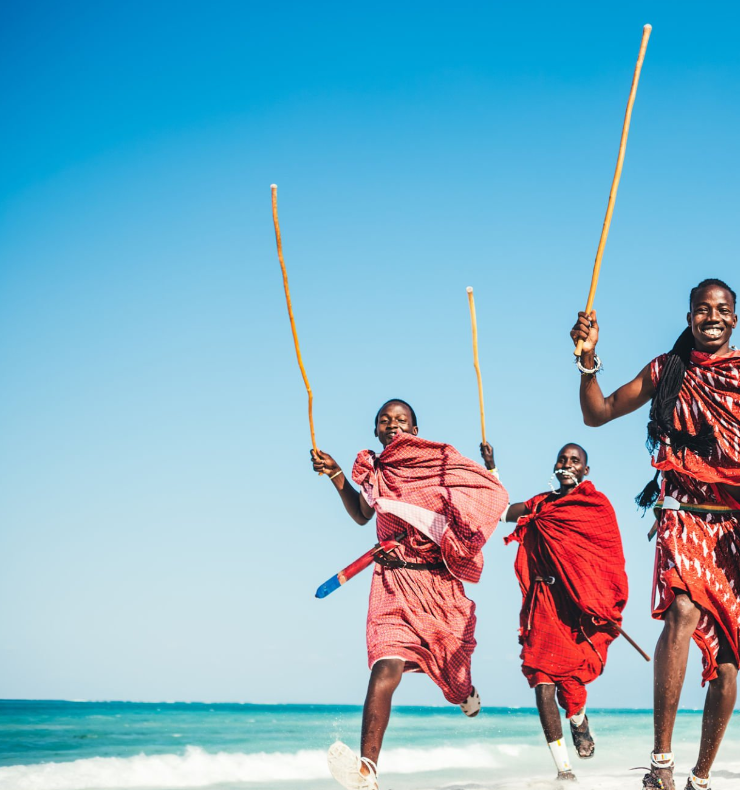
Tanzania’s national parks offer spectacular wildlife encounters alongside Kilimanjaro climbing adventures. The Serengeti hosts the Great Wildebeest Migration – over 1.5 million animals crossing the plains. Ngorongoro Crater provides guaranteed Big Five sightings within its ancient caldera. Tarangire, Lake Manyara, Arusha, and Ruaha National Parks each offer unique wildlife experiences. Enjoy hot air balloon safaris at sunrise and world-class birding. Combine Kilimanjaro with gorilla trekking in Uganda or Rwanda for the ultimate East Africa adventure. Zanzibar beach extensions and Maasai cultural experiences complete your Tanzania journey. Choose from luxury, camping, family, or fly-in safaris.