Gorilla Trekking with Children
March 24, 2026
Is Gorilla Trekking Worth the Cost?
March 24, 2026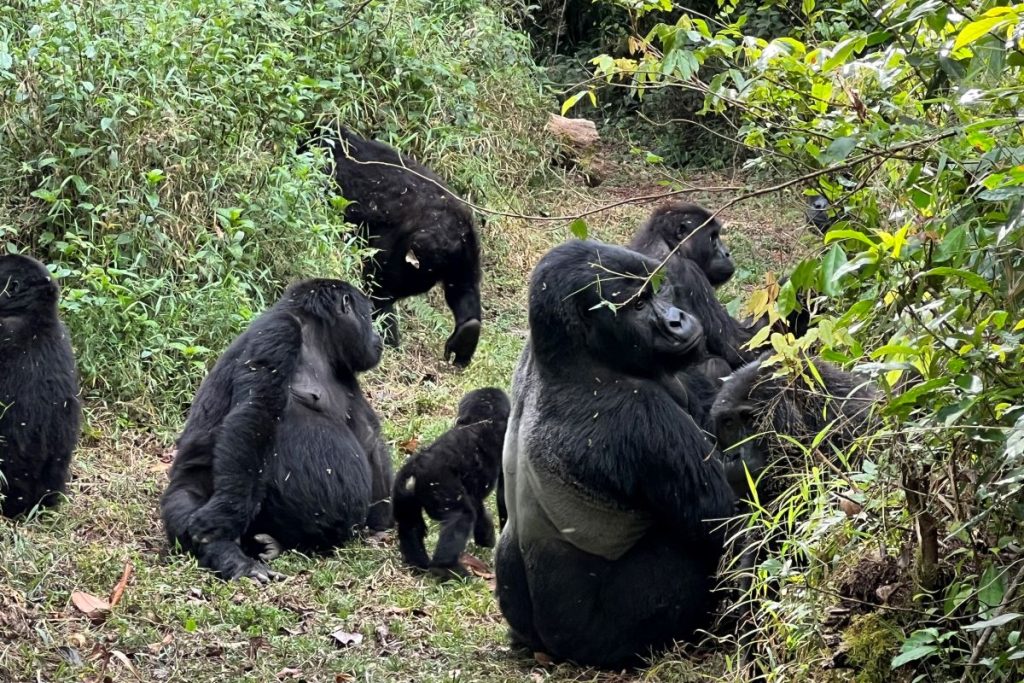
Gorilla Trekking for Seniors: What You Need to Know
Gorilla trekking in Uganda and Rwanda is often described as a once-in-a-lifetime adventure, and seniors increasingly seek to experience this extraordinary wildlife encounter. Trekking to see mountain gorillas offers a blend of adventure, nature immersion, and personal connection with one of the world’s most endangered primates. For seniors, however, preparation, physical readiness, and careful planning are essential to ensure a safe and enjoyable experience.
Mountain gorilla trekking combines moderate to strenuous hiking with observation of wild gorillas in their natural habitats. Seniors considering this activity benefit from understanding trail conditions, trekking duration, age and health requirements, and the necessary gear. With proper preparation and support, seniors can fully enjoy the thrill and emotional impact of witnessing gorillas in the wild.
Physical Requirements and Health Considerations
Gorilla trekking can be physically demanding, as trails often involve steep inclines, uneven terrain, mud, and dense vegetation. Seniors should assess their fitness level and consult a healthcare provider before undertaking a trek. Regular walking, light hiking, and endurance exercises prior to the trip can help build stamina and prepare for forest conditions.
Medical conditions such as heart issues, joint problems, or respiratory conditions may require extra precautions. Trekking with seniors who have limited mobility may involve selecting easier trails, using walking sticks or trekking poles, and taking frequent breaks to maintain comfort. Some tour operators provide modified itineraries specifically designed for seniors, ensuring access to gorilla families in less challenging terrain.
Age Requirements and Guidelines
While there is no upper age limit for gorilla trekking, minimum age requirements are enforced for safety reasons. Uganda and Rwanda require that all trekkers, including seniors, be at least 15 years old. For older adults, the main concern is stamina, health, and the ability to navigate forest trails safely.
Guides are trained to accommodate seniors, providing support during the trek, pacing the group appropriately, and assisting with any challenges encountered along the trail. Seniors should be aware that treks may last from two to six hours depending on the location of the gorillas and trail conditions.
Trekking Experience and Difficulty
Trekking experiences vary depending on the sector and the habituated gorilla family being visited. In Uganda, Bwindi Impenetrable National Park offers multiple trekking sectors, including Buhoma, Rushaga, Ruhija, and Nkuringo, each with distinct terrain and difficulty levels. In Rwanda, Volcanoes National Park provides accessible trekking routes with stunning volcanic landscapes.
Seniors should select trekking sectors with moderate slopes and well-maintained paths, such as Buhoma in Bwindi or families like Susa in Volcanoes National Park. Steeper, remote sectors such as Nkuringo or Karisimbi may be more suitable for active seniors with prior trekking experience. Guides help determine the best match between a senior trekker’s capabilities and the chosen gorilla family.
Preparing for a Senior-Friendly Trek
Preparation is key to ensuring that seniors enjoy their gorilla trekking experience. Essential steps include:
- Physical preparation: Regular walking or hiking, strength exercises, and balance training.
- Packing appropriately: Lightweight, moisture-wicking clothing, sturdy hiking boots, gaiters, gloves, hats, and rain protection.
- Health precautions: Carry any required medications, consult a physician, and ensure adequate hydration and nutrition.
- Support equipment: Walking sticks or trekking poles to navigate uneven terrain safely.
- Mental preparation: Understanding the trek’s physical demands, trail conditions, and time required.
Seniors should also be aware of altitude, humidity, and potential changes in weather during the trek. Layered clothing allows for adjustment to varying temperatures and forest conditions.
Safety and Ethical Considerations
Gorilla trekking with seniors requires strict adherence to safety and ethical guidelines. Maintaining a safe distance from gorillas, moving quietly, and following ranger instructions are essential to protect both trekkers and primates. Seniors should pace themselves and not feel pressured to keep up with younger members of the group.
Guides provide assistance when needed, helping seniors navigate tricky terrain and ensuring that trekking remains a positive and safe experience. Ethical observation is particularly important for older trekkers who may be eager to approach wildlife for photography; maintaining respectful distances and avoiding sudden movements protects gorilla welfare.
Benefits of Gorilla Trekking for Seniors
Despite the physical demands, seniors often find gorilla trekking highly rewarding. The trek offers:
- Connection with nature: Observing gorillas in their natural habitat fosters a deep sense of wonder and appreciation for wildlife.
- Educational value: Seniors learn about gorilla behavior, social structures, and conservation efforts.
- Physical engagement: Moderate exercise improves stamina and overall well-being.
- Emotional enrichment: Witnessing gorillas’ interactions often evokes joy, awe, and reflection.
- Contribution to conservation: Trekking fees directly support habitat protection, anti-poaching initiatives, and local community programs.
For seniors, these benefits combine to create a memorable, transformative experience that goes beyond conventional wildlife tourism.
Accommodation and Logistics for Seniors
Seniors benefit from comfortable accommodations near trekking starting points. In Bwindi, lodges such as Buhoma Lodge, Gorilla Mist Camp, and Gorilla Forest Camp provide accessible facilities with quality amenities. In Volcanoes National Park, lodges like Sabyinyo Silverback Lodge and Bisate Lodge offer luxury, comfort, and proximity to trekking trails.
Travel logistics, including transportation to the park, should be planned with seniors’ comfort in mind. Private vehicles, shorter transfers, and scheduled rest stops enhance the overall experience. Reputable tour operators often tailor itineraries for senior trekkers, ensuring convenience and safety throughout the journey.
Tips for Seniors Undertaking Gorilla Trekking
- Schedule treks during the dry season (June–September, December–February) for easier trail conditions.
- Choose trekking sectors or families with moderate terrain and accessible paths.
- Pace yourself and take regular breaks to maintain energy and avoid fatigue.
- Use walking sticks or trekking poles for stability.
- Stay hydrated and carry water and light snacks.
- Wear layered, breathable clothing suitable for changing weather.
- Follow ranger instructions and ethical guidelines to ensure safety.
- Engage in cultural or educational activities before or after the trek to enhance the overall experience.
Gorilla trekking for seniors offers a unique combination of adventure, education, and emotional enrichment. With proper preparation, attention to health and physical readiness, and careful selection of trekking sectors, seniors can enjoy safe and meaningful encounters with mountain gorillas in Uganda and Rwanda.
This experience not only provides unforgettable memories but also allows seniors to contribute to conservation efforts, support local communities, and witness the beauty of one of Africa’s most remarkable species. By approaching gorilla trekking with awareness, preparation, and respect, seniors can enjoy a life-changing journey into the heart of the forest, observing the intelligence, social complexity, and emotional depth of mountain gorillas up close.