How to Get to Virunga National Park
March 26, 2026
Eastern Lowland Gorillas vs Mountain Gorillas
March 26, 2026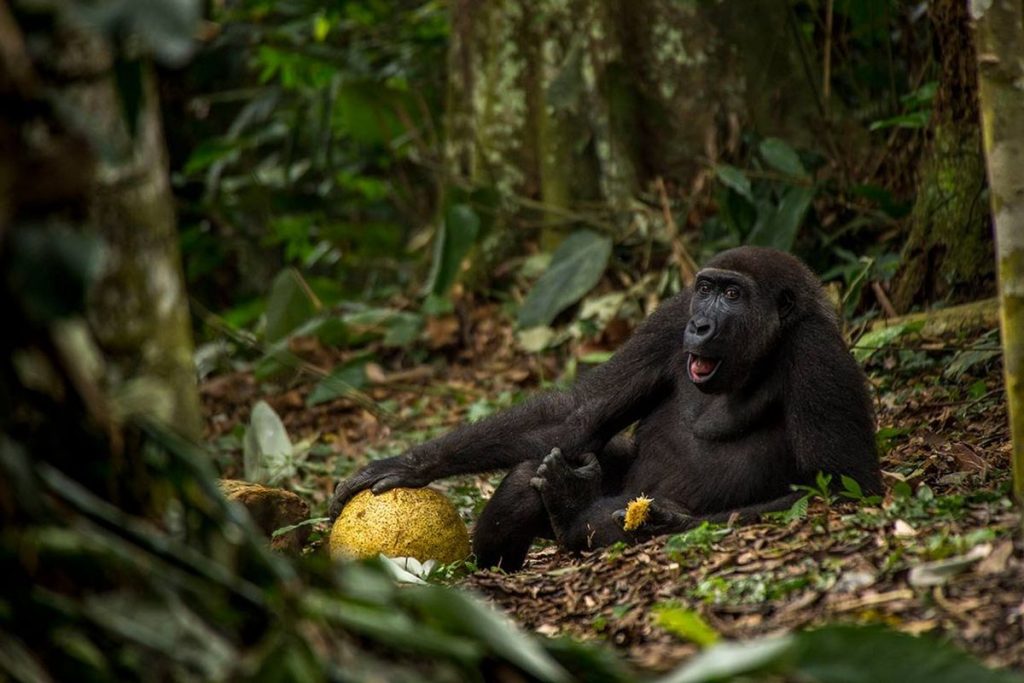
Gorilla Trekking in Kahuzi-Biega National Park: Eastern Lowland Gorillas
Kahuzi-Biega National Park is one of Africa’s most unique and biodiverse destinations, offering travelers the rare opportunity to encounter eastern lowland gorillas (Gorilla beringei graueri) in their natural habitat. Located in the eastern Democratic Republic of the Congo (DRC), near the city of Bukavu and the border with Rwanda, the park is distinguished by its mountainous terrain, dense tropical rainforest, and volcanic landscapes.
In 2026, Kahuzi-Biega remains a less-visited alternative to the more famous mountain gorilla trekking sites of Uganda, Rwanda, and Virunga, providing a more exclusive and intimate wildlife experience. The park’s eastern lowland gorillas are larger and less habituated than their mountain counterparts, making encounters both rare and extraordinary.
Gorilla trekking in Kahuzi-Biega not only offers incredible wildlife viewing but also supports critical conservation efforts in a region that has faced historical conflict, poaching, and habitat loss. Travelers to the park can expect a blend of adventure, education, and environmental stewardship.
Eastern Lowland Gorillas: What Makes Them Special
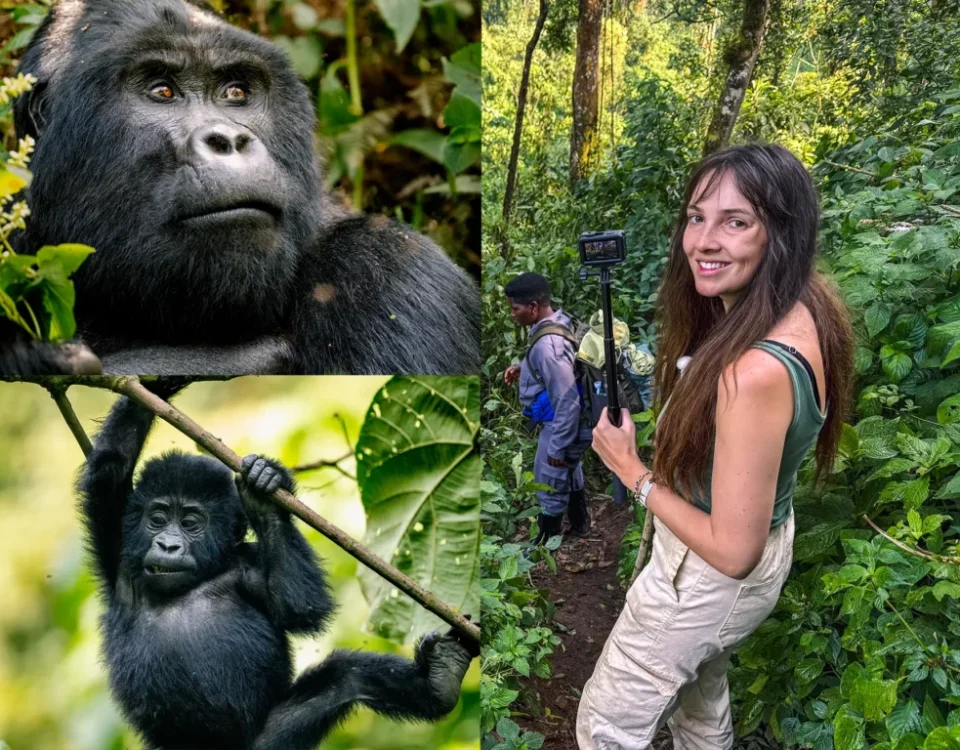
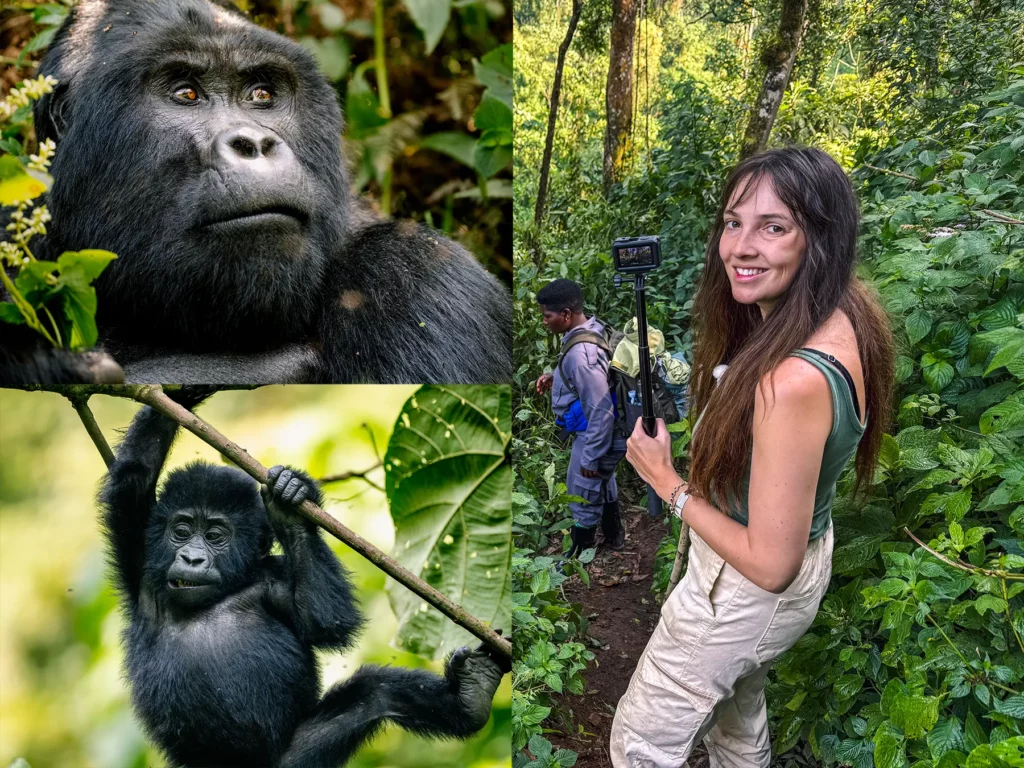
Eastern lowland gorillas are the largest of all gorilla subspecies, with males weighing up to 250 kilograms and standing taller than mountain gorillas. Unlike the more commonly trekked mountain gorillas, they inhabit lower-altitude tropical forests, often surrounded by rugged mountains and valleys.
Key features of eastern lowland gorillas include:
- Larger body size compared to mountain gorillas, with broad chests and long arms.
- Distinctive facial features and a slightly darker, sparser coat.
- Shy and cautious behavior, making encounters highly rewarding for trekkers.
- Habitat preferences that include dense lowland forest, swamps, and bamboo groves, which influence trekking routes and difficulty.
These gorillas are critically endangered, with only a few thousand individuals remaining in the wild. Visiting Kahuzi-Biega contributes directly to conservation, funding anti-poaching patrols, habitat protection, and community initiatives.
Trekking Experience and Routes
Trekking eastern lowland gorillas in Kahuzi-Biega is an immersive and physically engaging experience. The park is divided into various sectors, with gorilla families monitored by rangers and guides.
- Permits and Guides: All treks require official permits and the accompaniment of trained rangers. Permits are limited to reduce environmental impact and ensure quality encounters.
- Trail Conditions: Trekking involves navigating dense forests, steep slopes, and muddy paths. Hikers should have moderate fitness and prepare for a few hours of walking to reach gorilla families.
- Duration: Treks may take 2 to 6 hours, depending on the location of the gorilla group and trail conditions. Once the group is located, visitors spend up to one hour observing gorilla behavior.
- Safety and Etiquette: Guides instruct trekkers to maintain a safe distance, avoid loud noises, and respect the gorillas’ natural behavior. Masks and hand sanitation are recommended to minimize disease transmission.
Unlike the more habituated mountain gorillas in Rwanda or Uganda, eastern lowland gorillas may be more elusive, adding an element of adventure and anticipation to each trek.
Logistics and Planning
Accessing Kahuzi-Biega National Park requires careful planning due to its location in eastern DRC.
- Entry Points: The closest city is Bukavu, which has road and air connections. From Bukavu, travelers can reach park lodges or trailheads via 4×4 vehicles arranged by tour operators.
- International Access: Most travelers enter from Rwanda or Uganda, crossing the border with valid visas and park permits. Flights to Kigali or Entebbe followed by road transfer are common routes.
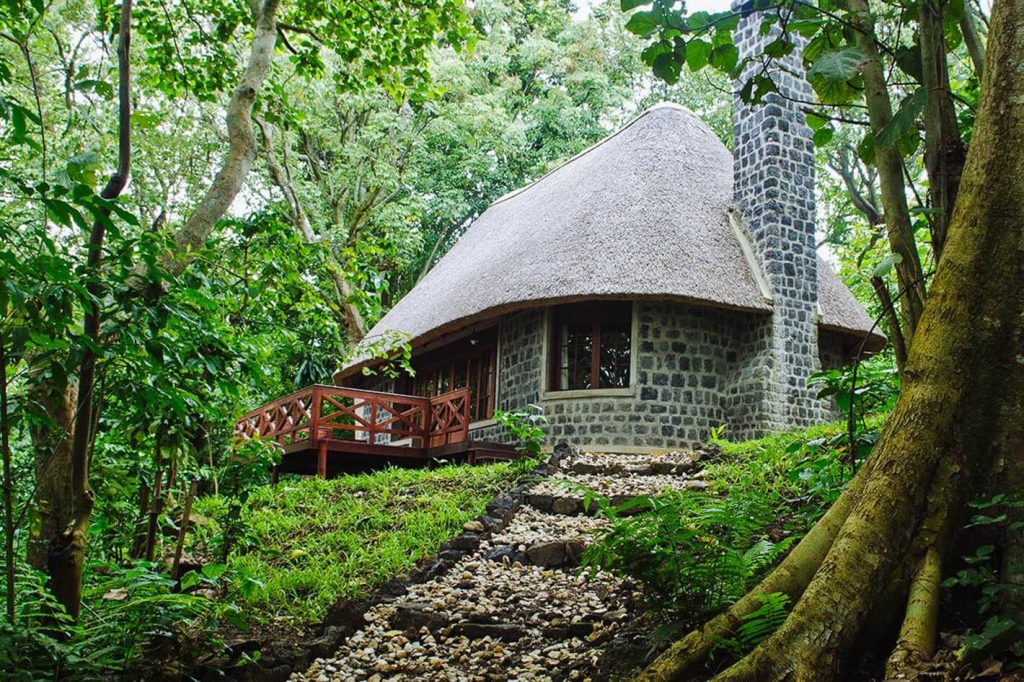
- Accommodations: Options range from eco-lodges near Bukavu to rustic forest camps closer to trailheads. Lodges often provide meals, guides, and coordination with park authorities.
- Timing: The dry seasons, from June to September and December to March, are ideal for trekking, as trails are less slippery and wildlife visibility is higher.
Travelers should allow extra time for border procedures, road transfers, and contingencies, as infrastructure in eastern DRC can be unpredictable.
Conservation and Community Impact
Kahuzi-Biega National Park is a UNESCO World Heritage Site, recognized for its ecological and cultural significance. Gorilla trekking plays a critical role in conservation by:
- Funding anti-poaching patrols and ranger operations.
- Supporting community initiatives, including education, healthcare, and alternative livelihoods.
- Promoting sustainable tourism, which incentivizes local communities to protect wildlife and forest habitats.
Responsible trekking ensures that tourism benefits both wildlife and local communities while minimizing environmental impact.
Safety Considerations
While gorilla trekking in Kahuzi-Biega is generally safe, travelers should adhere to the following precautions:
- Always follow guides’ instructions to avoid conflicts with wildlife or unsafe terrain.
- Carry first aid, water, and snacks, especially for longer treks.
- Be aware of local security updates, as eastern DRC has regions of political instability.
- Maintain physical preparedness, as treks can be strenuous and involve steep climbs and muddy paths.
These measures help ensure a safe and rewarding trekking experience while respecting the gorillas’ natural behavior.
Why Choose Kahuzi-Biega for Gorilla Trekking
Kahuzi-Biega offers a distinctive gorilla trekking experience compared to other well-known destinations:
- Less crowded: Treks are often more intimate due to limited permits.
- Unique subspecies: Encounter the critically endangered eastern lowland gorillas, which are rarely seen elsewhere.
- Diverse ecosystems: Trek through lowland rainforest, bamboo forests, and volcanic slopes.
- Adventure combined with conservation: Every visit contributes to protecting a fragile ecosystem.
For travelers seeking a less commercialized and authentic gorilla encounter, Kahuzi-Biega is a compelling alternative to Uganda, Rwanda, or Virunga National Park.
Sample Itinerary
A typical 3-day Kahuzi-Biega itinerary might include:
- Day 1: Arrival in Bukavu, transfer to lodge, briefing on park rules and trek expectations.
- Day 2: Early morning trek to an eastern lowland gorilla family, guided observation, return to lodge in the afternoon.
- Day 3: Optional second trek, visit to local communities or forest exploration, then departure to Bukavu for onward travel.
Operators can tailor itineraries to include cultural experiences, secondary wildlife tracking, and scenic hikes in the surrounding volcanic landscape.
Gorilla trekking in Kahuzi-Biega National Park offers a rare and unforgettable wildlife adventure for travelers in 2026. The opportunity to observe eastern lowland gorillas in a remote, biodiverse setting is both exhilarating and educational. While logistics in eastern DRC require careful planning, the combination of intimate wildlife encounters, conservation impact, and rugged natural beauty makes this destination a must-visit for serious wildlife enthusiasts and responsible travelers.