Is Gorilla Trekking Worth the Cost?
March 24, 2026
Gorilla Trekking in the Dry Season vs Rainy Season
March 24, 2026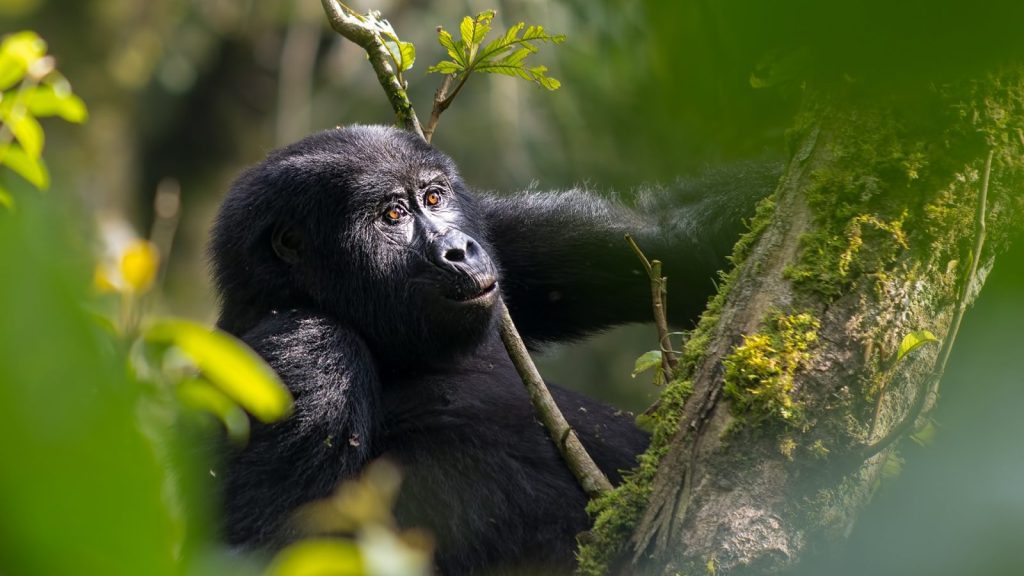
Gorilla Trekking Photography Tips: Getting the Best Shots
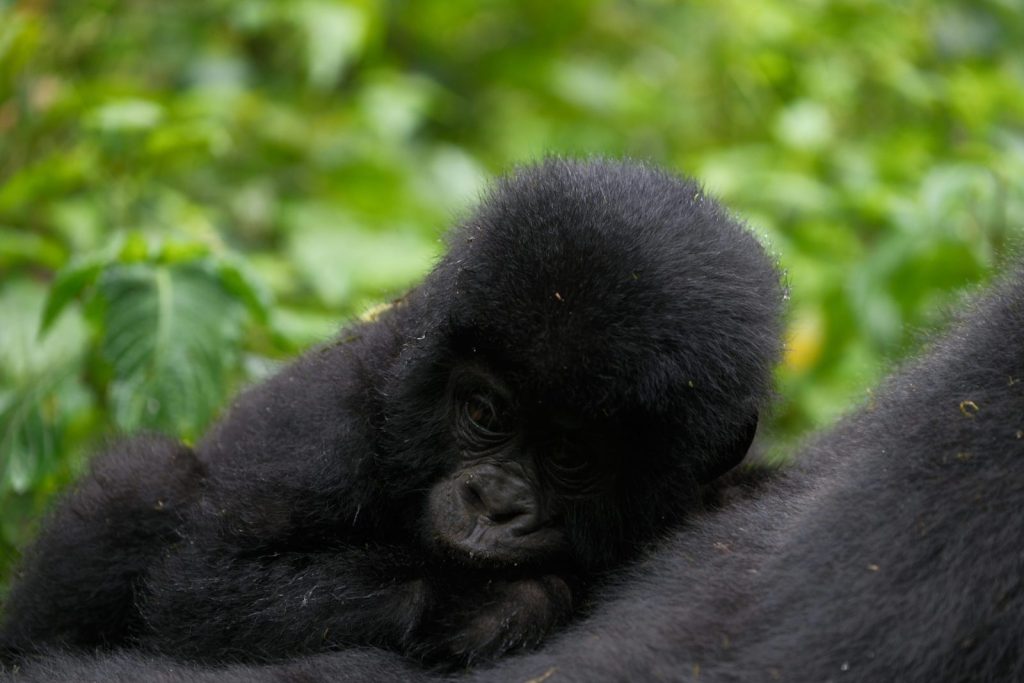
Gorilla trekking in Uganda’s Bwindi Impenetrable National Park or Rwanda’s Volcanoes National Park offers photographers a rare opportunity to capture one of the world’s most endangered and intelligent species. Mountain gorillas display complex behaviors, expressive faces, and dynamic social interactions, making them ideal subjects for wildlife photography. However, photographing gorillas presents unique challenges, from dense forest lighting to ethical constraints that protect both the animals and trekkers.
A successful gorilla photography experience requires preparation, technical skill, and an understanding of gorilla behavior. Beyond capturing stunning images, photographers contribute to conservation awareness by documenting these iconic primates, sharing their lives, and highlighting the importance of ethical wildlife tourism.
Understanding Gorilla Behavior for Photography
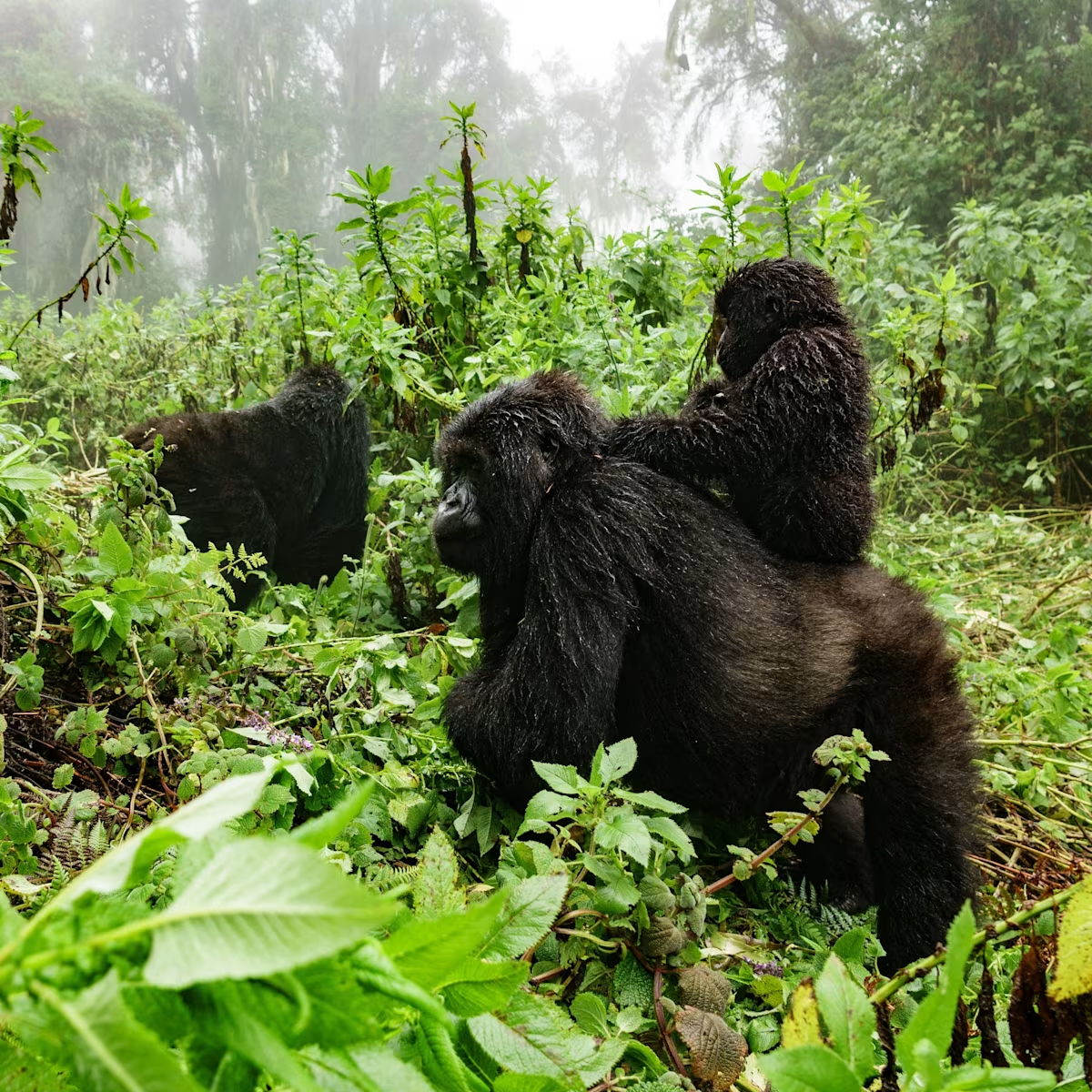
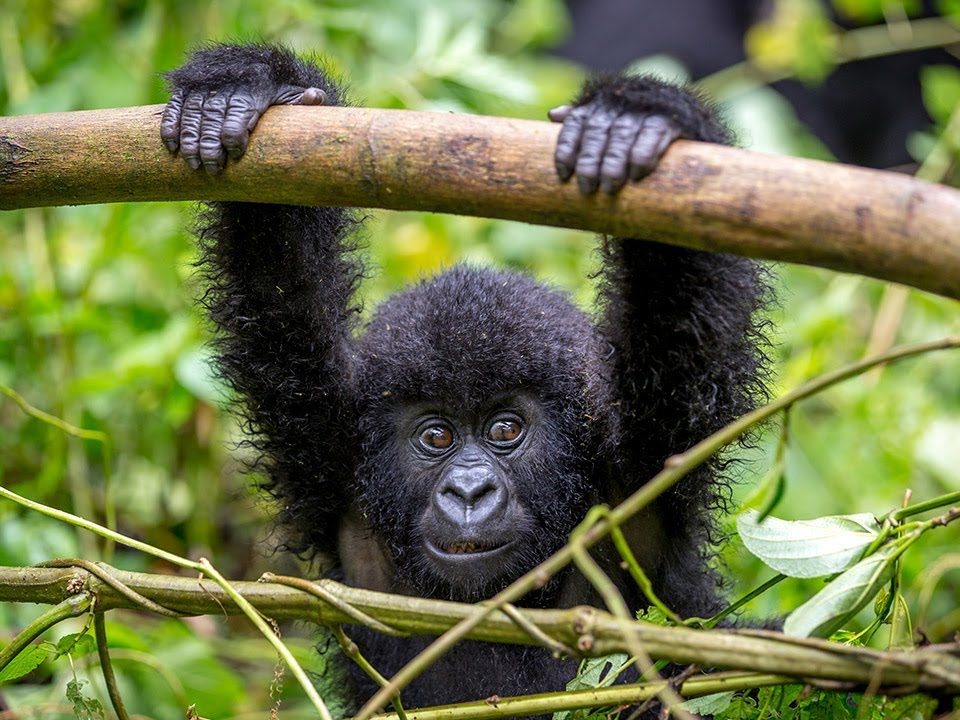
Mountain gorillas live in cohesive family groups led by dominant silverbacks. Understanding their behavior is essential for capturing compelling photographs. Gorillas spend much of their day feeding, grooming, resting, and moving through the forest. Juveniles play, climb, and interact playfully, while silverbacks protect the group and establish boundaries.
Observing gorilla body language and social cues allows photographers to anticipate actions and frame meaningful shots. For example, watching a silverback’s posture or a juvenile’s play interactions helps capture decisive moments. Patience is crucial, as gorillas move unpredictably and often spend time in dense vegetation or shaded areas. Guides and trackers provide insights into likely behaviors and locations, increasing the chance of capturing memorable images.
Equipment Recommendations
Choosing the right equipment is vital for gorilla photography. While professional cameras offer greater flexibility, even high-quality smartphones can capture memorable moments with careful technique. Key equipment considerations include:
- Camera: DSLR or mirrorless cameras with fast autofocus and image stabilization perform best.
- Lens: Telephoto lenses (200–400mm) allow close-up shots from a safe distance without disturbing the gorillas. Wide-angle lenses can capture group interactions and forest context.
- Tripod/Monopod: Lightweight monopods help stabilize shots on uneven terrain, though rangers may request minimal equipment to maintain safety.
- Filters: Polarizing filters reduce glare and enhance foliage, especially in humid forest conditions.
- Memory and Batteries: Extra memory cards and batteries are essential, as gorilla treks can last several hours and remote locations may not offer charging facilities.
Camera Settings for Forest Conditions
Dense forests create challenging lighting, with patches of sunlight and deep shadows. Recommended camera settings include:
- ISO: Adjust to higher values (800–1600) to compensate for low light while avoiding excessive noise.
- Aperture: Wide apertures (f/2.8–f/5.6) create shallow depth of field and isolate subjects from the background.
- Shutter Speed: Use fast shutter speeds (1/250–1/500 sec) to capture moving gorillas without blur.
- Focus Mode: Continuous autofocus (AF-C) helps track gorillas as they move through the forest.
- White Balance: Auto white balance often works well, but custom adjustments can enhance natural colors in mixed lighting conditions.
Ethical Photography Guidelines
Ethical considerations are paramount in gorilla photography. Maintaining the welfare of the gorillas and following park regulations ensures that wildlife observation remains sustainable. Key guidelines include:
- Maintain a minimum distance of 7 meters from gorillas to avoid stress or disease transmission.
- Avoid flash photography, as it can startle the animals and disturb their natural behavior.
- Move slowly and quietly to prevent sudden disturbances.
- Limit interaction time to the one-hour permit window, ensuring minimal disruption.
- Respect ranger instructions at all times.
Ethical photography not only protects gorillas but also improves the quality of shots, as relaxed and naturally behaving animals produce more authentic and compelling images.
Composition and Creative Techniques
Effective composition enhances storytelling and visual impact:
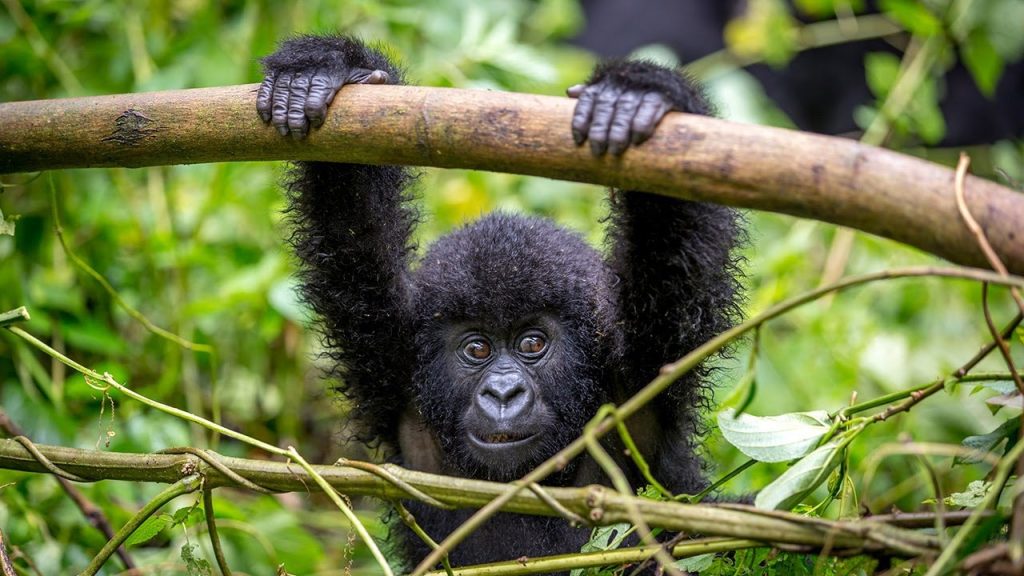
- Framing: Use natural elements like foliage, branches, and forest light to frame gorillas and create depth.
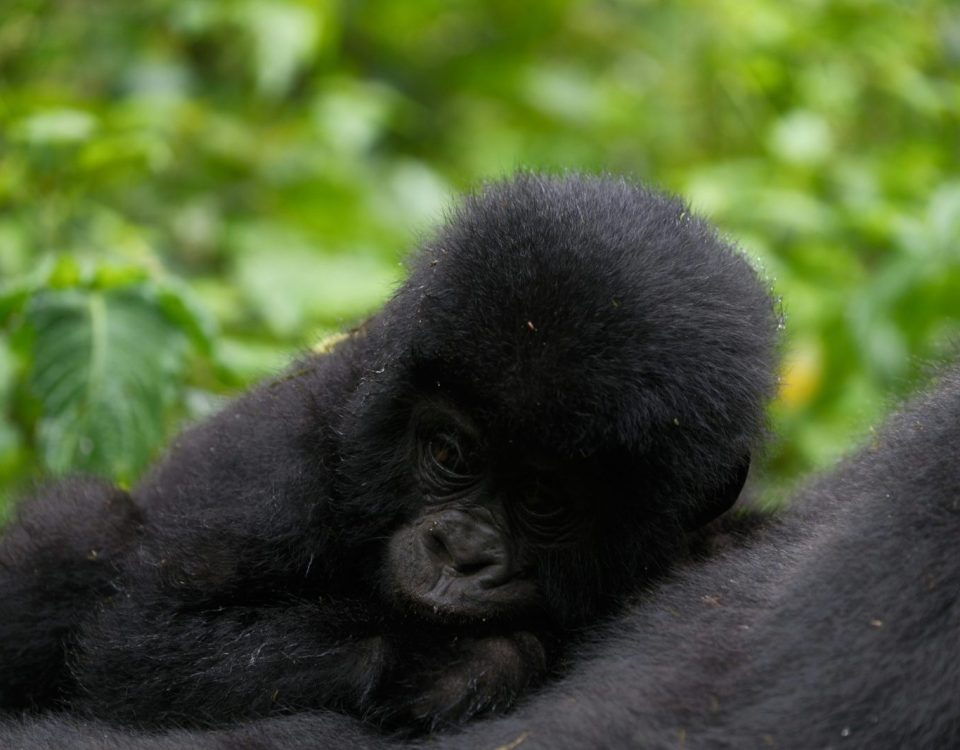
- Focus on Expressions: Capture facial expressions, interactions, and emotions, highlighting gorilla intelligence and social bonds.
- Contextual Shots: Include forest environment or other gorillas in the frame to provide a sense of scale and habitat.
- Movement: Photograph playful juveniles or feeding behaviors to convey dynamism and life.
- Low Angles: Shooting from lower perspectives can create intimacy and emphasize the presence of gorillas.
Patience and observation are key. Often, the best shots emerge from waiting for the right moment rather than chasing constant action.
Seasonal and Lighting Considerations
Lighting conditions in Bwindi and Volcanoes National Park vary with season. Dry months (June–September, December–February) provide clearer trails and more consistent lighting. Wet seasons (March–May, October–November) create mist, fog, and dappled light, adding atmosphere but requiring higher ISO and careful exposure adjustments.
Early morning treks offer soft, diffused light and a chance to capture gorillas during active feeding periods. Overcast days often produce even lighting, reducing harsh shadows and enhancing detail in gorilla fur and surroundings.
Tips for Photographers on Trek
- Arrive prepared with fully charged equipment and extra storage.
- Scout vantage points with guides before trekking to anticipate potential shots.
- Be patient and observant; natural behavior is more valuable than posed images.
- Practice quiet breathing and slow movements to avoid startling gorillas.
- Take notes or mental observations to complement photographs for storytelling.
- Consider post-trek editing to adjust exposure, contrast, and sharpness while maintaining natural appearance.
Post-Trek Photography Opportunities
Beyond direct gorilla encounters, photographers can document the trekking experience itself. Shots of the forest environment, guides and trackers at work, and local community interactions add context to the story of gorilla conservation and trekking. These images enrich travel narratives, blogs, and social media content while highlighting the broader ecosystem and human-wildlife interface.
Gorilla trekking photography combines technical skill, patience, and ethical awareness to capture one of nature’s most extraordinary experiences. Understanding gorilla behavior, using appropriate equipment, and respecting ethical guidelines ensures that photographs reflect the beauty, intelligence, and emotional depth of these primates.
For photographers of all levels, trekking in Uganda or Rwanda provides a rare chance to witness mountain gorillas in the wild, creating lasting memories and images that inspire appreciation for conservation efforts and the natural world.