Hiking Trails on Mount Kilimanjaro: A Complete Guide for Trekkers
Mount Kilimanjaro is more than Africa’s highest peak; it is a mountain of contrasts, stories, and transformations. Rising to 5,895 meters above sea level, Kilimanjaro stands alone on the plains of northern Tanzania, a snow-capped giant visible from miles away. For many travelers, hiking Mount Kilimanjaro is a lifelong dream, not because it requires technical climbing skills, but because the journey to the summit is a powerful test of endurance, patience, and determination. Central to this experience are the different hiking trails, each offering a unique way to approach the mountain and experience its ever-changing landscapes.
What makes Kilimanjaro especially fascinating is the way its trails guide hikers through multiple ecological zones in a single trek. In just a few days, you move from lush tropical rainforest to open heathlands, across stark alpine deserts, and finally into an icy, wind-swept summit zone. Understanding the nature of Kilimanjaro’s hiking trails is essential for choosing the right route and fully appreciating what the mountain has to offer.
The Character of Mount Kilimanjaro
Kilimanjaro is a dormant volcanic massif made up of three cones: Shira, Mawenzi, and Kibo. Kibo is the highest and hosts Uhuru Peak, the summit that most hikers aim to reach. Unlike many of the world’s great mountains, Kilimanjaro can be climbed without ropes or specialized mountaineering equipment, but altitude makes it a serious physical and mental challenge.
Weather on Kilimanjaro is unpredictable. Temperatures vary dramatically depending on altitude and time of day, and sudden changes in cloud cover or wind are common. The hiking trails are designed to gradually expose trekkers to these conditions, but the speed and style of ascent differ significantly from route to route. These differences affect not only comfort and scenery, but also acclimatization and overall success.
The Marangu Route Experience
The Marangu Route is one of the most well-known trails on Mount Kilimanjaro and is often described as the classic approach. It begins on the southeastern side of the mountain and follows a relatively direct path to the summit. One of its defining features is the use of mountain huts instead of tents, offering a more structured and sheltered overnight experience.
The lower sections of Marangu pass through dense rainforest filled with towering trees, thick undergrowth, and the calls of birds and monkeys. As the trail climbs higher, the forest thins into moorland, where the landscape opens up and views become more expansive. Above this zone lies the alpine desert, a stark environment dominated by rock, dust, and wide skies.
Although Marangu has a reputation for being the easiest route, its shorter duration can make acclimatization more difficult. The ascent and descent follow the same trail, which limits variation and can lead to congestion during busy seasons. Still, for hikers who value simplicity and hut accommodation, Marangu remains a popular and rewarding option.
The Scenic Appeal of the Machame Route
The Machame Route is widely celebrated for its dramatic scenery and diverse terrain. Approaching Kilimanjaro from the southwest, this trail offers a richer visual experience than many other routes and is often chosen by trekkers who want to immerse themselves in the mountain’s beauty.
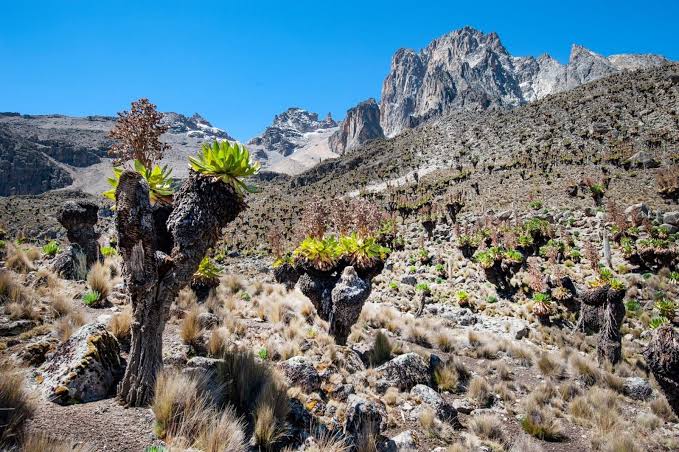
The journey begins in thick rainforest, where moisture hangs in the air and vegetation feels almost overwhelming. As the trail climbs, giant lobelias and senecios begin to appear, creating an otherworldly landscape in the heath and moorland zone. One of the most memorable aspects of Machame is the traverse beneath the southern ice fields, where sweeping views reveal the immense scale of the mountain.
Machame’s longer itinerary allows for better acclimatization, making it one of the routes with higher summit success rates. The descent follows a different path, providing new perspectives on the way down. While physically demanding, Machame is often considered an ideal balance between challenge and reward.
The Wilderness Feel of the Lemosho Route
For trekkers seeking a sense of remoteness and unspoiled nature, the Lemosho Route offers one of the most enriching experiences on Mount Kilimanjaro. Starting on the western side of the mountain, this trail passes through some of the most pristine forest areas on Kilimanjaro before gradually merging with other routes higher up.
Lemosho’s greatest strength lies in its length and gradual ascent. The extended schedule allows the body more time to adjust to altitude, significantly increasing the chances of reaching the summit. The route crosses the broad Shira Plateau, where expansive views and open skies create a feeling of space and solitude rarely found on busier trails.
As the trek progresses, Lemosho reveals Kilimanjaro’s changing character in a slow and deliberate way. From dense forest to high-altitude desert, each stage feels earned rather than rushed. For many hikers, Lemosho represents the most complete and satisfying way to experience the mountain.
The Shira Route and Its High Beginning
The Shira Route shares much of its path with Lemosho but begins at a higher elevation, as vehicles transport hikers directly onto the Shira Plateau. This high starting point offers immediate access to sweeping views, but it also presents challenges for acclimatization.
Beginning at altitude means that hikers are exposed to thinner air early in the trek, which can increase the risk of altitude-related discomfort. Despite this, the Shira Route rewards those who adapt well with dramatic volcanic scenery and a quieter approach to the mountain. The trail eventually joins the Machame Route, following a familiar path toward the summit.
Shira is best suited for trekkers with prior altitude experience or those who are confident in their ability to acclimatize quickly. When conditions are favorable, it provides a visually striking and less crowded alternative to more popular routes.
The Northern Perspective of the Rongai Route
The Rongai Route offers a completely different perspective on Mount Kilimanjaro by approaching from the north, near the Kenyan border. This side of the mountain receives less rainfall, making Rongai a good option during wetter months when southern routes can become muddy and challenging.
The landscape along Rongai feels more open and arid, with gradual ascents through woodland and heath rather than dense rainforest. Because fewer trekkers choose this route, it offers a quieter and more reflective journey. Wildlife sightings are more common here than on other trails, adding an extra dimension to the trek.
Rongai’s ascent profile is relatively gentle, but its shorter acclimatization period means careful pacing is still essential. The descent typically follows a different route, allowing hikers to experience multiple sides of Kilimanjaro in one journey.

The Depth of the Northern Circuit
The Northern Circuit is the longest hiking trail on Mount Kilimanjaro and offers the most comprehensive exploration of the mountain. Beginning on the western slopes, it circles around the rarely visited northern side before approaching the summit.
This extended route provides exceptional acclimatization and some of the highest success rates for reaching Uhuru Peak. The northern slopes are remote and quiet, giving trekkers a strong sense of isolation and connection to the mountain. Views stretch far into Kenya and across vast alpine landscapes that few visitors ever see.
The Northern Circuit is ideal for hikers who have the time to commit to a longer trek and who value depth over speed. While demanding in terms of endurance, it is often considered one of the safest and most rewarding routes on Kilimanjaro.
The Challenge of the Umbwe Route
The Umbwe Route is known as the steepest and most direct path up Mount Kilimanjaro. Its rapid ascent and narrow ridges make it physically intense and mentally demanding. This route gains altitude very quickly, leaving little margin for acclimatization in the early stages.
Because of its difficulty, Umbwe is generally recommended for experienced trekkers who are confident in their fitness and resilience. The route eventually joins the Machame Trail, where conditions become more moderate. For those who choose it, Umbwe offers a raw and adventurous approach that highlights the mountain’s rugged side.
Choosing Your Kilimanjaro Trail
Selecting the right hiking trail on Mount Kilimanjaro is a deeply personal decision. Fitness level, previous altitude experience, available time, and personal preferences all play a role. Some hikers prioritize scenery and solitude, while others focus on comfort or the highest chance of summiting.
What unites all successful climbs is respect for the mountain and an understanding that Kilimanjaro rewards patience more than speed. Proper acclimatization, steady pacing, and a positive mindset are far more important than strength alone.
Final Reflections on Kilimanjaro’s Trails
Hiking the trails of Mount Kilimanjaro is not simply about reaching the summit. It is about the gradual transformation that takes place along the way, as landscapes shift and physical effort deepens awareness. Each route tells a different story of the mountain, revealing its beauty, its challenges, and its immense scale.
For those who take the time to choose the right trail and approach the climb with respect, Kilimanjaro offers an experience that extends far beyond Uhuru Peak. The journey up its slopes becomes a lasting memory of perseverance, discovery, and the quiet power of one of Africa’s greatest natural wonders.
Recommended Tours: 6 Days Kilimanjaro Hiking Safari | 6 Days Tanzania Wildlife Safari