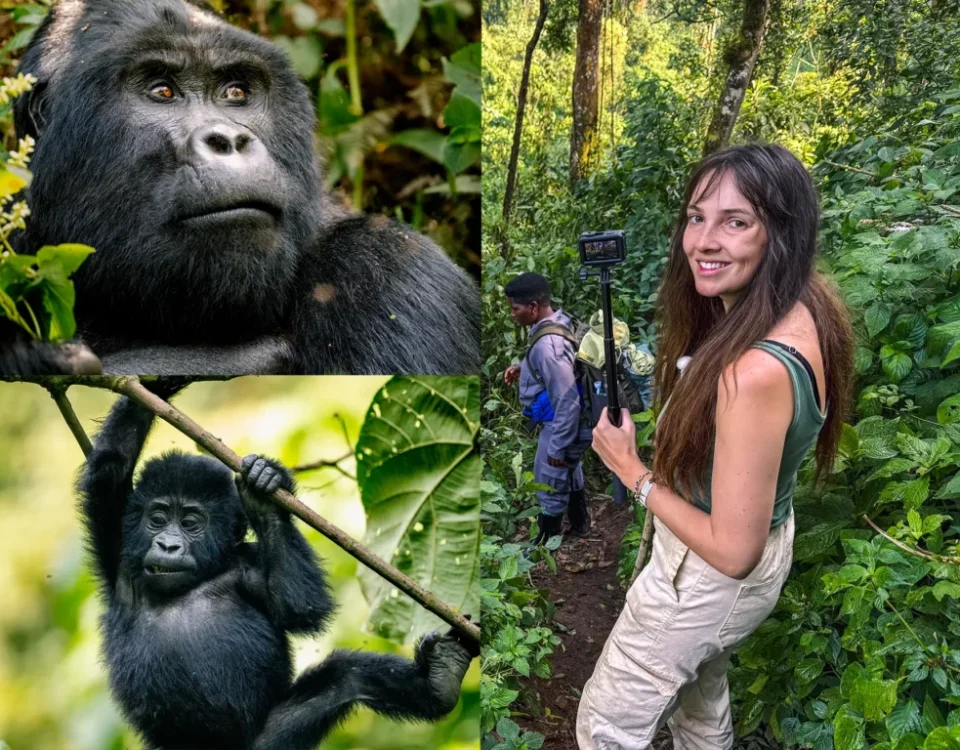
Can I trek gorillas in Rwanda?
March 25, 2026
The History of Mountain Gorilla Conservation in East Africa
March 26, 2026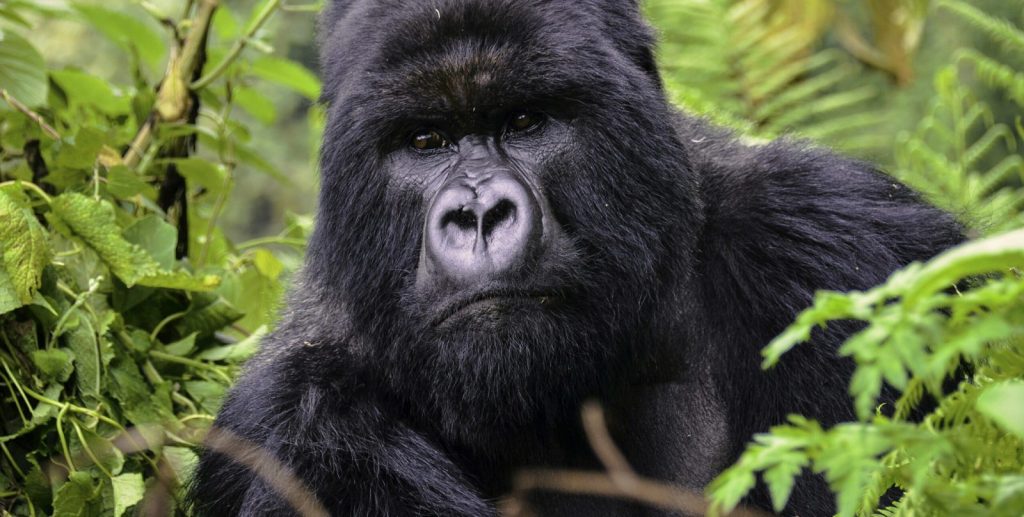
How Many Mountain Gorillas Are Left in the Wild? (2026 Update)
Why the Question Matters
When planning a wildlife journey, many travellers ask: how many mountain gorillas are left in the wild? This isn’t just a trivia question — it speaks to the state of one of the planet’s most iconic and endangered great apes, the effectiveness of conservation efforts, and the ongoing challenges these animals face in a changing world.
As of 2026, estimates suggest there are around 1,100 mountain gorillas left in the wild. This number reflects decades of careful monitoring, substantial investments in protection, and long‑term partnerships between governments, conservation organizations, and local communities.
This blog unpacks that number in detail: where these gorillas live, how populations are counted, how the figure has changed over time, why it matters, and what the future holds for this remarkable species.
What You Need to Know Up Front: The 2026 Estimate
- Estimated total mountain gorillas in the wild (2026): ~1,100
- Primary range:
- Virunga National Park
- Volcanoes National Park
- Bwindi Impenetrable National Park
- Mgahinga Gorilla National Park
These animals occupy high‑elevation montane forests in a relatively small geographic zone in central and eastern Africa. As a result, even 1,100 individuals represent a very small number globally, with implications for genetic diversity, ecological resilience, and long‑term survival.
Who Are Mountain Gorillas?
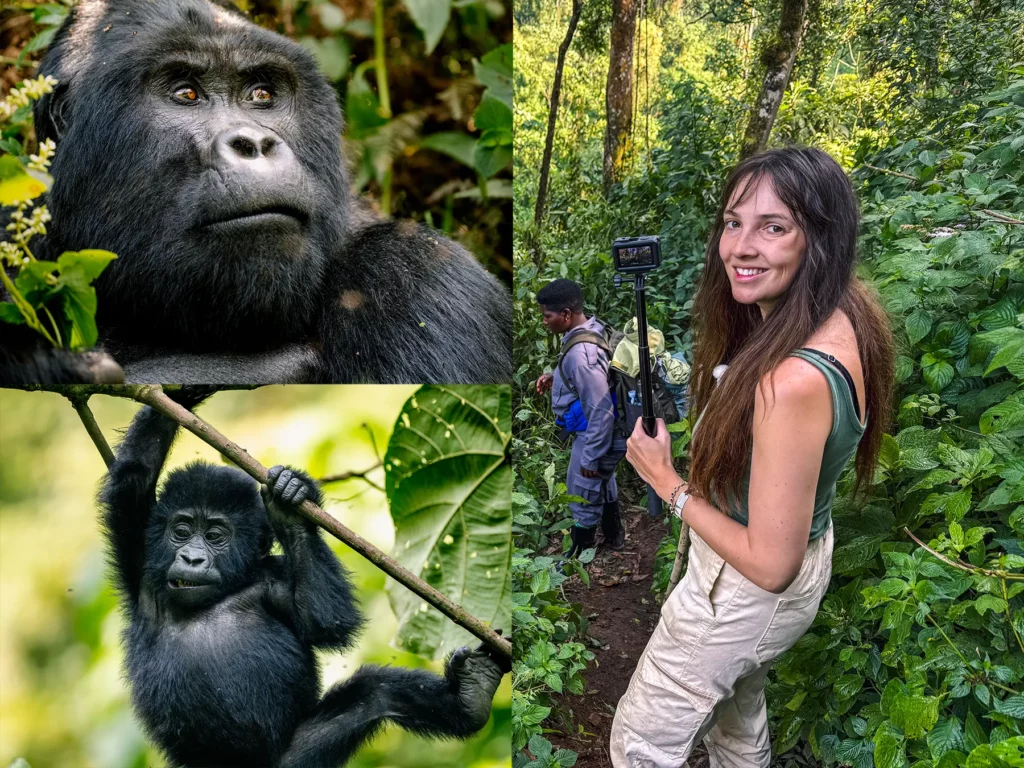
Mountain gorillas (Gorilla beringei beringei) are one of two subspecies of eastern gorillas, and among the most physically robust of all apes. They inhabit cool, mist‑shrouded forests high in volcanoes and mountains — terrain that’s rugged but relatively free of human settlement.
They are highly social, living in family groups led by a dominant silverback, herbivorous, feeding on leaves, stems, roots, and shoots, long‑lived with lifespans exceeding 35–40 years, and slow to reproduce, with females giving birth every 4–6 years. Their biology makes recovery from declines challenging, which is why any increase in their numbers is noteworthy.
Why 1,100 Is Both Hopeful and Fragile
The number ~1,100 mountain gorillas is both a caution and a success story. Historically, estimates suggested fewer than 800 remained in the 1980s, with poaching, war, and habitat loss threatening rapid extinction. Today’s number reflects decades of concerted conservation efforts, including anti‑poaching patrols, protected area management, community partnerships, and veterinary interventions.
This increase makes mountain gorillas a rare example among great apes whose numbers have stabilized and grown modestly, while other species continue to decline.
Where Mountain Gorillas Live (2026 Update)
Mountain gorillas exist in two major, geographically isolated populations.
Virunga Massif spans rugged, volcanic highlands across three countries: DRC, Rwanda, and Uganda. This region houses the majority of mountain gorillas, including habituated groups for controlled tourism. Population here is roughly 630–700 gorillas.
Bwindi Impenetrable National Park in Uganda harbors about 400–450 gorillas, some habituated for tourism. Bwindi’s population is genetically and geographically distinct from the Virunga gorillas. Together, these regions account for virtually all mountain gorillas in the world.
How Are Mountain Gorillas Counted?
Counting mountain gorillas is challenging because they live in dense forests at high elevations. Researchers rely on a combination of methods: direct observation and tracking of known gorilla groups, nest counts to estimate populations statistically, DNA sampling from feces for individual identification, and long-term monitoring of habituated families to track births, deaths, and trends.
The combination of these methods gives conservationists high confidence in population estimates, making the ~1,100 figure one of the most reliable large-mammal counts in Africa.
Population Trends: Past, Present, and Prognosis
Mountain gorillas were once slipping toward extinction due to habitat destruction, poaching, disease, and political instability. Conservation interventions reversed the trend, and the species now shows slow but steady population increases.
The current stable or slightly increasing numbers reflect protected area enforcement, veterinary care, community-based conservation, and revenue from regulated tourism. Future growth is possible if threats remain minimized, though small population size, disease sensitivity, climate change, and human pressure continue to pose risks.
Why the Mountain Gorilla’s Status Matters
Mountain gorillas are indicators of ecosystem health, reflecting the state of intact forests. Responsible tourism provides vital income for local communities and conservation efforts, while also nurturing a global ethical commitment to preserving these intelligent, socially complex animals.
The Role of Tourism in Mountain Gorilla Conservation
Sustainable gorilla trekking contributes directly to conservation by funding anti-poaching patrols, habitat protection, community development, and research. Strict health protocols minimize disease risk and ensure the long-term safety of gorilla families. Tourism is a cornerstone of the species’ modest recovery.
Protection Challenges That Remain
Despite positive trends, threats remain: human encroachment, disease transmission from humans, political instability in parts of DRC, and climate change affecting food availability and habitat quality. Continued vigilance is required to maintain the gains made.
What You Can Do as a Traveller
Travellers can support conservation by booking with responsible operators, respecting park regulations, supporting community programs, educating themselves and others about gorilla behavior and threats, and contributing to vetted conservation organizations.
Quick Facts: Mountain Gorillas in 2026
Total wild population: ~1,100
Subspecies: Gorilla beringei beringei
Primary range countries: Rwanda, Uganda, Democratic Republic of the Congo
Main parks: Virunga, Volcanoes, Bwindi, Mgahinga
Current conservation status: Endangered
Population trend: Stable to slowly increasing
Biggest threats: Habitat loss, disease, human conflict
A Cautious Success Story
In 2026, the mountain gorilla is a rare conservation success story. With around 1,100 individuals in the wild, the species is still endangered but has shown decades of recovery. The future depends on continued protection, sustainable tourism, and community engagement. For travellers, researchers, and conservationists alike, mountain gorillas embody both hope and urgency — proof that deliberate, long-term conservation can make a lasting difference.