Ultimate Serengeti Safari Guide for Wildlife Lovers
January 2, 2026
Luxury Safari Lodges in Serengeti National Park
January 2, 2026
How to Plan a Ngorongoro Crater Safari
Planning a safari to the Ngorongoro Crater is unlike planning any other wildlife experience in Africa. This is not a vast open plain where animals roam endlessly across horizons. Instead, the Ngorongoro Crater is a self-contained natural amphitheater, a place where wildlife, landscapes, and human history converge in one of the most concentrated safari environments on Earth. To plan it well requires understanding its uniqueness, its rhythms, and the practical realities that shape a successful visit.
Located in northern Tanzania, the Ngorongoro Crater is the world’s largest intact volcanic caldera. Formed millions of years ago after a massive volcanic eruption, it now shelters an extraordinary density of wildlife within its steep walls. For travelers who want a high chance of seeing Africa’s iconic animals in a short time, this destination holds unmatched appeal.
This guide explains how to plan a Ngorongoro Crater safari thoughtfully, focusing on timing, logistics, expectations, and how to experience the crater in a way that feels meaningful rather than rushed.
Understanding What Makes Ngorongoro Crater Unique
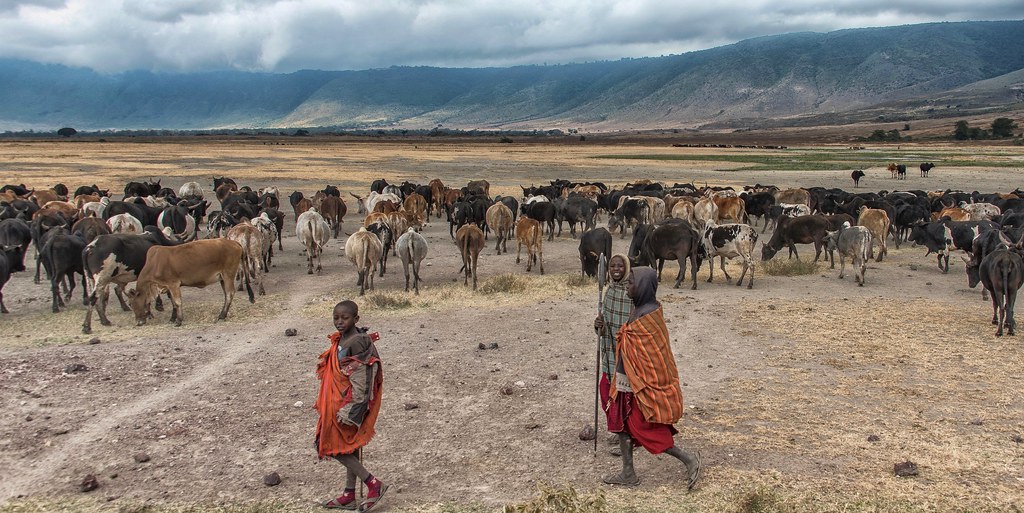
The Ngorongoro Crater is not a national park in the traditional sense. It is part of a larger conservation area where wildlife protection, tourism, and human habitation coexist. This balance is what gives the crater its distinctive character. Maasai communities live around the rim and within the broader conservation area, maintaining cultural traditions while sharing the land with wildlife.
Inside the crater, the environment feels almost unreal. Grasslands, swamps, forests, lakes, and open plains exist side by side on the crater floor. Because animals rarely migrate out due to the steep crater walls, wildlife remains present year-round. This creates one of the highest concentrations of large mammals in Africa, including lions, elephants, buffaloes, hippos, and rhinoceros.
Understanding this closed ecosystem is key to planning. A crater safari is typically a focused experience rather than a multi-day exploration, and success depends on preparation rather than spontaneity.
Choosing the Right Time to Visit
Timing plays a major role in shaping your Ngorongoro experience. Wildlife viewing is excellent throughout the year, but seasonal differences affect scenery, road conditions, and crowd levels.
During the drier months, visibility is clearer and animals tend to gather near permanent water sources. The crater floor becomes easier to navigate, and sightings are often more predictable. This period is especially appealing to first-time safari travelers who want efficient game viewing.
In the wetter months, the crater transforms into a lush, green bowl. Migratory birds arrive, landscapes become dramatic, and the air feels fresh and alive. Wildlife remains abundant, but animals spread out more widely across the crater floor. While rain can occasionally disrupt schedules, the experience often feels quieter and more atmospheric.
Choosing when to go should reflect your priorities, whether they lean toward photography, comfort, solitude, or seasonal beauty.
Deciding How Long to Spend at the Crater
Unlike expansive parks such as the Serengeti, the Ngorongoro Crater is usually explored in a single extended game drive. Most visitors descend into the crater early in the morning and spend several hours exploring before ascending in the afternoon.
While one day is sufficient to experience the crater floor, staying overnight on the crater rim offers advantages. Early access allows you to descend before crowds arrive, increasing the sense of exclusivity and improving wildlife encounters. The changing light at sunrise and sunset also adds depth to the experience, particularly for photographers.
Planning your itinerary so that the crater is not rushed is essential. Pairing it with other nearby destinations allows you to appreciate its intensity without feeling overwhelmed.
Understanding Wildlife Expectations
The Ngorongoro Crater is famous for reliable wildlife sightings, but understanding what you are likely to see helps manage expectations. Lions are frequently encountered, often resting in the open due to the abundance of prey. Buffaloes roam in large numbers, hippos fill the pools, and elephants, particularly older bulls, move gracefully across the plains.
One of the crater’s most special highlights is the presence of black rhinoceros. Although sightings are never guaranteed, the crater is one of the best places in East Africa to see this critically endangered species in the wild.
Leopards are present but elusive, preferring forested areas along the crater walls. Seeing one requires patience, luck, and an experienced guide who understands their behavior.
Selecting the Right Accommodation
Where you stay significantly influences your Ngorongoro safari. Lodges located on the crater rim provide dramatic views and immediate access, but they often come at a higher cost. These locations allow early descents and late ascents, giving you more flexibility and fewer crowds.
Staying farther away can reduce costs but may limit time inside the crater due to travel distances and strict entry schedules. When planning accommodation, it is important to balance budget considerations with the desire for an unhurried experience.
The atmosphere of your lodge also matters. Some travelers value comfort and luxury, while others prefer simplicity and immersion in nature. Choosing accommodation that aligns with your travel style enhances the overall experience.
Navigating Permits and Entry Regulations
The Ngorongoro Crater operates under specific regulations designed to protect its fragile ecosystem. Entry permits are required, and vehicles are limited in the amount of time they can spend on the crater floor. These rules make advance planning essential.
Working with an experienced safari operator ensures permits are arranged correctly and schedules are respected. Independent travel within the crater is not allowed, so your guide’s knowledge and planning skills directly affect the quality of your visit.
Understanding these regulations beforehand helps avoid disappointment and ensures your expectations align with conservation priorities.
The Role of a Skilled Guide
A Ngorongoro Crater safari is greatly enriched by a knowledgeable guide. Because the crater is compact, many vehicles may converge around wildlife sightings. A skilled guide knows how to anticipate animal movement, choose quieter routes, and interpret subtle behaviors that others might miss.
Guides also provide essential context. They explain how the crater ecosystem functions, how animals interact, and how conservation efforts protect this unique environment. Their insight transforms the safari from a visual experience into an educational and emotional journey.
Combining Ngorongoro with Other Destinations
Most travelers include the Ngorongoro Crater as part of a broader northern Tanzania safari. Combining it with nearby parks creates contrast and balance. The crater’s intensity pairs well with more expansive landscapes where wildlife movements feel less concentrated.
This approach allows you to appreciate the crater for what it is, a powerful snapshot of African wildlife, while also experiencing the freedom and scale of other ecosystems. Planning this combination carefully avoids safari fatigue and deepens overall understanding of East Africa’s biodiversity.
Cultural Awareness and Responsible Travel
The Ngorongoro Conservation Area is not only about wildlife. It is also home to communities whose cultural traditions are intertwined with the land. Respecting this human presence is part of responsible travel.
Following guidelines, minimizing environmental impact, and choosing operators who support local communities contribute to the long-term sustainability of the region. A well-planned safari considers not just what you see, but how your visit affects the place itself.
Preparing Mentally for the Experience
The Ngorongoro Crater often exceeds expectations, but it can also feel intense due to its popularity and wildlife density. Preparing mentally for a structured experience helps you enjoy it fully. Rather than seeking isolation, embrace the opportunity to witness an extraordinary concentration of life in one place.
Moments inside the crater can feel cinematic, almost surreal. Taking time to pause, observe, and absorb the surroundings allows the experience to resonate beyond photographs.
Why Planning Makes All the Difference
A Ngorongoro Crater safari rewards thoughtful planning more than almost any other safari destination. Understanding its structure, timing your visit well, choosing the right accommodation, and traveling with an experienced guide transform a short visit into a profound encounter with nature.
When planned carefully, the Ngorongoro Crater is not just a highlight of a Tanzanian safari. It becomes a defining memory, a place where the complexity of wildlife, landscape, and human coexistence is revealed in one breathtaking bowl of life.
Planning a safari to the Ngorongoro Crater is unlike planning any other wildlife experience in Africa. This is not a vast open plain where animals roam endlessly across horizons. Instead, the Ngorongoro Crater is a self-contained natural amphitheater, a place where wildlife, landscapes, and human history converge in one of the most concentrated safari environments on Earth. To plan it well requires understanding its uniqueness, its rhythms, and the practical realities that shape a successful visit.
Located in northern Tanzania, the Ngorongoro Crater is the world’s largest intact volcanic caldera. Formed millions of years ago after a massive volcanic eruption, it now shelters an extraordinary density of wildlife within its steep walls. For travelers who want a high chance of seeing Africa’s iconic animals in a short time, this destination holds unmatched appeal.
This guide explains how to plan a Ngorongoro Crater safari thoughtfully, focusing on timing, logistics, expectations, and how to experience the crater in a way that feels meaningful rather than rushed.
Understanding What Makes Ngorongoro Crater Unique
The Ngorongoro Crater is not a national park in the traditional sense. It is part of a larger conservation area where wildlife protection, tourism, and human habitation coexist. This balance is what gives the crater its distinctive character. Maasai communities live around the rim and within the broader conservation area, maintaining cultural traditions while sharing the land with wildlife.
Inside the crater, the environment feels almost unreal. Grasslands, swamps, forests, lakes, and open plains exist side by side on the crater floor. Because animals rarely migrate out due to the steep crater walls, wildlife remains present year-round. This creates one of the highest concentrations of large mammals in Africa, including lions, elephants, buffaloes, hippos, and rhinoceros.
Understanding this closed ecosystem is key to planning. A crater safari is typically a focused experience rather than a multi-day exploration, and success depends on preparation rather than spontaneity.
Choosing the Right Time to Visit
Timing plays a major role in shaping your Ngorongoro experience. Wildlife viewing is excellent throughout the year, but seasonal differences affect scenery, road conditions, and crowd levels.
During the drier months, visibility is clearer and animals tend to gather near permanent water sources. The crater floor becomes easier to navigate, and sightings are often more predictable. This period is especially appealing to first-time safari travelers who want efficient game viewing.
In the wetter months, the crater transforms into a lush, green bowl. Migratory birds arrive, landscapes become dramatic, and the air feels fresh and alive. Wildlife remains abundant, but animals spread out more widely across the crater floor. While rain can occasionally disrupt schedules, the experience often feels quieter and more atmospheric.
Choosing when to go should reflect your priorities, whether they lean toward photography, comfort, solitude, or seasonal beauty.
Deciding How Long to Spend at the Crater
Unlike expansive parks such as the Serengeti, the Ngorongoro Crater is usually explored in a single extended game drive. Most visitors descend into the crater early in the morning and spend several hours exploring before ascending in the afternoon.
While one day is sufficient to experience the crater floor, staying overnight on the crater rim offers advantages. Early access allows you to descend before crowds arrive, increasing the sense of exclusivity and improving wildlife encounters. The changing light at sunrise and sunset also adds depth to the experience, particularly for photographers.
Planning your itinerary so that the crater is not rushed is essential. Pairing it with other nearby destinations allows you to appreciate its intensity without feeling overwhelmed.
Understanding Wildlife Expectations
The Ngorongoro Crater is famous for reliable wildlife sightings, but understanding what you are likely to see helps manage expectations. Lions are frequently encountered, often resting in the open due to the abundance of prey. Buffaloes roam in large numbers, hippos fill the pools, and elephants, particularly older bulls, move gracefully across the plains.
One of the crater’s most special highlights is the presence of black rhinoceros. Although sightings are never guaranteed, the crater is one of the best places in East Africa to see this critically endangered species in the wild.
Leopards are present but elusive, preferring forested areas along the crater walls. Seeing one requires patience, luck, and an experienced guide who understands their behavior.
Selecting the Right Accommodation
Where you stay significantly influences your Ngorongoro safari. Lodges located on the crater rim provide dramatic views and immediate access, but they often come at a higher cost. These locations allow early descents and late ascents, giving you more flexibility and fewer crowds.
Staying farther away can reduce costs but may limit time inside the crater due to travel distances and strict entry schedules. When planning accommodation, it is important to balance budget considerations with the desire for an unhurried experience.
The atmosphere of your lodge also matters. Some travelers value comfort and luxury, while others prefer simplicity and immersion in nature. Choosing accommodation that aligns with your travel style enhances the overall experience.
Navigating Permits and Entry Regulations
The Ngorongoro Crater operates under specific regulations designed to protect its fragile ecosystem. Entry permits are required, and vehicles are limited in the amount of time they can spend on the crater floor. These rules make advance planning essential.
Working with an experienced safari operator ensures permits are arranged correctly and schedules are respected. Independent travel within the crater is not allowed, so your guide’s knowledge and planning skills directly affect the quality of your visit.
Understanding these regulations beforehand helps avoid disappointment and ensures your expectations align with conservation priorities.
The Role of a Skilled Guide
A Ngorongoro Crater safari is greatly enriched by a knowledgeable guide. Because the crater is compact, many vehicles may converge around wildlife sightings. A skilled guide knows how to anticipate animal movement, choose quieter routes, and interpret subtle behaviors that others might miss.
Guides also provide essential context. They explain how the crater ecosystem functions, how animals interact, and how conservation efforts protect this unique environment. Their insight transforms the safari from a visual experience into an educational and emotional journey.
Combining Ngorongoro with Other Destinations
Most travelers include the Ngorongoro Crater as part of a broader northern Tanzania safari. Combining it with nearby parks creates contrast and balance. The crater’s intensity pairs well with more expansive landscapes where wildlife movements feel less concentrated.
This approach allows you to appreciate the crater for what it is, a powerful snapshot of African wildlife, while also experiencing the freedom and scale of other ecosystems. Planning this combination carefully avoids safari fatigue and deepens overall understanding of East Africa’s biodiversity.
Cultural Awareness and Responsible Travel
The Ngorongoro Conservation Area is not only about wildlife. It is also home to communities whose cultural traditions are intertwined with the land. Respecting this human presence is part of responsible travel.
Following guidelines, minimizing environmental impact, and choosing operators who support local communities contribute to the long-term sustainability of the region. A well-planned safari considers not just what you see, but how your visit affects the place itself.
Preparing Mentally for the Experience
The Ngorongoro Crater often exceeds expectations, but it can also feel intense due to its popularity and wildlife density. Preparing mentally for a structured experience helps you enjoy it fully. Rather than seeking isolation, embrace the opportunity to witness an extraordinary concentration of life in one place.
Moments inside the crater can feel cinematic, almost surreal. Taking time to pause, observe, and absorb the surroundings allows the experience to resonate beyond photographs.
Why Planning Makes All the Difference
A Ngorongoro Crater safari rewards thoughtful planning more than almost any other safari destination. Understanding its structure, timing your visit well, choosing the right accommodation, and traveling with an experienced guide transform a short visit into a profound encounter with nature.
When planned carefully, the Ngorongoro Crater is not just a highlight of a Tanzanian safari. It becomes a defining memory, a place where the complexity of wildlife, landscape, and human coexistence is revealed in one breathtaking bowl of life.