Gorilla Trekking for Seniors
March 24, 2026
Gorilla Trekking Photography Tips
March 24, 2026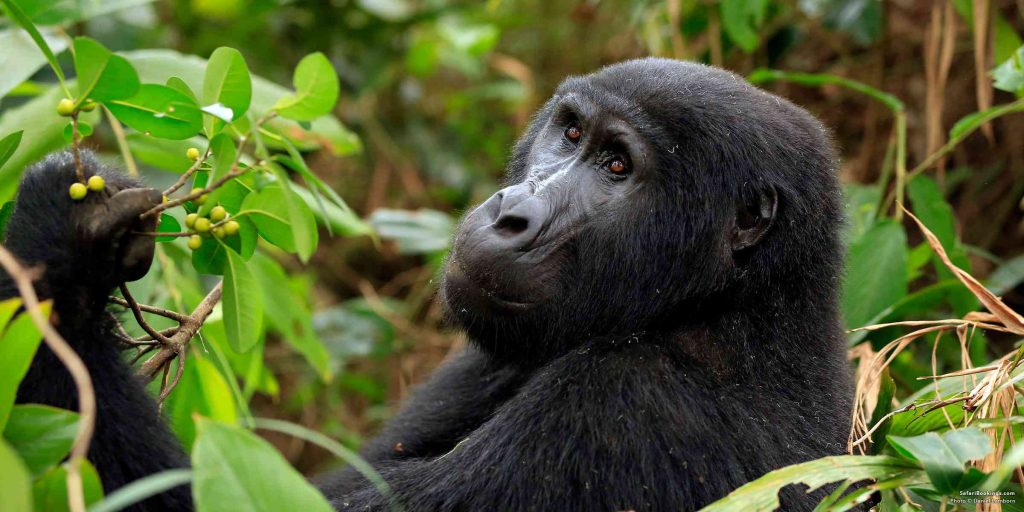
Is Gorilla Trekking Worth the Cost? Here’s What Travelers Say
Gorilla trekking is widely regarded as one of the most extraordinary wildlife experiences in the world. It offers travelers the opportunity to observe critically endangered mountain gorillas in their natural habitats, such as Bwindi Impenetrable National Park in Uganda and Volcanoes National Park in Rwanda. While gorilla trekking can be expensive, many visitors report that the experience far outweighs the cost.
The cost of gorilla trekking includes permits, guiding fees, park entrance charges, accommodation, transportation, and associated safari or travel expenses. Prices vary depending on the country, park sector, and season, but trekking permits alone can range from several hundred to over a thousand US dollars per person. Understanding what goes into the cost and what travelers gain in return helps potential visitors assess whether the investment is worthwhile.
Factors Contributing to the Cost
Several factors contribute to the high cost of gorilla trekking:
First, permits are expensive because they fund conservation efforts, anti-poaching initiatives, and habitat protection. The revenue generated from trekking permits directly supports park management and local communities. In Uganda, permits for foreign non-residents currently cost around $700, while Rwanda charges approximately $1,500 for a gorilla permit.
Second, the experience includes highly trained guides and trackers who ensure that visitors observe gorillas safely and ethically. Their expertise allows tourists to locate gorilla families, interpret behavior, and navigate challenging forest trails without disturbing the animals.
Third, trekking requires infrastructure, including well-maintained trails, ranger stations, and emergency response capabilities. These logistical and operational costs are essential to provide a secure and responsible experience.
Finally, the immersive nature of gorilla trekking, often combined with accommodations, transport, and optional safari experiences, contributes to the overall price. While expensive, the cost ensures a high-quality, safe, and sustainable encounter with mountain gorillas.
What Travelers Appreciate
Travelers consistently highlight several aspects that justify the cost of gorilla trekking:
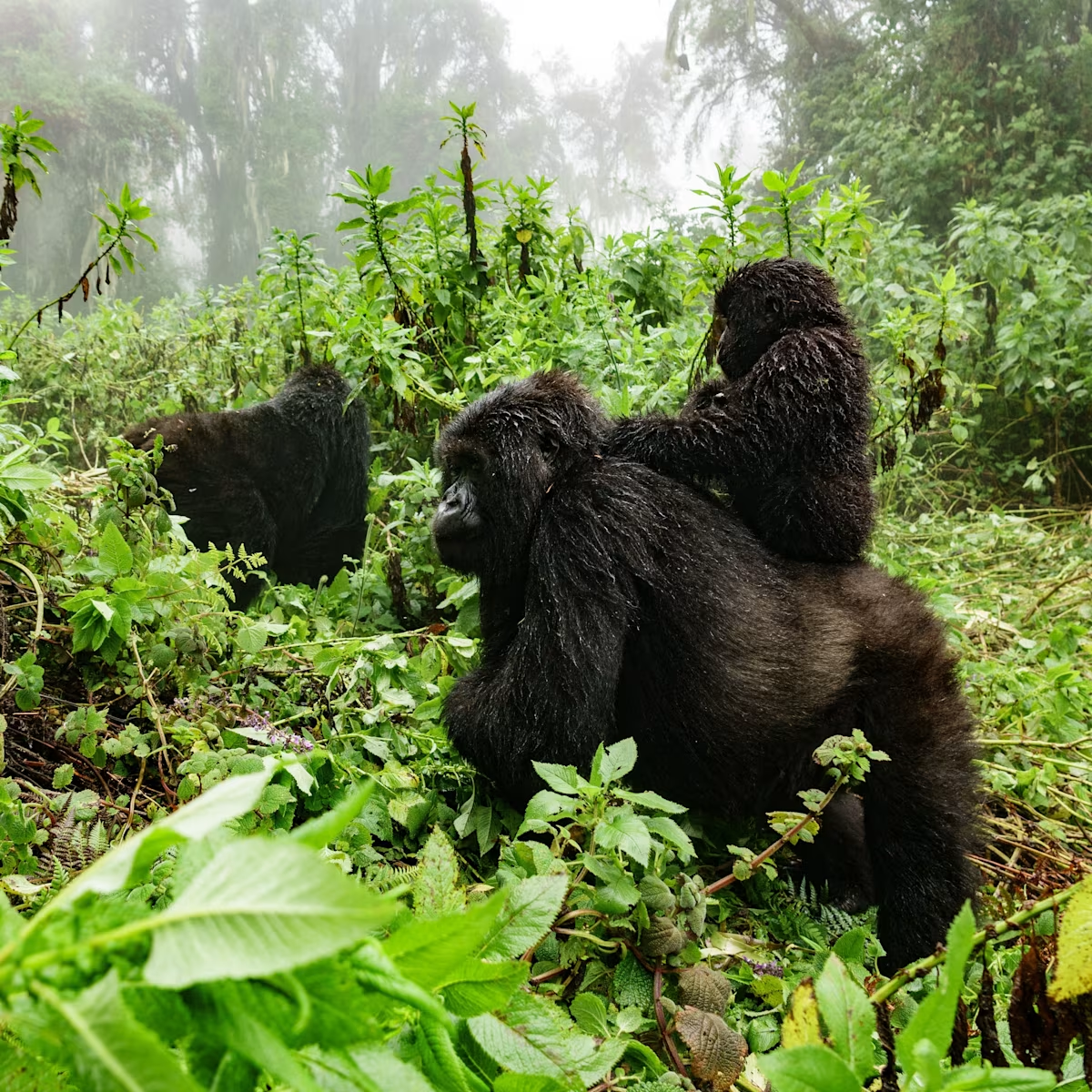
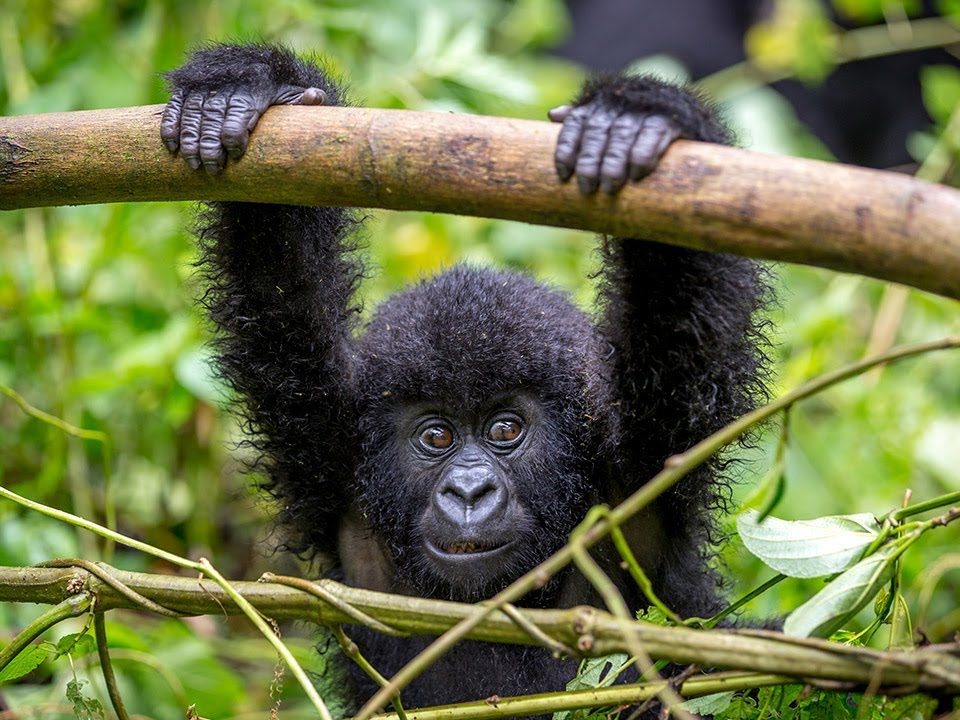
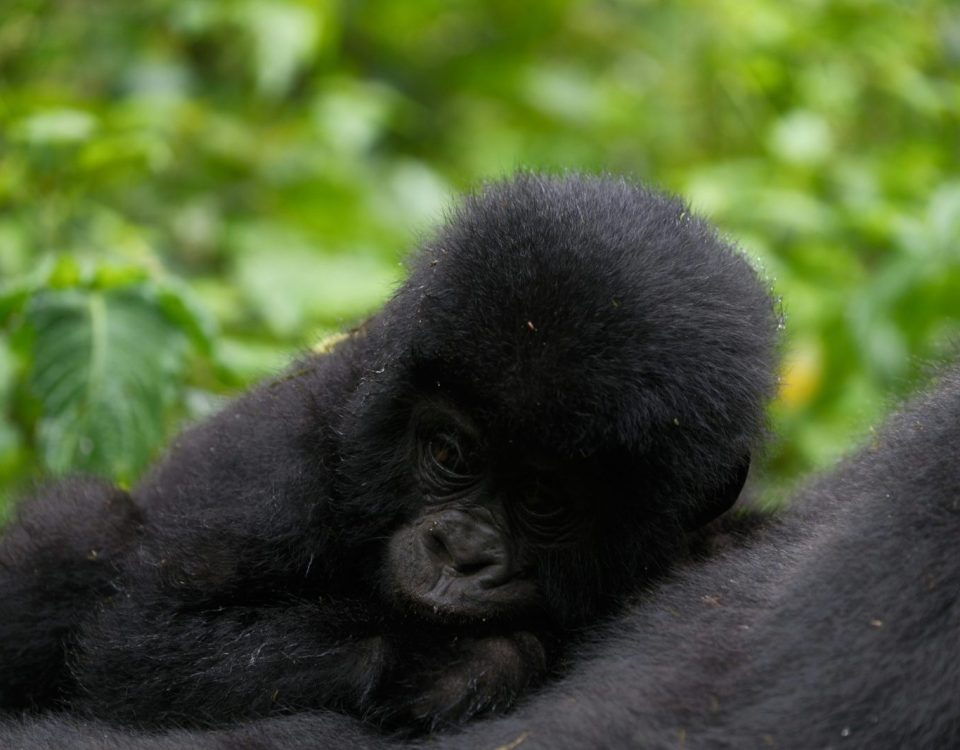
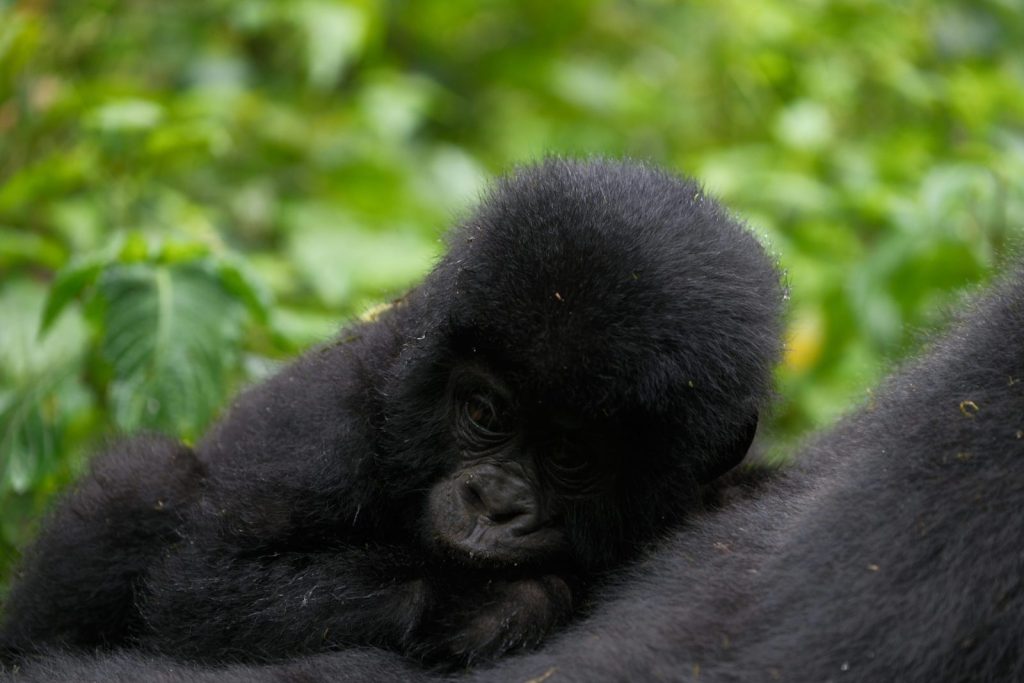
- Close Wildlife Encounters: Observing mountain gorillas up close, including silverbacks, infants, and juveniles, is a rare and life-changing experience. Many visitors describe moments of awe when seeing gorillas in their natural behaviors, such as feeding, playing, and grooming.
- Educational Value: Trekking offers firsthand learning about gorilla social structures, communication, and conservation challenges. Guides provide context about gorilla ecology, the threats they face, and ongoing preservation efforts.
- Conservation Impact: Visitors recognize that their fees contribute directly to protecting endangered gorillas and supporting local communities. Many travelers find the ethical and philanthropic aspect of trekking to be highly rewarding.
- Adventure and Immersion: Trekking through dense forests, climbing volcanic slopes, or navigating highland trails adds an element of adventure. The physical challenge and immersive natural setting enhance the sense of accomplishment and connection with wildlife.
- Photography Opportunities: For wildlife photographers, gorilla trekking provides unparalleled photo opportunities, capturing intimate moments of gorilla behavior in the wild.
Challenges and Considerations
While travelers often agree that gorilla trekking is worth the cost, some challenges should be considered:
- Physical Demands: Trekking can involve steep climbs, long walks, mud, and uneven terrain. Tourists need to assess fitness levels and trail difficulty before booking.
- Limited Access: Permits are limited to reduce human impact on gorillas, requiring advance planning. Peak seasons may require early booking to secure availability.
- Weather Conditions: Rain can make trails slippery and challenging, particularly in Bwindi and Volcanoes National Park. Trekking during wet seasons requires preparation and flexibility.
- Cost vs. Other Experiences: Some travelers weigh the high cost against other safari or wildlife experiences. While expensive, the uniqueness and rarity of gorilla encounters often justify the investment for most visitors.
Travelers’ Testimonials
Many travelers describe gorilla trekking as “life-changing,” emphasizing the rarity and intimacy of observing gorillas in their natural environment. For some, the experience surpasses expectations and becomes the highlight of a trip to East Africa.
One visitor noted that the emotional connection felt while observing a silverback interact with its family made the expense worthwhile, stating that “no photograph or video can capture the presence of a gorilla in the wild—it must be experienced firsthand.”
Another tourist highlighted the educational aspect, explaining that learning about gorilla conservation and understanding their complex social behaviors added a dimension of purpose to the trek, making it feel like a meaningful contribution rather than just a tourist activity.
Families and senior travelers also report that the structured and guided nature of the trek, combined with ethical tourism practices, ensures safety and accessibility, further justifying the cost.
Tips for Maximizing Value
To make gorilla trekking feel worth the investment, travelers can follow several strategies:
- Plan Ahead: Secure permits early, particularly for peak seasons, to avoid last-minute expenses.
- Combine Experiences: Pair gorilla trekking with cultural visits, wildlife safaris, or birdwatching to create a comprehensive East African adventure.
- Choose the Right Sector: Select trekking sectors that match fitness levels, accessibility needs, and interest in gorilla behavior.
- Select Reputable Operators: Work with experienced tour operators who prioritize safety, ethical tourism, and conservation support.
- Prepare Properly: Pack the right clothing, hiking gear, and photography equipment to ensure comfort and capture memorable moments.
Gorilla trekking is widely regarded as worth the cost by travelers who have experienced it. While permits and associated expenses are high, they fund conservation, support local communities, and ensure ethical wildlife encounters. The opportunity to observe mountain gorillas up close, understand their behavior, and contribute to their protection offers both personal and educational rewards that many visitors consider invaluable.
For those planning a trip to Uganda or Rwanda, careful preparation, thoughtful selection of trekking sectors and operators, and awareness of physical and logistical requirements ensure that the experience delivers maximum value. Ultimately, the combination of adventure, emotional impact, conservation contribution, and rare wildlife observation makes gorilla trekking one of the most meaningful and rewarding travel experiences available in the world.