
What To Buy in Kigali: Rwanda’s Best Souvenirs and Crafts
Kigali, Rwanda’s fast-growing and remarkably clean capital, offers more than just scenic hills and a powerful history—it is also a hub of creativity, craftsmanship, and culture. For travelers, shopping in Kigali is not simply about souvenirs; it is about discovering the stories, traditions, and skills that define Rwanda. From intricately woven baskets to bold contemporary art, the city provides a rich selection of authentic items that reflect both heritage and modern African identity.
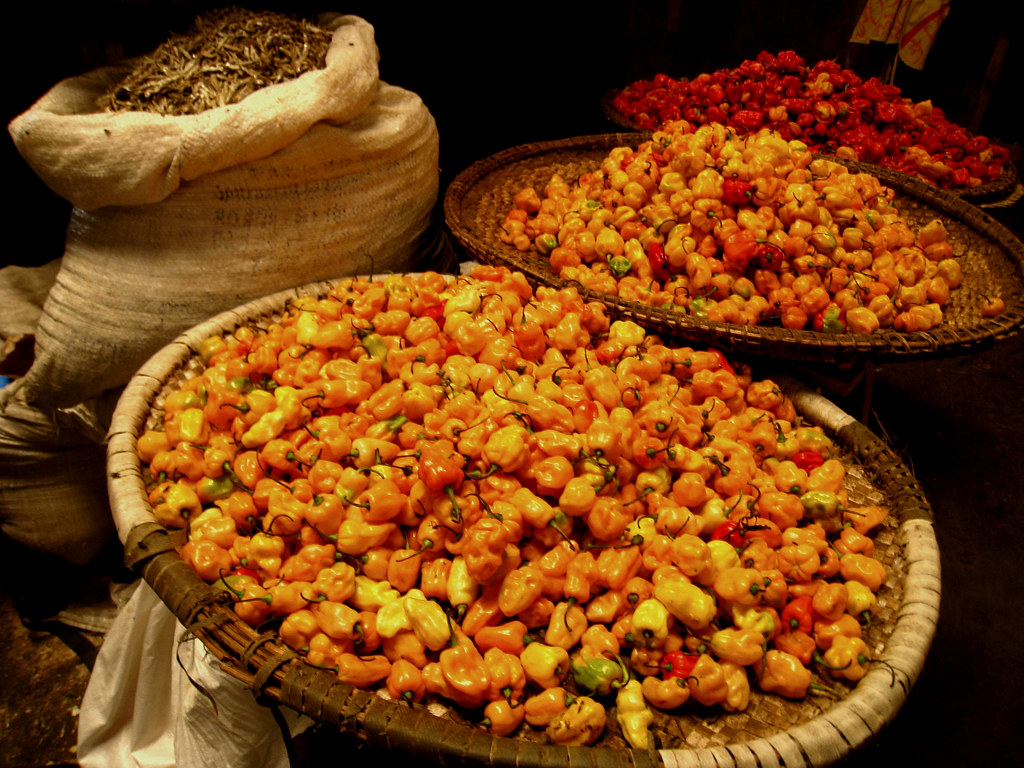
Understanding what to buy in Kigali allows you to take home more than a memory. Each craft, fabric, or product carries the spirit of Rwanda and the dedication of the artisans behind it. Whether you explore organized craft centers or lively local markets, Kigali presents a shopping experience that is both meaningful and memorable.
Agaseke Baskets: The Symbol of Peace and Unity
Among Rwanda’s most iconic crafts are agaseke baskets, widely known as peace baskets. These finely woven pieces are made from natural fibers such as sisal and sweet grass, carefully dyed and arranged into detailed geometric patterns. The process requires patience and precision, often taking several days to complete a single basket.
Agaseke baskets hold deep cultural meaning. Traditionally used to store valuable items, they are now symbols of unity, reconciliation, and peace in post-genocide Rwanda. They are also commonly produced by women’s cooperatives, making them a powerful representation of empowerment and community resilience.
These baskets come in various sizes, from small decorative pieces to larger functional designs. Whether used as home décor or practical storage, they stand out as one of the most meaningful souvenirs you can bring back from Kigali.
Imigongo Art: Rwanda’s Distinctive Visual Identity
Imigongo art is one of the most unique and recognizable forms of Rwandan artistic expression. Originating from the eastern part of the country, this traditional art is created using cow dung mixed with natural pigments. While unconventional in material, the finished pieces are striking, featuring bold geometric patterns and earthy tones.
Typically dominated by black, white, and soft natural colors, imigongo artwork adds a sophisticated and cultural touch to any space. The designs are symmetrical and symbolic, reflecting both tradition and creativity.
Today, imigongo is presented in modern formats such as wall panels and canvases, making it easy for travelers to transport and display. Owning a piece of imigongo art is like owning a part of Rwanda’s artistic heritage—distinct, authentic, and unforgettable.
Kitenge Fabrics and Tailored Fashion
Kigali is an excellent destination for purchasing kitenge fabric, known for its vibrant colors and bold, expressive patterns. These fabrics are an essential part of East African fashion and are widely used for both traditional and modern clothing.
Many visitors choose to buy kitenge and have custom outfits tailored locally. Kigali has skilled tailors who can transform fabric into dresses, shirts, or matching sets within a short time. This gives you a personalized souvenir that fits perfectly and reflects your style.
In addition to custom tailoring, you will find ready-made clothing, bags, and accessories made from kitenge. These items are stylish, durable, and deeply connected to African identity, making them both practical and culturally significant.
Jewelry and Handmade Accessories
Kigali’s artisan scene includes a growing collection of handmade jewelry and accessories that blend traditional techniques with modern aesthetics. These items are often crafted using recycled and locally sourced materials such as paper beads, glass, clay, and metal.
Necklaces, bracelets, and earrings are among the most popular items. They are lightweight, colorful, and easy to pack, making them ideal for travelers. Many designs are one-of-a-kind, ensuring that your purchase is truly unique.
Handmade bags, sandals, and other accessories are also widely available. These pieces often incorporate African fabrics and natural materials, offering both beauty and sustainability. Buying such items supports local artisans and promotes environmentally conscious craftsmanship.
Wood Carvings and Cultural Sculptures
Wood carving remains an important part of Rwanda’s craft tradition. Artisans create a wide variety of items, from small decorative figurines to larger sculptures. These carvings often depict wildlife, human figures, and cultural symbols that reflect daily life and traditions.
The craftsmanship is detailed and refined, with smooth finishes and careful attention to design. Wooden masks are also popular, offering artistic interpretations of African heritage. While primarily decorative, they carry symbolic and cultural value.
These pieces make excellent home décor items and serve as lasting reminders of Rwanda’s artistic richness.
Rwandan Coffee and Organic Products
Rwanda is internationally recognized for its high-quality coffee, making it one of the best edible souvenirs you can buy. Grown in the country’s high-altitude regions, Rwandan coffee is known for its rich flavor, balanced acidity, and aromatic profile.
You can find packaged beans or ground coffee in various shops across Kigali, often sourced directly from local cooperatives. Buying Rwandan coffee not only gives you a taste of the country but also supports farmers and sustainable agriculture.
In addition to coffee, Kigali offers organic products such as tea, honey, spices, and natural beauty items. These products are typically locally produced and free from harmful chemicals, making them both healthy and environmentally friendly.
Where to Shop in Kigali
Kigali offers a variety of shopping environments to suit different preferences. Craft centers and cooperatives provide a well-organized and relaxed setting where you can browse high-quality handmade items. These locations often emphasize fair trade and transparency, giving you insight into the production process.
Local markets offer a more vibrant and traditional experience. Here, you can explore a mix of crafts, fabrics, and everyday goods while engaging with vendors in a lively atmosphere. The energy of these markets adds to the authenticity of your shopping experience.
Boutiques and galleries in Kigali showcase contemporary Rwandan design, blending traditional elements with modern creativity. These spaces are ideal for finding unique, high-end items that stand out.
Tips for Buying Souvenirs in Kigali
Shopping in Kigali is enjoyable when approached with patience and curiosity. Taking time to explore different places helps you find the best quality and value. Bargaining is common in markets, but it should always be done respectfully and with an understanding of the artisan’s effort.
Carrying cash is recommended, although some larger shops accept cards. Asking about the origin and meaning of an item can enrich your experience and deepen your appreciation for the craft.
Most importantly, prioritize buying from local artisans and cooperatives. This ensures that your purchase directly supports the people who create these beautiful items and helps preserve Rwanda’s cultural heritage.
Kigali offers a diverse and rewarding shopping experience filled with authentic crafts and meaningful souvenirs. From the symbolic agaseke baskets and striking imigongo art to vibrant kitenge fabrics and world-class coffee, every item reflects Rwanda’s culture, creativity, and resilience.
Shopping in Kigali is not just about what you buy—it is about the connections you make and the stories you carry home. Each piece represents the hands that created it and the traditions that inspired it.
For any visitor, exploring Kigali’s crafts and markets is an essential part of the journey. It allows you to experience Rwanda beyond its landscapes and take home something truly special that will always remind you of its beauty and spirit.
Recommended Tours: 4 Days Akagera Safari & Lake Ihema Cruise | 7 Days Classic Rwanda Safari