Lake Kyoga
Lake Kyoga is one of Uganda’s most expansive yet least understood freshwater bodies, quietly shaping the ecology, culture, and livelihoods of central and eastern Uganda. Unlike the dramatic shorelines of Lake Victoria or the mountain-framed beauty of Lake Bunyonyi, Lake Kyoga reveals its character slowly. It is shallow, wide, and intricate, a mosaic of open water, floating vegetation, papyrus swamps, and hidden channels that stretch across the heart of the country.
Located between Lake Victoria to the south and Lake Albert to the northwest, Lake Kyoga sits within the Kyoga Basin, a vast wetland system fed primarily by the Victoria Nile. This basin plays a crucial role in regulating water flow across Uganda, acting as a natural buffer that slows the Nile’s journey northward and sustains one of the most productive wetland ecosystems in East Africa.
The Geography and Nature of Lake Kyoga
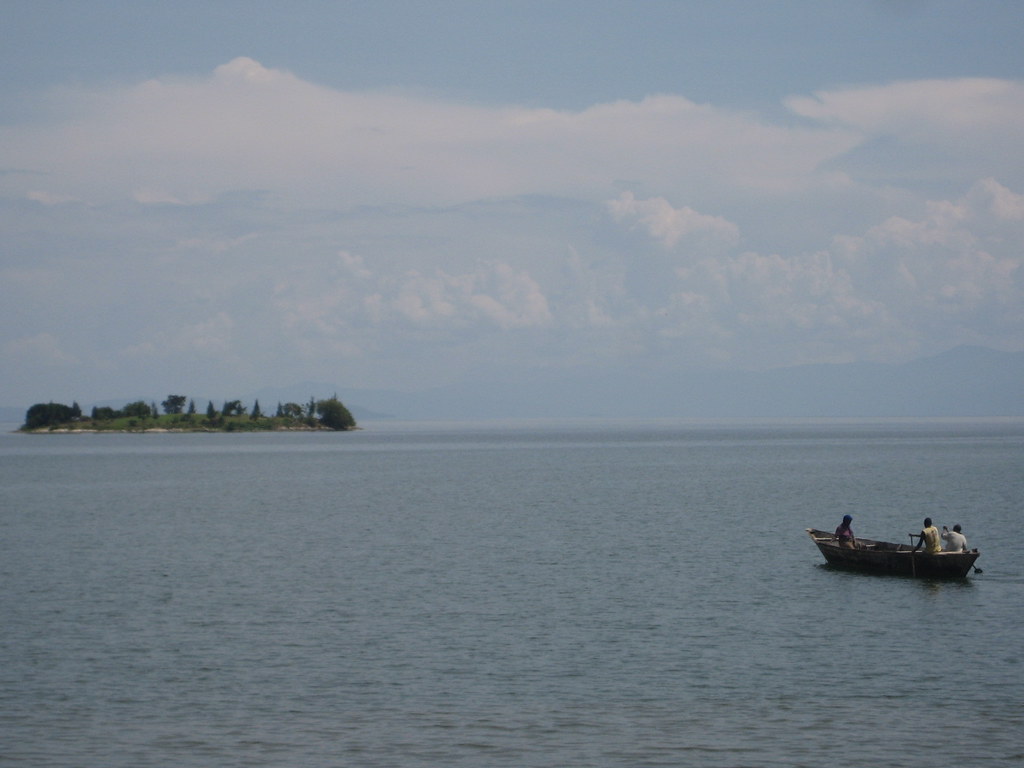
Lake Kyoga is not a single, clearly defined lake in the conventional sense. Instead, it is a complex network of shallow waters rarely exceeding five meters in depth, interspersed with papyrus islands and seasonal floodplains. During the rainy seasons, the lake expands dramatically, absorbing overflow from surrounding rivers and wetlands. In drier periods, parts of the lake recede, exposing muddy shorelines and channels that shift with time.
This shallow nature makes Lake Kyoga warm and nutrient-rich, ideal for aquatic life but also prone to heavy growth of water plants such as papyrus and water hyacinth. The lake’s appearance changes constantly, giving it a living, breathing quality that reflects seasonal rhythms rather than fixed boundaries.
Ecological Importance of Lake Kyoga
Lake Kyoga is a critical ecological engine for Uganda. Its wetlands act as natural filters, improving water quality as the Nile flows through the basin. The papyrus swamps stabilize shorelines, reduce erosion, and provide breeding grounds for fish, birds, and other wildlife. Without Lake Kyoga, flooding downstream would be more severe, and the health of the Nile system would be significantly compromised.
The lake supports a wide variety of fish species, including tilapia, catfish, and Nile perch, which form the backbone of local fisheries. These fisheries are vital not only for food security but also for regional economies, supporting thousands of households across districts such as Buyende, Kayunga, Amolatar, and Soroti.
Birdlife and Wildlife Around the Lake
Lake Kyoga is an important destination for birdlife, particularly wetland and water-associated species. The extensive papyrus belts provide habitat for specialized birds that are rarely seen elsewhere. Herons, egrets, cormorants, kingfishers, and African fish eagles are common sights along the lake’s margins, while the quieter papyrus channels may shelter rarer species that depend on dense wetland vegetation.
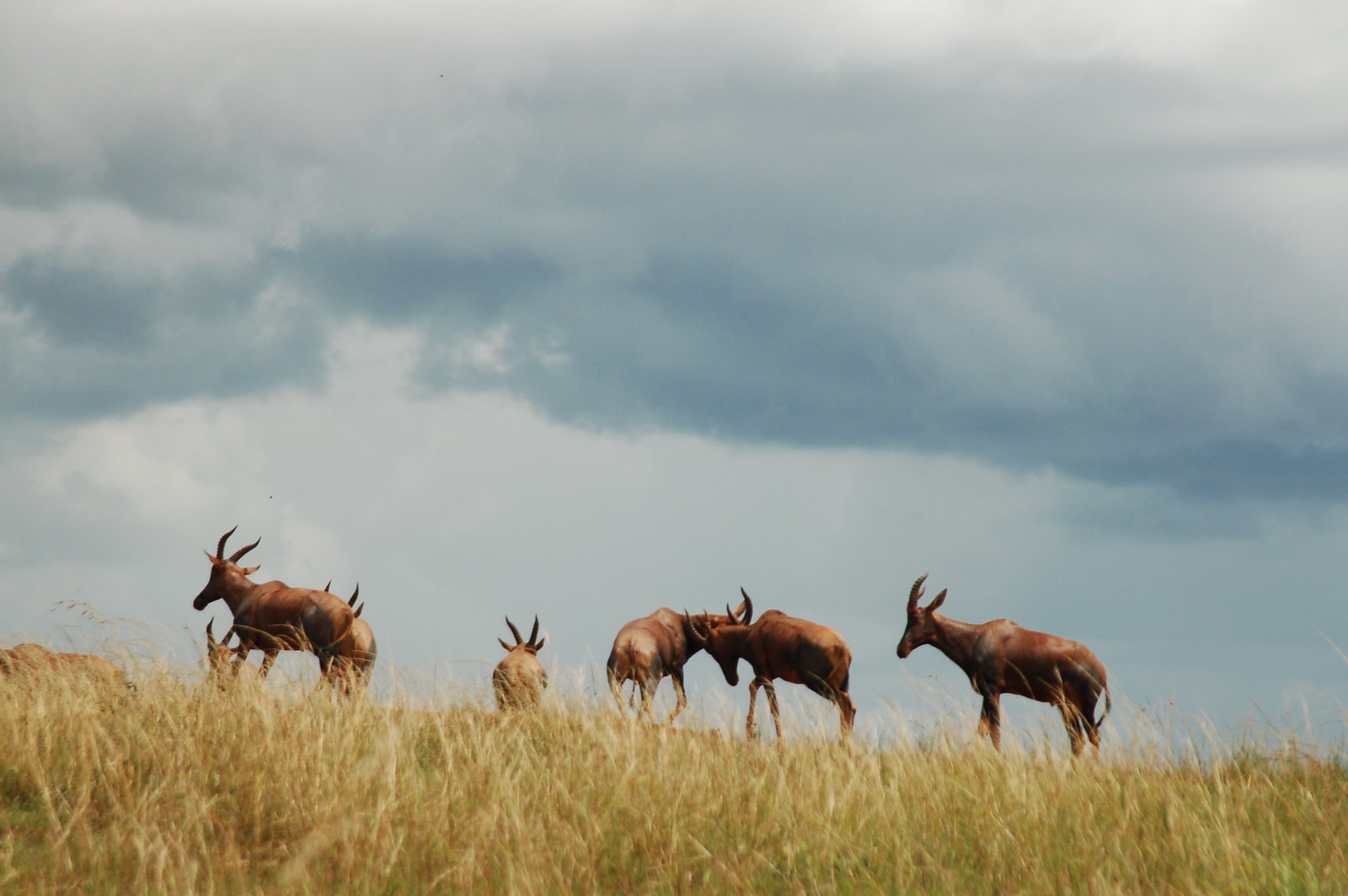
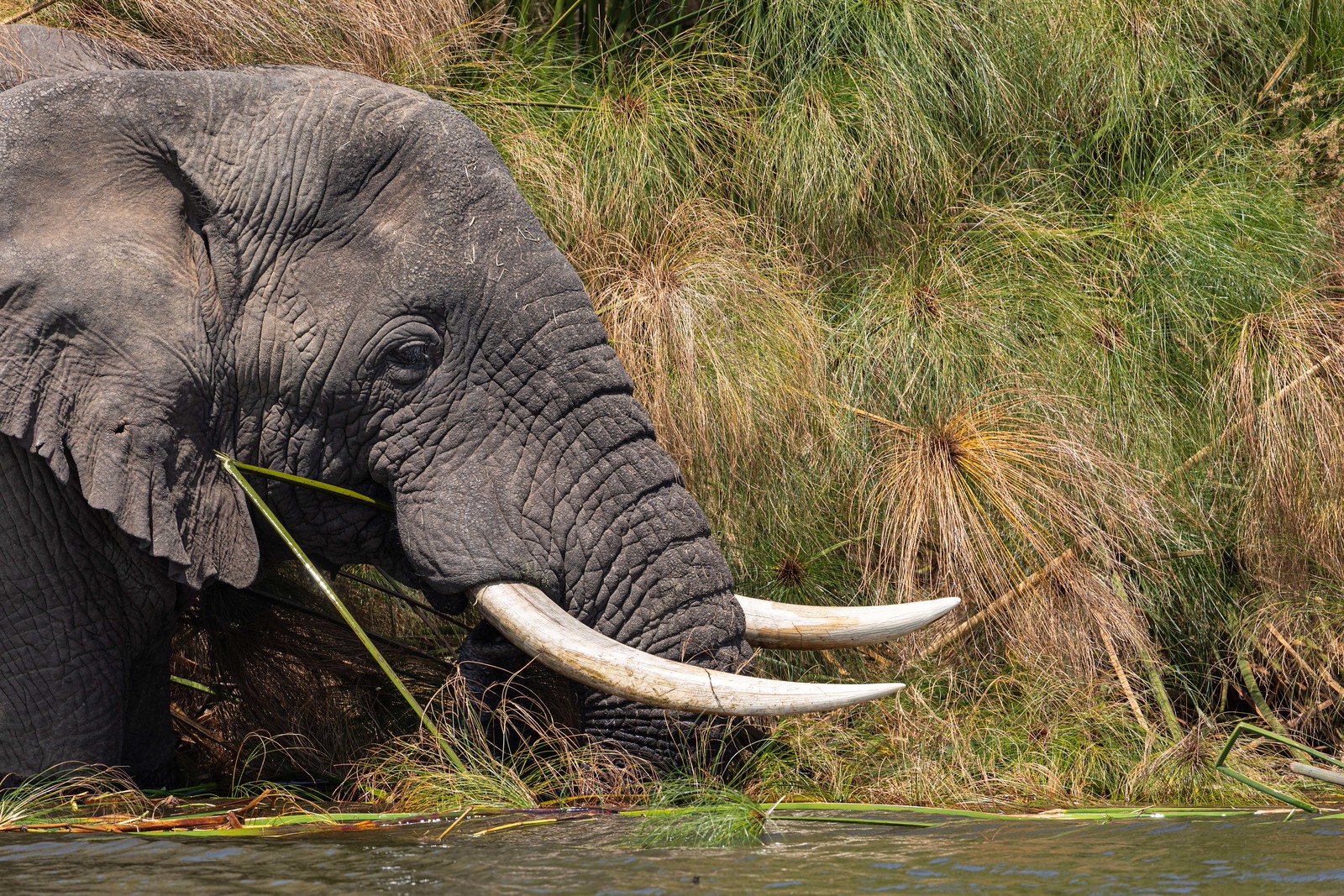
Although Lake Kyoga is not known for large concentrations of mammals in the way Uganda’s national parks are, its wetlands support reptiles, amphibians, and small mammals that contribute to a balanced ecosystem. The lake’s true wildlife strength lies in its subtle abundance rather than dramatic spectacles.

Human Life and Cultural Connections
For centuries, Lake Kyoga has been central to human settlement and culture. Fishing communities line its shores, and traditional wooden canoes remain the primary means of transport across the water. Life around the lake follows the rhythms of fishing seasons, water levels, and weather patterns, creating a deep connection between people and nature.
Fishing is more than an economic activity here; it is a cultural identity. Knowledge of currents, fish behavior, and weather signs is passed down through generations. Markets near the lake bustle with fresh fish, smoked catches, and local produce, linking Lake Kyoga to food systems far beyond its shoreline.
Agriculture also thrives around the lake’s fertile floodplains. When waters recede, nutrient-rich soils support crops such as maize, cassava, rice, and vegetables. This seasonal interaction between farming and fishing has shaped livelihoods that are adaptive and resilient, though increasingly challenged by environmental change.
Environmental Challenges Facing Lake Kyoga
Despite its importance, Lake Kyoga faces serious environmental pressures. Overfishing, use of illegal fishing gear, wetland encroachment, and pollution from agriculture and settlements have placed strain on the lake’s delicate balance. The spread of invasive plants like water hyacinth has further complicated navigation and fishing, reducing oxygen levels in the water and affecting fish stocks.
Climate variability has also altered rainfall patterns, leading to unpredictable flooding and prolonged dry spells. These changes affect both ecosystems and human livelihoods, making sustainable management of the lake more urgent than ever.
Efforts by government agencies, conservation organizations, and local communities aim to restore wetlands, regulate fishing practices, and promote awareness about the lake’s ecological value. The success of these initiatives depends heavily on balancing conservation needs with the realities of people who depend on the lake for survival.
Lake Kyoga and Tourism Potential
Lake Kyoga remains largely untouched by mainstream tourism, yet it holds significant potential for travelers seeking off-the-beaten-path experiences. Its quiet waters, expansive skies, and traditional lakeside life offer a sense of authenticity that contrasts with more commercialized destinations.
Birdwatching, cultural visits, and guided canoe excursions could form the basis of low-impact tourism that benefits local communities while preserving the lake’s fragile ecosystems. With thoughtful planning and investment, Lake Kyoga could become a model for sustainable inland wetland tourism in Uganda.
The Role of Lake Kyoga in Uganda’s Future
Lake Kyoga is more than a geographical feature; it is a lifeline that connects water systems, ecosystems, and human societies across Uganda. Its wetlands protect downstream environments, its fisheries feed millions, and its cultural landscapes preserve ways of life that have endured for generations.
As Uganda continues to develop, the future of Lake Kyoga will depend on recognizing its value not only as a resource to be used, but as a system to be protected. Preserving Lake Kyoga means safeguarding biodiversity, strengthening food security, and maintaining the natural processes that sustain the Nile itself.
In its quiet, understated way, Lake Kyoga stands as one of Uganda’s most important natural treasures, a reminder that some of the most powerful landscapes are those that work silently, shaping life far beyond what the eye can immediately see.