Part of the Virunga Conservation Area Comprising Virunga National Park
The Virunga Conservation Area is one of the most remarkable and ecologically significant regions in Africa, and at its heart lies Virunga National Park, a landscape of extraordinary beauty, biodiversity, and global conservation importance. Stretching along the eastern border of the Democratic Republic of the Congo, Virunga National Park forms a vital component of the greater Virunga Conservation Area, a transboundary ecosystem shared by the Democratic Republic of the Congo, Rwanda, and Uganda. This region is not only Africa’s oldest national park but also one of its most biologically diverse protected areas.
Virunga National Park represents the Congolese pillar of this wider conservation landscape. Together with Volcanoes National Park in Rwanda and Mgahinga Gorilla National Park in Uganda, it forms a continuous chain of protected habitats that safeguard some of the planet’s most endangered species, including the iconic mountain gorilla. The ecological, cultural, and scientific value of this shared conservation area cannot be overstated, as it preserves a complex mosaic of ecosystems shaped by volcanism, altitude, climate, and time.
The Geographic Significance of Virunga National Park
Virunga National Park lies in eastern Democratic Republic of the Congo, running along the borders of Rwanda and Uganda. Covering an area of more than 7,800 square kilometers, the park stretches from the snow-capped Rwenzori Mountains in the north to the active volcanoes of the Virunga Massif in the south. This dramatic geographic range gives Virunga National Park an unmatched diversity of landscapes within a single protected area.
As part of the Virunga Conservation Area, the park occupies a critical ecological corridor that allows wildlife to move freely across national boundaries. These transboundary connections are essential for the survival of wide-ranging species and for maintaining genetic diversity among animal populations. The park’s location also places it within the Albertine Rift, one of Africa’s most important biodiversity hotspots and a region recognized globally for its high levels of endemism.
A Mosaic of Ecosystems Within the Virunga Conservation Area
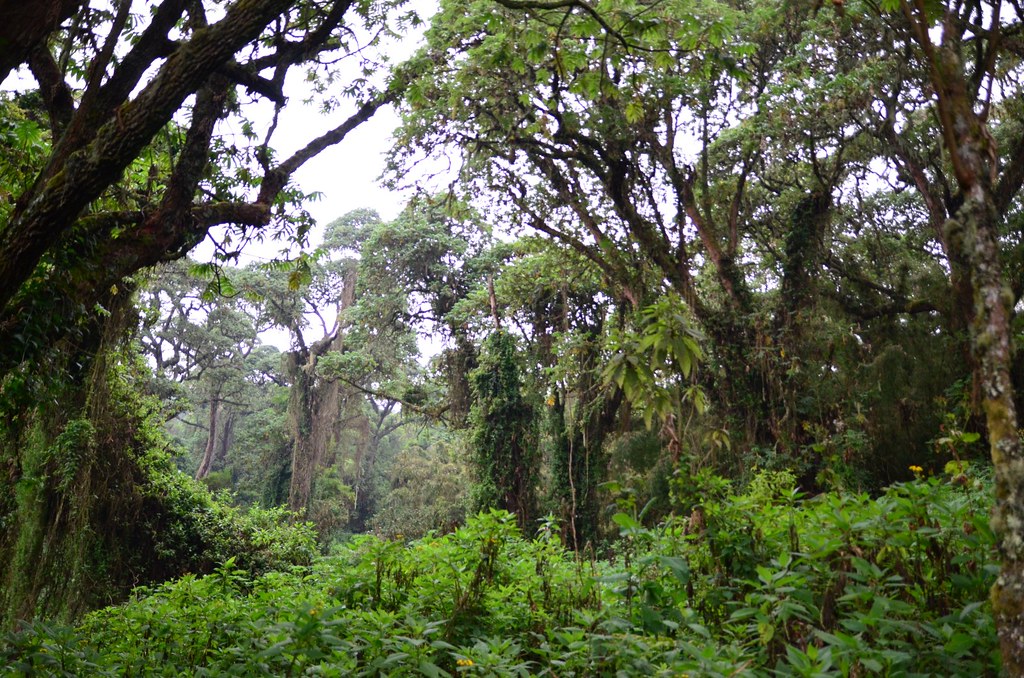
Virunga National Park’s inclusion in the Virunga Conservation Area is defined by its astonishing ecological variety. Few places on Earth contain such a wide range of habitats within a single conservation landscape. From lowland tropical rainforests and swampy wetlands to alpine meadows and lava-strewn volcanic slopes, the park is a living showcase of Africa’s natural richness.
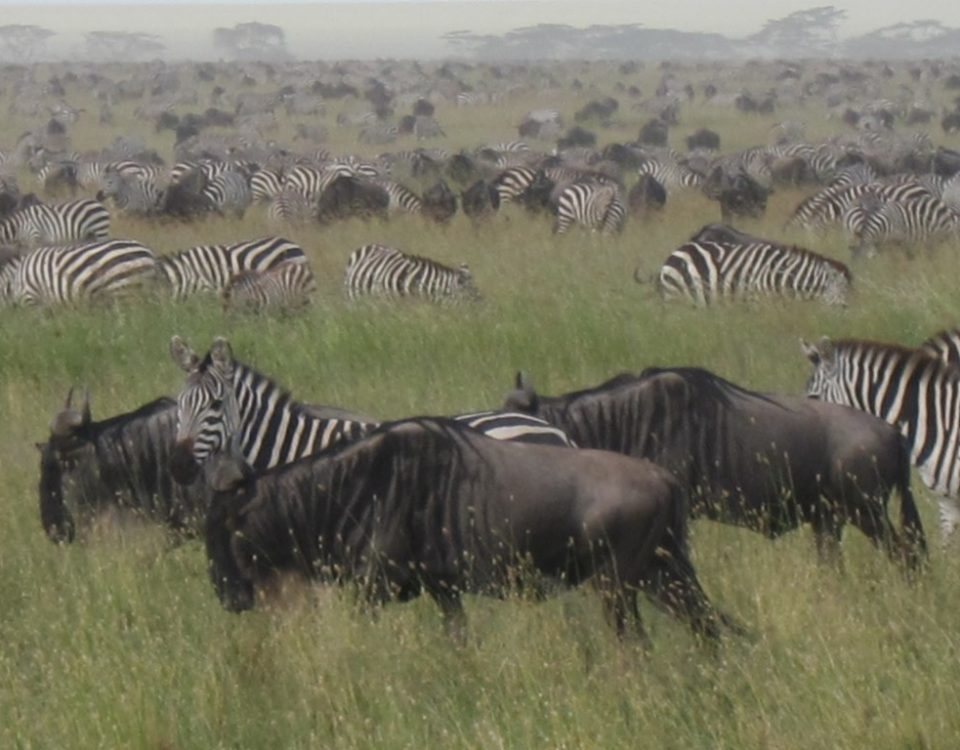
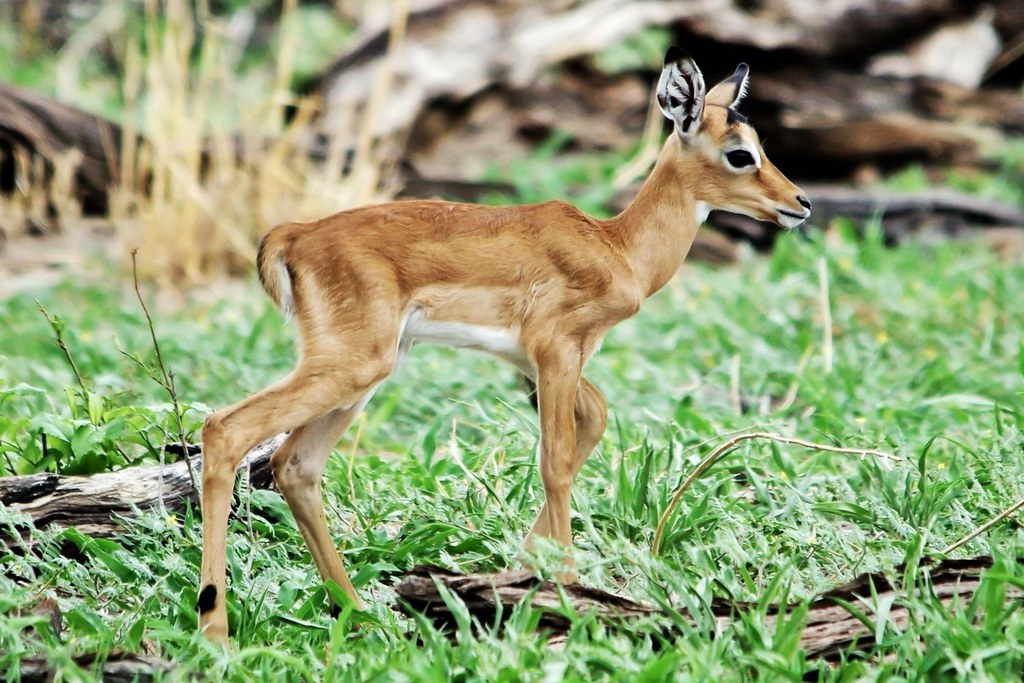
The southern sector of the park is dominated by the Virunga Volcanoes, a chain of majestic peaks that includes active volcanoes such as Mount Nyiragongo and Mount Nyamuragira. These volcanic landscapes create fertile soils that support lush vegetation and dense forests, ideal for primates and other forest-dependent species. In contrast, the northern reaches of the park encompass savannah grasslands, river systems, and the foothills of the Rwenzori Mountains, providing habitat for large mammals such as elephants, buffaloes, and antelopes.
Lake Edward, shared with Queen Elizabeth National Park in Uganda, forms another crucial component of the Virunga Conservation Area. Its shores and surrounding wetlands support rich birdlife, fisheries, and aquatic ecosystems that sustain both wildlife and local communities.
Wildlife of Global Importance
Virunga National Park is internationally renowned for its wildlife, particularly as a stronghold for endangered species. As part of the greater Virunga Conservation Area, it plays a central role in the protection of mountain gorillas, one of the world’s most threatened primates. These gorillas rely on the forested slopes of the Virunga Massif, moving across borders between Congo, Rwanda, and Uganda in search of food and suitable habitat.
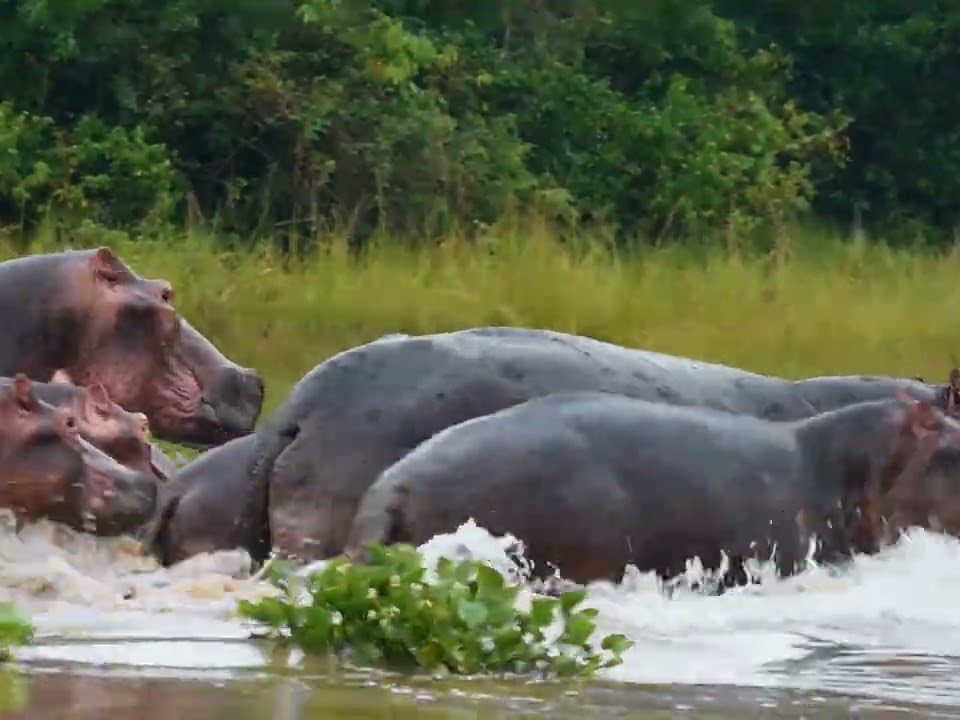
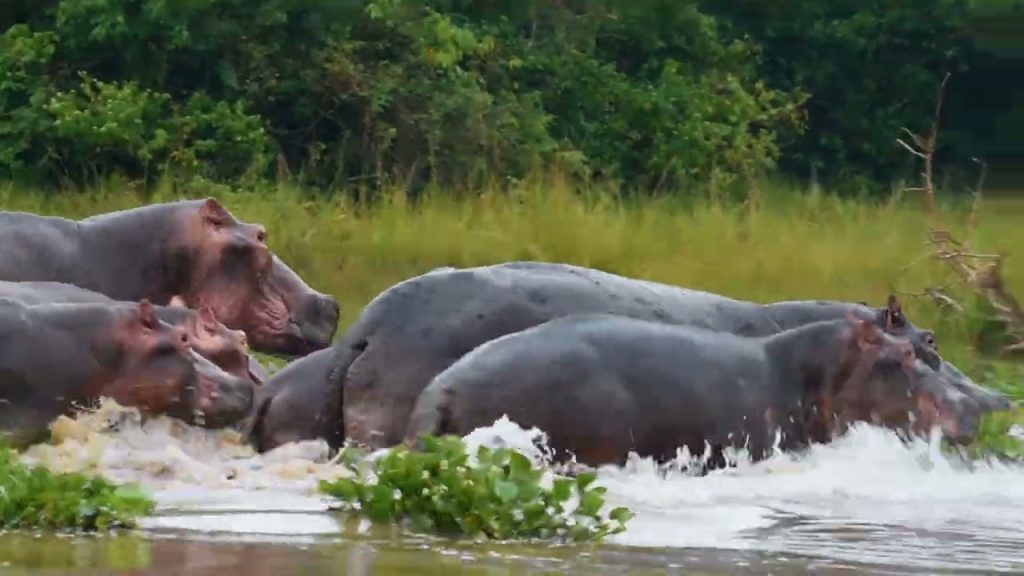
In addition to mountain gorillas, Virunga National Park supports eastern lowland gorillas, chimpanzees, golden monkeys, and a wide variety of other primates. Large mammals such as African elephants, hippopotamuses, lions, leopards, and numerous antelope species also inhabit the park, making it one of the most species-rich protected areas in Africa.
Birdlife within the park is equally impressive. Hundreds of bird species have been recorded, many of them endemic to the Albertine Rift. The park’s lakes, rivers, forests, and high-altitude zones provide diverse birding opportunities, attracting ornithologists and nature enthusiasts from around the world.
The Volcanic Heart of the Virunga Conservation Area
One of the defining features of Virunga National Park is its active volcanism. Mount Nyiragongo, famous for hosting one of the world’s largest lava lakes, stands as a symbol of both the park’s beauty and its raw natural power. The presence of active volcanoes has shaped the landscapes, soils, and ecosystems of the entire Virunga Conservation Area, influencing vegetation patterns and wildlife distribution.
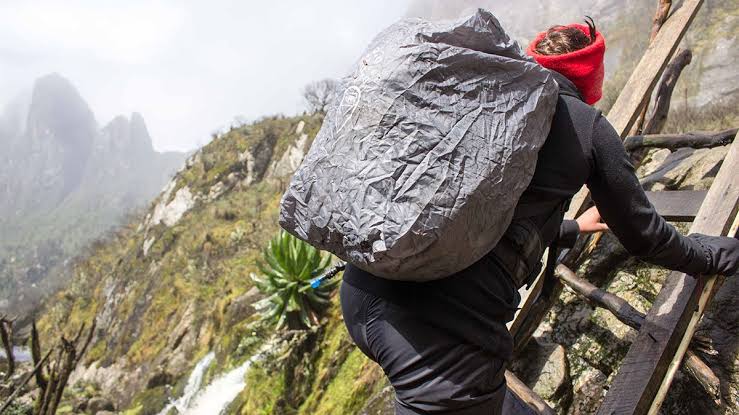
Volcanic activity has also created unique trekking and research opportunities. Hiking on volcanic slopes, observing lava flows from a safe distance, and studying how ecosystems recover after eruptions offer rare insights into the relationship between geology and life. These experiences, while challenging, contribute to Virunga’s reputation as one of Africa’s most extraordinary natural destinations.
Conservation Challenges and Resilience
Despite its immense value, Virunga National Park faces significant conservation challenges. Decades of regional conflict, poaching, illegal resource extraction, and human encroachment have placed enormous pressure on the park and its wildlife. Rangers working within the Virunga Conservation Area often operate under difficult and dangerous conditions, risking their lives to protect this irreplaceable landscape.
Yet, the park also stands as a symbol of resilience and hope. Through international cooperation, community engagement, and innovative conservation strategies, Virunga National Park continues to recover and rebuild. Ecotourism, particularly gorilla trekking and guided nature experiences, plays a growing role in generating revenue that supports conservation efforts and local livelihoods.
The transboundary nature of the Virunga Conservation Area is a key strength in this regard. Collaboration between the Democratic Republic of the Congo, Rwanda, and Uganda has improved wildlife monitoring, research, and protection, demonstrating that shared natural heritage can unite nations around a common goal.
Cultural and Human Dimensions of the Conservation Area
The Virunga Conservation Area is not only a haven for wildlife but also a landscape deeply intertwined with human history and culture. Millions of people live around its borders, relying on its resources for water, fertile land, and livelihoods. Virunga National Park’s management increasingly recognizes the importance of integrating community development with conservation goals.
Education programs, sustainable agriculture initiatives, and alternative livelihood projects aim to reduce pressure on the park while improving quality of life for surrounding communities. By linking conservation success with human well-being, the park strengthens long-term protection for its ecosystems and species.
The Role of Virunga National Park in Global Conservation
As part of the Virunga Conservation Area, Virunga National Park holds global significance. It is a UNESCO World Heritage Site, recognized for its exceptional biodiversity and natural beauty. Scientists regard the park as a living laboratory for studying evolution, climate change, and ecosystem resilience.The survival of species such as mountain gorillas depends directly on the continued protection of this shared conservation landscape. What happens in Virunga National Park has implications far beyond Central Africa, influencing global biodiversity conservation efforts and inspiring similar transboundary initiatives worldwide.Virunga National Park is far more than a protected area within the Democratic Republic of the Congo. It is a cornerstone of the Virunga Conservation Area, a vast and interconnected ecosystem that transcends national borders and represents one of Africa’s greatest natural treasures. Its dramatic landscapes, unparalleled biodiversity, and cultural significance make it a place of global importance and deep emotional impact.To understand Virunga National Park is to understand the power of nature, the fragility of ecosystems, and the potential for cooperation in conservation. As part of the Virunga Conservation Area, the park stands as a testament to what can be achieved when nations, communities, and conservationists work together to protect a shared natural heritage for future generations.