Ancient barkcloth being prepared using traditional methods

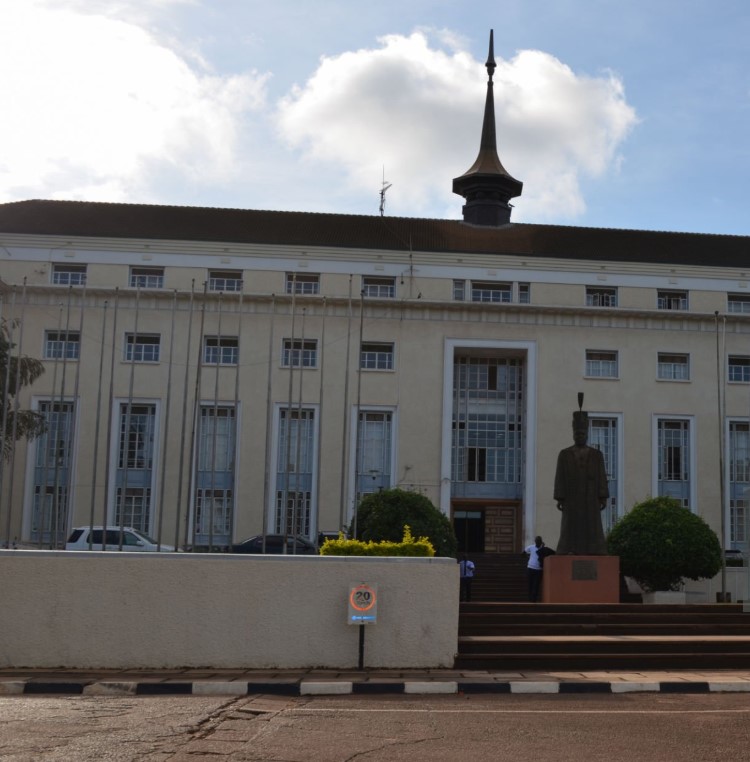
The Buganda Kingdom Big Tribe In Uganda

July 28, 2026

Waterfalls and Wildlife Spots in Volcanoes National Park

July 30, 2026

Why Tanzania Is a Dream Destination for Wildlife Photography

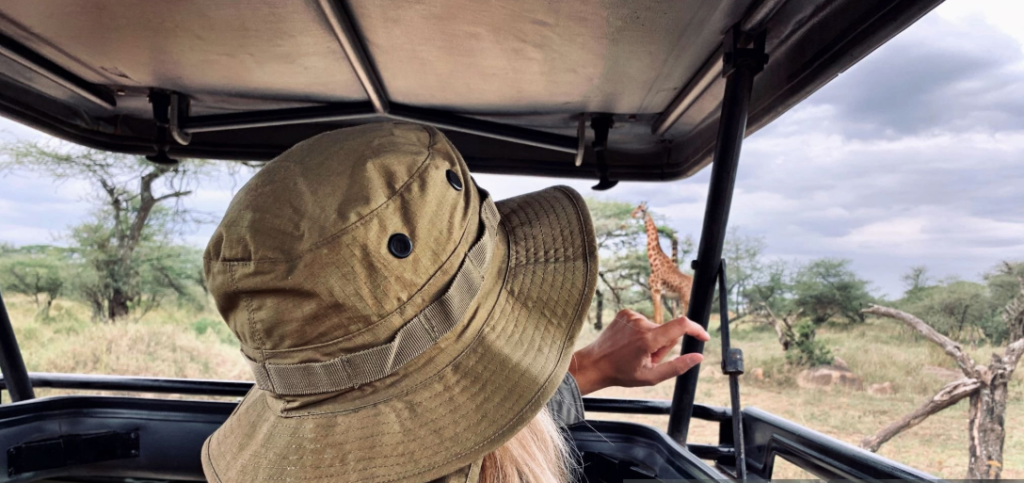
Tanzania is one of the most photographed countries in Africa, and for good reason. Its landscapes are cinematic in scale and variety, its wildlife is abundant and often remarkably close to roads and viewing points, and its light, particularly in the early morning and late afternoon hours, has a quality that professional photographers travel from around the world to capture. From the endless golden plains of the Serengeti, where lions, cheetahs, and wildebeest play out the ancient dramas of predator and prey against spectacular backdrops, to the intimate crater world of the Ngorongoro, where the entire ecosystem is compressed into a volcanic bowl that makes wildlife photography almost absurdly productive, Tanzania offers photographic opportunities that no other destination can match.

A Tanzania photography safari requires planning that is somewhat different from a conventional wildlife safari. While most safari travelers are happy to move relatively quickly between areas and destinations, photographers benefit enormously from staying longer in productive locations, waiting for the right light, and being patient with subjects until the perfect moment presents itself. The best Tanzania photography safaris allocate more time than the average itinerary at each location, use vehicles that can be configured for camera support, and work with guides who understand the needs of photographers rather than simply rushing from species to species.

The Serengeti: Africa’s Greatest Stage

The Serengeti is the epicenter of Tanzania wildlife photography, and it has provided the defining images of African wilderness for generations. The park’s scale is almost incomprehensible, covering over 14,750 square kilometers of open grassland, kopje-studded plains, riverine woodland, and acacia savannah. This variety of habitats supports the full range of African savannah species, and the exceptional density of both predators and prey means that wildlife encounters are frequent, close, and unpredictable in the most rewarding way.

Photographing the Great Migration

The annual Great Migration, during which over two million wildebeest, zebras, and gazelles move in a continuous circuit through the Serengeti and into the Maasai Mara in Kenya, is one of photography’s greatest subjects. The scale of the migration is staggering, and at its peak, the sight of hundreds of thousands of animals moving across the plains, raising clouds of dust, and filling the air with their calls creates images that convey the raw, almost geological power of nature at its most fundamental. The dramatic river crossings at the Grumeti and Mara rivers, where wildebeest must navigate crocodile-infested waters in the face of enormous danger, provide some of the most intense and dramatic wildlife photography moments available anywhere in the world. Explore our guide to the Great Migration to understand how to time your visit for the best photographic opportunities.

Big Cat Photography in the Serengeti

The Serengeti’s lion population is one of the largest and most studied in Africa, and the cats are extremely well habituated to vehicles, allowing photographers to get remarkably close without disturbing natural behavior. Lions on a kill, lions interacting within a pride, males roaring at dawn or dusk, mothers tending cubs in the grass — all of these subjects are regularly available to patient photographers in the right location at the right time. Cheetahs, which hunt by day on the open plains, are particularly rewarding to photograph, as their sleek, spotted forms and explosive acceleration during hunts make for spectacular images. Leopards, more secretive and nocturnal, require luck and persistence to photograph well, but Seronera in the central Serengeti is one of the world’s best leopard-viewing areas.

Ngorongoro Crater: Photography in a Natural Amphitheatre

The Ngorongoro Crater is the world’s largest intact volcanic caldera, and its self-contained ecosystem creates photographic conditions that are uniquely productive. The crater floor covers approximately 260 square kilometers and supports some of Africa’s highest densities of wildlife, including large numbers of lions, hyenas, zebras, wildebeest, buffaloes, elephants, and the rare black rhinoceros. Because the crater walls prevent most wildlife from leaving the protected area, the animals are concentrated in a relatively small space that makes observation and photography far more consistent than in open systems like the Serengeti.

The Black Rhinoceros

Ngorongoro Crater is one of the few places in East Africa where black rhinoceroses can be seen in the wild, and photographing these critically endangered animals in their natural habitat is a powerful and moving experience. The crater’s rhinos are well habituated to vehicles and can often be photographed at close range, providing images that convey both the animal’s prehistoric power and the fragility of its existence in a world where its species has been reduced to fewer than 5,000 individuals. The backdrop of the crater walls and the high-altitude grasslands makes for dramatic environmental portraits that communicate the value of wild spaces.

Tarangire National Park: Elephants and Ancient Baobabs

Tarangire National Park, while less well known internationally than the Serengeti or Ngorongoro, is one of Tanzania’s finest photography destinations, particularly in the dry season from June to October when wildlife concentrations are at their peak. The park is famous for its enormous elephant herds, sometimes numbering several hundred animals, and the landscape of dry savannah, swamp, and ancient baobab trees provides some of the most distinctive and memorable backdrops in East African photography. Elephants photographed against ancient baobabs, or drinking from the Tarangire River as a backdrop of acacia woodland reflects in the water, create the kind of timeless, iconic images that define African wildlife photography at its finest.

Practical Tips for Tanzania Photography

A good telephoto lens is essential for Tanzania wildlife photography, with a minimum focal length of 300mm for competent wildlife images and ideally 400-600mm for the kind of frame-filling portraits that make for the most powerful photographs. A teleconverter can extend the reach of your primary lens at a relatively low cost. For landscape photography and wide shots that include animals in their environment, a wide-angle lens in the 16-35mm range opens up creative possibilities that complement the telephoto work. A beanbag or window mount for supporting the telephoto lens during game drives in a vehicle will produce sharper images than any tripod in that context.

Early morning light in Tanzania is extraordinary, and arriving at the best locations before sunrise is worth the early start. The soft, warm light of the hour after sunrise and the hour before sunset, combined with the low sun angle that illuminates subjects from the side, creates a quality of light that transforms competent photographs into great ones. Dust on the Serengeti’s dry-season roads can damage equipment, so keeping lenses in a bag between shots and using a blower brush frequently to remove dust from lens surfaces is important. For the best Tanzania photography safari experience, explore our Tanzania safari options or contact our team to plan a dedicated photography itinerary.

Popular Trip Packages to Guide You

Lake Kivu4

Please the content should be 110 characters.

Canopy Walks

Please the content should be 110 characters.

2656162324_869eb3ca13_h

Please the content should be 110 characters.

masaai mara5

7 Days Rwanda & Uganda Gorilla and Wildlife Safari from Kigali with Volcanoes, Bwindi & Big Game Experiences

MGAHINGA BIODIVERSITY2

Please the content should be 110 characters.

kidepo3

Please the content should be 110 characters.

The Rwenzori Mountains

Please the content should be 110 characters.

KAHUNGYE FAMILY – RUSHAGA SECTOR5

Please the content should be 110 characters.

UntamedUganda

6 Days Congo Lowland Gorillas & Lake Kivu Safari Experience

virunga2

Please the content should be 110 characters.

The Mubare family

3 days in Kahuzi-Biega trekking eastern lowland gorillas through dense rainforest and remote DR Congo landscapes.

virunga3

3 days in Virunga trekking mountain gorillas through volcanic forests and experiencing raw DR Congo wilderness.

39542202980_37447295db_h

Please the content should be 110 characters.

virunga4

Please the content should be 110 characters.

Golden-Monkey

Kigali city exploration with gorilla trekking and golden monkey tracking in Volcanoes National Park.

Akagera National Park

Gorilla trekking in Rwanda and Big Five game drives in Akagera National Park with scenic landscapes.

virunga1

Two immersive gorilla treks in Volcanoes National Park with scenic views and expert-guided encounters.

Uganda Gorilla Trekking Experience

Discover Uganda’s gorilla trekking experience where misty rainforests shelter mountain gorillas, ancient trails wind through Bwindi’s depths, and every step brings you closer to one of Africa’s most profound wildlife encounters, blending raw nature, conservation, and lasting memories.

Related Blogs