Gorilla Species
Understanding gorilla species deepens appreciation for their diversity, resilience, and vulnerability. From the misty mountains of East Africa to the dense rainforests of Central Africa, each gorilla subspecies represents a unique evolutionary path and conservation responsibility. Protecting gorillas is not only about saving a species, but about safeguarding entire ecosystems that are essential to the planet.
-
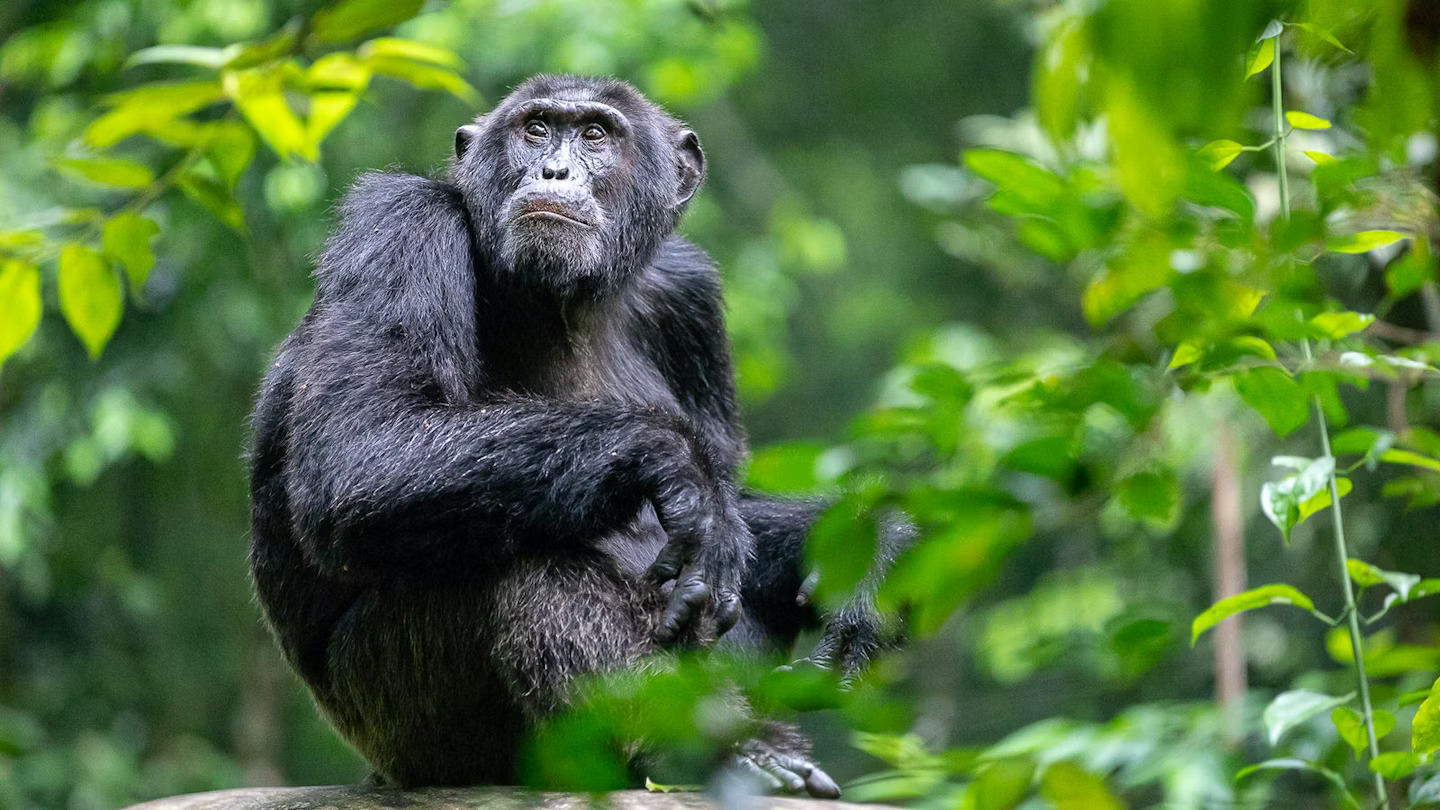
- Chimpanzee

Gorilla Species Guide: Understanding All Gorilla Types in the Wild
Gorillas are the largest living primates on Earth and among the most intelligent and emotionally complex animals in the wild. Native exclusively to Africa, gorillas inhabit a range of forest ecosystems, from misty mountain slopes to dense lowland rainforests. Although they share many similarities, gorillas are divided into two main species and four recognized subspecies, each adapted to specific environments and facing unique conservation challenges. This Gorilla Species Guide provides a clear, authoritative overview of all gorilla species, where they live, how they differ, and why protecting them matters.
The Two Main Gorilla Species
All gorillas belong to one genus, Gorilla, but scientists classify them into two main species based on geography, genetics, and physical traits. These are the Eastern Gorilla and the Western Gorilla. Each species is further divided into subspecies that reflect evolutionary adaptation to different habitats.
Eastern Gorilla Species
Eastern gorillas live in East and Central Africa and are generally larger and more robust than western gorillas. They occupy higher altitudes and larger forest ranges and are known for their impressive size and strength.
Mountain Gorilla (Gorilla beringei beringei)
Mountain gorillas are the most famous gorilla subspecies and the focus of gorilla trekking tourism. They live in high-altitude forests within the Virunga Mountains and Bwindi Impenetrable Forest in Uganda, Rwanda, and the Democratic Republic of Congo. Mountain gorillas are adapted to cold, misty environments and have longer, thicker hair to keep warm. They live in stable family groups led by a dominant silverback and are known for their calm, social nature. Thanks to intensive conservation and regulated tourism, mountain gorillas are the only gorilla subspecies whose population is slowly increasing.
Eastern Lowland Gorilla (Grauer’s Gorilla) (Gorilla beringei graueri)
Eastern lowland gorillas, also known as Grauer’s gorillas, are the largest of all gorilla subspecies. They live only in eastern Democratic Republic of Congo, mainly in and around Kahuzi-Biega National Park. These gorillas inhabit lowland and montane rainforests and have shorter hair than mountain gorillas due to warmer climates. Despite their size and strength, they are gentle and highly social. Their population has declined sharply due to habitat loss and instability, making them critically endangered.
Western Gorilla Species
Western gorillas live in Central and West Africa and are generally smaller and more elusive than eastern gorillas. They inhabit dense lowland rainforests that make observation and research more challenging.
Western Lowland Gorilla (Gorilla gorilla gorilla)
Western lowland gorillas are the most numerous gorilla subspecies and have the widest geographic range. They are found across several Central African countries, including Gabon, Republic of Congo, Cameroon, Central African Republic, and Equatorial Guinea. These gorillas have brownish-grey fur, a reddish crown in adults, and live in fruit-rich rainforests. Despite their higher numbers, they are classified as critically endangered due to disease outbreaks such as Ebola, habitat destruction, and illegal hunting.
Cross River Gorilla (Gorilla gorilla diehli)
The Cross River gorilla is the rarest and most endangered gorilla subspecies in the world, with fewer than 300 individuals remaining. They live in a small, fragmented forest region along the Nigeria–Cameroon border. Cross River gorillas are extremely shy and elusive, living in rugged, mountainous terrain that limits human access. They are not habituated for tourism, and conservation efforts focus on habitat protection, wildlife corridors, and strong community involvement rather than trekking experiences.
Key Differences Between Gorilla Species
Although all gorillas share similar social structures and behaviors, differences exist in size, habitat, and appearance. Eastern gorillas tend to be larger and occupy higher elevations, while western gorillas are smaller and live in lowland rainforests. Mountain gorillas have longer hair adapted to cold climates, whereas lowland gorillas have shorter hair suitable for warmer, humid environments. Behavioral differences are largely influenced by habitat, food availability, and human interaction levels.
Conservation Status of Gorilla Species
All gorilla species are classified as endangered or critically endangered. The primary threats include habitat loss, illegal hunting, disease, and human encroachment. Mountain gorillas are a conservation success story due to strict protection and responsible tourism, while other subspecies continue to decline. Conservation strategies vary by species but often include protected areas, anti-poaching patrols, veterinary monitoring, community engagement, and international cooperation.
Why Gorilla Species Matter
Gorillas play a vital ecological role as seed dispersers, helping maintain healthy forest ecosystems. Their survival supports biodiversity, climate regulation, and local livelihoods. Protecting gorillas also preserves some of Africa’s most important forest landscapes, benefiting countless other species and future generations.
Learn More About The Gorillas
Discover East Africa’s wild beauty — book your journey today and let the adventure begin.
What Our Travelers Enjoyed About Uganda Safaris

Gorillas "Silverback"
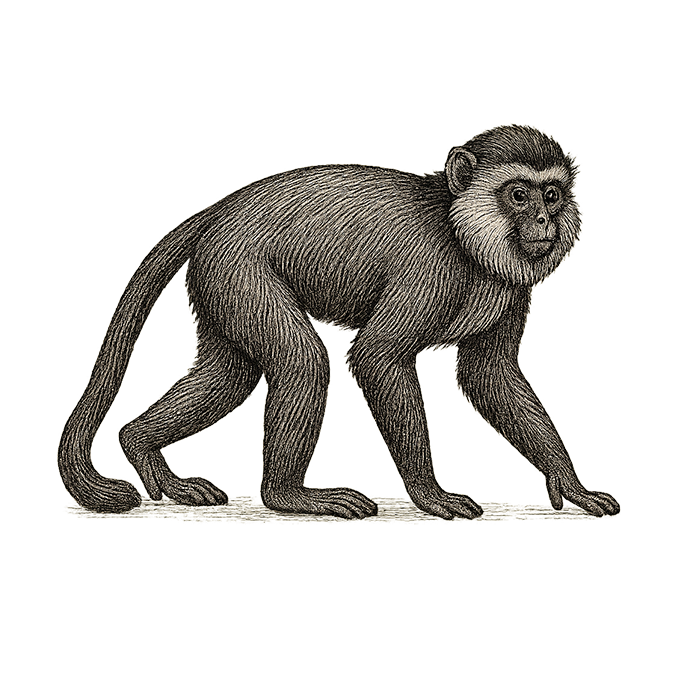
Golden Monkey "Photogenic"
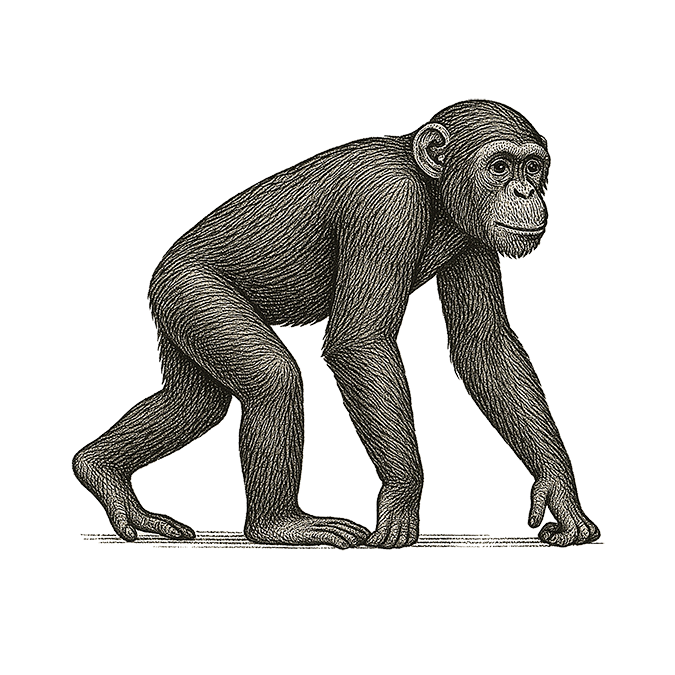
Chimpanzees "Pant-hoot"