Safari Guide for Serengeti National Park
Serengeti National Park stands as one of Africa’s most iconic wilderness areas, a vast and timeless landscape where nature unfolds on a grand scale. Located in northern Tanzania and extending toward the Kenyan border, the Serengeti is synonymous with classic African safaris, endless plains, dramatic wildlife encounters, and the legendary great migration. A journey into the Serengeti is not simply a holiday; it is an immersion into one of the most complete and dynamic ecosystems left on Earth.
This safari guide is designed to help travelers understand what makes Serengeti National Park so extraordinary, what to expect when visiting, and how to experience it in a way that is both rewarding and responsible.
Understanding the Serengeti Landscape
The word “Serengeti” comes from the Maasai language, meaning “endless plains,” a name that perfectly captures the park’s defining feature. Covering approximately 14,750 square kilometers, Serengeti National Park is one of the largest protected areas in Africa. Its landscapes are remarkably varied, shifting from short-grass plains in the south to rolling savannahs, acacia woodlands, riverine forests, and rocky granite outcrops known as kopjes.
The southern Serengeti is characterized by open grasslands that stretch to the horizon. These plains are especially important during the calving season of the great migration. Central Serengeti, often referred to as Seronera, is known for its rich wildlife concentrations throughout the year, supported by permanent water sources. The western corridor follows the Grumeti River, while the northern Serengeti is defined by wooded hills and the Mara River, a crucial crossing point during migration.
This diversity of habitats is the foundation of the Serengeti’s extraordinary biodiversity and ensures that wildlife viewing is exceptional in every season.
Wildlife of Serengeti National Park
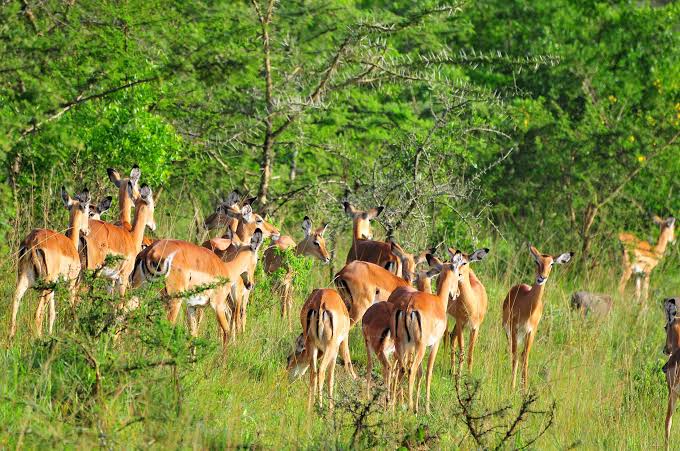
Serengeti National Park is home to one of the highest concentrations of large mammals in the world. It supports an estimated two million wildebeest, hundreds of thousands of zebras and gazelles, and a full complement of predators that depend on these vast herds.
Lions are among the Serengeti’s most famous residents, and the park supports one of the largest lion populations in Africa. These apex predators are frequently seen resting on kopjes, stalking prey across the plains, or interacting within their prides. Leopards are more elusive but commonly found in the central regions, especially along riverine forests. Cheetahs thrive in the open grasslands, where their speed gives them an advantage when hunting.
Other predators include spotted hyenas, which are highly intelligent and often misunderstood, as well as smaller carnivores such as jackals and servals. The herbivore population is equally impressive, with elephants, buffaloes, giraffes, topis, elands, hartebeests, and warthogs widely distributed across the park.
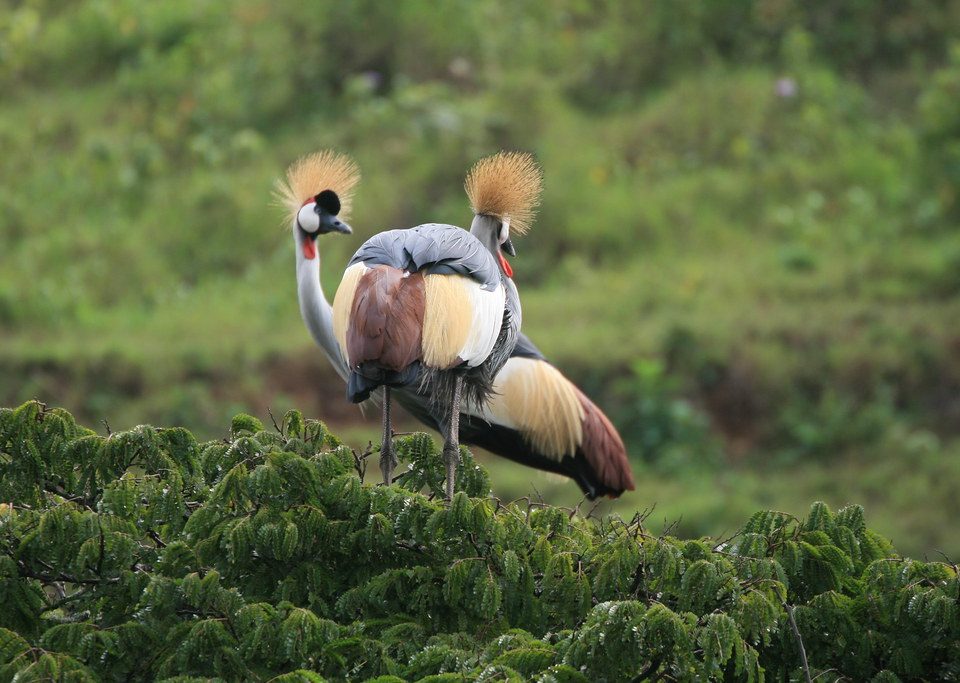
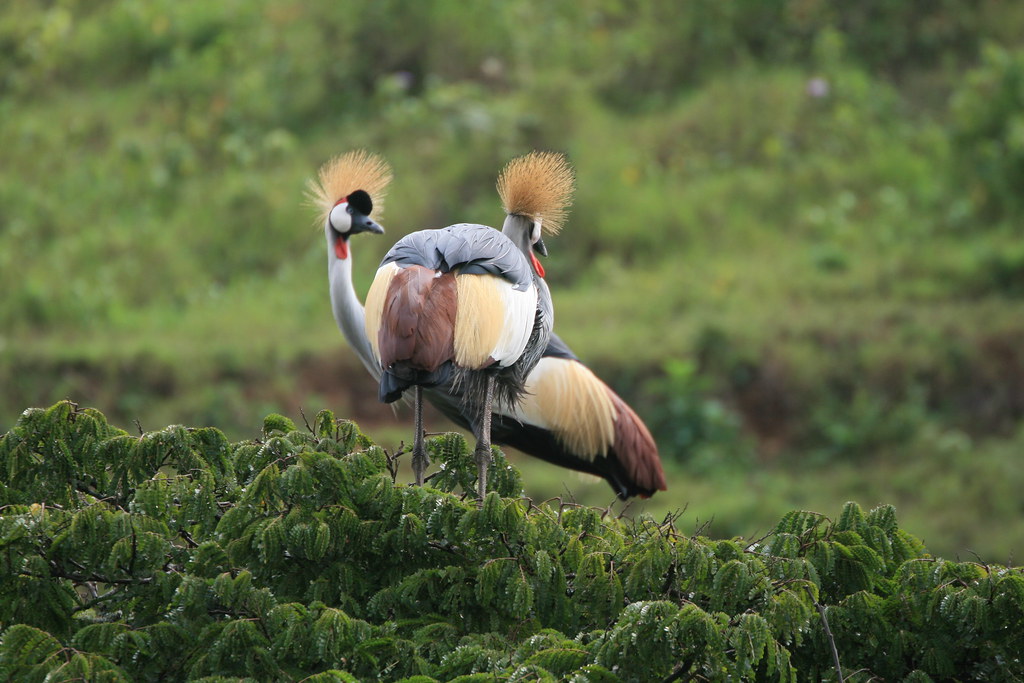
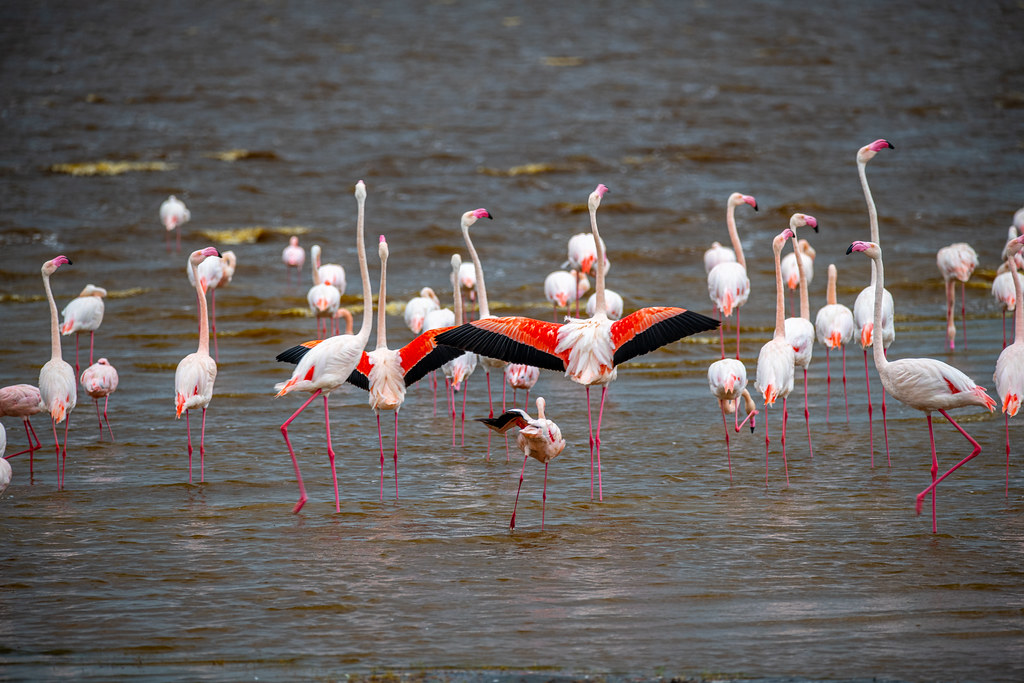
The Serengeti also boasts rich birdlife, with more than 500 recorded species. From large birds of prey like martial eagles and vultures to colorful rollers, bee-eaters, and secretary birds, the avian diversity adds another layer of fascination to any safari experience.
The great migration Experience
The great migration is the Serengeti’s most celebrated natural phenomenon and one of the greatest wildlife spectacles on the planet. It involves the continuous movement of over a million wildebeest, accompanied by zebras and gazelles, as they search for fresh grazing and water.
The migration follows a roughly circular route through the Serengeti and into Kenya’s Maasai Mara, driven by seasonal rainfall patterns. Calving typically takes place in the southern Serengeti between January and March, when nutrient-rich grasses support newborn calves. This period attracts large numbers of predators and offers dramatic wildlife encounters.
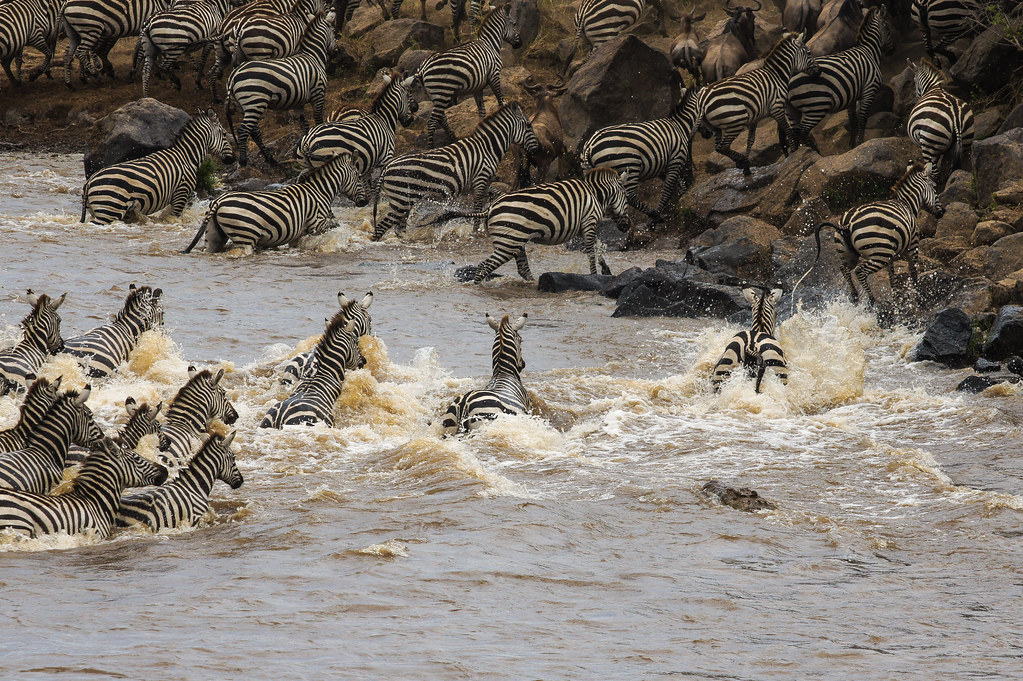
As the dry season progresses, the herds move westward and northward, eventually reaching the Mara River in the northern Serengeti around July to October. River crossings are among the most dramatic moments of the migration, as animals face strong currents and waiting crocodiles. Witnessing this event is a powerful reminder of nature’s raw intensity and resilience.
Best Time to Visit Serengeti National Park
Serengeti National Park can be visited year-round, and each season offers a different experience. The dry season, generally from June to October, is considered the best time for classic game viewing. During this period, vegetation is thinner, and animals gather around water sources, making sightings easier.
The green season, from November to May, transforms the landscape into a lush paradise. While some travelers avoid this time due to occasional rain, it is a rewarding season for photographers and birdwatchers. The calving season in early months of the year provides exceptional predator activity and fewer crowds.
Choosing the best time to visit depends on personal interests, whether that is witnessing the great migration, enjoying abundant wildlife without peak-season congestion, or capturing the Serengeti’s dramatic skies and fresh greenery.
Safari Activities in the Serengeti
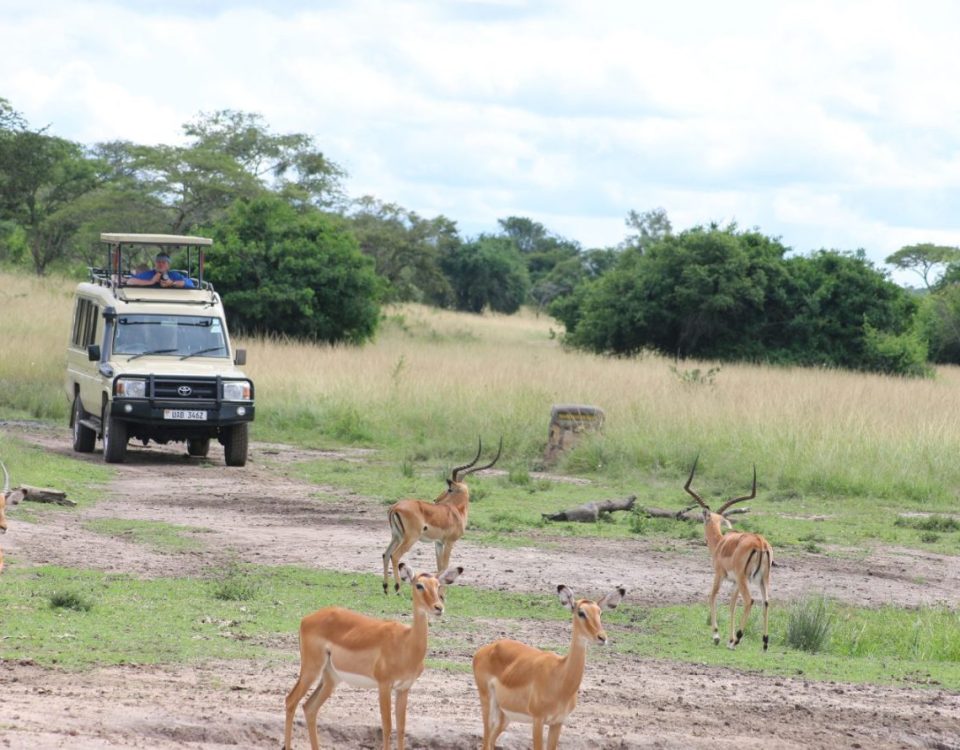
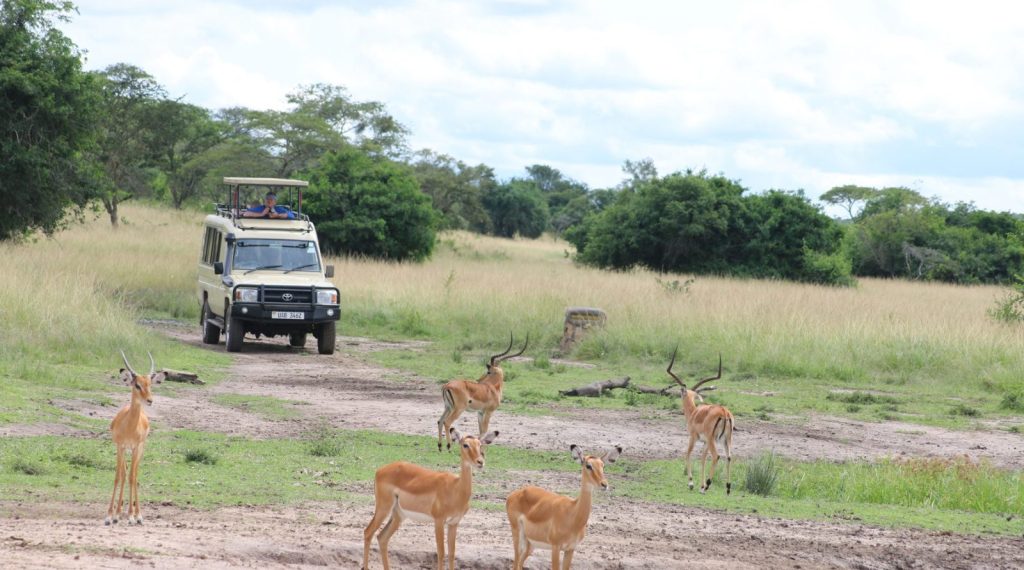
game drives are the primary activity in Serengeti National Park and are conducted in specially adapted safari vehicles. These drives typically take place early in the morning and late in the afternoon, when wildlife is most active. Experienced guides play a crucial role, interpreting animal behavior, tracking movements, and sharing insights into the ecosystem.
Walking safaris are limited within the national park itself due to conservation regulations, but they are available in nearby conservation areas. These guided walks offer a more intimate connection with the environment, focusing on tracks, plants, insects, and smaller details often missed on game drives.
hot air balloon safaris provide a unique perspective on the Serengeti. Floating silently above the plains at sunrise allows travelers to appreciate the sheer scale of the landscape and observe wildlife movements from the air. This experience often concludes with a bush breakfast, adding a touch of classic safari romance.
Accommodation Options in Serengeti National Park
Accommodation in Serengeti National Park ranges from luxurious lodges to mobile tented camps and more permanent mid-range options. Luxury lodges offer high levels of comfort, fine dining, and panoramic views, often overlooking waterholes or migration routes. Tented camps provide an authentic safari atmosphere, combining comfort with proximity to wildlife.
Mobile camps are designed to follow the migration, placing guests close to the action during key periods of the year. Staying inside the park allows for early access to game viewing areas and minimizes travel time, maximizing time spent with wildlife.
Each accommodation style offers a different experience, and the best choice depends on budget, travel style, and desired level of comfort.
Cultural Context and the Maasai Influence
While Serengeti National Park itself is a protected wilderness area, the surrounding regions are home to the Maasai people, whose culture and traditions are closely tied to the land. Many safari itineraries include visits to Maasai communities outside the park, offering insight into traditional pastoral lifestyles, customs, and conservation partnerships.
Understanding the human dimension of the Serengeti ecosystem adds depth to the safari experience. Conservation in this region relies not only on protected areas but also on cooperation with local communities who have coexisted with wildlife for generations.
Responsible Safari Travel in the Serengeti
Responsible tourism is essential for preserving the Serengeti’s fragile ecosystems. Visitors are encouraged to follow park regulations, respect wildlife by maintaining appropriate distances, and avoid behaviors that could disturb animals. Choosing reputable safari operators who support conservation initiatives and employ local guides contributes positively to the region.
By traveling thoughtfully, visitors help ensure that the Serengeti remains a thriving wilderness for future generations.
Why Serengeti National Park Remains Unmatched
Serengeti National Park is more than a destination; it is a living, breathing symbol of Africa’s natural heritage. Its vast landscapes, abundant wildlife, and timeless rhythms create an experience that resonates deeply with those who visit. Whether witnessing a lion hunt on the open plains, watching wildebeest thunder across the savannah, or simply absorbing the silence and scale of the wilderness, the Serengeti leaves an indelible impression.
A safari in Serengeti National Park is a journey into the heart of the wild, where nature still operates on its own terms. For travelers seeking authenticity, adventure, and a profound connection with the natural world, the Serengeti remains one of the greatest safari destinations on Earth.