The 10 Most Famous Mountain Gorilla Families You Can Visit
March 25, 2026
Gorilla Trekking on a Budget
March 25, 2026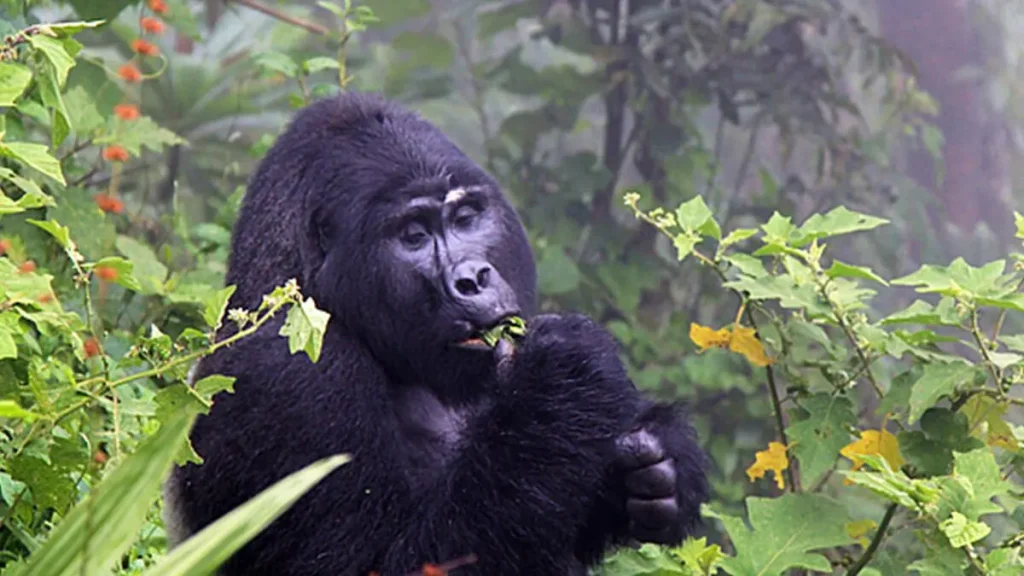
Solo Gorilla Trekking in Uganda: Tips for Independent Travelers
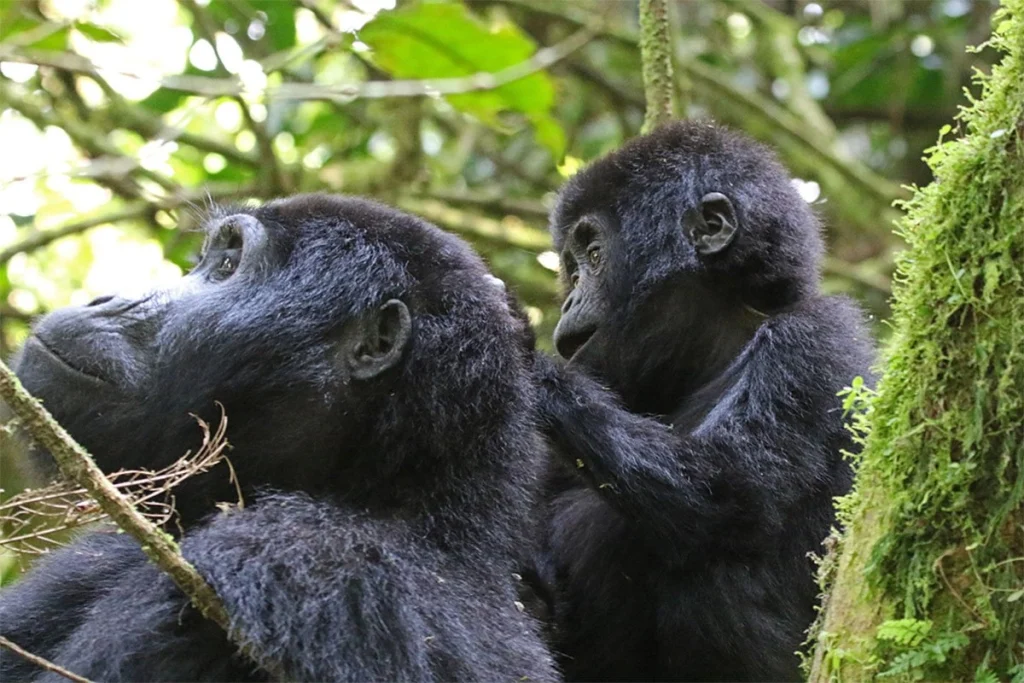
Solo gorilla trekking in Uganda is one of the most rewarding and transformative wildlife experiences an independent traveler can undertake. Deep within the misty forests of Bwindi Impenetrable National Park and Mgahinga Gorilla National Park, travelers have the rare opportunity to encounter endangered mountain gorillas in their natural habitat. While many visitors join group tours, solo trekking offers a unique sense of freedom, flexibility, and personal connection with both nature and the experience itself.
Traveling alone does not mean being isolated. Gorilla trekking in Uganda is highly organized and regulated by the Uganda Wildlife Authority, ensuring that all trekkers—whether solo or in groups—are guided by experienced rangers. For independent travelers, this creates the perfect balance between adventure and safety, allowing for a deeply immersive and secure journey into Uganda’s rainforest wilderness.
Understanding Solo Gorilla Trekking in Uganda
Solo gorilla trekking is simply the act of planning and undertaking your safari independently rather than as part of a pre-arranged group tour. However, once inside the park, all trekkers are grouped into small parties of up to eight people per gorilla family. This means solo travelers still benefit from shared tracking experiences while maintaining independence in planning logistics such as accommodation, transport, and timing.
The structured nature of gorilla trekking ensures that even solo travelers feel supported throughout the experience. Briefings, ranger guidance, and strict conservation protocols provide a seamless and organized adventure. This allows independent travelers to focus on the experience itself—trekking through dense forest, listening to the sounds of nature, and ultimately encountering a gorilla family in the wild.
Planning Your Solo Gorilla Trekking Adventure
Planning is critical for a successful solo trekking experience. Gorilla permits are limited and must be secured in advance through the Uganda Wildlife Authority or a trusted operator. These permits grant access to a specific gorilla family and include ranger guidance and park entry for the trekking activity.
Choosing the right trekking sector is equally important. Bwindi is divided into sectors such as Buhoma, Ruhija, Rushaga, and Nkuringo, each offering different terrain and trekking difficulty. Solo travelers should consider fitness level, preferred accommodation, and accessibility when selecting a sector. Mgahinga, on the other hand, offers a more compact trekking experience with fewer crowds and stunning volcanic landscapes.
Accommodation options range from budget lodges to luxury eco-camps, making it easy for solo travelers to tailor their experience. Staying near the trekking starting point reduces early morning travel stress and allows for a more relaxed preparation before the trek.
Transportation and Getting Around
One of the biggest considerations for solo travelers is transportation. Bwindi and Mgahinga are located in southwestern Uganda, requiring a long journey from Kampala or Entebbe International Airport. Travelers can choose between domestic flights to Kisoro or Kihihi airstrips, or road transfers that offer scenic views of Uganda’s countryside.
For independent travelers, hiring a private driver-guide is often the most practical option. It combines flexibility with local expertise, allowing travelers to navigate rural roads, reach lodges easily, and explore additional attractions along the way. Public transport is available but less reliable for reaching remote trekking sectors.
What to Expect on the Trek as a Solo Traveler
On the day of trekking, solo travelers join a small group led by experienced rangers and trackers. The trek begins early in the morning with a briefing, followed by entry into the forest to locate the assigned gorilla family. The duration of the trek varies from one hour to several hours, depending on the gorillas’ location.
The experience is physically demanding but incredibly rewarding. Dense vegetation, steep slopes, and muddy trails are part of the journey. Along the way, trackers share insights about the forest ecosystem, wildlife, and gorilla behavior. Once the gorillas are located, trekkers are allowed to spend one hour observing them at a safe distance.
For solo travelers, this shared yet personal experience often becomes a highlight. While the trek is done in a group, the emotional impact of encountering gorillas in their natural habitat is deeply individual and unforgettable.
Safety and Confidence for Solo Travelers
Uganda is considered a safe destination for gorilla trekking, particularly within protected areas managed by the Uganda Wildlife Authority. Rangers are trained in both wildlife management and visitor safety, ensuring that all trekking activities are conducted under strict guidelines.
Solo travelers should still take standard precautions, such as securing valuables, following ranger instructions, and staying within designated areas. Hiring reputable transport and accommodation providers further enhances safety and comfort.
The presence of guides and structured trekking groups means that solo travelers are never truly alone during the experience, providing reassurance while still allowing independence.
Packing Essentials for Solo Gorilla Trekking
Preparation is key to enjoying the trek. Proper gear ensures comfort and safety in Bwindi’s dense rainforest environment. Sturdy hiking boots, long-sleeved clothing, rain jackets, gloves, and insect repellent are essential. Carrying water, snacks, and a small backpack helps sustain energy during the trek.
For photographers, a camera with good zoom capability is ideal for capturing gorilla interactions without disturbing them. Solo travelers should also pack light but efficiently, as carrying unnecessary items can make the trek more challenging.
Benefits of Solo Gorilla Trekking
Solo gorilla trekking offers a level of personal immersion that is difficult to achieve in group travel. Independent travelers can move at their own pace, make spontaneous decisions, and fully absorb the environment without distraction. The solitude before and after the trek enhances the emotional impact of the encounter, making it more meaningful and reflective.
Additionally, solo travel encourages deeper interaction with guides, locals, and fellow trekkers. Many solo travelers find themselves forming connections during the trek, sharing experiences with like-minded individuals from around the world.
Challenges to Consider
While solo trekking offers many benefits, it also comes with challenges. Planning logistics independently can be time-consuming, and costs such as permits and transport may be higher without group sharing. Physical fitness is also important, as trekking conditions can be demanding.
However, with proper planning and realistic expectations, these challenges can be managed effectively. The rewards of the experience far outweigh the difficulties, making solo gorilla trekking a worthwhile adventure.
A Personal Journey into the Wild
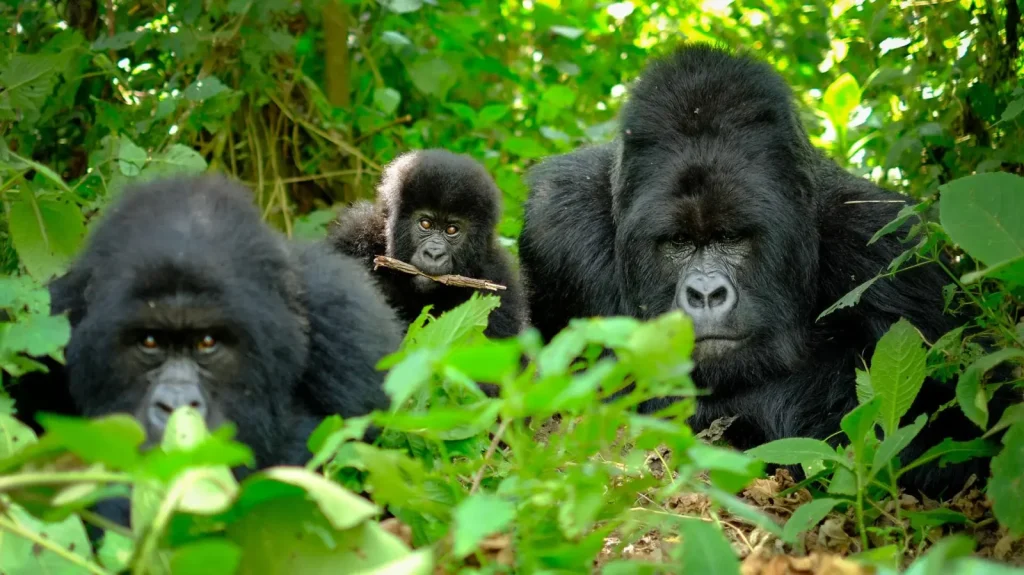
Solo gorilla trekking in Uganda is more than just a wildlife activity—it is a deeply personal journey into one of Africa’s most remarkable ecosystems. From navigating the misty forests of Bwindi to standing just meters away from a mountain gorilla family, every moment is filled with awe and connection.
For independent travelers, the experience combines adventure, reflection, and discovery. With proper planning, respect for conservation guidelines, and an open mind, solo gorilla trekking becomes a life-changing encounter that leaves lasting memories and a deeper appreciation for Uganda’s natural heritage.