Is there an age limit for gorilla trekking?
March 25, 2026
Solo Gorilla Trekking in Uganda
March 25, 2026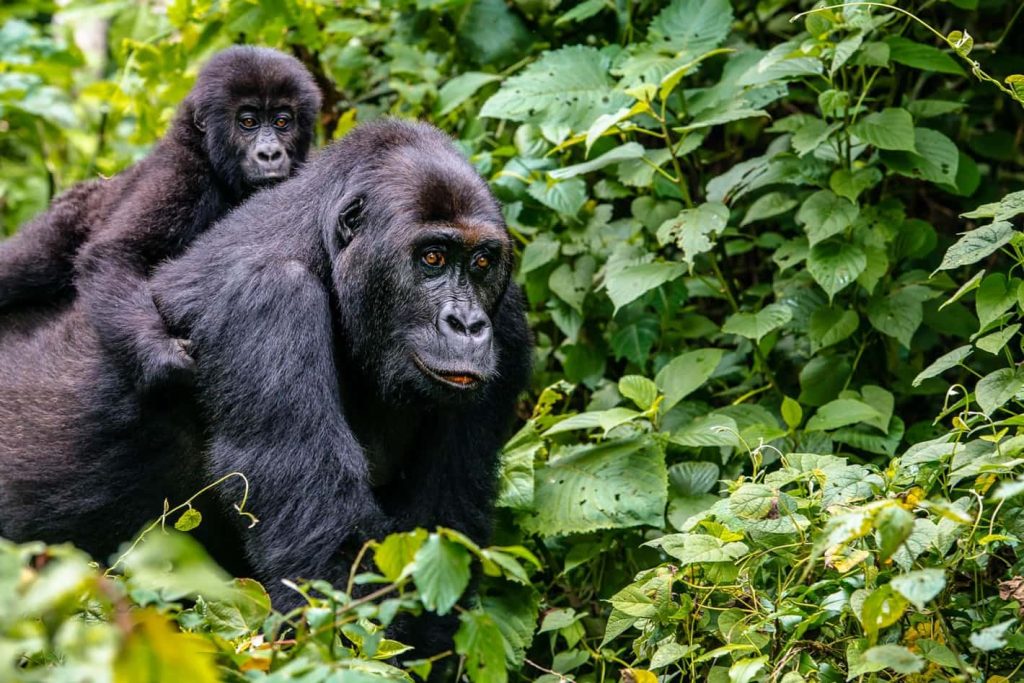
The 10 Most Famous Mountain Gorilla Families You Can Visit
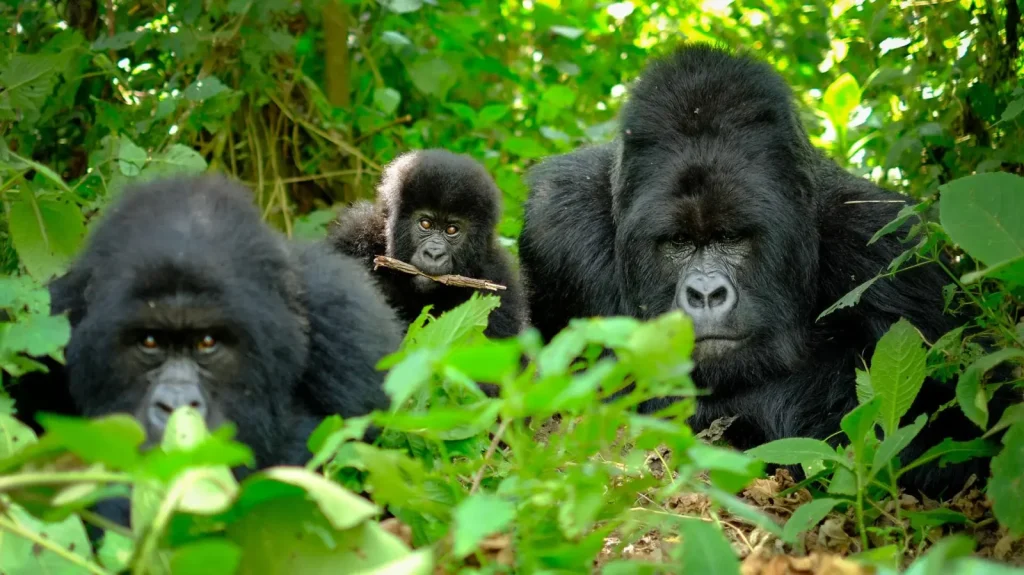
Uganda’s Bwindi Impenetrable National Park and Mgahinga Gorilla National Park are home to some of the most extraordinary wildlife experiences on the planet. Among the highlights, mountain gorilla trekking stands out as a once-in-a-lifetime adventure, offering visitors the chance to encounter these gentle giants in their natural habitat. Central to this experience are the gorilla families—or troops—each with its own social structure, personalities, and stories. For travelers planning a visit, knowing which gorilla families are most renowned can enhance the safari experience and provide deeper insight into gorilla behavior and conservation.
Mountain gorilla families in Uganda are habituated to human presence under strict Uganda Wildlife Authority (UWA) protocols. These habituated groups allow controlled visits where tourists can observe gorillas at close range without disturbing their natural behaviors. Each family has unique characteristics: some are led by experienced silverbacks with decades of leadership experience, others include playful juveniles, and some are particularly active and photogenic. Visiting these well-known families provides both an unforgettable wildlife encounter and a window into gorilla social dynamics.
1. Mubare Gorilla Family
The Mubare family is one of Bwindi’s oldest and most well-documented gorilla families. Led by a dominant silverback, this troop is known for its stability and calm demeanor. The Mubare family is often recommended for first-time visitors because of the relatively accessible terrain in Rushaga sector and the group’s predictable behavior. Observing Mubare provides insight into the role of the silverback in maintaining group cohesion and protecting young gorillas from potential threats.
2. Habinyanja Gorilla Family
The Habinyanja family is renowned for its large size and playful juveniles. Visitors are often enchanted by the interactions between young gorillas, who engage in climbing, chasing, and wrestling. Habinyanja’s silverback demonstrates strong leadership while allowing the younger gorillas freedom to explore and play. This troop offers excellent photographic opportunities and is located in a region of Bwindi that balances dense forest with clear observation paths.
3. Nkuringo Gorilla Family
The Nkuringo family resides in the southern sector of Bwindi, known for steeper terrain and challenging trekking conditions. Despite the physically demanding hike, visitors are rewarded with breathtaking forest scenery and the chance to observe gorillas in rugged, natural habitats. Nkuringo is a dynamic group with a mix of adults and energetic juveniles, offering fascinating insights into gorilla social structure and family interactions.
4. Habinyanja 2 (or the Second Habinyanja) Family
This family emerged as a split from the original Habinyanja group and is often visited by those interested in observing gorilla social evolution. The troop includes several subadult males learning to navigate hierarchy within the family. The silverback maintains strict order, but juveniles display playful behavior that fascinates researchers and visitors alike. Trekking to this group provides both wildlife observation and educational insight into gorilla troop dynamics.
5. Rushegura Gorilla Family
The Rushegura family is highly active and social, often moving across open forest plains within Rushaga sector. Visitors are likely to observe interactive behaviors, such as grooming, foraging, and gentle play between gorillas of different ages. Rushegura’s silverback is known for calm yet authoritative leadership, ensuring troop stability. This family is a favorite among photographers due to the combination of open terrain and engaging gorilla behavior.
6. Habinyanja 3 (the Younger Generation)
This younger generation of the Habinyanja lineage is growing in prominence. It includes juveniles and subadults that have developed their own personalities and social roles within the troop. Observing this family provides a unique perspective on the development of young gorillas and how family dynamics evolve over time. Trekking in this area offers the excitement of unpredictability, as these younger gorillas are often highly playful and curious.
7. Busingye Gorilla Family
The Busingye family, located in the Buhoma sector, is known for its approachable terrain and well-habituated members. This family often engages in social interactions that are fascinating for researchers and visitors, including grooming sessions, maternal care, and playful juvenile behavior. The silverback’s leadership style is both protective and tolerant, making this family an ideal choice for those seeking a mix of accessibility and rich behavioral observation.
8. Kyagurilo Gorilla Family
Kyagurilo’s gorilla family is one of the smaller troops but is well-known for its unique social structure and identifiable individual members. The silverback leads with confidence, while females and juveniles exhibit strong bonds with one another. Visitors often report intimate viewing experiences with this group, where every interaction—from feeding to resting—is highly observable in clear forest glades.
9. Nshongi Gorilla Family
The Nshongi family is notable for its balance of adults and juveniles, with a calm and cohesive social hierarchy. Located in the Rushaga sector, the troop offers visitors a manageable trekking experience without compromising wildlife observation. This family demonstrates subtle social interactions, allowing observers to notice the nuances of gorilla communication, grooming habits, and protective behaviors.
10. Habinyanja 4 (Emerging Family Line)**
The most recent habituated group in the Habinyanja lineage, Habinyanja 4, represents the next generation of Bwindi gorillas. This troop is still developing its social structure, making it particularly interesting for visitors who wish to observe how young gorillas interact, learn behaviors, and adapt to leadership roles within a silverback-led troop. Trekking to this family provides both adventure and educational insight into gorilla development.
Why Visiting These Families Matters
Observing these famous gorilla families offers more than a wildlife experience—it provides an intimate look at primate social systems, family hierarchies, and survival strategies. Each troop’s behavior reflects a complex balance of leadership, cooperation, maternal care, and play. Visitors witness firsthand the intelligence, empathy, and emotional depth of mountain gorillas, while contributing directly to conservation efforts, as tourism revenue supports habitat protection, anti-poaching patrols, and community programs.
For wildlife photographers and enthusiasts, these gorilla families offer varied terrain, behavioral diversity, and excellent opportunities to capture the subtleties of gorilla life. Trekking to multiple families over a few days provides a comprehensive understanding of gorilla ecology and behavior.
A Life-Changing Wildlife Experience
The 10 most famous mountain gorilla families in Uganda represent the pinnacle of wildlife encounters in East Africa. From the calm leadership of Mubare to the playful energy of Habinyanja’s juveniles, each troop offers unique stories and unforgettable observations. Visiting these gorilla families is more than an adventure—it is an educational and conservation-driven experience, deepening appreciation for one of the world’s most remarkable species. For travelers seeking connection, insight, and awe-inspiring moments, a gorilla trekking journey in Uganda is truly transformative.