How Many Mountain Gorillas Are Left in the Wild?
March 26, 2026
Dian Fossey’s Legacy
March 26, 2026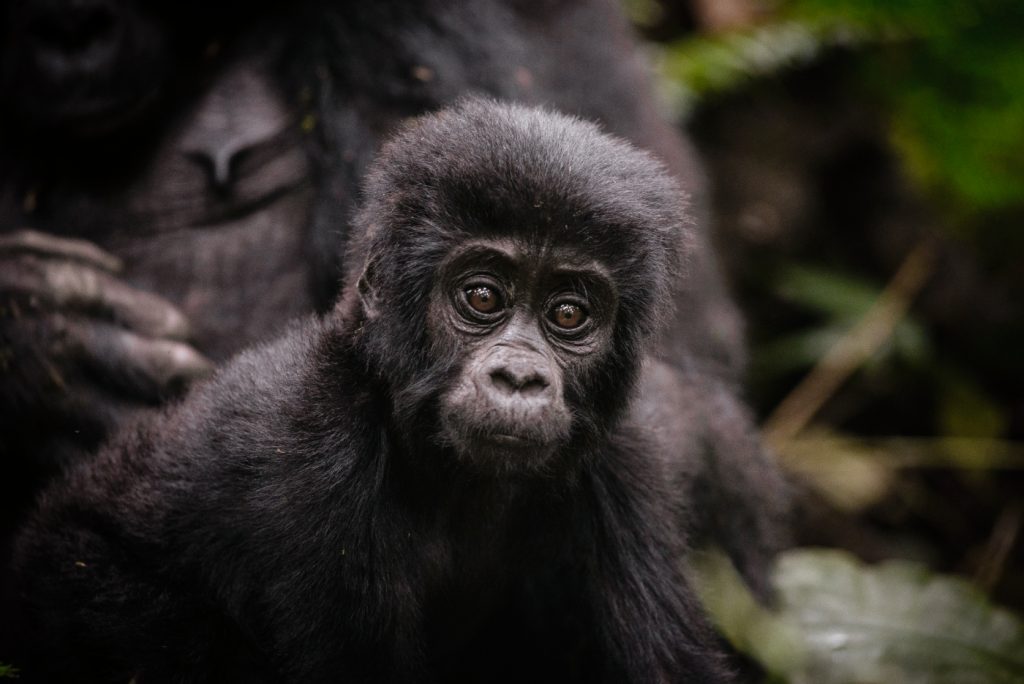
The History of Mountain Gorilla Conservation in East Africa
Mountain gorillas (Gorilla beringei beringei) are among the world’s most iconic and endangered great apes. Found only in the mist‑shrouded mountains and forests of East Africa, they have been the focus of conservation efforts for nearly a century. Their story is one of discovery, near extinction, scientific dedication, strategic protection, and cautious recovery — a narrative that reflects both the challenges and successes of wildlife conservation in the modern era.
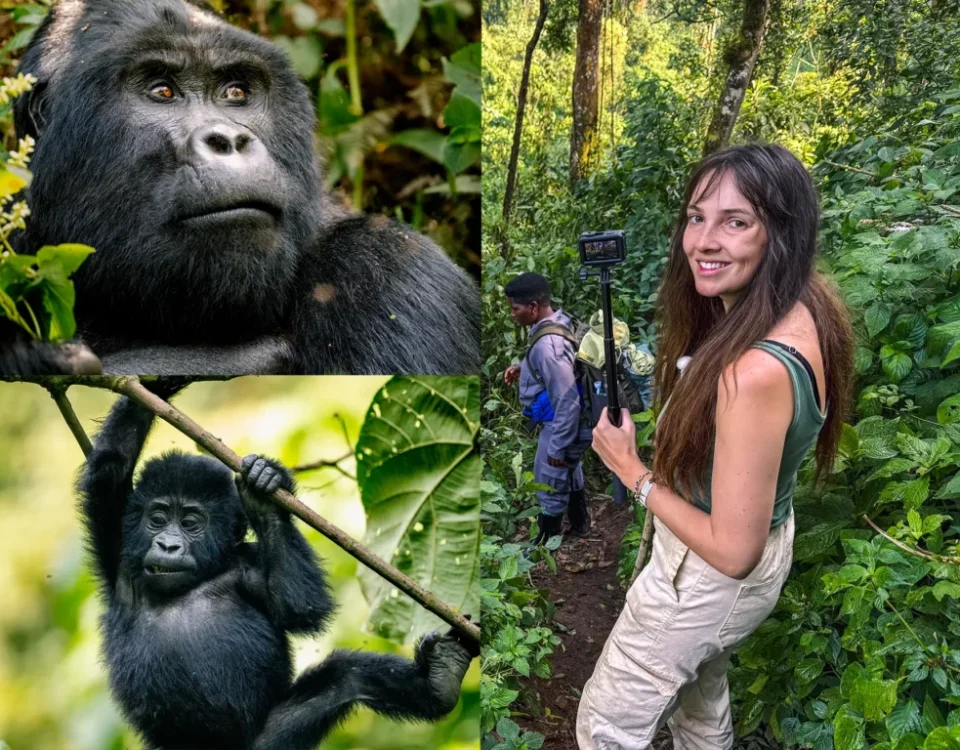
Today, as of 2026, there are an estimated ~1,100 mountain gorillas left in the wild. That number exists because of sustained and coordinated conservation action across three countries — Rwanda, Uganda, and the Democratic Republic of the Congo (DRC) — each with its own unique history and approach to protecting these great apes.
This blog traces the evolution of mountain gorilla conservation in East Africa: where it began, the key people and institutions involved, the policies and practices that have made a difference, the threats that remain, and what the future might hold for these remarkable animals.
Early Encounters: From Myth to Scientific Recognition
Mountain gorillas were unknown to Western science until the early 20th century. Local communities throughout the Virunga volcanic region and the Bwindi forests were already familiar with them, but it wasn’t until explorers and naturalists ventured into these rugged highlands that the species entered scientific records.
In 1902, German explorer Oscar von Beringe formally described the subspecies that now bears his name (Gorilla beringei), based on specimens from what is now eastern DRC. In the decades that followed, mountain gorillas remained largely mysterious to the outside world due to their remote habitat and elusive nature.
Dian Fossey and the Birth of Modern Conservation (1960s–1980s)
By the 1960s, mountain gorilla populations were declining sharply due to habitat loss, poaching, and encroachment by humans. In 1967, American primatologist Dian Fossey began fieldwork in the Virunga region that would ultimately transform gorilla conservation.
Fossey lived among the gorillas, documented their behavior, and developed relationships with local communities. Her groundbreaking research disproved many misconceptions about gorillas and demonstrated their social complexity and vulnerability.
Her 1983 book Gorillas in the Mist (later adapted into a major motion picture) brought global attention to mountain gorillas and inspired an outpouring of public support for their protection. Fossey’s work also helped establish the Karisoke Research Center in Rwanda’s Virunga Mountains, which became — and remains — a cornerstone of long‑term scientific monitoring.
Fossey’s legacy is complex. Her fierce anti‑poaching stance, including destruction of poacher traps and outspoken criticism of authorities, polarized some local stakeholders. Nevertheless, her presence galvanized international awareness and laid the foundation for organized conservation efforts.
Government Action and National Park Establishment (1970s–1990s)
Increasing knowledge of mountain gorilla decline led governments in East Africa to take action. Between the 1970s and 1990s, a series of protected areas were established or expanded to shelter gorilla populations and their habitats:
Volcanoes National Park (Rwanda) — Expanded and reinforced to protect Virunga gorillas.
Bwindi Impenetrable National Park (Uganda) — Gazetted in 1991 specifically to conserve gorillas and other biodiversity.
Mgahinga Gorilla National Park (Uganda) — Created in 1991, protecting a small but strategic portion of gorilla habitat in the Virunga massif.
Virunga National Park (DRC) — Africa’s oldest national park (established 1925) received renewed focus for gorilla protection.
These parks provided institutional frameworks for anti‑poaching patrols, regulated tourism, habitat protection, and community engagement. However, conservation in this region was not without challenges: civil war, political instability, and limited enforcement capacity impeded early efforts, particularly in DRC and Rwanda during the late 1980s and 1990s.
Rwanda’s Model of Integrated Conservation (2000s–Present)
Following the devastating 1994 genocide, Rwanda rebuilt its institutions and adopted an assertive conservation strategy centered on Volcanoes National Park. The Rwanda Development Board (RDB) streamlined management of protected areas and developed regulated gorilla trekking as a cornerstone of tourism.
Rwanda introduced policies that limited trekking group sizes and enforced strict health protocols to protect gorilla health, linked tourism revenue to community development, and strengthened anti‑poaching patrols and ranger capacity. Rwanda’s community‑based conservation model became a global reference. The resulting increase in local support and economic incentives helped reduce poaching, foster cooperation, and maintain gorilla habitat.
Uganda’s Multi‑Sector Approach to Protection
Uganda adopted a complementary strategy with Bwindi and Mgahinga parks, managed by the Uganda Wildlife Authority (UWA). Recognizing that conservation cannot succeed in isolation, Uganda integrated ranger patrols and intelligence networks to deter poaching, tourism revenue sharing with local communities, human–wildlife conflict mitigation programs, and research programs in collaboration with international partners.
Uganda’s Bwindi Impenetrable National Park is home to a large portion of the world’s mountain gorillas. The park’s rugged terrain made early census work difficult, but over time researchers and park staff refined their methods, providing increasingly accurate population estimates that have underpinned conservation planning.
The Role of International NGOs and Research Institutions
Mountain gorilla conservation is a global partnership. Key international actors have included the Wildlife Conservation Society (WCS), World Wildlife Fund (WWF), Gorilla Doctors / Mountain Gorilla Veterinary Project, Dian Fossey Gorilla Fund International, and the International Gorilla Conservation Programme (IGCP).
These organizations have contributed expertise, funding, veterinary care, research, and capacity building. Joint initiatives helped professionalize monitoring systems, expand anti‑poaching units, and support community development. The Mountain Gorilla Veterinary Project (now Gorilla Doctors) has been especially impactful, delivering preventive care and disease management to gorillas at high risk from human pathogens.
Censuses and Population Monitoring: Tracking Success
Accurate counting of mountain gorillas is difficult but critical. Long before genetic techniques were available, researchers used methods such as nest counts and direct observation. Over time, innovations including non‑invasive DNA sampling from feces improved accuracy dramatically.
Periodic censuses have shown a steady increase in gorilla numbers since the 1980s — a rare and encouraging trend for a great ape species. The current estimate of ~1,100 individuals reflects these cumulative efforts, confirming that conservation actions have had measurable impact.
Tourism as Both Conservation Strategy and Economic Driver
Regulated gorilla tourism is central to conservation strategies in Rwanda and Uganda. Tourist permits — strictly limited in numbers, carefully managed for health and safety, and priced at a premium — generate revenue that supports ranger salaries and patrol operations, habitat protection programs, community development projects, and research and monitoring initiatives.
Tourism success has also helped shift the narrative: local stakeholders increasingly view gorillas as assets worth protecting economically and culturally. However, tourism brings risks, including potential disease transmission and habitat disturbance. That is why trekking guidelines emphasize strict hygiene, limited group sizes, and minimum distances between tourists and gorillas.
What Has Changed Over Time?
From near‑extinction threat to cautious recovery: In the 1980s and early 1990s, mountain gorillas were widely regarded as on the brink of extinction. Today, thanks to sustained conservation efforts, the trend has stabilized and even shown modest increases.
From unmanaged habitat to protected landscapes: National parks have effectively safeguarded core gorilla habitats, and community buffer zones help reduce human encroachment.
From limited science to data‑driven management: Long‑term monitoring and research have given conservationists tools to adapt strategies, pinpoint threats, and measure success.
From unregulated encounters to carefully managed tourism: Gorilla trekking is now one of the most tightly regulated wildlife tourism activities in Africa, balancing protection with economic benefit.
Ongoing Challenges in Gorilla Conservation
Despite progress, mountain gorillas remain Endangered, and threats persist. Habitat fragmentation and loss outside protected areas, human–wildlife conflict near park boundaries, disease transmission including respiratory infections from humans, political instability in parts of DRC, and climate change effects on vegetation and food availability all continue to pose risks. These challenges require continued investment, innovation, and cooperation among governments, NGOs, researchers, and local communities.
Successes Worth Celebrating
Mountain gorilla conservation is one of the rare examples of long‑term recovery for a great ape species. Highlights include population growth from fewer than 800 individuals to ~1,100 today, expansion of protected areas and buffer zones, community‑based conservation models linking economic benefits to protection, veterinary interventions that reduce disease risk, and international partnerships sustaining research and monitoring. These achievements demonstrate that well‑coordinated conservation efforts can counter even severe declines, especially for species with slow reproductive rates.
The Future of Mountain Gorilla Conservation
Looking ahead, success will depend on sustained commitment and adaptive strategies: expanding habitat connectivity through corridors, strengthening disease surveillance and health protocols, supporting community livelihoods compatible with conservation, maintaining political stability and cross‑border cooperation, and balancing tourism with ecological safeguards. The goal is not just to maintain current numbers but to create conditions that allow growth, resilience, and long‑term survival in an increasingly human‑dominated world.
A Story of Resilience and Responsibility
The history of mountain gorilla conservation in East Africa is remarkable not just for the numbers — approximately 1,100 individuals left in the wild in 2026 — but for the collective commitment that made this progress possible.
From early scientific discovery and dramatic advocacy by figures like Dian Fossey to modern protected area management, community engagement, and global partnerships, the mountain gorilla’s journey reflects both the challenges and successes inherent in conservation. Today’s achievements are cause for cautious celebration — a reminder that concerted, long-term efforts can make a difference even for species teetering on the edge. At the same time, the story underscores that conservation is never finished; ongoing vigilance, innovation, and cooperation will determine whether future generations inherit a world where mountain gorillas thrive rather than merely persist.