Luxury Gorilla Trekking
March 25, 2026
Gorilla Trekking in Mgahinga vs Bwindi
March 25, 2026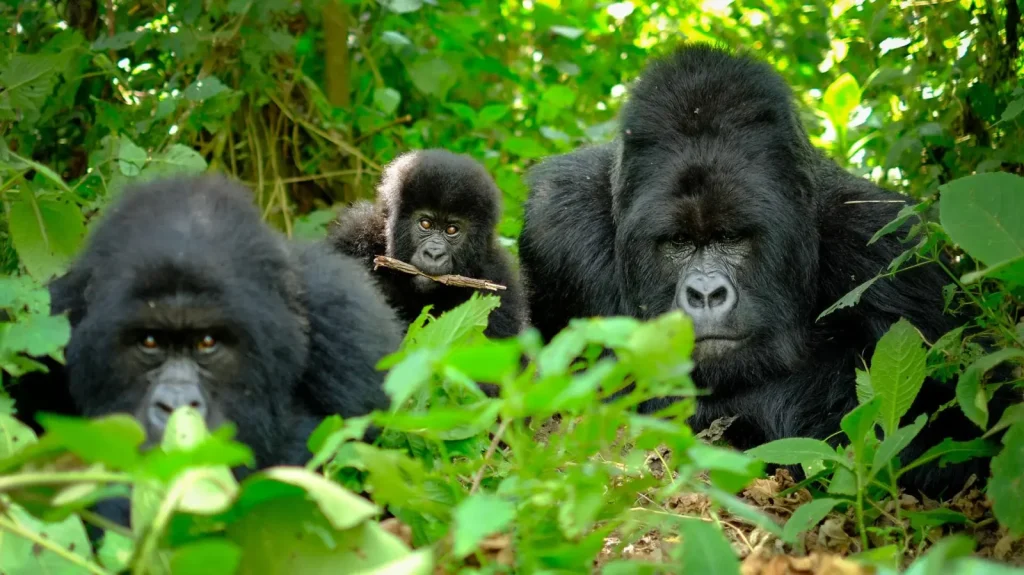
What Happens If It Rains During Your Gorilla Trek?
Rain is a natural and frequent part of the rainforest environment, especially in the dense jungles of Bwindi Impenetrable National Park and Mgahinga Gorilla National Park. For many travelers planning a gorilla trekking safari, the thought of rain raises concerns about comfort, safety, and visibility. However, the reality is that rain rarely disrupts the trekking experience—in fact, it often enhances it.
Understanding how rain affects gorilla trekking can help travelers prepare effectively and embrace the experience with confidence. From the behavior of mountain gorillas to trail conditions and photography opportunities, rain plays a significant role in shaping the overall adventure.
Rain Is Part of the Gorilla Habitat
Rain is not an obstacle—it is part of the ecosystem. Bwindi and Mgahinga are tropical rainforests, meaning rainfall is expected throughout the year, even during drier seasons. The lush vegetation, dense canopy, and rich biodiversity that define these parks exist because of consistent rainfall.
Gorilla trekking continues regardless of weather conditions. The Uganda Wildlife Authority does not cancel treks due to rain, as mountain gorillas remain active and accessible in wet conditions. Visitors are therefore encouraged to approach rain as a normal and integral part of the experience rather than a disruption.
How Rain Affects the Trekking Experience
Rain changes the terrain but not the goal. Trails can become muddy, slippery, and more physically demanding. Steep slopes may require extra caution, and movement through dense vegetation can be slower. However, experienced rangers adjust the pace of the trek to ensure safety and comfort for all participants.
Despite these challenges, the presence of rain often enhances the forest atmosphere. Mist rises through the trees, leaves glisten with moisture, and the entire environment feels more alive. For many travelers, trekking in the rain adds a sense of adventure and authenticity that defines the experience.
Gorilla Behavior During Rain
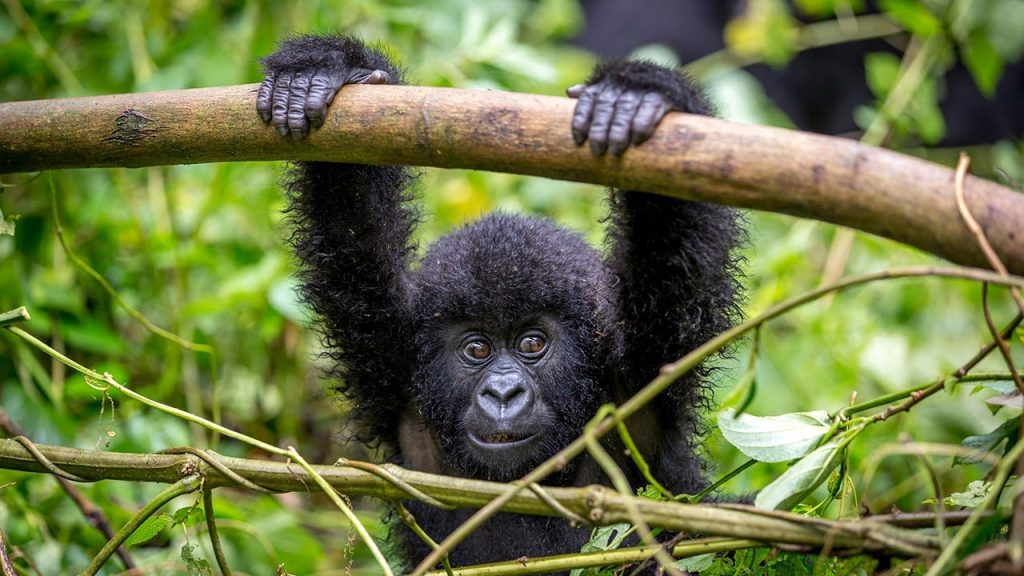
Mountain gorillas do not hide from rain. These primates are well adapted to their environment and continue their daily routines regardless of weather conditions. During light rain, gorillas often continue feeding, grooming, and moving through the forest as usual.
In heavier rain, gorillas may become more stationary, seeking shelter under thick vegetation. This can actually benefit trekkers, as it makes the gorillas easier to observe in one location. The slower movement of the group allows for longer, more stable viewing opportunities during the one-hour encounter.
Visibility and Photography in Wet Conditions
Rain can transform your photography experience. While heavy rainfall may reduce visibility slightly, it also creates dramatic lighting and rich, saturated colors. The misty atmosphere enhances depth and mood, resulting in unique and powerful images.
Photographers often find that wet conditions bring out the textures of the forest and the expressive features of gorillas. Water droplets on leaves, soft diffused light, and darker backgrounds create striking compositions that are not possible in dry conditions.
Protecting camera equipment is essential. Using waterproof covers or dry bags ensures that gear remains safe while capturing these extraordinary moments.
What to Wear and Pack for Rainy Treks
Preparation is the key to comfort. Wearing the right gear makes trekking in the rain manageable and even enjoyable. Lightweight waterproof jackets, long-sleeved clothing, and sturdy hiking boots with good grip are essential.
Carrying a rain cover for your backpack, extra socks, and gloves for handling vegetation can significantly improve comfort. Quick-drying fabrics are ideal, as they help regulate body temperature and prevent discomfort during prolonged exposure to moisture.
Even in rainy conditions, staying hydrated and maintaining energy levels is important, so carrying water and snacks remains essential.
Safety Considerations in Wet Conditions
Safety remains a top priority during rainy treks. Rangers are highly experienced in navigating forest terrain under all weather conditions. They guide trekkers along the safest routes, provide support on steep or slippery sections, and ensure that everyone moves at a manageable pace.
Hiring a porter can be especially beneficial during wet conditions. Porters assist with carrying bags and provide physical support when navigating difficult terrain, reducing the risk of slips and fatigue.
Following ranger instructions and maintaining awareness of footing are simple but effective ways to stay safe during the trek.
Why Rain Can Enhance the Experience
Rain adds authenticity and depth to the adventure. Trekking through a rainforest in its natural state—misty, damp, and alive—creates a more immersive experience. The sounds of rainfall, the scent of wet earth, and the vibrant greenery combine to create a sensory-rich environment.
For many travelers, the most memorable treks occur in light rain, where the forest feels untouched and tranquil. The absence of crowds during wetter periods also contributes to a more intimate encounter with both the environment and the gorillas.
Embracing the Rainforest Experience
Rain is not a setback—it is part of the journey. Gorilla trekking in Uganda is designed to operate in all weather conditions, ensuring that visitors can experience the forest as it truly is. With proper preparation and the right mindset, rain becomes an element that enhances rather than detracts from the adventure.
By embracing the natural rhythm of the rainforest, travelers gain a deeper appreciation for the environment and the resilience of mountain gorillas. Whether under clear skies or gentle rain, the moment of standing face-to-face with a gorilla remains just as powerful—if not even more unforgettable.