Things to do while visiting Shimba Hills National Reserve
March 23, 2026
What to Expect on Your First Gorilla Trek
March 24, 2026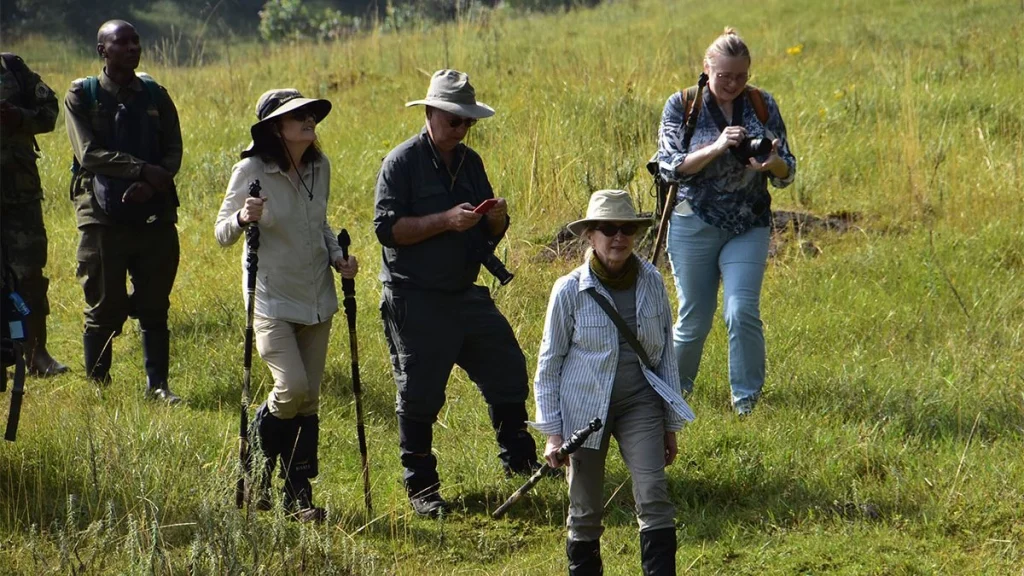
What to Wear for Gorilla Trekking: A Complete Packing List
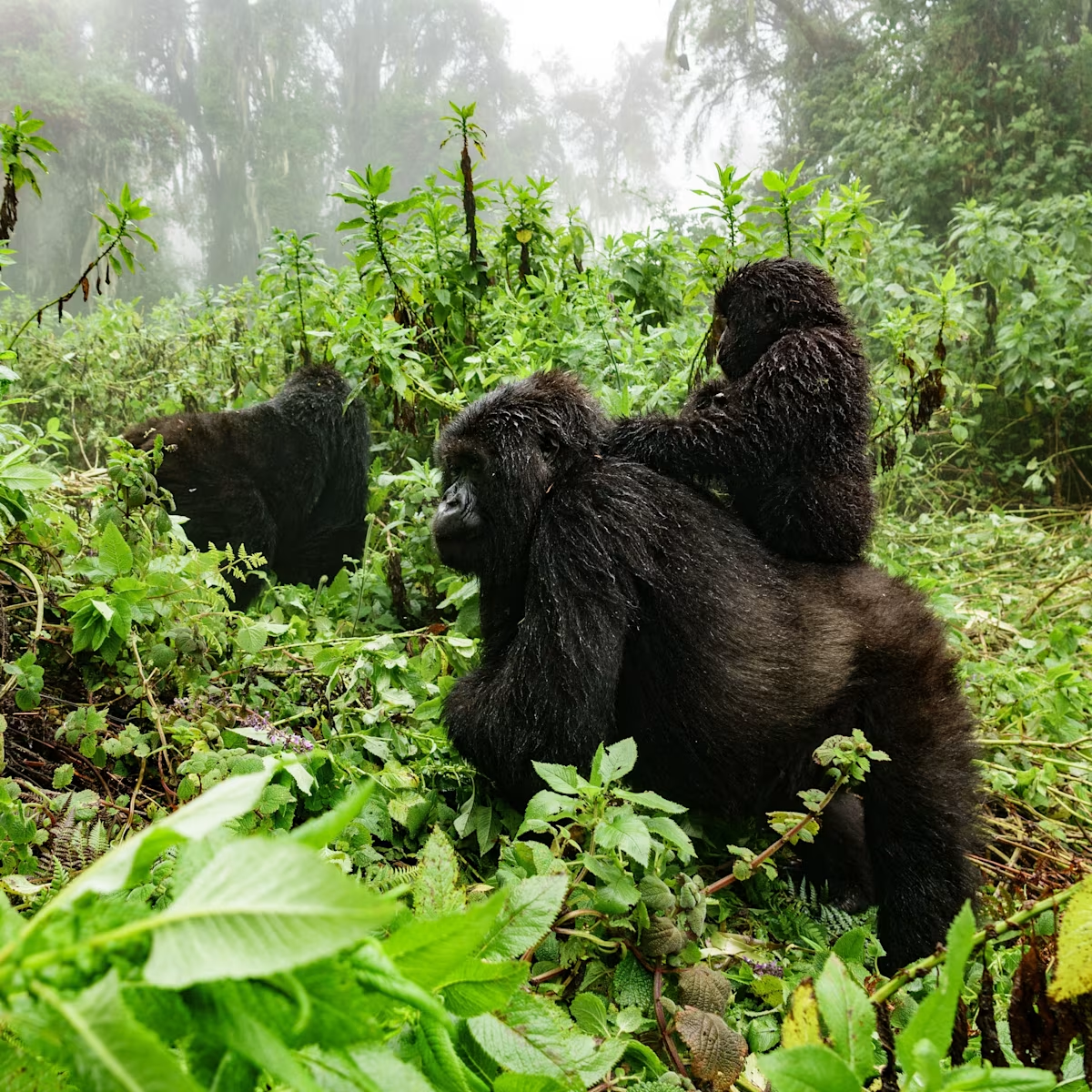
Gorilla trekking in Uganda and Rwanda is one of the most thrilling wildlife experiences in the world, but it requires preparation, especially when it comes to what to wear. The trails are often muddy, steep, and covered with dense vegetation, while the climate can vary from warm and humid to cool and rainy depending on altitude and season. Choosing the right clothing and gear is crucial for comfort, safety, and ensuring you can fully enjoy your encounter with these magnificent primates.
Packing for gorilla trekking involves balancing protection, practicality, and mobility. Tourists need attire that safeguards them against insects, thorny bushes, rain, and changing temperatures, while also allowing freedom of movement for walking long distances on challenging trails. Beyond clothing, the right accessories, footwear, and safety gear enhance the trekking experience and ensure that visitors remain comfortable and safe throughout the journey.
Clothing Essentials for Gorilla Trekking
When planning what to wear for gorilla trekking, layering is key. Lightweight, moisture-wicking fabrics are recommended for the base layer to keep sweat away from the skin. A breathable long-sleeved shirt and long trousers will protect against scratches from vegetation and insect bites.
Over the base layer, consider a lightweight fleece or sweater for warmth, especially during early morning treks in higher-altitude regions like Bwindi Impenetrable Forest or Volcanoes National Park. Waterproof and windproof jackets are essential, as rain showers are common in tropical forests. Trekking trousers that are durable and quick-drying are preferable to jeans, which can become heavy and uncomfortable when wet.
Dark or neutral colors are recommended for clothing, as bright colors may startle wildlife. Avoid synthetic fabrics that do not breathe well or cotton that holds moisture, which can lead to discomfort during long hikes.
Footwear and Leg Protection
Proper footwear is critical for navigating steep, slippery, and uneven trails. Sturdy hiking boots with ankle support and good traction are ideal. Make sure to break in boots before your trek to avoid blisters and discomfort. For those trekking in wetter months, waterproof boots will keep your feet dry and prevent slipping.
Gaiters are highly recommended to protect your lower legs and ankles from mud, thorny bushes, and leeches. In addition, trekking poles can provide extra stability on slippery or steep sections, making the hike safer and more manageable for all fitness levels.
Accessories and Practical Gear
Several accessories enhance comfort and safety during gorilla trekking. A wide-brimmed hat or cap provides sun protection, while gloves can protect hands from rough vegetation and cooler temperatures at higher altitudes.
A small backpack is useful for carrying essentials such as water, snacks, camera, binoculars, insect repellent, and a rain poncho. Avoid heavy or oversized bags, as the trails require agility and balance. Waterproof bags or dry sacks are recommended to protect electronics, documents, and personal items from rain and mud.
Sunglasses and sunscreen are important even in forested areas, as sun exposure can still be significant during breaks or at higher altitudes. A headlamp or flashlight may also be useful if trekking begins early in the morning before sunrise.
Rain and Weather Considerations
Gorilla trekking areas are often humid and prone to sudden rain showers, especially during the wet seasons from March to May and October to November. A lightweight, breathable rain jacket or poncho is essential to stay dry. Waterproof trousers or over-trousers can further protect clothing and legs from mud and rain.
Layering clothing allows trekkers to adjust to temperature changes. Early mornings can be chilly, while mid-day temperatures may rise, and rain can cool the air quickly. Carrying an extra layer in a backpack ensures you are prepared for fluctuating conditions without becoming encumbered.
Health and Safety Gear
In addition to clothing, some safety and health items are critical for a comfortable trek. Insect repellent helps prevent bites from mosquitoes, ticks, and other insects. A basic first-aid kit, including plasters, antiseptic wipes, and medication for minor injuries, is advisable.
Hand sanitizer and wet wipes can help maintain hygiene during longer treks in remote areas. For trekkers sensitive to dust, pollen, or strong smells, a lightweight mask or bandana can provide additional comfort.
Photography and Electronics
Many visitors want to photograph gorillas during their trek. Cameras should be compact enough for easy mobility but capable of capturing wildlife in low-light forest conditions. Waterproof camera cases or rain covers are essential to protect equipment from rain and mud. Avoid using flash, as it may disturb the gorillas.
Binoculars can be handy for observing wildlife along the trails or spotting gorillas before reaching their resting areas. Ensure that batteries are fully charged and carry spares, as there may not be charging facilities in remote trekking areas.
Recommended Packing List Summary
- Lightweight, moisture-wicking long-sleeve shirts
- Durable, quick-drying trekking trousers
- Fleece or sweater for warmth
- Waterproof and windproof jacket
- Sturdy hiking boots with ankle support
- Gaiters for leg protection
- Gloves for hand protection
- Wide-brimmed hat or cap
- Small backpack for essentials
- Rain poncho or over-trousers
- Insect repellent and sunscreen
- Water bottle or hydration pack
- Camera and waterproof cases
- Binoculars
- Basic first-aid kit
- Wet wipes and hand sanitizer
- Headlamp or flashlight
- Optional trekking poles
Knowing what to wear for gorilla trekking ensures that visitors remain safe, comfortable, and fully able to enjoy the once-in-a-lifetime experience of observing gorillas in the wild. Proper clothing, footwear, and accessories protect against environmental challenges, while layering allows trekkers to adapt to changing weather conditions. By packing carefully and following ethical trekking guidelines, tourists can focus on the wonder of encountering these magnificent primates in Uganda or Rwanda’s tropical forests, creating memories that last a lifetime.