Bale Mountains National Park
January 28, 2026
Kahuzi-Biega National Park
January 28, 2026

Awash National Park
Nestled in the heart of Ethiopia’s arid lowlands, Awash National Park is a hidden gem of the Horn of Africa, where the harsh beauty of the Rift Valley meets a surprising abundance of life. Established in 1966, the park spans over 850 square kilometers, stretching along the scenic Awash River and encompassing dramatic landscapes of volcanic hills, acacia woodlands, and rugged gorges. Despite its semi-arid climate, Awash is a sanctuary of biodiversity, offering travelers a unique blend of desert resilience, vibrant wildlife, and breathtaking scenery. Visiting Awash is like stepping into a living canvas, where every corner reveals life thriving against the odds.





Attractions In Rwanda
Attractions In Tanzania
Uganda Gorilla Trekking Experience
Discover Uganda’s gorilla trekking experience where misty rainforests shelter mountain gorillas, ancient trails wind through Bwindi’s depths, and every step brings you closer to one of Africa’s most profound wildlife encounters, blending raw nature, conservation, and lasting memories.
Awash National Park: National Parks and Protected Areas
Landscape and Geography
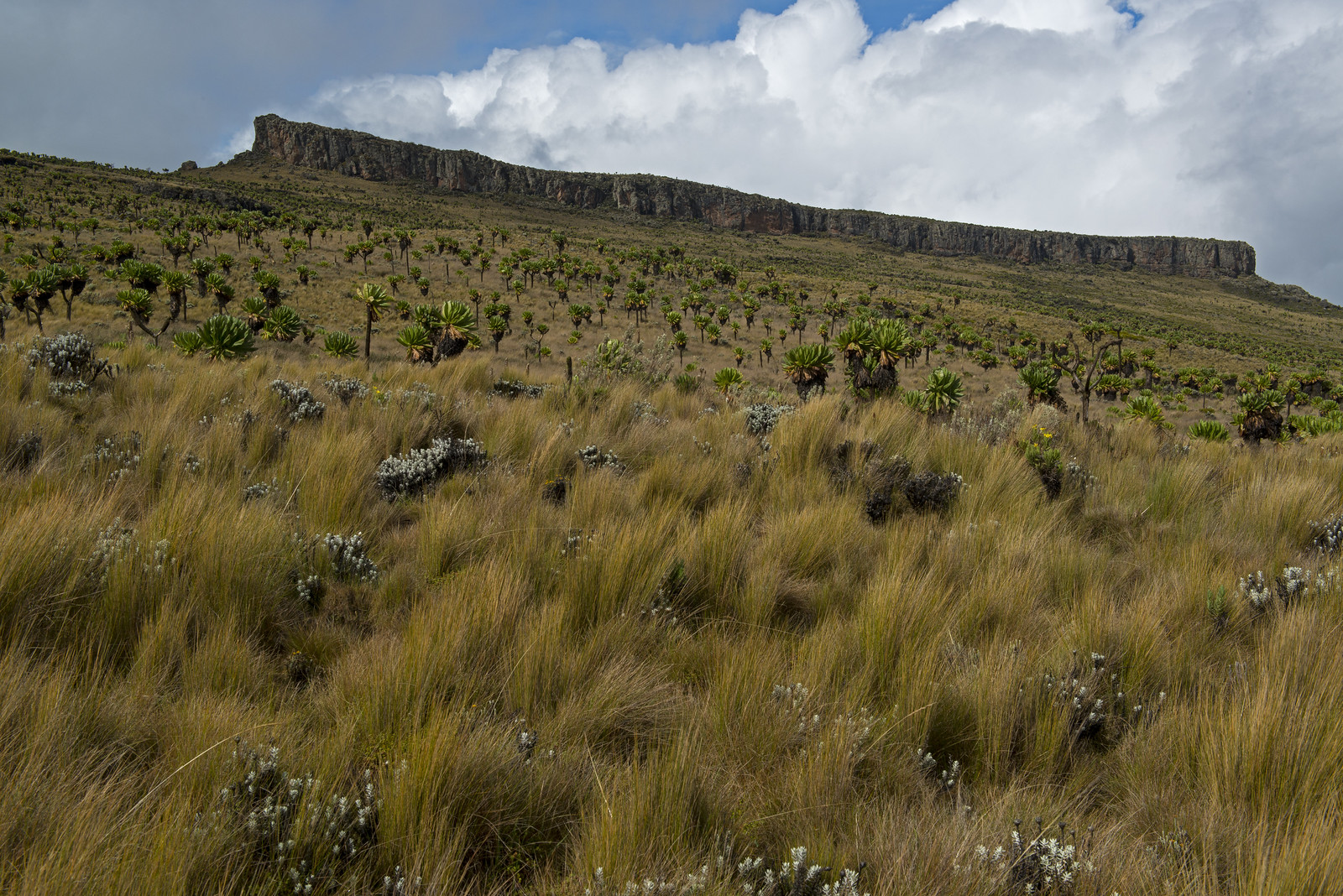
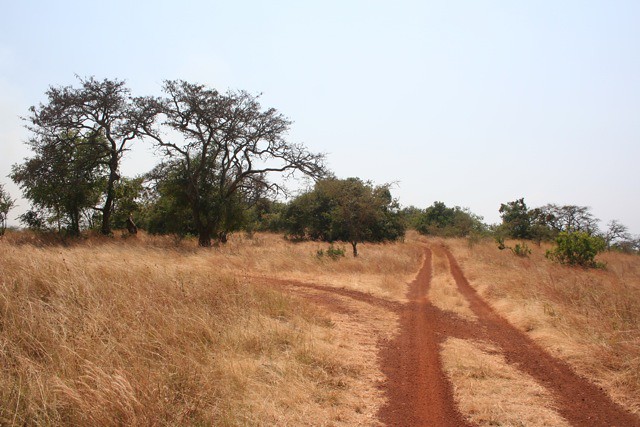
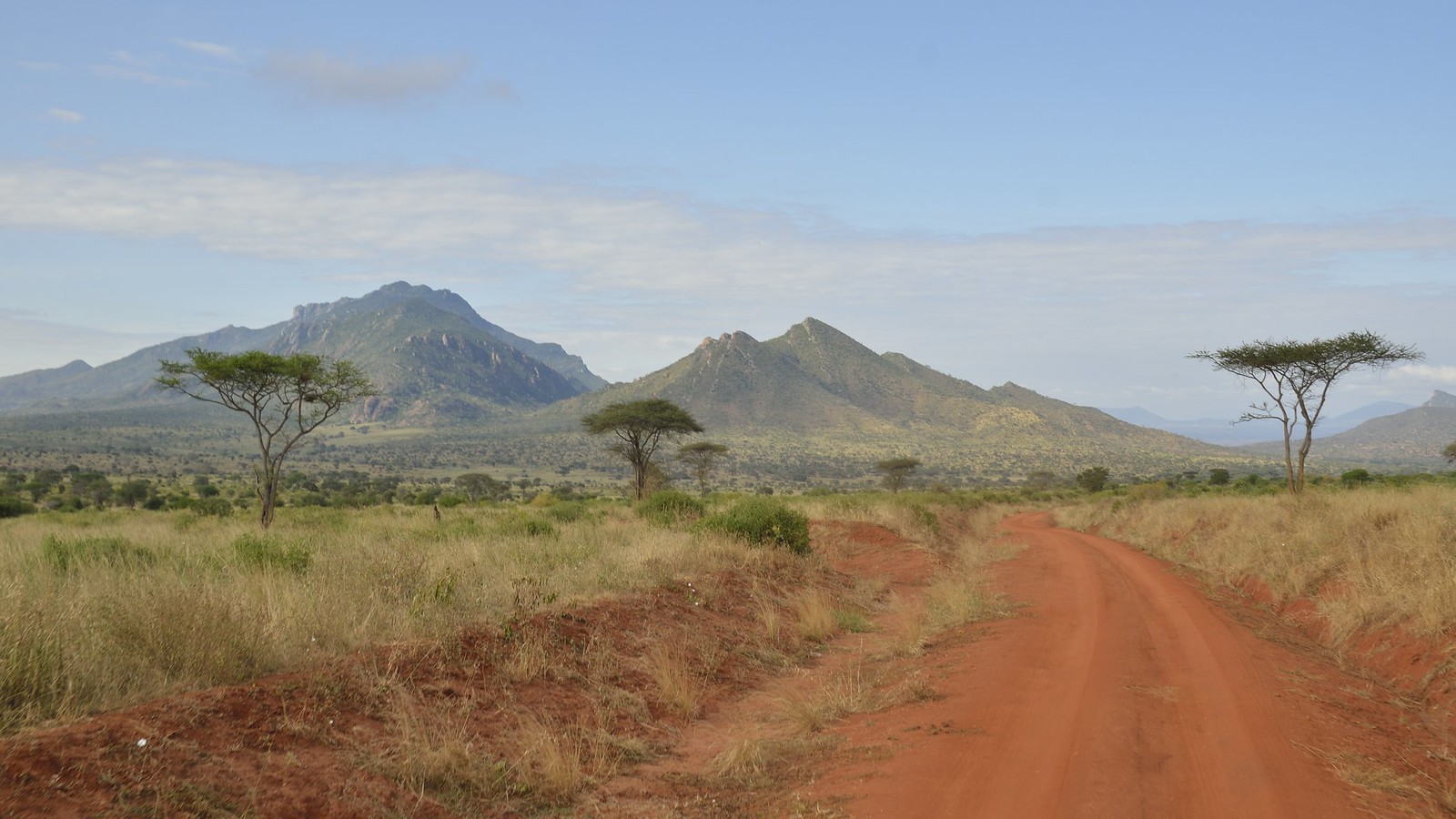
Awash National Park lies within Ethiopia’s Great Rift Valley, a geological depression that stretches from the Red Sea to Mozambique. The terrain is varied and dramatic. Rolling savannas stretch out between rugged volcanic ridges, dotted with acacia and doum palm trees. The Awash River, the lifeblood of the park, winds through this landscape, sustaining both flora and fauna in an otherwise arid region. Along its course, the river forms deep gorges, oxbow lakes, and seasonal pools, creating microhabitats that attract a surprising diversity of wildlife.
One of the park’s most iconic features is the Filwoha Hot Springs, where geothermal activity bubbles beneath the surface, releasing steaming mineral-rich water into the surrounding landscape. The park’s volcanic features are striking, with rocky outcrops and lava flows providing dramatic backdrops for photography and exploration. Awash’s varied topography also supports seasonal wetlands and grassy plains, making it a vital refuge for migratory birds and resident wildlife alike.
Wildlife: A Rift Valley Treasure
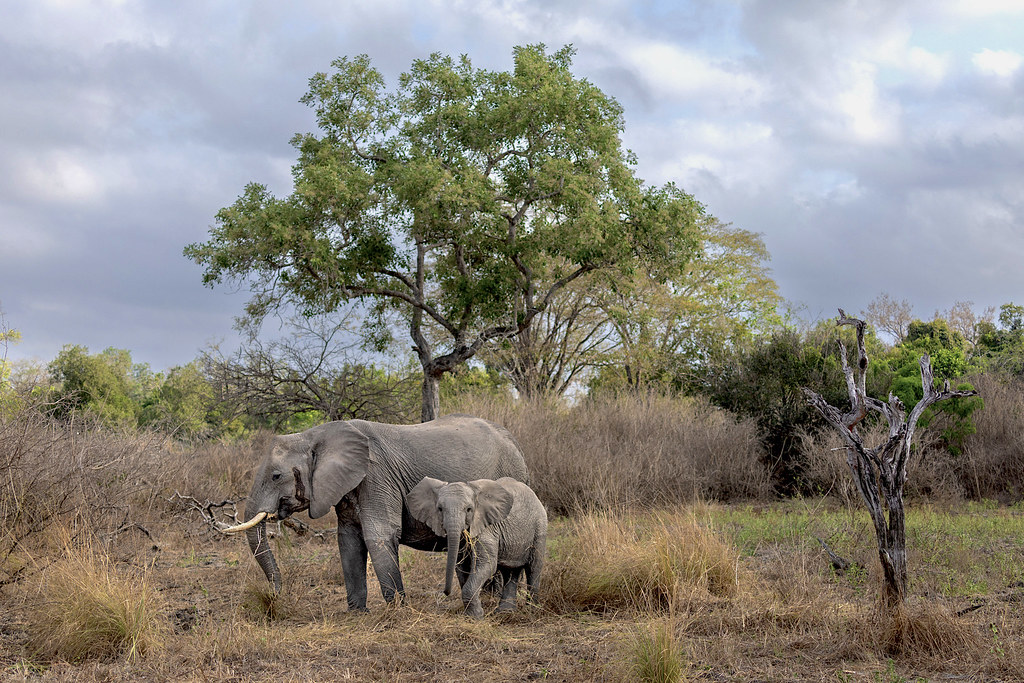
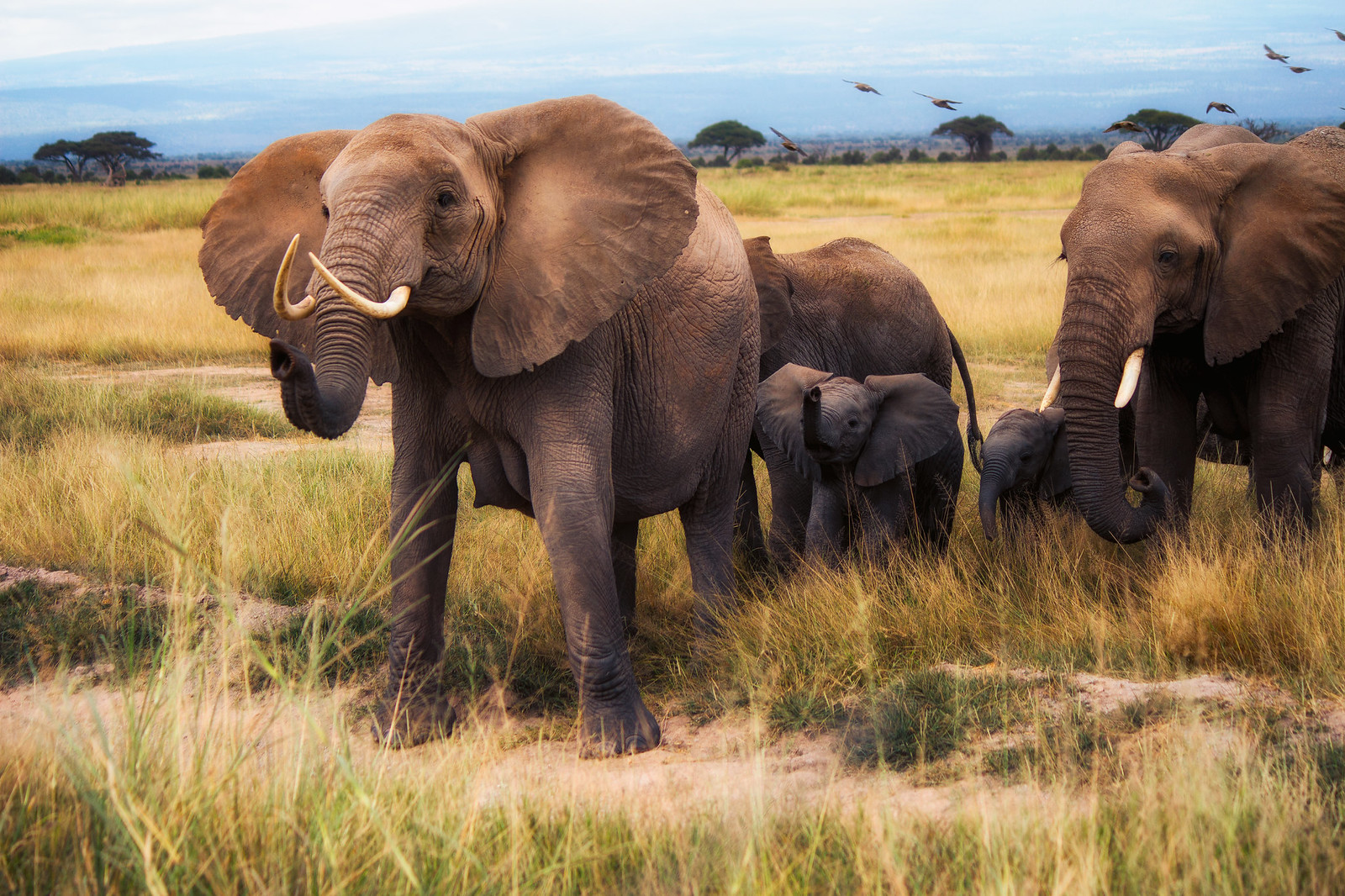
Awash National Park is home to a rich tapestry of wildlife, both large and small. Elephants are among the most impressive residents, often seen along the riverbanks, moving in tight-knit herds in search of water and shade. Lion prides roam the open savanna, blending effortlessly into the golden grasses, while leopards and hyenas patrol the rocky outcrops and acacia groves, their presence often revealed only through fleeting shadows or distant calls.
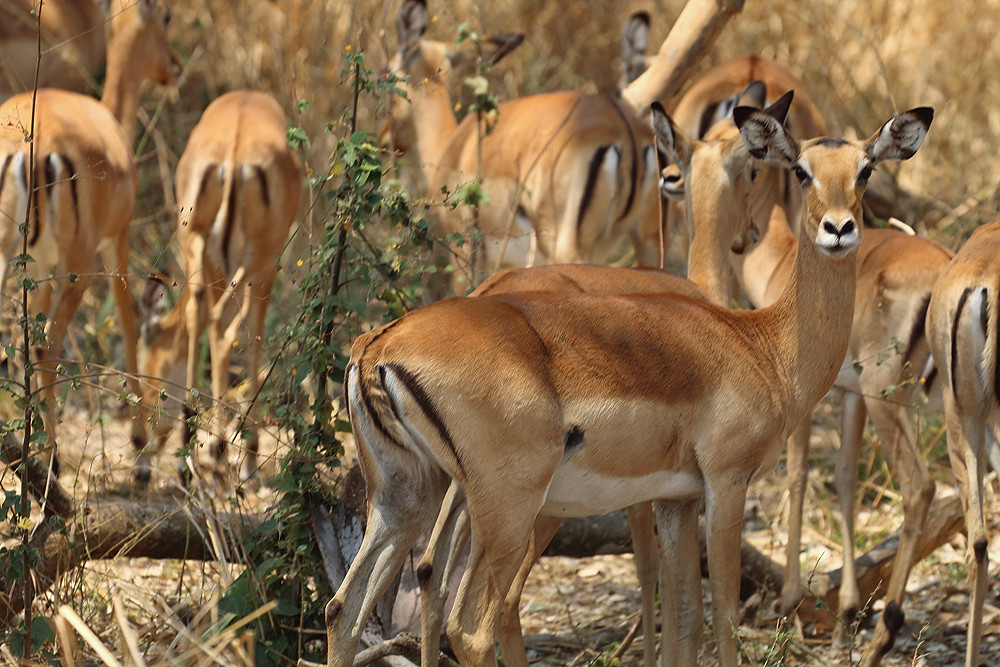
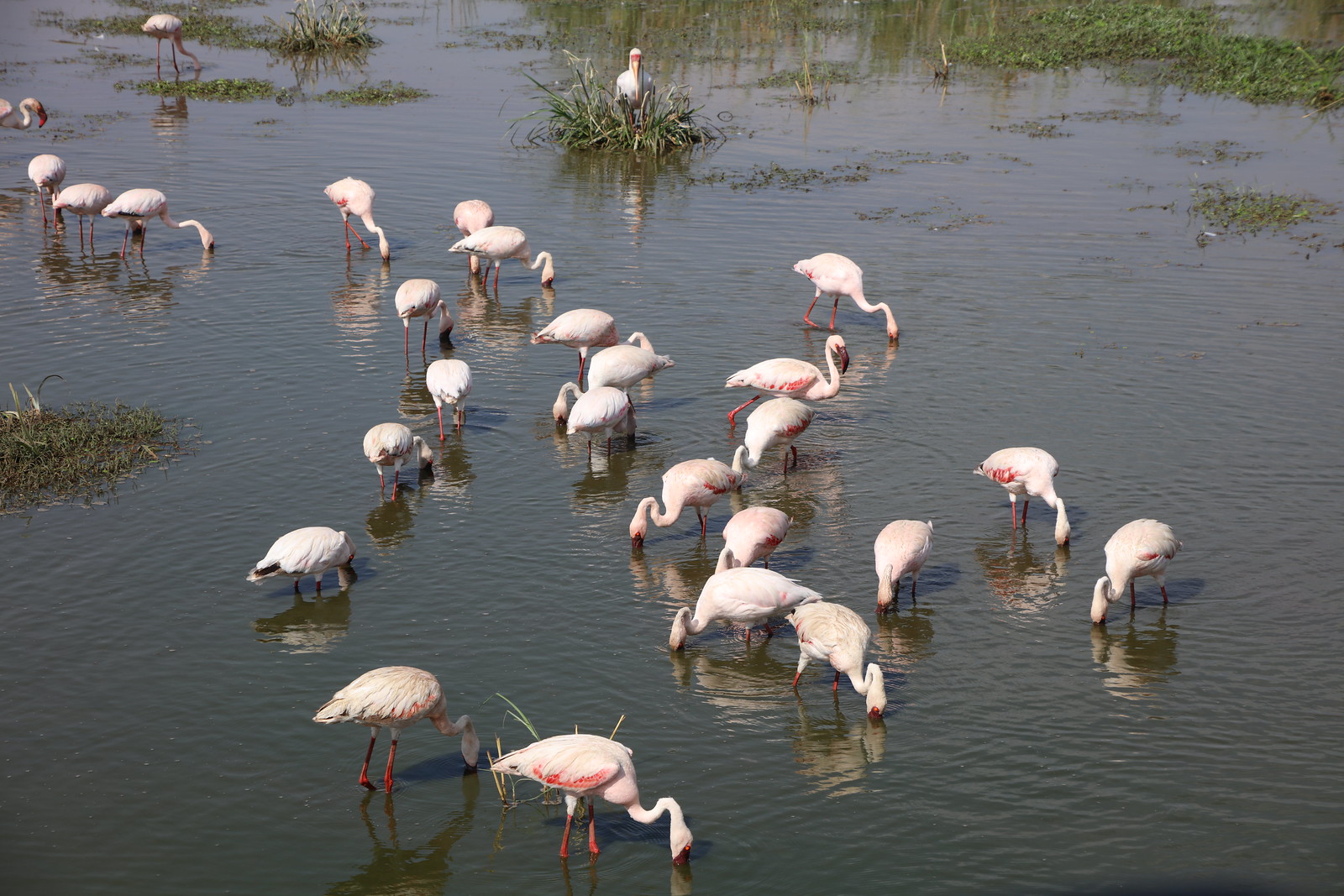
Among the park’s remarkable residents are the Beisa oryx, endemic to the Horn of Africa, with their striking lyre-shaped horns and elegant, desert-adapted physiques. Greater kudus, bushbucks, and warthogs are commonly spotted grazing or sheltering under scattered trees. Awash is also a paradise for birdwatchers, with over 400 recorded species, including the Abyssinian roller, Egyptian vulture, and the endemic Black-winged lovebird. Seasonal wetlands attract flamingos and storks, turning certain areas of the park into ephemeral havens of color and sound.
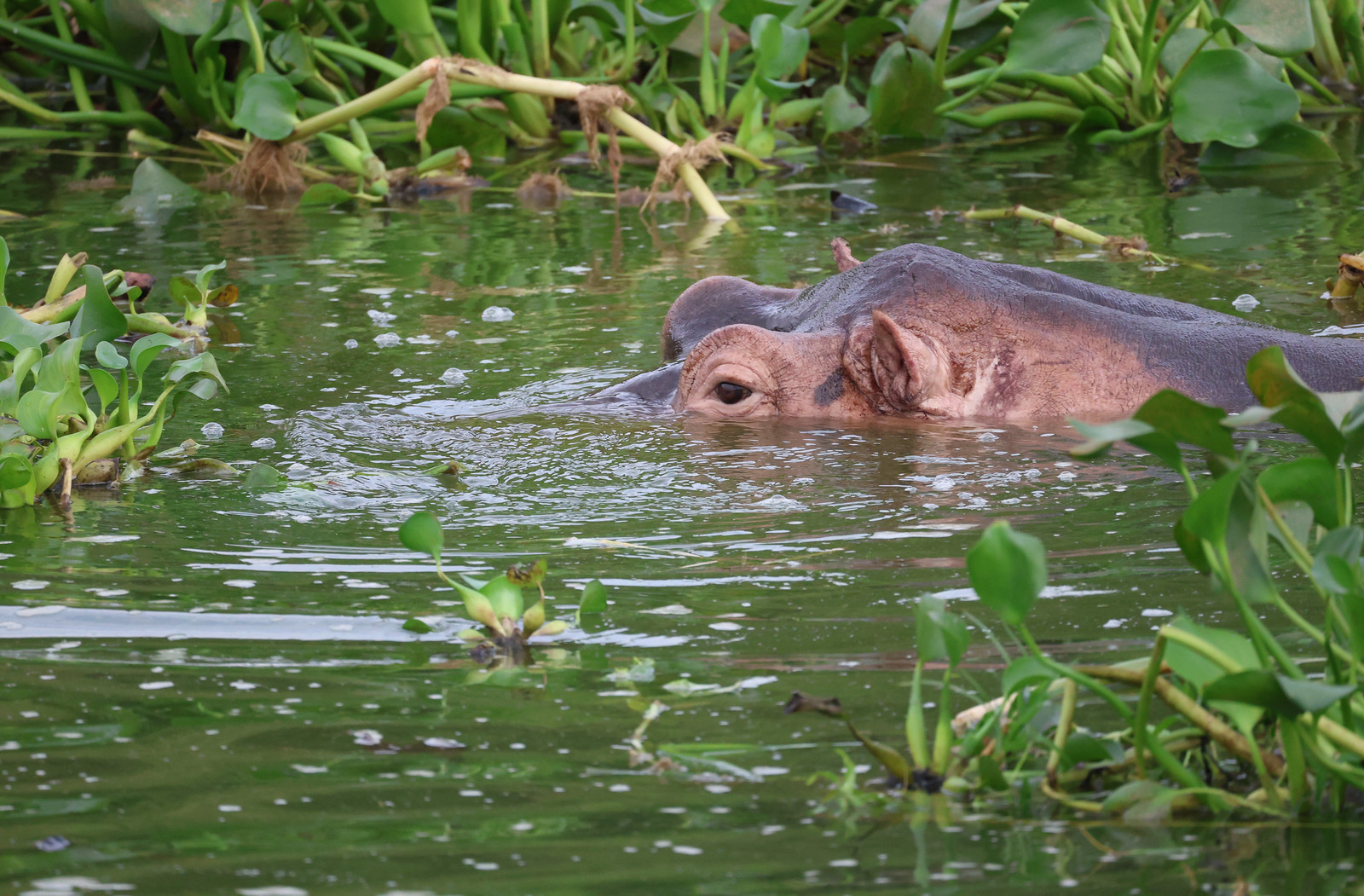
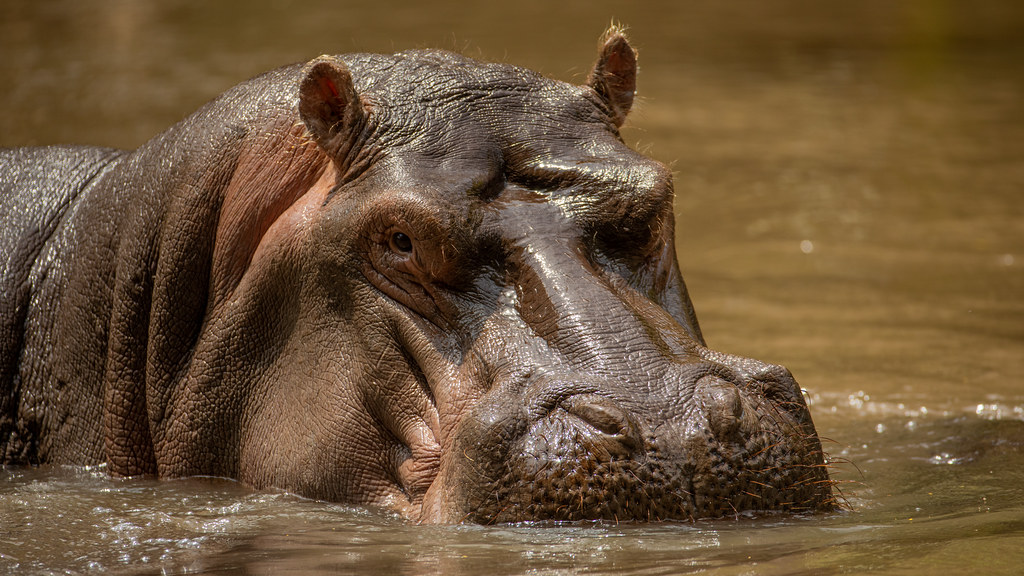
The park’s rivers and wetlands host crocodiles and hippos, providing a dramatic contrast to the arid landscapes that dominate much of the surrounding lowlands. Observing hippos wallowing in the Awash River or crocodiles basking on the banks offers a glimpse into the raw, untamed rhythms of life in this Rift Valley oasis.
Activities in Awash National Park
Awash National Park offers a variety of experiences for those willing to venture into its diverse landscapes. Game drives are a popular way to explore, with early morning or late afternoon excursions providing the best chance to spot elephants, lions, and antelope under the soft light of the sun. Due to the park’s arid terrain, wildlife tends to gather near water sources, making the riverbanks, seasonal pools, and waterholes prime locations for observation.
Hiking is another rewarding activity, particularly along the Awash Gorge and surrounding volcanic hills. Trails lead visitors past dramatic cliffs, fossilized lava flows, and panoramic viewpoints where the Rift Valley stretches endlessly to the horizon. These hikes offer both adventure and an intimate encounter with the park’s unique geology.
Birdwatching is a highlight for many visitors. Whether wandering along the river’s edge or exploring dry savanna plains, enthusiasts can track species that are rare elsewhere in Ethiopia. Photographers will find the park’s combination of arid landscapes, vibrant wildlife, and dramatic skies particularly appealing.
Cultural encounters are an added dimension of visiting Awash. Local pastoral communities, including the Afar people, inhabit the surrounding lands. Their traditional knowledge of the environment, adaptation to harsh climates, and harmonious coexistence with wildlife enrich the safari experience, offering insight into human resilience in one of Africa’s more challenging landscapes.
Accommodation and Lodging
Accommodation in and around Awash National Park ranges from rustic camps to comfortable lodges. Awash Falls Lodge provides the perfect base for exploring the park, with views overlooking the iconic waterfalls and immediate access to riverine trails. Campsites and eco-lodges offer a more immersive wilderness experience, allowing guests to sleep under the stars and awaken to the sounds of elephants trumpeting or birds calling at dawn. These lodgings emphasize proximity to nature while maintaining comfort, giving visitors a unique opportunity to experience the park’s rhythms intimately.
Best Time to Visit
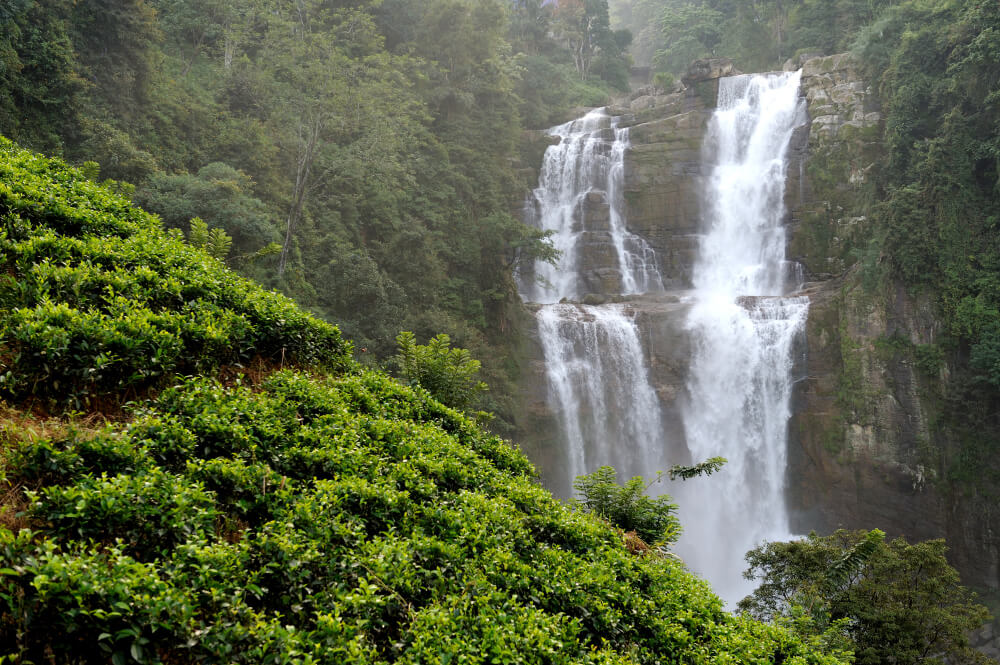
The best time to visit Awash National Park is during the dry season, from October to February, when wildlife congregates near waterholes, making sightings more predictable. During this period, the landscape takes on golden hues, and hiking and driving conditions are ideal. The wet season, from June to September, transforms the park. Seasonal rivers and pools swell, vegetation flourishes, and migratory birds arrive in spectacular numbers. Although some roads may be challenging, the visual rewards are immense, with waterfalls fuller than ever and ephemeral wetlands teeming with life.
Conservation and Environmental Significance
Awash National Park is more than a tourist destination; it is a vital ecological sanctuary. Its rivers and wetlands support not only wildlife but also communities downstream who rely on the water for survival. Conservation efforts in the park focus on protecting endangered species such as the Beisa oryx, monitoring elephant populations, and maintaining the delicate balance of this arid ecosystem. Tourism plays an important role in these initiatives, funding ranger programs and community projects while raising awareness of the park’s significance. By visiting Awash, travelers directly contribute to the preservation of Ethiopia’s natural heritage.
Experiencing Awash National Park
Awash National Park is a land of contrasts and surprises. On the surface, it appears harsh and arid, yet it teems with life. The roar of cascading waterfalls, the trumpeting of elephants at dawn, the sight of a pride of lions resting beneath a lone acacia, and the vivid colors of a flock of flamingos in the river all combine to create an unforgettable tapestry. Every step into the park is a journey into a world where life persists and thrives against the odds, where the rugged beauty of the Rift Valley shapes both the land and its inhabitants.Visitors leave Awash with more than memories—they leave with a deeper understanding of resilience, both human and natural, and the profound beauty of Ethiopia’s hidden landscapes. For travelers seeking a safari off the beaten path, where adventure, wildlife, and striking scenery converge, Awash National Park offers an experience unlike any other.
Our Recommended Tour Ideas

Climb Kilimanjaro, Africa's highest peak, on this well-guided and rewarding 6-day Kilimanjaro mountain hiking.

Follows the migration in the Serengeti while adding Ngorongoro Conservation Area for a genuine shot at the Big Five.

A longer, quieter Nile cruise downstream to the Delta on Lake Albert, known for strong shoebill stork sightings.

Head into Uganda from Rwanda for a thrilling mountain gorilla encounter on this affordable 3-day gorilla trek.
Designed for senior travelers, this 4-day gorilla trekking safari ensures comfort and stunning wildlife views.

Enjoy game drives in Queen Elizabeth and Kibale on this diverse, rewarding 4-day Ugandan wildlife safari trip.

Trek mountain gorillas in Mgahinga Gorilla Park on this compact and exciting 3-day Uganda gorilla safari trip.

Based directly in the northern Serengeti near the Mara River during peak river-crossing season.
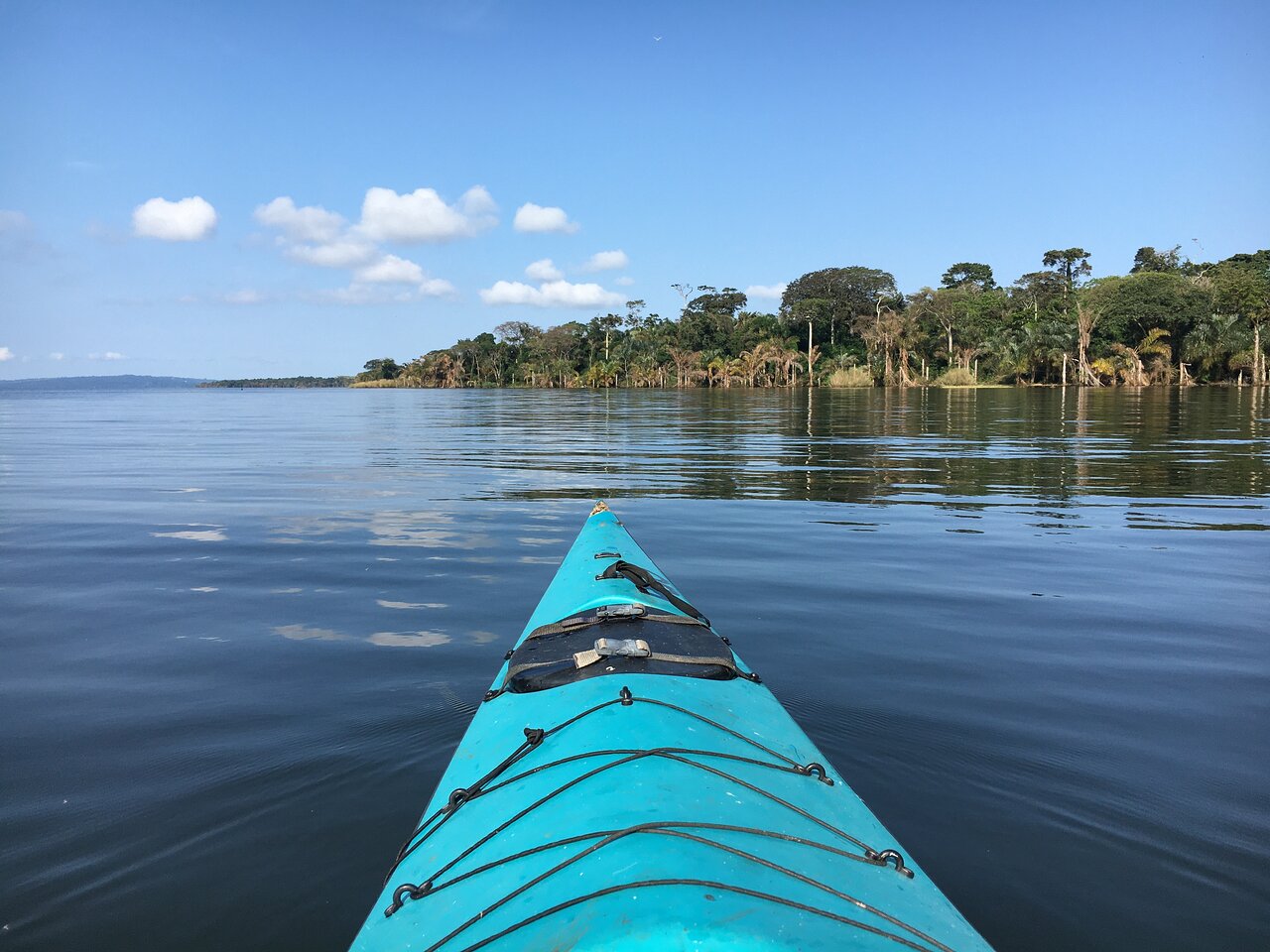
Relax on the palm-fringed shores of Uganda's Ssese Islands on this beautiful peaceful and scenic 3-day escape.
What Our Travelers Enjoyed About Primate Safaris

Gorillas "Silverback"
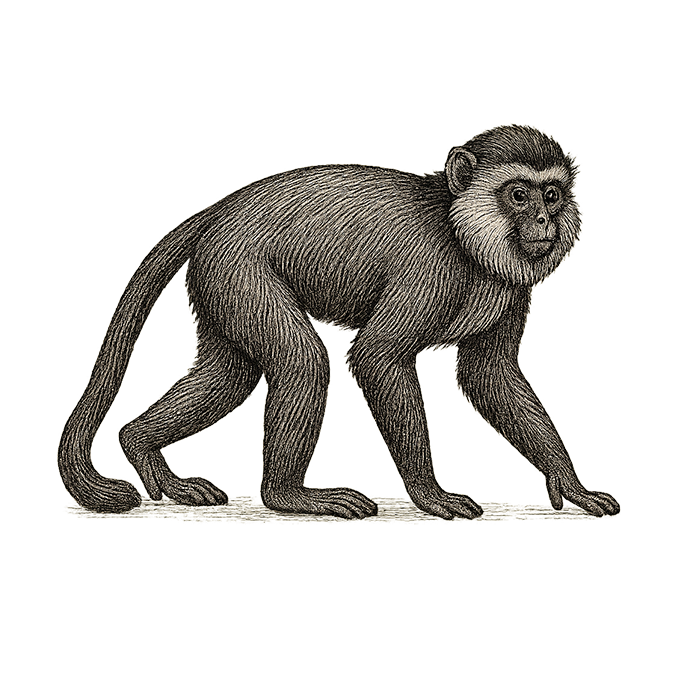
Golden Monkey "Photogenic"

Chimpanzees "Pant-hoot"