Cultural Villages Surrounding Rwanda’s Parks: Experiencing Everyday Life
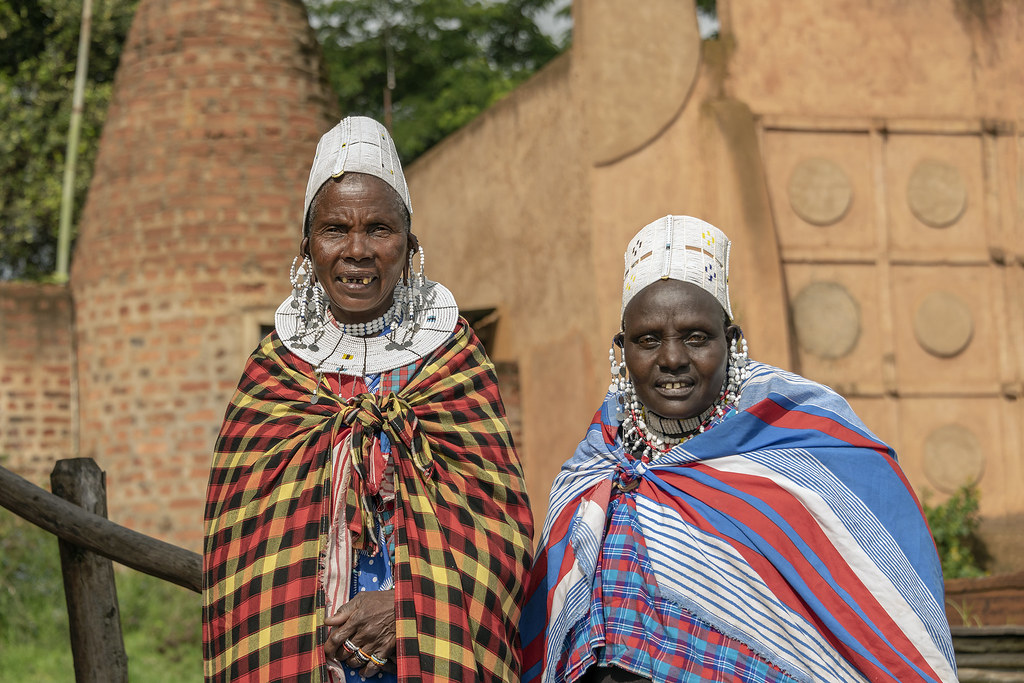
Rwanda’s national parks are best known for their wildlife, misty forests, and dramatic landscapes, but beyond the boundaries of these protected areas lies another equally compelling part of the safari experience. The cultural villages surrounding Rwanda’s parks offer travelers an opportunity to step into everyday life, traditions, and rhythms that have shaped the country for generations. These communities are not staged attractions but living societies where culture, conservation, and modern life intersect.
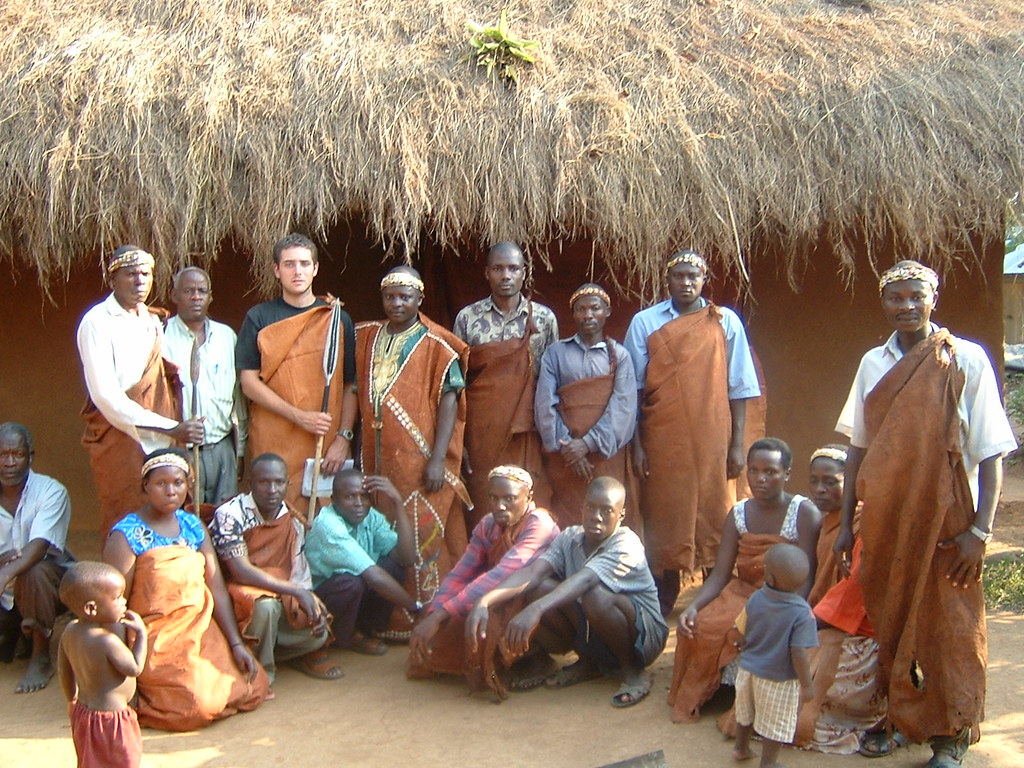
Experiencing cultural villages near Rwanda’s parks adds depth and context to wildlife travel. It reveals how people coexist with nature, how conservation affects daily life, and how traditions endure while adapting to change. Rather than standing apart from safari experiences, cultural encounters enrich them, grounding wildlife tourism in human stories and shared landscapes.
Why Cultural Experiences Matter in Rwanda
Rwanda’s conservation success is closely tied to its people. National parks such as Volcanoes, Nyungwe, Akagera, and Gishwati-Mukura are surrounded by densely populated areas, making community involvement essential for long-term protection.
Cultural village visits allow travelers to understand the human side of conservation. They show how local communities benefit from tourism, how traditions are preserved, and how livelihoods are shaped by proximity to protected areas.
These experiences shift the safari narrative from observation to interaction, fostering empathy, respect, and mutual understanding between visitors and host communities.
Volcanoes National Park and the Communities of the Virunga Highlands
Around Volcanoes National Park, rural villages dot the fertile slopes of the Virunga Mountains. These communities have lived alongside gorillas and forest wildlife for generations, relying on agriculture, craftsmanship, and cultural knowledge to sustain their way of life.
Cultural village visits in this region often include guided walks through homesteads, banana plantations, and communal spaces. Visitors may observe traditional food preparation, learn about local farming practices, and hear stories passed down through generations.
Music and dance play an important role in daily life, often performed during community gatherings or special occasions. These performances are not merely for visitors but expressions of identity and history that remain relevant today.
Living Culture, Not Performances
One of the defining features of Rwanda’s cultural villages is authenticity. Rather than creating artificial displays, many communities invite visitors into their daily routines.
Travelers may participate in simple activities such as grinding grains, brewing banana beer, or weaving baskets. These interactions create meaningful connections and encourage cultural exchange rather than passive observation.
This approach respects the dignity of local communities and ensures that cultural tourism remains grounded in reality rather than spectacle.
Cultural Life Around Nyungwe Forest National Park
Nyungwe Forest National Park is surrounded by communities with deep ties to the forest. For centuries, local people relied on the forest for medicinal plants, water sources, and cultural practices.
Cultural village experiences near Nyungwe often focus on traditional knowledge of the forest, storytelling, and crafts made from natural materials. Guides may explain how certain trees and plants are used in daily life, offering insight into sustainable resource use.
These encounters help visitors understand the cultural value of forests beyond wildlife, reinforcing the importance of protecting ecosystems that support both biodiversity and human heritage.
The Role of Storytelling and Oral Tradition
Storytelling remains a vital part of Rwandan culture, especially in rural communities. Elders share histories, moral lessons, and cultural values through spoken narratives that connect past and present.
In cultural villages, visitors may sit with community members and listen to stories about migration, resilience, and coexistence with nature. These narratives provide context for Rwanda’s conservation journey and deepen appreciation for the human experience behind protected landscapes.
Storytelling also serves as a bridge between generations, preserving knowledge that might otherwise fade in a rapidly modernizing world.
Akagera National Park and Eastern Rwanda’s Pastoral Traditions
Communities surrounding Akagera National Park in eastern Rwanda have a long history of pastoralism and agriculture. Life here revolves around cattle, seasonal cycles, and open landscapes that contrast sharply with the country’s forested regions.
Cultural village visits near Akagera often highlight traditional cattle-keeping practices, household structures, and communal decision-making. Visitors may learn about the cultural significance of cattle, which represent wealth, social status, and identity.
These experiences reveal how cultural values shape relationships with land and wildlife, particularly in regions where conservation has required adaptation and compromise.
Conservation, Tourism, and Community Benefits
Cultural villages surrounding Rwanda’s parks play an important role in conservation success. Revenue from tourism supports education, healthcare, and infrastructure projects, reducing reliance on natural resources within protected areas.
Many cultural tourism initiatives are community-led, ensuring that benefits remain local and that cultural representation is controlled by the people themselves. This model empowers communities while reinforcing positive attitudes toward conservation.
By participating in cultural village experiences, travelers contribute directly to sustainable development and community resilience.
Gishwati-Mukura and the Revival of Cultural Landscapes
Gishwati-Mukura National Park represents both ecological and cultural restoration. Once heavily degraded, the landscape is now being reforested alongside efforts to strengthen community livelihoods.
Cultural experiences in this region highlight resilience and renewal. Visitors learn how communities adapted to environmental loss and are now actively participating in conservation and restoration efforts.
These encounters emphasize that conservation is not just about protecting wildlife but about rebuilding relationships between people and the land.
Everyday Life as the Core Experience
What makes cultural village visits in Rwanda so impactful is their focus on everyday life. There is no separation between culture and routine; daily activities reflect values, history, and social structures.
Simple moments-children walking to school, neighbors working together in fields, families sharing meals-offer powerful insights into community life. These experiences humanize travel and remind visitors that conservation landscapes are lived-in spaces.
By observing and participating respectfully, travelers gain a deeper understanding of Rwanda beyond its parks.
Respectful Engagement and Responsible Travel
Experiencing cultural villages requires sensitivity and respect. Visitors are encouraged to approach interactions with openness, humility, and a willingness to listen.
Photography, questions, and participation should always be guided by consent and cultural awareness. Responsible cultural tourism prioritizes mutual respect and avoids reinforcing stereotypes or power imbalances.
Rwanda’s emphasis on dignity and community-led tourism helps ensure that cultural experiences remain positive for both visitors and hosts.
Cultural Villages as a Complement to Wildlife Safaris
Cultural village visits provide balance to wildlife-focused itineraries. After intense experiences such as gorilla trekking or game drives, cultural encounters offer reflection and human connection.
They deepen understanding of conservation by showing how wildlife protection intersects with livelihoods, traditions, and national identity. This holistic approach creates richer, more meaningful travel experiences.
Rather than competing with wildlife tourism, cultural villages enhance its relevance and impact.
The Future of cultural tourism in Rwanda
As Rwanda continues to develop its tourism sector, cultural villages will play an increasingly important role. Sustainable growth depends on maintaining authenticity, community control, and equitable benefit-sharing.
By investing in education, capacity building, and cultural preservation, Rwanda ensures that cultural tourism strengthens rather than dilutes local identity.
This approach positions Rwanda as a destination where conservation, culture, and community thrive together.
Cultural villages surrounding Rwanda’s parks offer travelers an opportunity to experience everyday life in a way that complements and deepens wildlife safaris. Through genuine interactions, shared stories, and participation in daily routines, visitors gain insight into the human landscapes that support conservation success.
These experiences remind travelers that Rwanda’s parks are not isolated wildernesses but part of a broader cultural and social fabric. By engaging respectfully with local communities, travelers contribute to sustainable tourism that values people as much as wildlife. In doing so, cultural village visits transform safari travel into a more complete, connected, and meaningful journey.