Best Tanzania Safari Itineraries for Every Travel Budget
Tanzania Safari Itineraries Budget is a land of unparalleled natural beauty, diverse wildlife, and rich cultural heritage. From the iconic Serengeti National Park to the majestic Mount Kilimanjaro, Tanzania offers a safari experience like no other. Whether you’re a budget traveler, a mid-range explorer, or a luxury seeker, there’s a Tanzania safari itinerary tailored just for you. This guide will take you through the best places to visit, the ideal time to explore, transportation options, and accommodations to suit every budget.
1. Tanzania Safari Itineraries Budget: Affordable Adventure

For travelers on a tight budget, Tanzania still offers an unforgettable safari experience without breaking the bank. Budget safaris often involve group tours, camping, and public transportation, but they don’t compromise on the thrill of wildlife encounters.
Places to Visit:
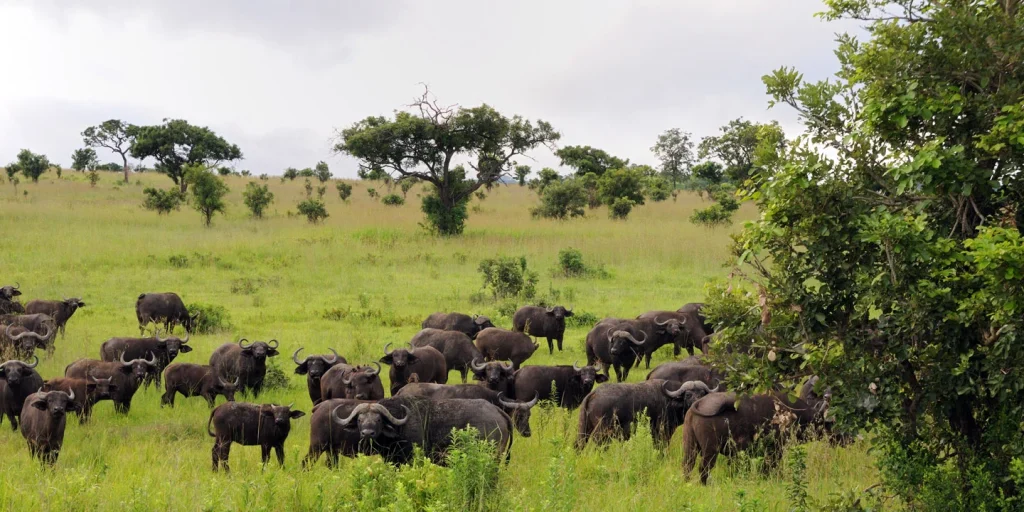
- Serengeti National Park: Witness the Great Migration, where millions of wildebeest, zebras, and gazelles traverse the plains.
- Ngorongoro Conservation Area: Explore the Ngorongoro Crater, a UNESCO World Heritage Site teeming with wildlife.
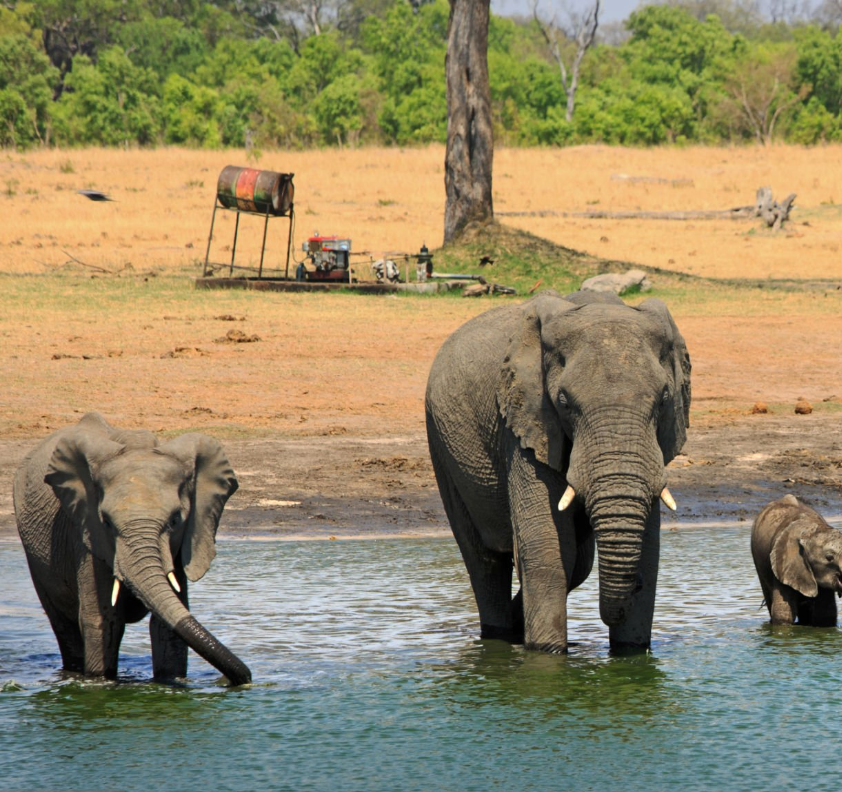
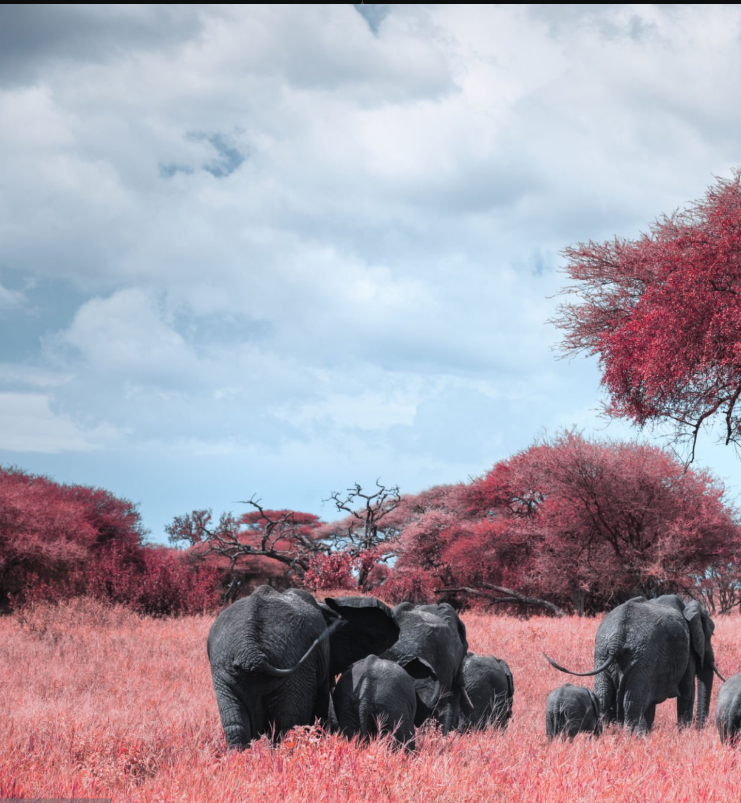
- Tarangire National Park: Known for its large elephant herds and ancient baobab trees.
- Lake Manyara National Park: Famous for its tree-climbing lions and flamingo-filled lakes.
Transport:
- Public Buses: Affordable but time-consuming, ideal for budget travelers.
- Shared Safari Vehicles: Join group tours to split costs.
- Domestic Flights: Budget airlines like Auric Air and Coastal Aviation offer affordable flights between parks.
Best Time to Explore:
- June to October: Dry season for optimal wildlife viewing.
- January to February: Calving season in the Serengeti, perfect for predator action.
Accommodations:
- Budget Campsites: Public campsites in national parks (e.g., Seronera Campsite in Serengeti).
- Hostels and Guesthouses: Affordable stays in Arusha or Moshi before and after the safari.
- Budget Lodges: Simple lodges like Twiga Campsite & Lodge in Arusha.
2. Mid-Range Safari Itinerary: Comfort and Value

Mid-range safaris strike a balance between affordability and comfort. These itineraries often include private or small-group tours, comfortable lodges, and more personalized experiences.
Places to Visit:
- Serengeti National Park: Enjoy game drives and hot air balloon safaris.
- Ngorongoro Crater: Spot the Big Five in this natural wonder.
- Selous Game Reserve: One of the largest protected areas in Africa, ideal for boat safaris.
- Zanzibar: Extend your trip with a beach getaway on this tropical island.
Transport:
- Private Safari Vehicles: Comfortable 4×4 Land Cruisers with pop-up roofs for game viewing.
- Domestic Flights: Convenient flights between parks and Zanzibar.
Best Time to Explore:
- June to October: Dry season for the best wildlife sightings.
- December to March: Warm weather and fewer crowds.
Accommodations:
- Mid-Range Lodges: Comfortable stays like Serengeti Kati Kati Tented Camp or Ngorongoro Wildlife Lodge.
- Tented Camps: Semi-luxury options with en-suite bathrooms (e.g., Lake Manyara Wildlife Safari Camp).
- Beach Resorts: Mid-range resorts in Zanzibar like Matemwe Beach Village.
3. Luxury Safari Itinerary: Indulgence in the Wild
For those seeking the ultimate safari experience, Tanzania’s luxury itineraries offer unparalleled opulence, exclusivity, and personalized service. From private guides to lavish lodges, every detail is tailored to your comfort.
Places to Visit:
- Serengeti National Park: Stay in exclusive lodges and enjoy private game drives.
- Ngorongoro Crater: Experience the crater’s wildlife in style.
- Mahale Mountains National Park: Track chimpanzees in this remote paradise.
- Ruaha National Park: Tanzania’s largest park, known for its rugged beauty and abundant wildlife.
- Zanzibar: Relax in luxury beachfront villas.
Transport:
- Private Charters: Helicopter or small plane transfers between parks.
- Luxury Safari Vehicles: Customized Land Cruisers with premium amenities.
Best Time to Explore:
- June to October: Prime time for luxury safaris.
- January to February: Ideal for the Great Migration and beach relaxation in Zanzibar.
Accommodations:
- Luxury Lodges: Iconic stays like Singita Grumeti in the Serengeti or Four Seasons Safari Lodge.
- Boutique Tented Camps: Exclusive camps like &Beyond Ngorongoro Crater Lodge.
- Private Villas: Luxurious beachfront properties in Zanzibar (e.g., The Residence Zanzibar).
Tips for Planning Your Tanzania Safari
- Choose the Right Season: The dry season (June to October) is ideal for wildlife viewing, while the wet season (November to May) offers lush landscapes and fewer tourists.
- Book in Advance: Popular lodges and camps fill up quickly, especially during peak seasons.
- Pack Wisely: Bring lightweight clothing, sturdy shoes, a good camera, and binoculars.
- Health Precautions: Ensure you have the necessary vaccinations and malaria prophylaxis.
- Respect Wildlife: Follow your guide’s instructions and maintain a safe distance from animals.
Sample Itineraries
Budget Safari (7 Days):
- Day 1-2: Arrive in Arusha, explore Lake Manyara.
- Day 3-4: Game drives in Serengeti National Park.
- Day 5: Visit Ngorongoro Crater.
- Day 6: Explore Tarangire National Park.
- Day 7: Return to Arusha.
Mid-Range Safari (10 Days):
- Day 1-2: Arrive in Arusha, visit Tarangire.
- Day 3-5: Explore Serengeti National Park.
- Day 6: Ngorongoro Crater tour.
- Day 7-10: Relax in Zanzibar.
Luxury Safari (12 Days):
- Day 1-2: Arrive in Arusha, stay at a luxury lodge.
- Day 3-5: Private game drives in Serengeti.
- Day 6: Ngorongoro Crater experience.
- Day 7-9: Chimpanzee trekking in Mahale Mountains.
- Day 10-12: Unwind in Zanzibar.
Tanzania’s safari experiences cater to every travel budget, from budget-friendly camping adventures to luxurious private tours. No matter your budget, you’ll be immersed in the breathtaking landscapes and incredible wildlife that make Tanzania a top safari destination. Plan your trip wisely, choose the right itinerary, and get ready for the adventure of a lifetime. Whether you’re gazing at the Great Migration, marveling at the Ngorongoro Crater, or relaxing on Zanzibar’s pristine beaches, Tanzania promises memories that will last a lifetime.
Related reading: AKAGERA NATIONAL PARK FEES and Lake Nakuru National Park Fees July 2025 – December 2026.
Ready to see it for yourself? Explore our Tanzania safari tours, including the 5 Days Tanzania Safaris itinerary, or get in touch with our safari experts to start planning your trip.
How to Prepare for Climbing Kilimanjaro
Preparing well is the single most important factor in successfully summiting Mount Kilimanjaro. Unlike technical mountaineering peaks, Kilimanjaro requires no ropes or climbing equipment — but it does demand cardiovascular fitness, mental resilience, and proper acclimatization. Start your preparation at least three months before your climb.
Begin with regular cardiovascular training including hiking, running, cycling, and stair climbing. Aim to hike with a loaded backpack on uneven terrain at least once a week. Strength training focusing on legs and core will help significantly on the steep sections, particularly the Barafu or Stella Point approaches to the summit.
Sleep at altitude before your climb if possible. Even a weekend at a mountain lodge at 3,000m will help your body begin to adapt. On the mountain, the golden rule is “pole pole” — slowly, slowly. Rushing is the most common cause of altitude sickness and failed summits.
Kilimanjaro Routes Compared
There are seven official routes up Kilimanjaro, each with different scenery, difficulty levels, and summit success rates. The most popular routes are:
- Machame Route (6–7 days): Known as the “Whiskey Route” for its challenging terrain, Machame is the most scenic and has a good acclimatization profile. Success rate: ~85% on 7-day itinerary.
- Lemosho Route (7–8 days): Starting from the west, Lemosho offers the most diverse scenery and the best acclimatization profile. Fewer crowds. Success rate: ~90%.
- Marangu Route (5–6 days): The only route with hut accommodation. Called the “Coca-Cola Route,” it is the shortest but has the lowest success rate (~65%) due to insufficient acclimatization time.
- Rongai Route (6–7 days): The only route approaching from the north, near the Kenyan border. Drier and less crowded, with good wildlife sightings in the lower zone.
- Northern Circuit (9 days): The longest route with the highest success rate (~95%). Circles the entire northern hemisphere of the mountain before the summit push.
Recommended Tours: 7 Days Kilimanjaro Climbing Machame Route | 8 Days Kilimanjaro Lemosho Route