BEST TIME OF YEAR TO GO GORILLA TREKKING IN UGANDA
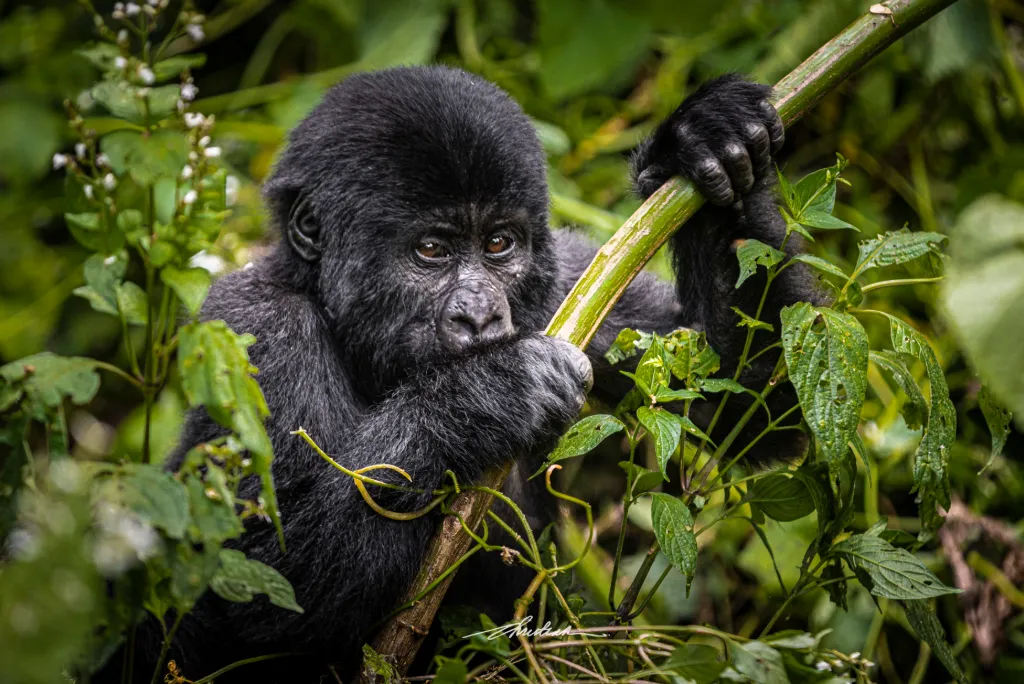
Gorilla trekking in Uganda is an unforgettable experience, offering visitors the chance to observe mountain gorillas (Gorilla beringei beringei) in their natural habitats within Bwindi Impenetrable National Park and Mgahinga Gorilla National Park. While gorillas can be tracked year-round, seasonal variations significantly influence trekking conditions, trail accessibility, wildlife activity, and overall visitor experience. Understanding the best times to go gorilla trekking helps travelers optimize their adventure, whether prioritizing ease of trekking, photography opportunities, or minimizing crowds.
Uganda’s equatorial climate results in two primary wet and dry seasons. These patterns affect trail conditions, gorilla foraging behaviour, and the availability of permits. Selecting the optimal trekking season ensures a safe, enjoyable, and memorable encounter while supporting conservation practices through responsible tourism.
A Detailed Guide to Gorilla Trekking Seasons in Uganda
Dry Season: June to September
The dry season from June to September is considered the peak time for gorilla trekking in Uganda. Trails are relatively dry, firm, and easier to navigate, which reduces trekking fatigue and the risk of slipping on muddy paths. Moderate temperatures, clear skies, and less rainfall create ideal conditions for both trekking and photography.
During this period, gorillas tend to forage more actively in visible areas as forest vegetation is less dense, providing excellent opportunities to observe feeding, grooming, and social interactions. This season also coincides with school holidays and international travel peaks, meaning permits may sell out quickly. Advanced booking is essential to secure trekking permits during these months.
The dry season also offers the best access to remote sectors such as Nkuringo and Ruhija in Bwindi, which feature steep, challenging trails that can become treacherously slippery during rains. For trekkers seeking adventure, scenic forest vistas, and high chances of seeing entire gorilla families, June to September is ideal.
Dry Season: December to February
The second dry season, from December to February, provides another excellent window for gorilla trekking. Trails are generally manageable, and the weather is slightly warmer than mid-year, making trekking comfortable. Wildlife, including gorillas and other primates like red-tailed monkeys, black-and-white colobus monkeys, and golden monkeys, are often easier to spot.
This period is particularly suitable for international travelers combining gorilla trekking with other safari activities in Uganda, such as wildlife viewing in Queen Elizabeth National Park or chimpanzee tracking in Kibale Forest. The dry season also allows for cultural tourism, as community visits and local markets are more accessible when roads are in good condition.
Wet Seasons: March to May and October to November
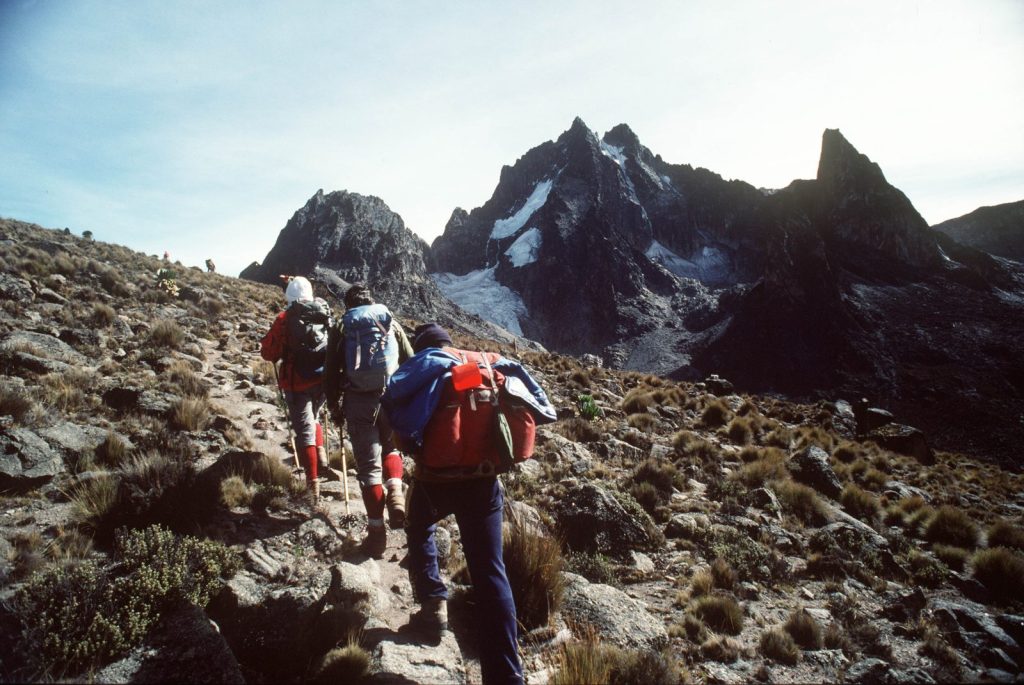
Uganda experiences two wet seasons: the long rains from March to May and shorter rains in October and November. During these periods, forest trails become muddy, slippery, and sometimes challenging, requiring trekking poles, sturdy footwear, and higher physical effort. Some remote trails may be temporarily impassable due to heavy rain or landslides in hilly sectors.
Despite the challenges, wet seasons have advantages. The forest is lush and verdant, offering exceptional photography conditions with vibrant greenery and flowing waterfalls. Wildlife is abundant, with gorillas actively foraging on tender leaves, bamboo shoots, and fruits. Tourist crowds are smaller, creating a more intimate and tranquil trekking experience.
Wet season trekking also provides an opportunity to experience Uganda’s rich biodiversity beyond gorillas. Birdwatching is particularly rewarding, with many species nesting or active during rainy periods. Additionally, fewer tourists mean that interactions with guides are more personalized, enhancing educational and interpretive experiences.
Influence of Altitude and Sector Selection
Uganda’s gorilla trekking sectors vary in altitude, which affects weather patterns and trail conditions. Bwindi’s Ruhija Sector is the highest, with cooler temperatures and misty conditions, while Buhoma and Rushaga sectors are lower and slightly warmer. Higher-altitude sectors may experience more rain even during the dry season, and fog can affect visibility, though it often adds a mystical atmosphere to photographs.
Mgahinga Gorilla National Park, with its volcanic slopes, is influenced by altitude as well. Trekking in this park during the wet season can be challenging due to bamboo forests and sloped terrain, whereas dry seasons offer safer, more predictable trekking routes. Selecting a sector based on fitness level, season, and trekking experience ensures a successful gorilla encounter.
Considerations for First-Time Trekkers
First-time gorilla trekkers often prefer dry seasons due to easier trails, predictable weather, and higher chances of spotting gorillas in open forest areas. For those comfortable with moderate physical exertion and seeking fewer crowds, the wet seasons can provide a more intimate experience, although logistical challenges increase.
Regardless of the season, all visitors must be prepared for sudden changes in weather, as mountain forests can experience rainfall even during dry periods. Wearing layered clothing, carrying rain gear, and using trekking poles are recommended for safety and comfort.
Permit Availability and Peak Seasons
Permit availability is closely linked to Uganda’s peak trekking seasons. The dry months-June to September and December to February-experience higher demand for permits, especially for popular gorilla families and accessible sectors like Buhoma and Rushaga. Advanced booking is essential to avoid disappointment.
During wet seasons, permits are more readily available, but trekkers must be prepared for muddy trails and occasional waterlogged paths. Early communication with the Uganda Wildlife Authority or licensed tour operators ensures proper planning and reduces the risk of logistical issues.
Wildlife Viewing Beyond Gorillas
The best time for gorilla trekking also coincides with optimal wildlife viewing in Uganda’s forests. Dry seasons facilitate spotting of forest elephants, duikers, primates, and a variety of endemic birds. Wet seasons enhance the visual beauty of the forest and increase activity among smaller wildlife, insects, and amphibians. Combining gorilla trekking with birdwatching or primate tracking can enrich the overall experience.
Photography and Filming Considerations
Seasonal conditions significantly affect photography. Dry seasons provide clear light and easier movement through trails, making it ideal for capturing gorillas in the forest canopy and open areas. Wet seasons offer unique photographic opportunities, with lush greenery, misty landscapes, and vibrant flora providing dramatic backdrops, though camera equipment must be protected from rain and humidity.
Cultural and Community Engagement
Visiting during different seasons also affects community tourism. Dry seasons allow easier access to Batwa communities, cultural heritage sites, and local markets. Wet seasons may limit travel to some remote villages, but visitors can experience seasonal agricultural activities and traditional forest-based practices. Integrating cultural visits with gorilla trekking enhances the educational and immersive aspect of a Uganda safari.
Planning Tips for Optimal Timing
- Book gorilla permits well in advance, especially for dry seasons.
- Consider fitness level and trail difficulty when selecting trekking sector and season.
- Prepare appropriate clothing, rain gear, and footwear for seasonal conditions.
- Combine gorilla trekking with other safari activities for a comprehensive experience.
- Coordinate with licensed operators or UWA to ensure smooth logistics.
Choosing the Best Time
The best time to go gorilla trekking in Uganda depends on a combination of weather preference, trail accessibility, and the type of experience desired. Dry seasons-June to September and December to February-are ideal for easier trekking, clear visibility, and predictable conditions, making them suitable for first-time visitors. Wet seasons-March to May and October to November-offer fewer crowds, lush scenery, and rich biodiversity, appealing to adventurers and wildlife enthusiasts willing to navigate more challenging terrain.
Ultimately, Uganda’s year-round gorilla trekking opportunities allow visitors to tailor their experience according to personal preferences, physical ability, and wildlife interests, ensuring a rewarding and unforgettable encounter with the mountain gorillas of Bwindi and Mgahinga.