BEST TIME OF YEAR TO GO GORILLA TREKKING IN RWANDA
Gorilla trekking in Rwanda is considered one of the most extraordinary wildlife experiences in the world, offering travelers the rare opportunity to observe mountain gorillas (Gorilla beringei beringei) in their natural habitats. Rwanda’s Volcanoes National Park, located in the northwest of the country near the Democratic Republic of Congo border, is the primary destination for gorilla trekking. The park’s unique combination of volcanic peaks, dense bamboo forests, and fog-covered montane landscapes provides a stunning backdrop for encounters with habituated gorilla families.
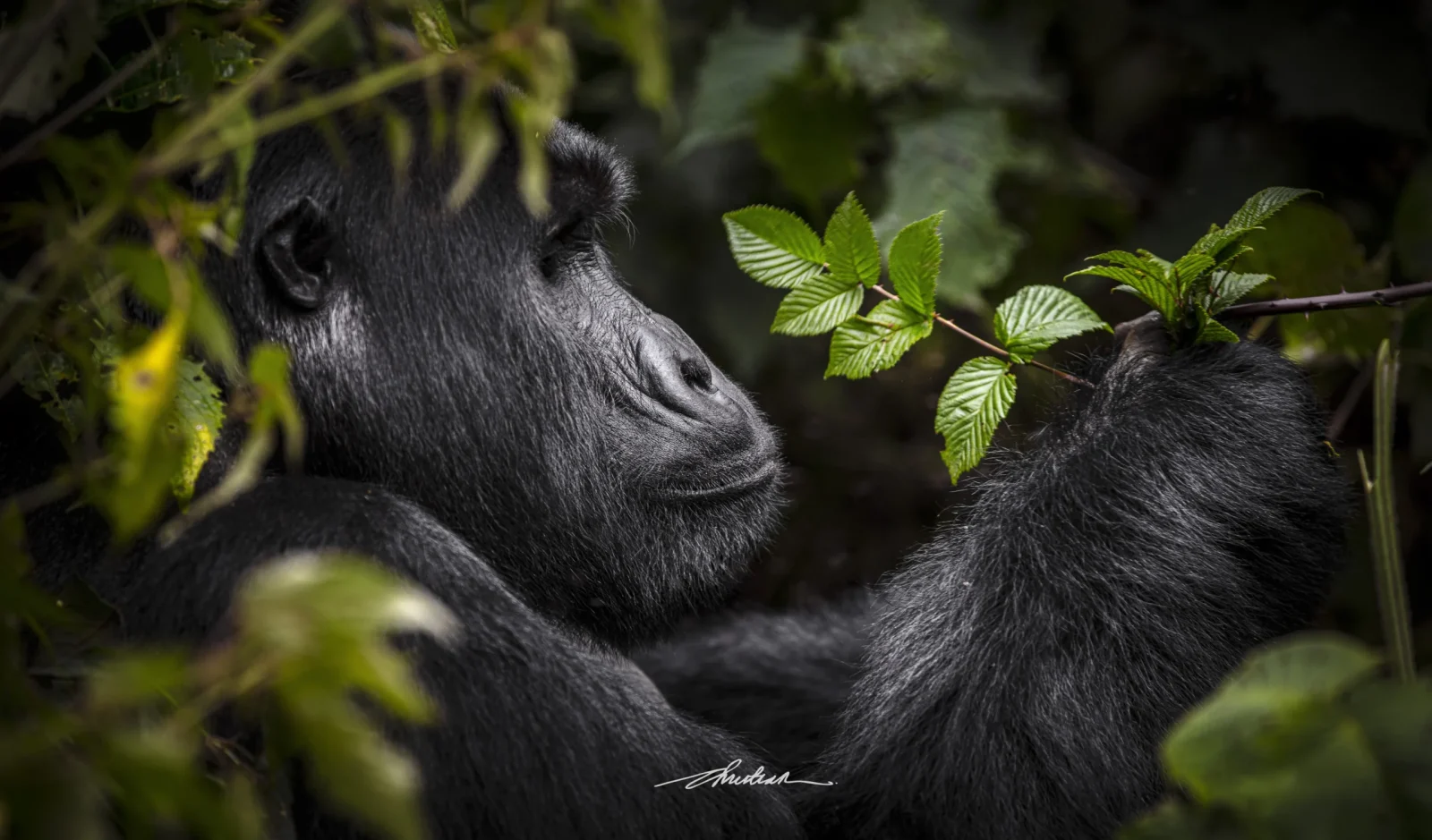
Rwanda has invested heavily in responsible and sustainable tourism to preserve these critically endangered primates, and gorilla trekking permits are limited and closely managed by the Rwanda Development Board (RDB). Although gorilla trekking is technically available year-round, seasonal changes significantly affect trail conditions, wildlife behaviour, trekking difficulty, and overall visitor experience. For this reason, understanding the best time of year to go gorilla trekking in Rwanda is essential for planning a successful safari.
Rwanda experiences two main climatic seasons: dry and wet. These seasons not only influence trekking conditions but also impact forest scenery, gorilla foraging patterns, wildlife encounters, and photographic opportunities. Additionally, factors such as altitude, sector selection within the park, visitor numbers, and permit availability play a critical role in determining the optimal time for gorilla trekking.
This guide provides a comprehensive, detailed analysis of Rwanda’s gorilla trekking seasons, offering first-time trekkers and seasoned visitors alike practical insights to maximize the wildlife experience.
Rwanda’s Dry Season: June to September
The dry season from June to September is widely regarded as the prime period for gorilla trekking in Rwanda. Trails are firm and less muddy, minimizing trekking fatigue and the risk of slips or injuries. Temperatures are relatively mild, generally ranging between 16°C to 25°C (61°F to 77°F), which is comfortable for trekking through Rwanda’s high-altitude forested terrain.
During this period, gorillas are more likely to forage in visible areas, such as forest clearings and bamboo zones, enhancing the chances of close-up sightings. The dry season also reduces the likelihood of misty conditions obscuring visibility, which is beneficial for photography and wildlife observation. Visitors can capture gorillas engaged in natural behaviours such as grooming, playing, and feeding without the challenges of wet, slippery trails.
This period coincides with the northern hemisphere summer holidays, resulting in higher international visitor numbers. Permits are in high demand, especially for first-time trekkers who prefer moderate trails in sectors like Susa and Kinigi. Early booking—often six months to a year in advance—is essential to secure trekking permits during these months.
In addition to favorable trekking conditions, the dry season allows for a range of complementary activities. Visitors can combine gorilla trekking with visits to Lake Kivu, Rwanda’s largest freshwater lake, or participate in cultural tourism experiences such as community visits and traditional craft workshops. Birdwatching is also highly rewarding during this season, as forest trails are drier and easier to navigate.
Rwanda’s Dry Season: December to February
The second dry season, occurring from December to February, provides another excellent opportunity for gorilla trekking. Trails remain largely navigable, rainfall is minimal, and temperatures are slightly warmer compared to the mid-year dry season. Trekking during this period is comfortable, and visibility in the forest is generally good, making it ideal for capturing high-quality photographs.
This dry period is particularly suitable for travelers combining gorilla trekking with other Rwandan safari experiences. Visitors can explore Volcanoes National Park’s scenic volcanic peaks, go on golden monkey tracking excursions, and enjoy cultural immersion in local communities. Since the dry season reduces the risk of trail closures and extreme weather, it is an optimal period for first-time trekkers or those seeking a safer, more predictable trekking experience.
Permit demand remains high during this period, so advanced booking is strongly recommended. The dry season ensures that park rangers can efficiently manage trekking groups, assign gorilla families, and provide high-quality guided experiences without logistical challenges associated with wet conditions.
Rwanda’s Wet Seasons: March to May and October to November
Rwanda experiences two wet seasons: the long rains from March to May and the short rains from October to November. During these periods, Volcanoes National Park’s trails become muddy, slippery, and physically challenging. Steep sections and bamboo-dense areas may require additional care, trekking poles, and extra stamina.
Despite these difficulties, wet seasons offer unique advantages for adventurous trekkers. The forest is lush, vibrant, and teeming with life. Waterfalls are at their fullest, and dense vegetation provides a spectacular backdrop for photography. Fewer tourists visit during the wet seasons, creating a quieter, more intimate trekking experience. Rangers can devote more attention to each group, enhancing educational and interpretive aspects of the trek.
Gorilla behaviour can also be more active during wet seasons. Fresh leaves, bamboo shoots, and fruits are abundant, encouraging foraging in different forest zones. Trekkers may witness gorillas feeding, interacting socially, or moving through bamboo thickets and forest clearings. The combination of fewer crowds and active wildlife makes wet-season trekking appealing for those willing to navigate more difficult terrain.
Sector Selection and Altitude Considerations
Volcanoes National Park features several sectors with varying altitudes and forest conditions, influencing trekking difficulty and experience. Lower-altitude trails tend to be gentler and warmer, making them suitable for first-time trekkers or those seeking moderate physical exertion. Higher-altitude zones, often shrouded in mist, can be cooler, more humid, and slippery, especially during wet seasons.
Sector selection should be based on the trekker’s fitness level, trekking experience, and seasonal conditions. For example, the Susa and Kinigi areas offer accessible trails with habituated gorilla families, ideal during both dry and wet seasons. More remote high-altitude trails provide a challenging adventure for experienced trekkers who seek fewer tourists and dramatic forest scenery.
Permit Availability and Peak Season Demand
Permit availability in Rwanda is tightly controlled to ensure sustainable tourism and gorilla conservation. In 2026, international permits cost approximately $1,500 per person, while East African residents may benefit from reduced rates. Permits are limited to eight trekkers per gorilla family per day, ensuring minimal stress on the animals and high-quality visitor experiences.
During dry seasons, demand for permits is at its highest, especially among first-time visitors. Booking several months in advance is essential. Wet seasons, although less crowded, may offer more flexibility in scheduling permits. Working with licensed tour operators or the Rwanda Development Board ensures that visitors can secure their preferred trekking dates, gorilla families, and sectors.
Complementary Wildlife and Ecotourism Opportunities
While gorillas are the main attraction, Rwanda’s forests support diverse wildlife and provide additional opportunities for ecotourism. Golden monkeys, endemic birds, duikers, and forest-dwelling reptiles can be observed along trekking trails. Wet seasons enhance forest biodiversity visibility, as many species are more active and vegetation is at its peak.
Cultural tourism is another highlight. Visitors can engage with local communities, observe traditional agriculture, participate in craft-making, and gain insight into Rwandan conservation initiatives. Dry seasons provide easier access to these communities and markets, while wet seasons may limit travel to certain remote areas. Integrating cultural experiences with gorilla trekking enriches the overall safari experience.
Photography and Filming Considerations
Seasonal conditions significantly impact photography. Dry seasons provide clear light and firm trails, allowing trekkers to capture gorillas in open forest areas and dense bamboo zones. Wet seasons create dramatic scenery with lush greenery, mist, and flowing waterfalls, offering unique photographic opportunities. Protecting camera equipment from humidity, rain, and mud is essential, particularly during wet-season treks.
Photography etiquette is critical year-round. Visitors must maintain the recommended seven-meter distance from gorillas, avoid flash photography, and follow ranger instructions to ensure safety and minimize disturbance to the animals.
Recommendations for First-Time Trekkers
For first-time gorilla trekkers, dry seasons—June to September and December to February—are the most suitable. Trails are safer, trekking times are more predictable, and gorilla encounters are generally smoother and more comfortable. Wet seasons are recommended for adventurous visitors seeking a quieter, more intimate trekking experience with fewer tourists, lush scenery, and active wildlife.
Regardless of the season, trekkers should prepare for sudden weather changes in the mountainous rainforest. Layered clothing, waterproof gear, sturdy boots, and trekking poles are essential for comfort and safety. Physical preparation, including regular cardiovascular exercise and strength training, is highly recommended for optimal trekking performance.
Combining Gorilla Trekking with Other Experiences
Rwanda offers a range of complementary activities to enhance the gorilla trekking experience. Visitors can explore Lake Kivu for relaxation and water-based activities, engage in golden monkey tracking, or visit cultural and historical sites such as the Kigali Genocide Memorial.
Birdwatching is another highlight, with over 700 species recorded in Rwanda, including endemic Albertine Rift birds. Dry seasons provide easier trail access and clearer observation conditions, while wet seasons offer abundant flora and enhanced forest soundscapes for nature enthusiasts.
Additionally, visitors can participate in community-based tourism initiatives that support local conservation and cultural preservation. These activities include village walks, craft demonstrations, and guided tours of traditional farming areas. Integrating such experiences provides a holistic understanding of Rwanda’s ecosystems, conservation efforts, and cultural heritage.
Health, Safety, and Environmental Considerations
Gorilla trekking requires adherence to strict health and safety protocols. Visitors must be in good health, avoid trekking if ill, and follow all ranger instructions. Face masks are recommended during trekking to reduce disease transmission to gorillas, and hand hygiene is essential before entering forest areas.
Seasonal changes influence environmental risks. During wet seasons, trail slipperiness, fog, and occasional landslides require extra caution. Dry seasons are generally safer but may involve long trekking hours under the sun, necessitating sun protection, hydration, and energy management.
Planning Tips for Optimal Timing
- Book Permits Early: Secure permits well in advance, especially during dry seasons.
- Select Appropriate Sectors: Choose trekking sectors based on fitness level, trekking experience, and season.
- Prepare Gear: Layered clothing, rain gear, sturdy boots, and trekking poles are recommended.
- Combine Activities: Consider birdwatching, cultural tours, and golden monkey tracking for a richer safari.
- Work with Licensed Operators: Tour operators ensure smooth logistics, permits, and transportation.
Optimal Timing for Gorilla Trekking in Rwanda
The best time to go gorilla trekking in Rwanda depends on visitor preferences for trail conditions, crowd levels, wildlife visibility, and photographic opportunities. Dry seasons—June to September and December to February—are ideal for first-time visitors seeking easier trekking, predictable conditions, and clear visibility. Wet seasons—March to May and October to November—offer a more intimate, quieter experience, lush forest scenery, and active wildlife for adventurous trekkers willing to navigate more challenging terrain.
By carefully selecting the season, travelers can maximize their gorilla trekking experience in Volcanoes National Park while supporting conservation and sustainable tourism initiatives. Each season provides unique advantages, ensuring that a visit to Rwanda’s gorilla habitats is both unforgettable and transformative.
Recommended Tours: 8 Days Congo Gorillas & Nyiragongo Safari | 5 Days Lowland Gorilla Safari Congo