How Much Does a Gorilla Trekking Permit Cost in Uganda in 2025.
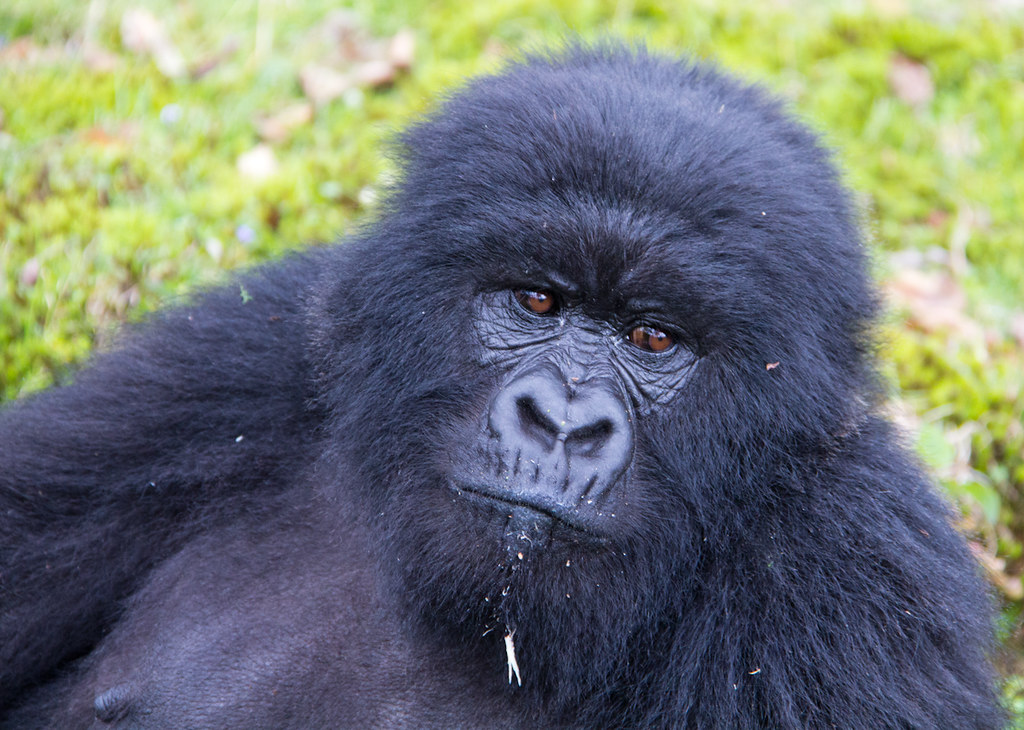
For many travelers, the dream of standing face-to-face with a mountain gorilla in the misty rainforests of Uganda is the ultimate safari experience. However, turning this dream into reality requires obtaining a gorilla trekking permit, and understanding the costs involved is essential for planning your adventure.
Gorilla trekking permits are official documents issued by the Uganda Wildlife Authority (UWA) that grant you permission to visit a specific habituated gorilla family in either Bwindi Impenetrable National Park or Mgahinga Gorilla National Park. The permit covers park entry, the services of professional ranger guides and trackers, and one unforgettable hour spent observing a gorilla family in its natural habitat. The revenue from these permits directly funds critical conservation efforts, including anti-poaching operations, ranger training, and community development projects around the parks.
Official Gorilla Permit Prices for 2025
As of 2025, the Uganda Wildlife Authority has standardized permit fees based on visitor residency status. The price is fixed regardless of the season, so you will not find cheaper permits during the rainy months. A recent price increase took effect in July 2024, setting the rates that will remain valid through June 2026.
The current 2025 permit prices are as follows:
Foreign Non-Residents: $800 USD per person per trek
Foreign Residents: $700 USD per person per trek
East African Citizens: UGX 300,000 per person per trek
These prices apply to the standard gorilla trekking experience, which includes a one-hour visit with a fully habituated gorilla family. Each gorilla group can be visited by a maximum of eight tourists per day to minimize stress on the animals and ensure a quality experience.
The Gorilla Habituation Experience: A Premium Option
Uganda offers a unique experience that sets it apart from neighboring Rwanda: the Gorilla Habituation Experience. This special permit allows you to spend up to four hours with a gorilla family that is in the process of becoming habituated to human presence. You will be part of a smaller group of maximum four people, following the trackers and researchers as they gradually acclimate a wild gorilla group to human observers.
The habituation experience is more expensive but offers a deeper, more exclusive encounter. The 2025 prices are:
Foreign Non-Residents: $1,500 USD per person
Foreign Residents: $1,000 USD per person
East African Citizens: UGX 750,000 per person
This experience is only available in specific sectors of Bwindi Impenetrable National Park, primarily the Rushaga and Nkuringo sectors.
How the Permit Cost Compares to Rwanda
To put Uganda’s permit costs in perspective, a comparison with Rwanda is useful. Rwanda’s gorilla trekking permits have been priced at $1,500 USD for several years. Uganda’s $800 standard permit offers a significantly more affordable entry point for experiencing mountain gorillas in the wild. The lower price point allows many travelers to consider booking two treks, which is often recommended as the first trek can be an overwhelming experience spent behind a camera, while the second allows for a more immersive and personal connection.
What Is Included and Excluded in the Permit Fee
What the Permit Includes
The permit fee covers several essential components of the trekking experience:
-
Entrance fees to the national park
-
The services of professional UWA ranger guides and trackers who lead your group
-
One hour of observation time with the assigned gorilla family (or four hours for the habituation experience)
-
A briefing at the park headquarters before the trek
-
A certificate of completion
What the Permit Does Not Include
The permit fee does not cover the following costs, which you will need to budget for separately:
Transportation: Getting to the remote parks in southwestern Uganda requires a private 4×4 safari vehicle or domestic flights, which can cost hundreds or thousands of dollars depending on your itinerary.
Accommodation: Lodges near Bwindi and Mgahinga range from budget guesthouses to luxury eco-lodges, with prices varying accordingly.
Porter Services: Porters are available to carry your backpack and provide physical support on the steep, muddy trails. Hiring a porter is highly recommended and costs approximately $10-15 USD per day, with the fee directly supporting local communities.
Tips and Gratuities: It is customary to tip your ranger guides, trackers, and lodge staff. This is not included in the permit price.
Meals and Drinks: Unless you book an all-inclusive safari package, meals are an additional expense.
International Flights and Visas: These are separate costs not covered by the permit.
How to Secure Your Gorilla Permit for 2025
Given the limited number of permits available each day (approximately 96 in total across both parks), securing your permit requires planning and advance booking. For treks during the peak dry seasons from June to September and December to February, permits can sell out months in advance. A minimum of six months advance booking is strongly recommended for travel during these popular periods.
Permits can be purchased directly through the Uganda Wildlife Authority or through licensed local tour operators and travel agents. Working with a reputable operator can simplify the process, as they can handle the logistics of permit reservation, payment, and confirmation while also arranging the rest of your safari itinerary.
Budgeting for Your Complete Uganda Safari
While the gorilla permit is a significant cost, it is only one part of your total safari budget. A mid-range 7-day safari package including the gorilla trek, chimpanzee tracking, and game drives in other national parks typically ranges from $3,500 to $6,000 USD per person, including accommodation, transport, and meals but excluding international flights. Budget-conscious travelers can reduce costs by traveling in a group, visiting during the lower-demand green season when lodge rates are often discounted, and booking well in advance to access better rates.
The permit fee represents a vital investment in the future of mountain gorillas and the communities that live alongside them. When you purchase a permit, you are directly contributing to the protection of these critically endangered animals and the sustainable development of Uganda’s tourism industry. Despite the significant cost, the opportunity to spend an hour in the presence of a silverback and his family is an experience that travelers consistently describe as life-changing and absolutely worth every penny.