
Maasai Village Visit in Tanzania and Kenya: What to Expect
Maasai Village Visit in Tanzania and Kenya
Introduction to the Maasai Cultural Experience
Across the sweeping savannahs of East Africa, where wildlife roams freely and acacia trees stand against endless horizons, the Maasai people remain one of the most iconic and culturally distinct communities. A visit to a Maasai village in Tanzania or Kenya offers more than just a glimpse into traditional life. It is an immersive cultural encounter that reveals a way of living deeply rooted in heritage, resilience, and connection to the land.
For many travelers on safari, the experience of visiting a Maasai village becomes one of the most memorable highlights of their journey. It provides a human dimension to the landscapes and wildlife that define East Africa, offering insight into a community that has preserved its identity despite the pressures of modernization.
Who Are the Maasai People
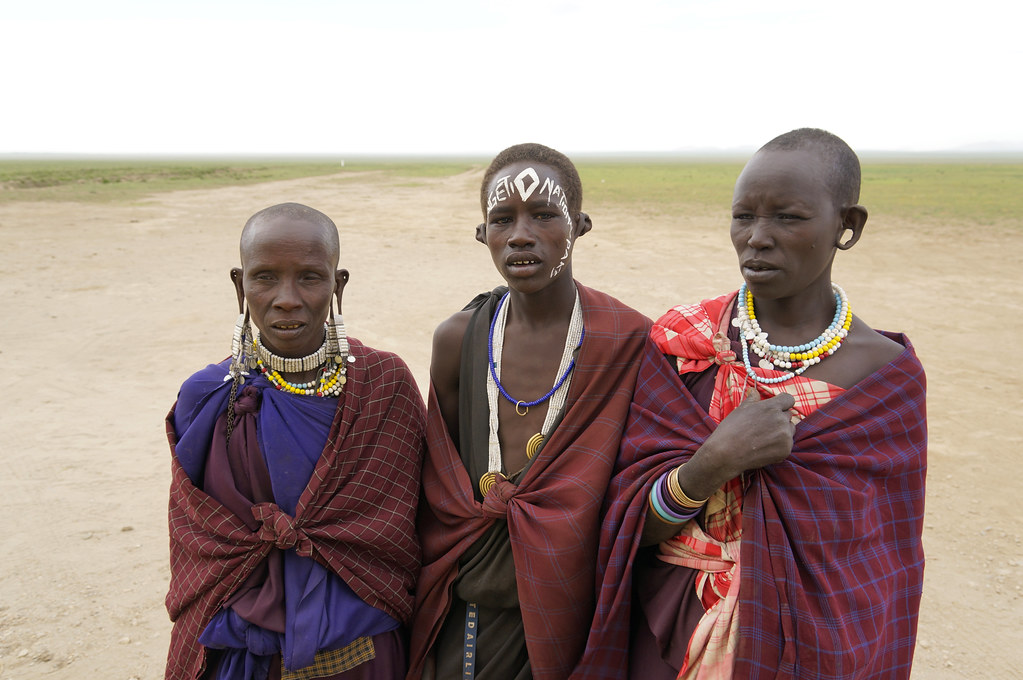
The Maasai are a semi-nomadic pastoralist community found primarily in southern Kenya and northern Tanzania. Known for their distinctive red clothing, intricate beadwork, and tall, graceful stature, they have become a symbol of East African culture. Their lives revolve around cattle, which are not only a source of food and wealth but also central to their social and cultural systems.
For generations, the Maasai have lived in harmony with the environment, moving with their livestock in search of pasture and water. Their traditions, language, and customs have been preserved through strong community structures and a deep respect for their ancestral ways of life.
Arriving at a Maasai Village
A visit to a Maasai village, often referred to as a “manyatta,” begins with a warm and vibrant welcome. As you approach, it is common to hear singing and rhythmic chanting from the community. The villagers, dressed in bright shukas and adorned with colorful beadwork, gather to greet visitors with traditional dances that reflect both celebration and pride.
The energy of this welcome sets the tone for the entire experience. It is not simply a performance but an expression of cultural identity, inviting visitors into a space that is both personal and communal.
Traditional Maasai Homes and Village Structure
Inside the village, you will notice a circular arrangement of homes constructed from natural materials such as mud, sticks, grass, and cow dung. These houses, built by Maasai women, are designed to provide protection from the elements while maintaining simplicity and functionality.
The village is typically enclosed by a fence made of thorny branches, serving as protection against predators, especially at night. At the center of the enclosure is a space for livestock, reflecting the importance of cattle in Maasai life.
Entering one of the homes offers a deeper understanding of daily living conditions. The interiors are often small and dimly lit, yet carefully organized to accommodate cooking, sleeping, and storage. This experience highlights the simplicity and resilience that define the Maasai lifestyle.
Daily Life and Traditions of the Maasai
Life in a Maasai village is shaped by routine, responsibility, and tradition. Men are primarily responsible for herding cattle and protecting the community, while women manage the household, build homes, and create beadwork. Children grow up learning these roles from an early age, ensuring that cultural practices are passed down through generations.
Visitors often have the opportunity to observe or participate in daily activities, from milking cattle to learning about traditional fire-making techniques. These interactions provide a deeper appreciation for the skills and knowledge required to sustain this way of life.
The Role of Dance and Music in Maasai Culture
Music and dance are central to Maasai culture, serving as expressions of joy, identity, and community. One of the most recognizable aspects of a Maasai village visit is the traditional jumping dance, where young men leap into the air in a display of strength and endurance.
The rhythmic chants and synchronized movements create a captivating atmosphere, drawing visitors into the cultural rhythm of the community. These performances are not staged for entertainment alone but are deeply rooted in Maasai traditions and ceremonies.
Maasai Beadwork and Craftsmanship
The intricate beadwork created by Maasai women is both beautiful and symbolic. Each color and pattern carries meaning, representing aspects of life such as age, status, and social roles. Visitors often have the chance to see how these pieces are made and to purchase handmade items directly from the artisans.
This interaction not only supports the local economy but also helps preserve a craft that is central to Maasai identity.
Cultural Exchange and Interaction with the Community
One of the most rewarding aspects of visiting a Maasai village is the opportunity for genuine interaction. Guides and community members often share stories about their traditions, beliefs, and daily lives, creating a space for cultural exchange.
Visitors are encouraged to ask questions, listen, and engage respectfully. These conversations often reveal the challenges and adaptations the Maasai face in a changing world, adding depth to the experience.
Understanding the Impact of Tourism on Maasai Communities
Tourism plays a significant role in supporting Maasai communities, providing income and opportunities for education and development. However, it also raises important questions about cultural preservation and authenticity.
Responsible tourism practices are essential to ensure that visits are respectful and beneficial to the community. Choosing ethical operators and approaching the experience with sensitivity helps maintain the integrity of Maasai culture.
What to Expect During Your Visit
A typical visit to a Maasai village lasts a few hours and includes a guided tour, cultural demonstrations, and opportunities for interaction. The experience is generally relaxed, allowing visitors to absorb the atmosphere and learn at a comfortable pace.
While the setting may feel unfamiliar, the warmth and hospitality of the Maasai people create an environment that is welcoming and engaging.
Best Time to Visit a Maasai Village
Maasai village visits can be arranged throughout the year in both Tanzania and Kenya, often as part of a safari itinerary. The dry seasons are particularly popular, as they coincide with peak wildlife viewing in nearby national parks.
Regardless of the season, the cultural experience remains consistent, offering insight into a way of life that continues to thrive.
Why a Maasai Village Visit Is Worth Experiencing
A Maasai village visit is more than just a cultural stop on a safari. It is an opportunity to connect with a community that has maintained its traditions while adapting to modern challenges. It adds depth to the travel experience, reminding visitors that East Africa is not only defined by its landscapes and wildlife, but also by its people.
Conclusion: A Deeper Connection to East Africa
As you leave the village and return to the open savannah, the experience lingers in your mind. The songs, the stories, and the faces become part of your journey, offering a deeper understanding of the region.
A visit to a Maasai village in Tanzania or Kenya is not just about observing a culture. It is about engaging with it, learning from it, and carrying that understanding with you long after your journey ends.