Karamojong People of Uganda: Culture, Traditions and Tourism
The Karamojong people of northeastern Uganda represent one of the most culturally rich and historically resilient communities in East Africa. Living primarily in the semi-arid region of Karamoja, they have preserved a distinctive way of life that is deeply rooted in pastoralism, tradition, and strong communal values. For travelers seeking an authentic cultural experience beyond the typical wildlife safari, the Karamojong offer a powerful glimpse into a world where ancient customs still shape everyday life.
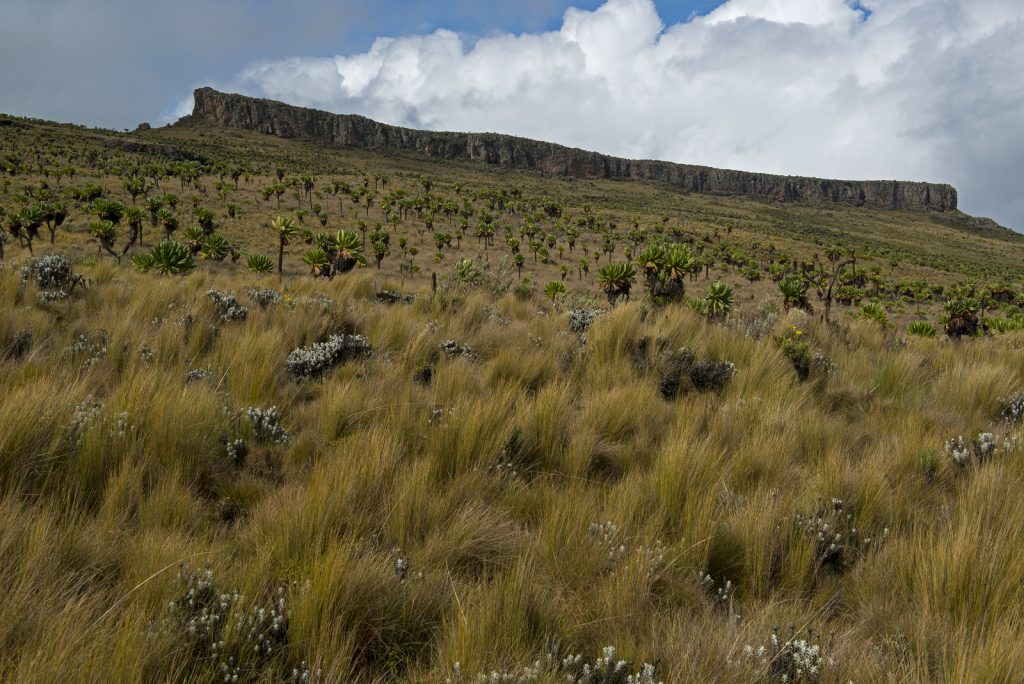
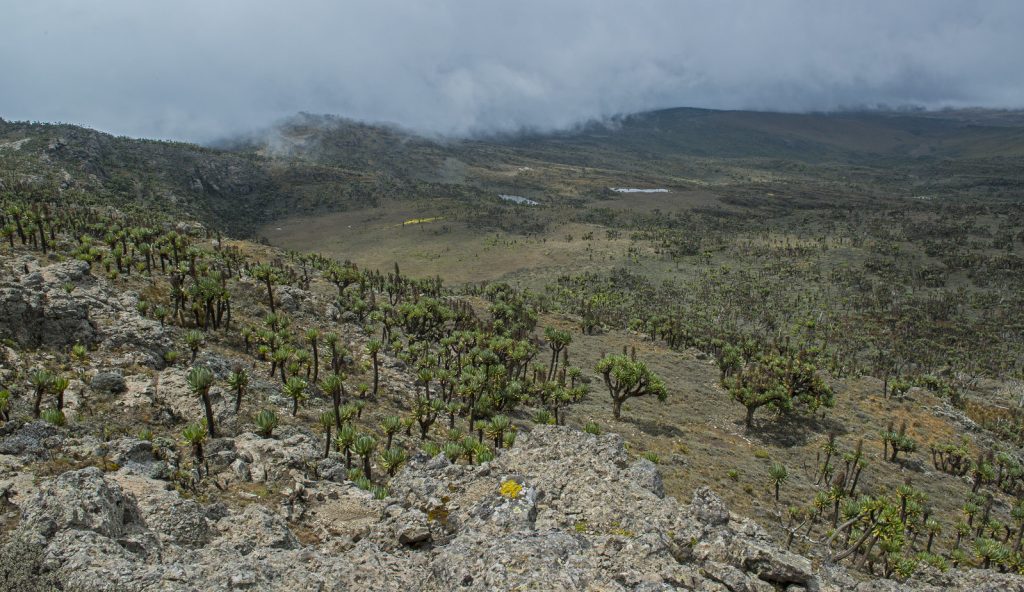
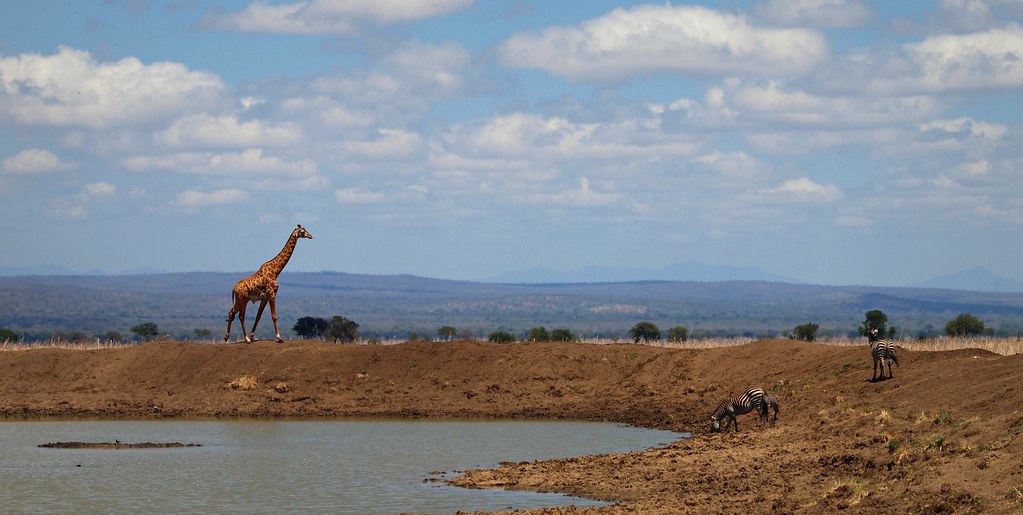
Karamoja itself is a rugged and remote region characterized by vast plains, rocky hills, and a climate that demands resilience. Despite these harsh conditions, the Karamojong have thrived for generations, developing a lifestyle centered around cattle, which are not just a source of wealth but also a symbol of identity, pride, and social structure. Their culture is vibrant, expressive, and deeply tied to their environment, making them one of Uganda’s most fascinating indigenous communities.
The Origins and Identity of the Karamojong
The Karamojong are part of the larger Nilotic ethnic group, closely related to pastoralist communities in neighboring Kenya and South Sudan. Oral traditions suggest that they migrated centuries ago in search of pasture and water, eventually settling in the Karamoja region. Over time, they developed a unique identity shaped by isolation, environmental challenges, and strong adherence to ancestral customs.
Their society is organized around clans and age sets, which play a critical role in leadership, responsibility, and social order. Elders hold significant authority, guiding community decisions and preserving traditions, while younger generations are initiated into adulthood through cultural rites that emphasize bravery, discipline, and respect.
The Central Role of Cattle in Karamojong Life
Cattle are at the heart of Karamojong culture. They are far more than livestock; they represent wealth, social status, and spiritual connection. A man’s prestige is often measured by the number of cattle he owns, and these animals are central to marriage, rituals, and daily survival.
Milk and blood are traditional dietary staples, while cattle are rarely slaughtered except during important ceremonies. Songs and poems are even composed to praise individual cows, reflecting the deep emotional bond between the people and their herds. This pastoral lifestyle has shaped the Karamojong’s movements, as they often migrate seasonally in search of grazing land and water.
Traditional Dress and Adornment
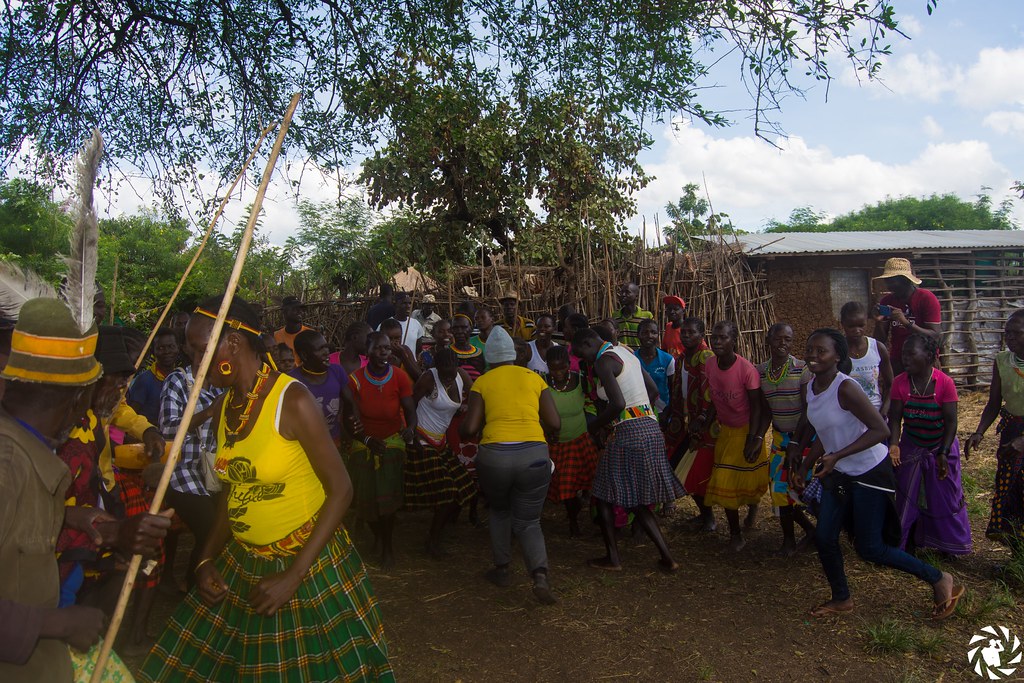
The Karamojong are known for their distinctive and striking appearance. Both men and women wear colorful wraps, often made from bright fabrics, which are draped elegantly around the body. These garments are practical for the hot climate while also serving as expressions of identity and style.
Adornment plays an important role in their culture. Women often wear elaborate necklaces, bangles, and earrings made from beads, metal, and natural materials. Hairstyles can also signify age, marital status, or social position. Men traditionally carry staffs or spears, symbols of their role as protectors and herders.
Music, Dance, and Oral Traditions
Music and dance are central to Karamojong cultural expression. Their performances are energetic and rhythmic, often involving group participation with synchronized movements, chanting, and drumming. These dances are performed during ceremonies, celebrations, and social gatherings, reinforcing community bonds and shared identity.
Oral storytelling is another vital tradition. Elders pass down history, moral lessons, and cultural knowledge through stories, songs, and proverbs. This oral heritage ensures that the values and experiences of past generations continue to guide the present.
Social Structure and Community Life
Karamojong society is deeply communal. Families live in manyattas, which are traditional homesteads enclosed by thorny fences for protection. These settlements are designed to accommodate both people and livestock, reflecting the central role of cattle in daily life.
Gender roles are clearly defined but complementary. Men are primarily responsible for herding and protecting livestock, while women manage the household, care for children, and engage in tasks such as cooking and gathering resources. Despite these distinctions, community cooperation is essential for survival in the challenging environment.
Respect for elders and adherence to tradition are fundamental values. Decisions affecting the community are often made collectively, with elders providing guidance based on wisdom and experience.
Challenges and Adaptation in the Modern World
Like many indigenous communities, the Karamojong face challenges brought about by modernization, climate change, and external influences. Droughts, conflicts over grazing land, and limited access to education and healthcare have historically impacted the region.
However, there has been significant transformation in recent years. Increased government presence, improved security, and development initiatives have contributed to greater stability. Many Karamojong are now engaging with education, trade, and tourism, finding ways to balance tradition with modern opportunities.
This transition has not erased their cultural identity. Instead, it has created a dynamic environment where old and new coexist, allowing the Karamojong to adapt while preserving their heritage.
Tourism and Cultural Experiences in Karamoja
Tourism in Karamoja is steadily growing, offering travelers a unique and less-explored destination in Uganda. Unlike the more popular safari circuits, Karamoja provides an intimate cultural experience that emphasizes human connection and authenticity.
Visitors have the opportunity to explore traditional manyattas, interact with local families, and learn about pastoral life firsthand. Cultural performances, including traditional dances and songs, are often organized to share the community’s heritage with guests.
Guided visits allow travelers to understand the significance of cattle, participate in daily activities, and hear stories from elders. These experiences are not staged but rooted in genuine cultural exchange, making them deeply meaningful for both visitors and hosts.
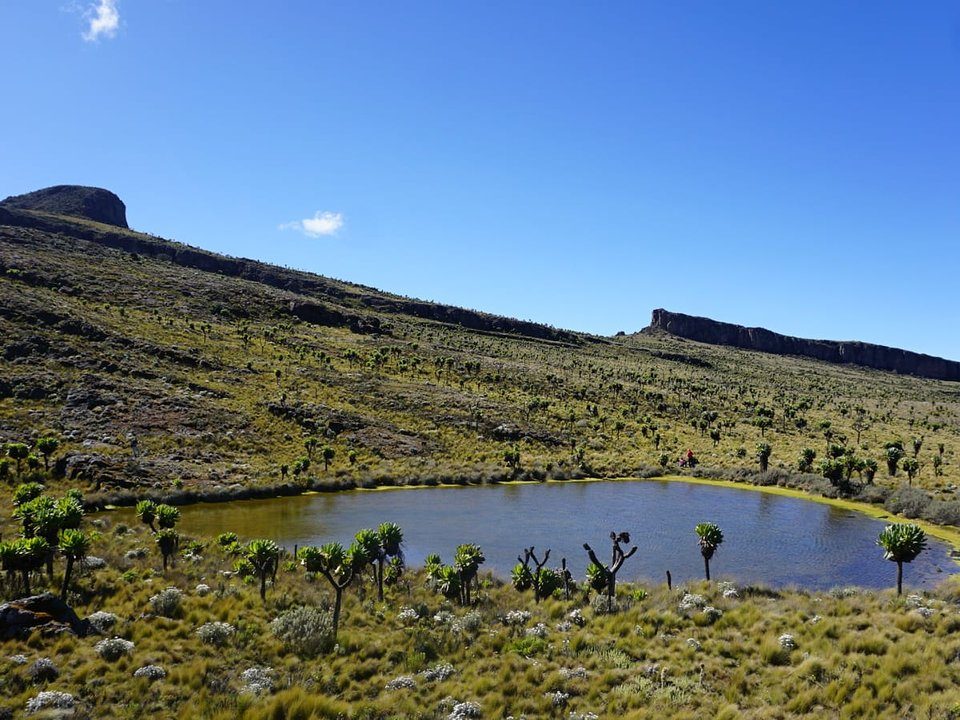
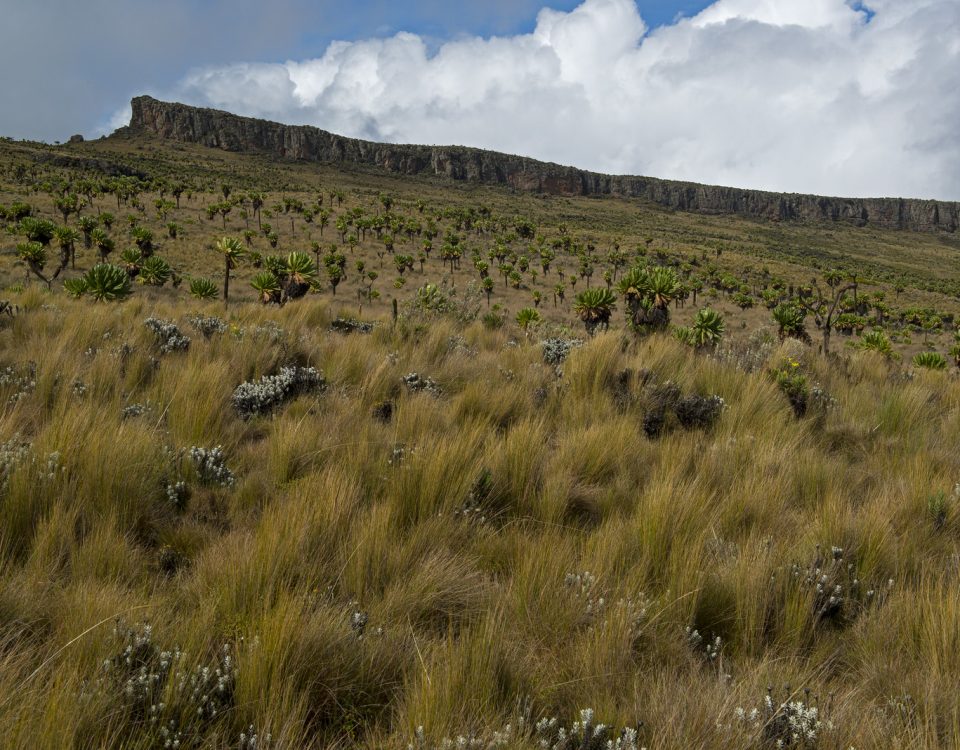
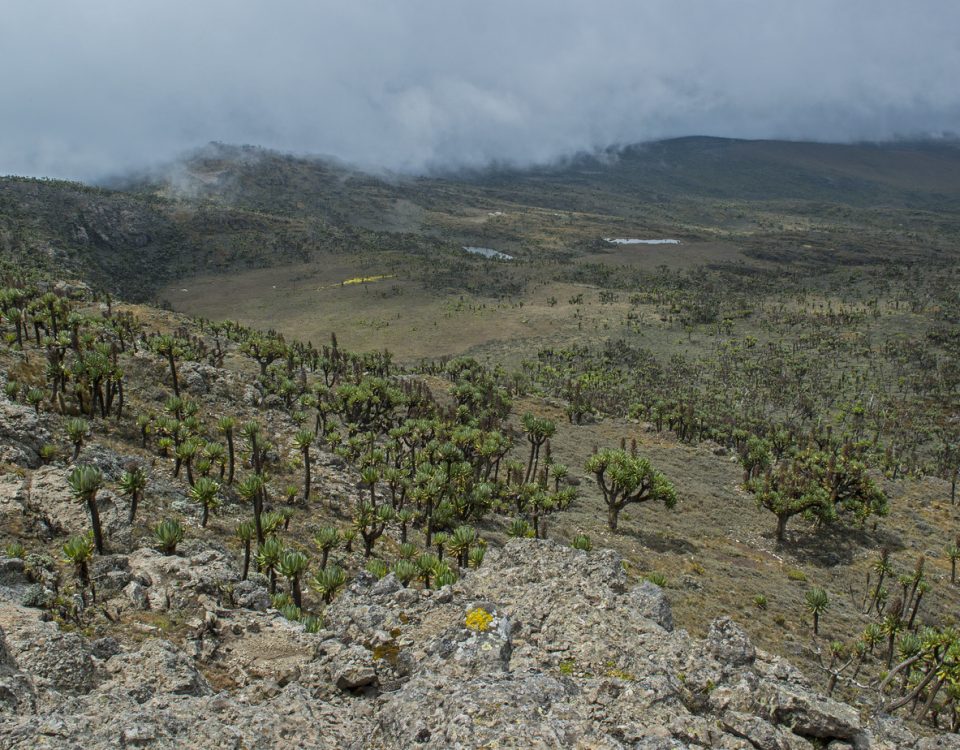
The landscapes of Karamoja also add to its appeal. Rolling plains, dramatic mountains, and untouched wilderness create a striking backdrop for cultural exploration. Combined with the warmth and hospitality of the Karamojong people, this makes the region a compelling destination for adventurous travelers.
Responsible and Ethical Cultural Tourism
As tourism grows in Karamoja, it is essential to approach cultural experiences with respect and responsibility. Ethical tourism ensures that local communities benefit directly while preserving their traditions and dignity.
Travelers are encouraged to engage through community-led initiatives, where cultural visits are organized by the Karamojong themselves. This approach promotes fair compensation, supports local development, and empowers communities to share their stories on their own terms.
Respecting cultural norms is equally important. Visitors should seek permission before taking photographs, dress modestly, and approach interactions with openness and humility. By doing so, tourism becomes a positive force that celebrates and sustains cultural heritage.
The Future of Karamojong Culture
The future of the Karamojong people lies in their ability to navigate change while maintaining their identity. As access to education, infrastructure, and economic opportunities improves, younger generations are finding new ways to engage with the world.
At the same time, there is a growing recognition of the importance of preserving cultural heritage. Efforts to document traditions, promote cultural tourism, and strengthen community institutions are helping to ensure that the rich legacy of the Karamojong endures.
For visitors, experiencing Karamojong culture is more than a journey into a remote region; it is an opportunity to witness resilience, community, and tradition in their purest form. It is a reminder that culture is not static but a living expression of
The Karamojong people of Uganda offer one of the most authentic and enriching cultural experiences in East Africa. Their deep connection to cattle, strong communal values, vibrant traditions, and remarkable resilience make them a community unlike any other.
For travelers seeking meaningful encounters beyond wildlife, Karamoja stands as a destination where culture takes center stage. By engaging respectfully and supporting community-based tourism, visitors not only gain unforgettable experiences but also contribute to the preservation of a unique and enduring way of life.