The Landscape: A Sea of Golden Grass
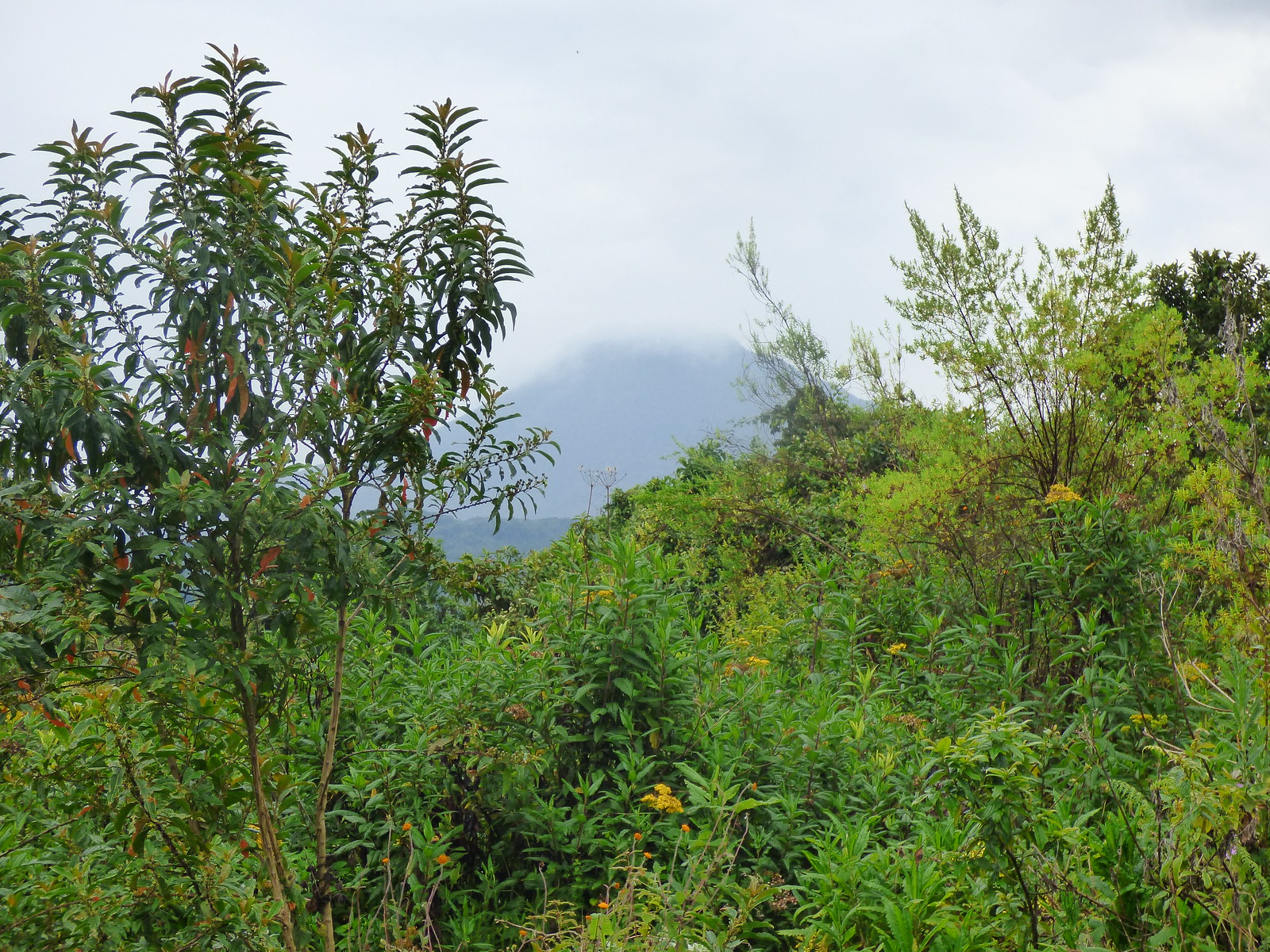
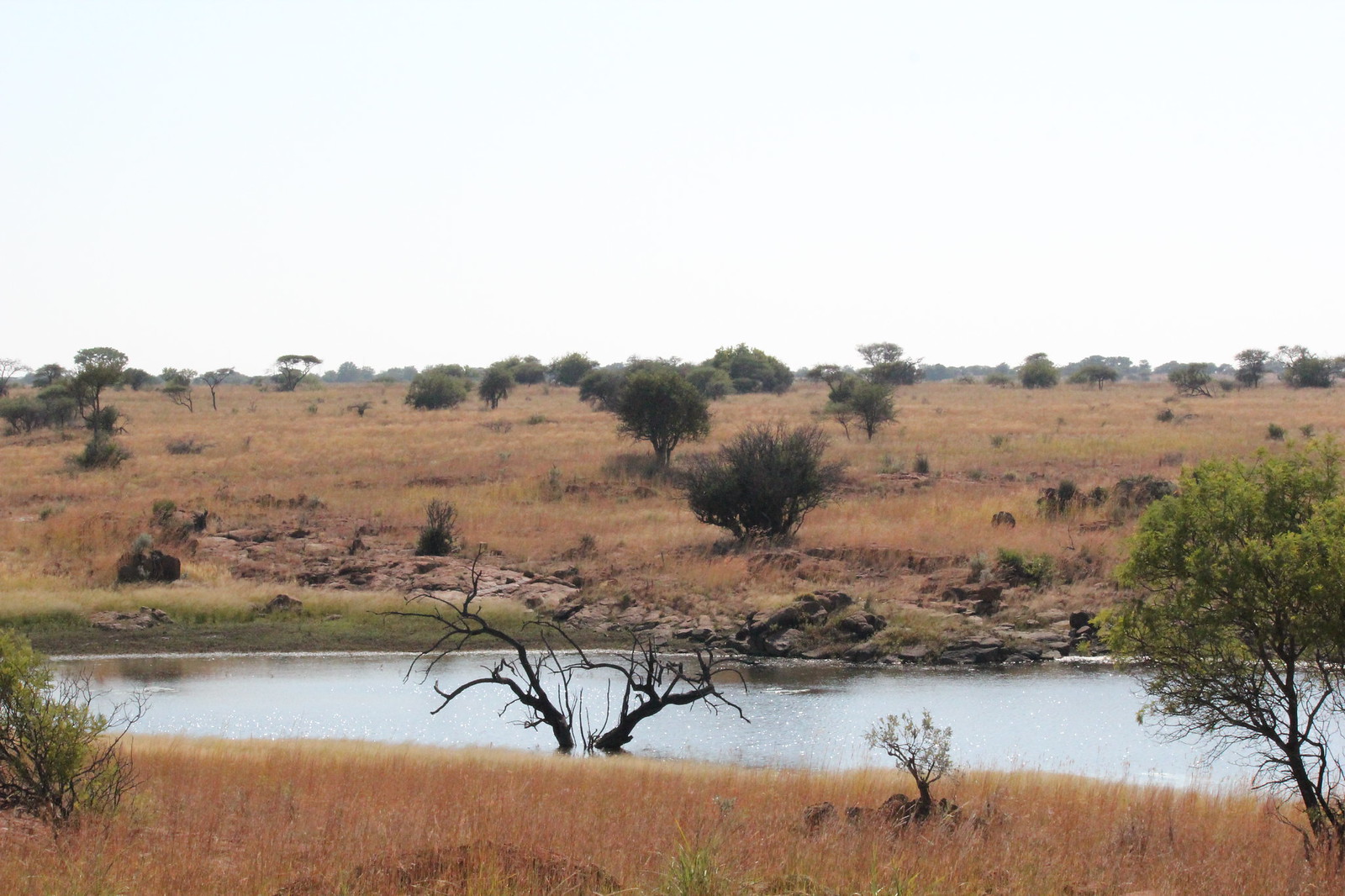
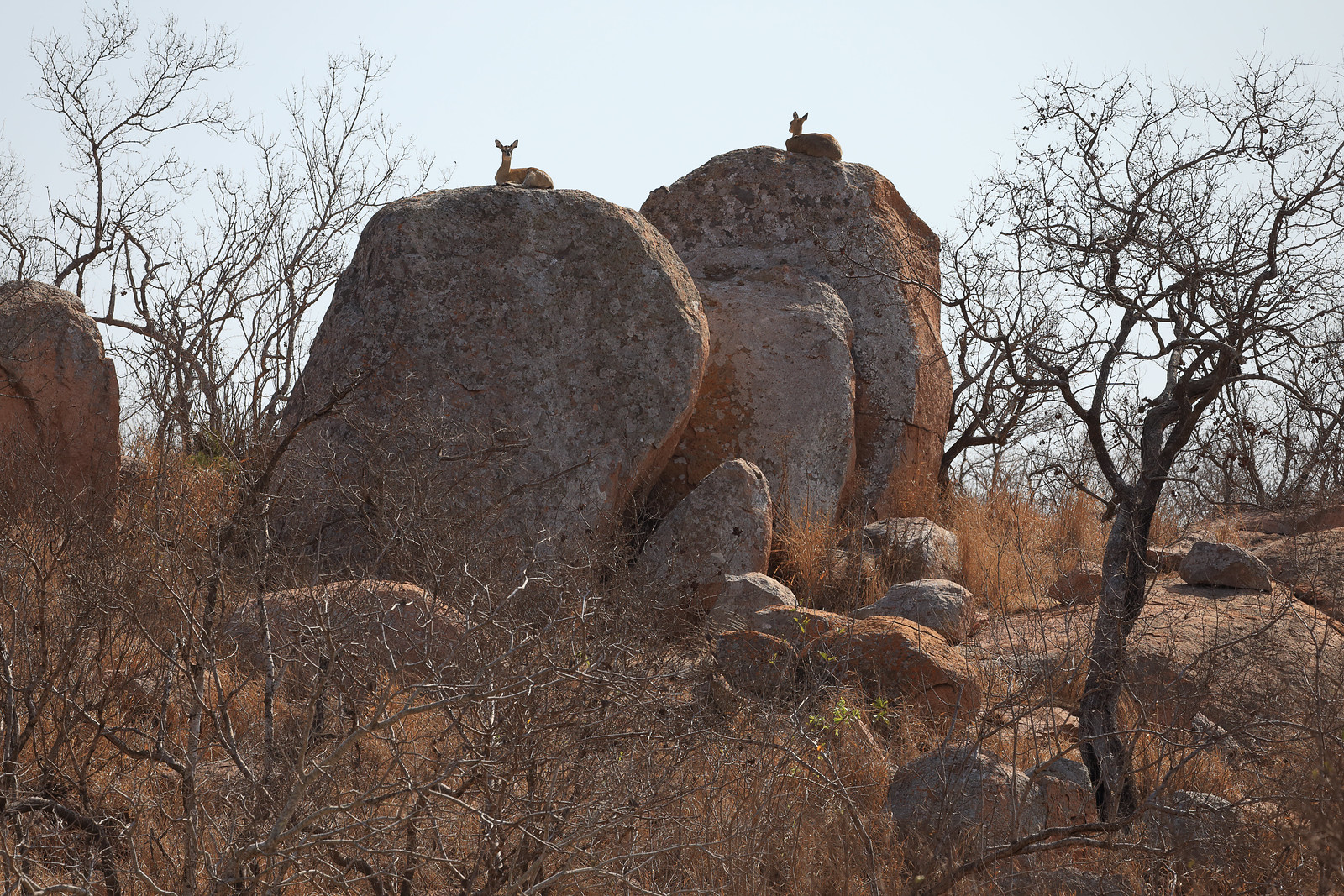
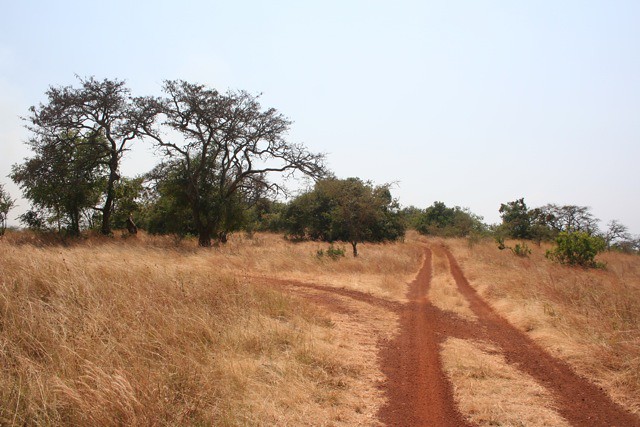
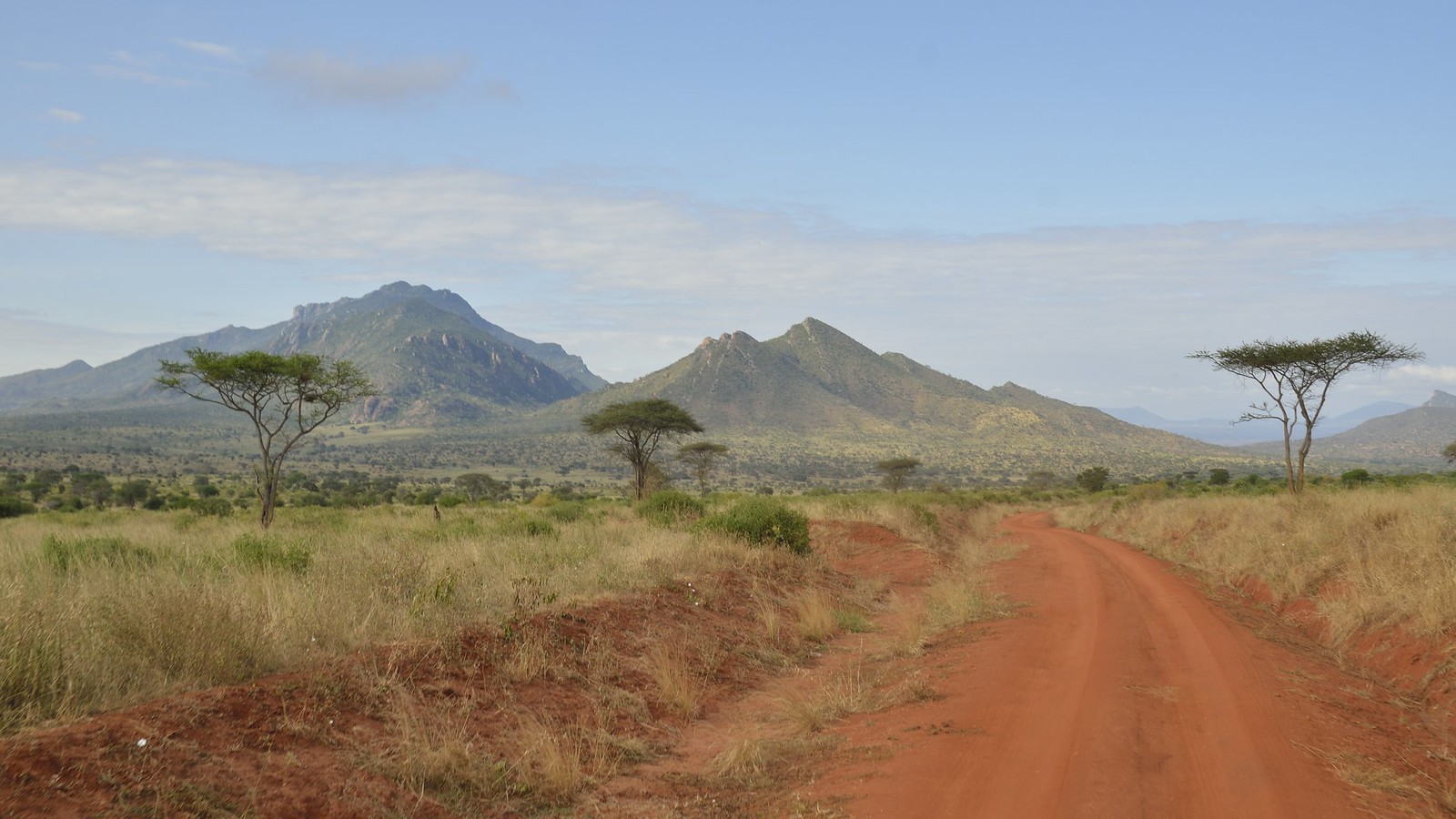
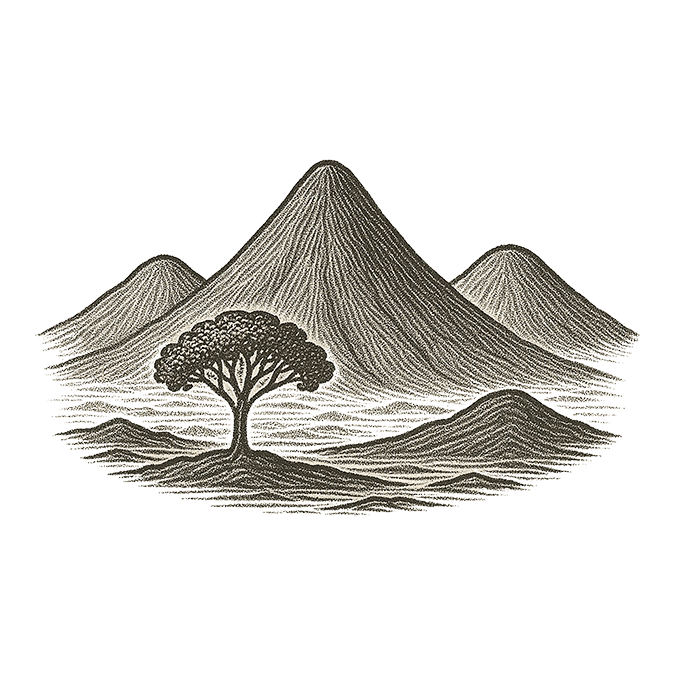
The word “Mara” means “spotted” in the Maa language, a reference to the patchwork appearance of the plains scattered with trees, bushes, and wildlife. The reserve forms the northern extension of Tanzania’s Serengeti ecosystem, creating one of the largest and most biologically rich wildlife areas in the world.Rolling grasslands stretch endlessly toward the horizon. Riverine forests line the banks of the Mara River, while rocky outcrops known as kopjes provide vantage points for predators surveying the plains. The sky feels enormous here, especially at dawn and dusk when the African light turns the landscape into a masterpiece of gold and crimson hues.This is the Africa of documentaries and dreams — open, wild, and breathtakingly beautiful.
The Great Migration: Nature’s Greatest Spectacle
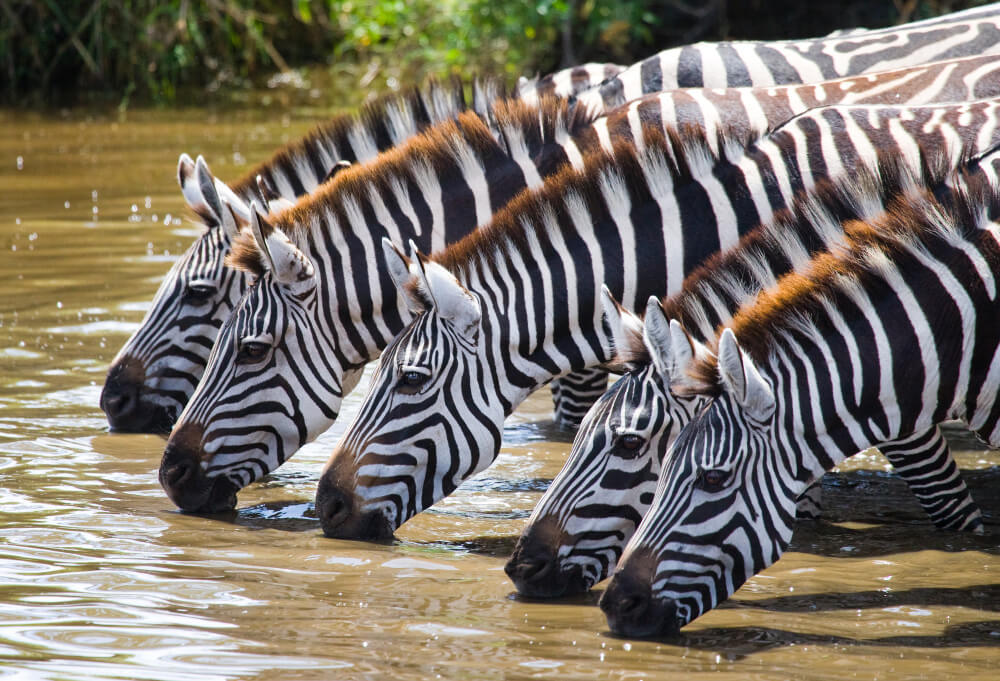
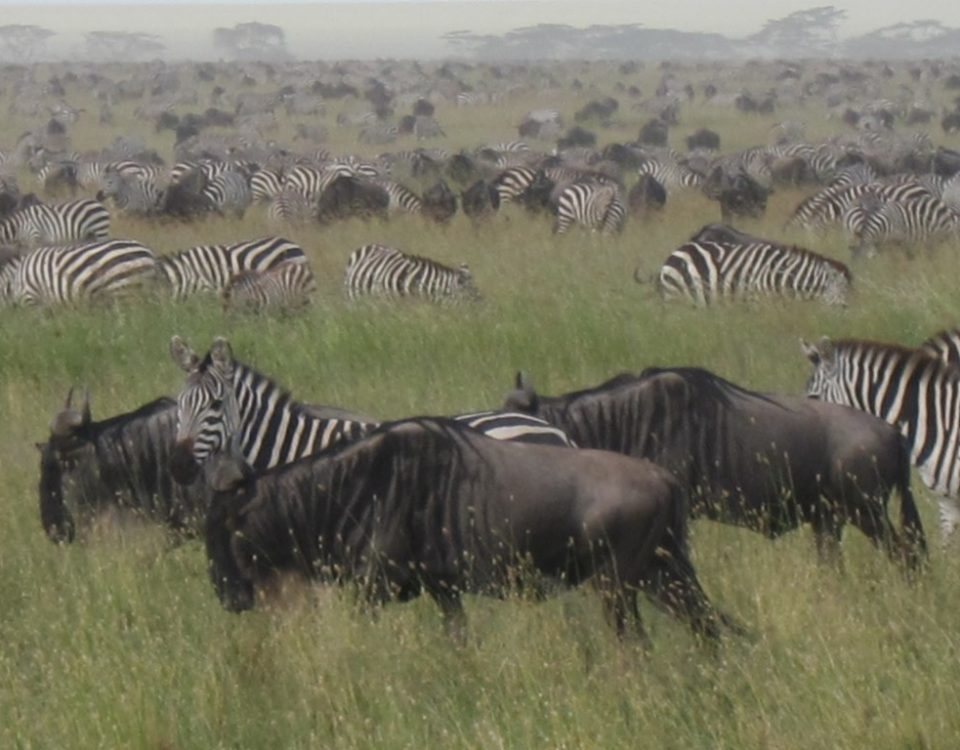
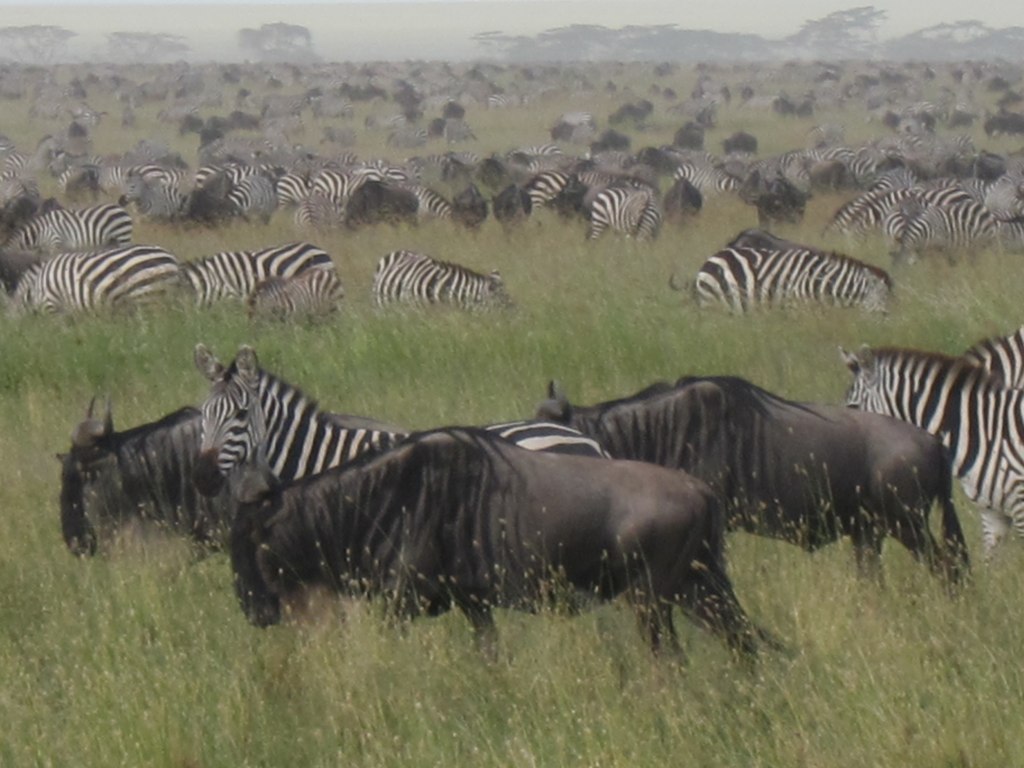
The Maasai Mara is globally renowned for hosting part of the Great Wildebeest Migration, often described as the “Greatest Wildlife Show on Earth.” Each year, over 1.5 million wildebeest, accompanied by zebras and gazelles, journey from the Serengeti into the Mara in search of fresh grazing.Between July and October, the migration reaches its dramatic peak as animals cross the crocodile-infested Mara River. The river crossings are raw and emotional spectacles. Dust clouds rise, hooves thunder against the earth, and crocodiles lurk beneath the water’s surface. Survival is uncertain, and the scene unfolds with heart-stopping intensity.Even outside migration season, the Mara remains rich with resident wildlife, ensuring remarkable sightings year-round.
Big Cats of the Mara
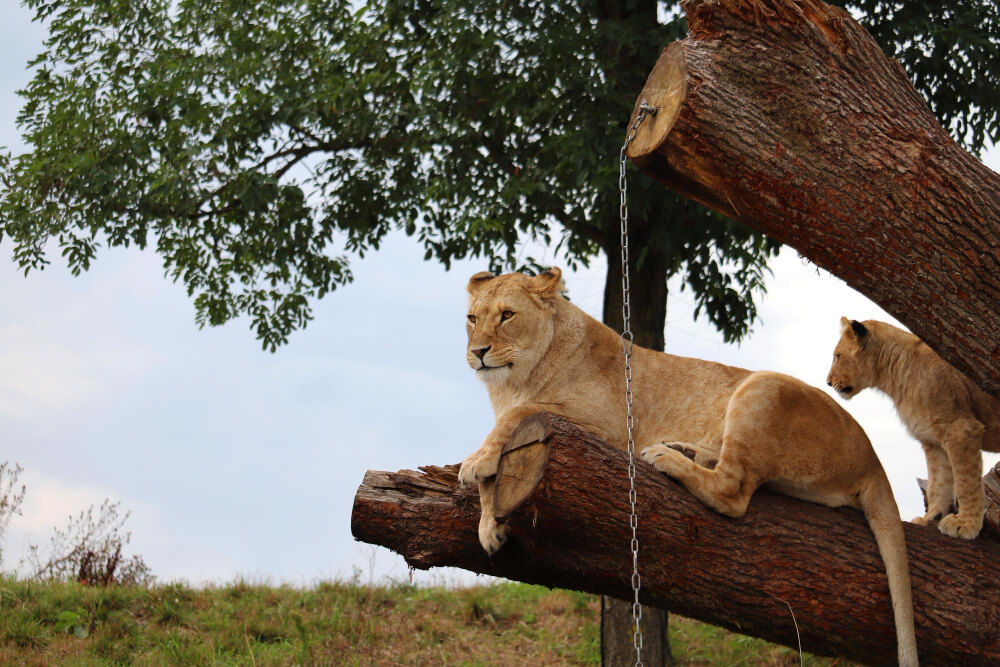
The Maasai Mara is particularly famous for its thriving population of big cats. Lions dominate the plains, often seen resting beneath acacia trees or coordinating hunts in the early morning and evening hours. Some of Africa’s most studied lion prides roam these lands, frequently featured in wildlife documentaries.Cheetahs thrive in the open grasslands where their speed becomes a decisive hunting advantage. Visitors may witness the thrilling sight of a cheetah sprinting after a gazelle across the plains. Leopards, more elusive and solitary, are commonly found draped across tree branches along riverbanks, blending seamlessly into their surroundings.
The density of predators makes the Mara one of the most rewarding safari destinations for wildlife enthusiasts and photographers.
Diverse Wildlife Beyond the Predators
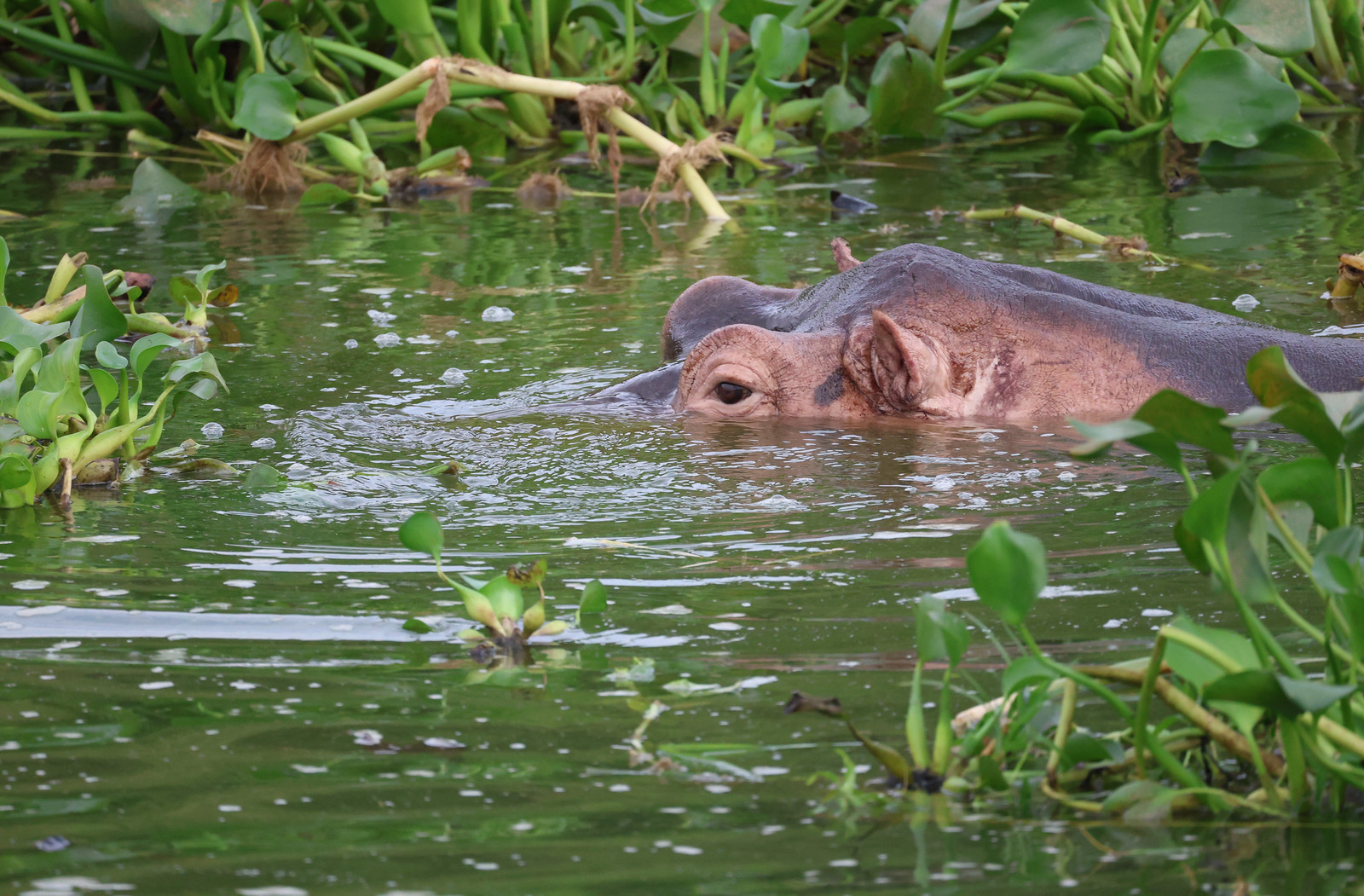
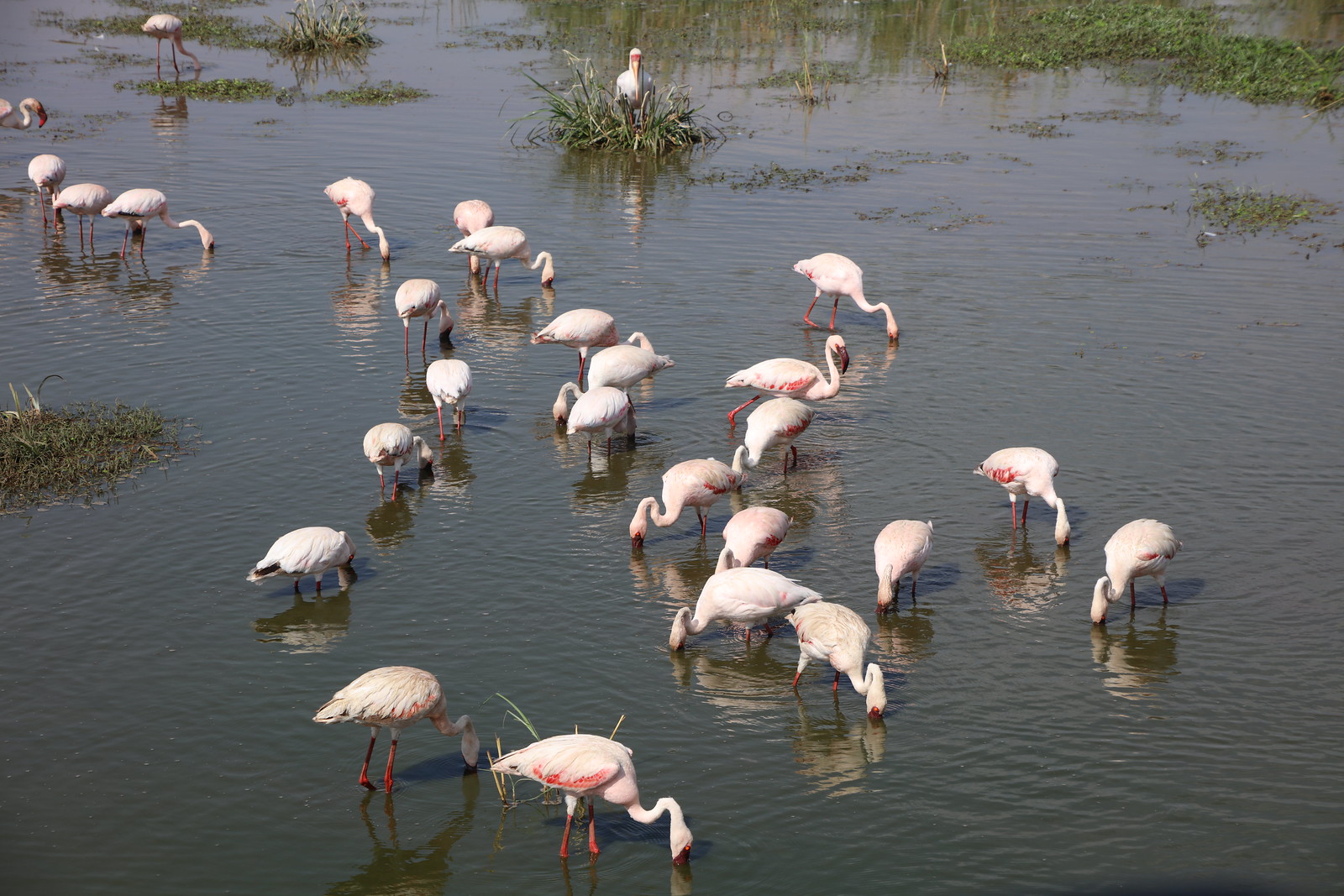
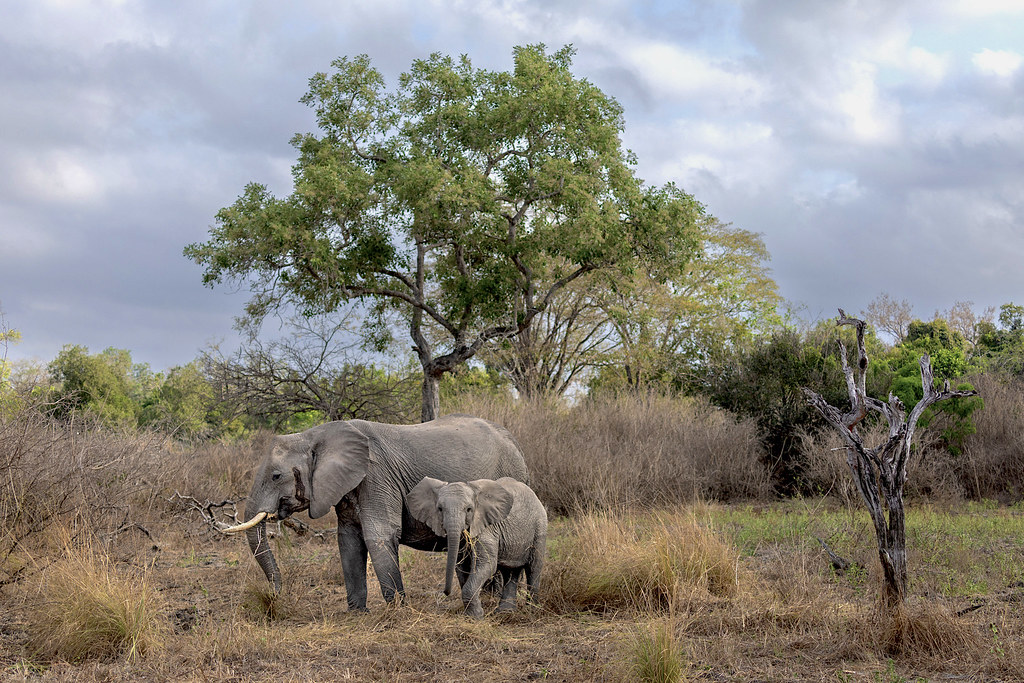
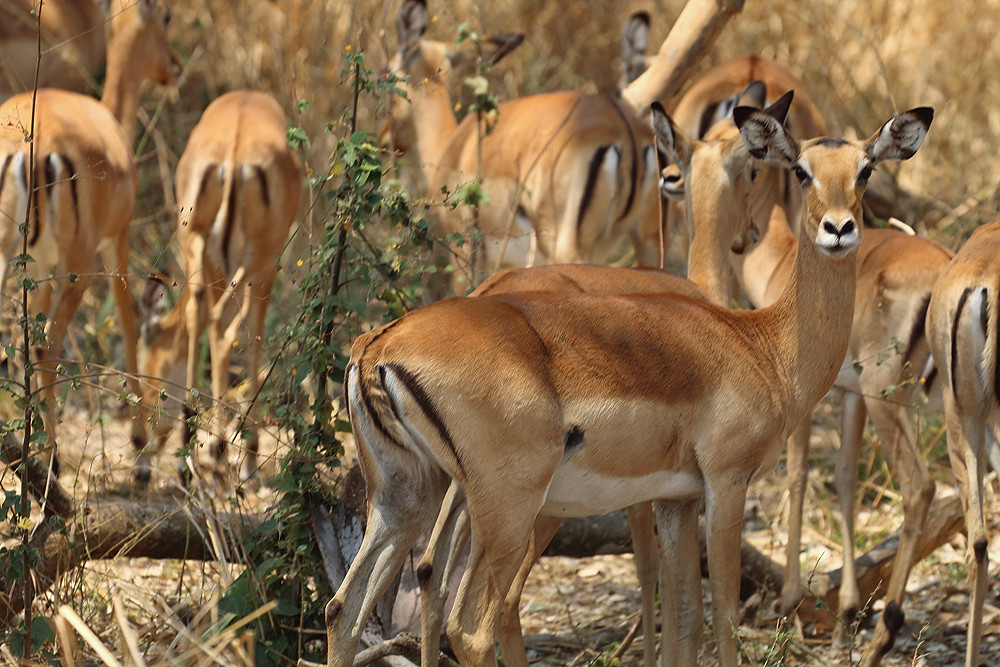
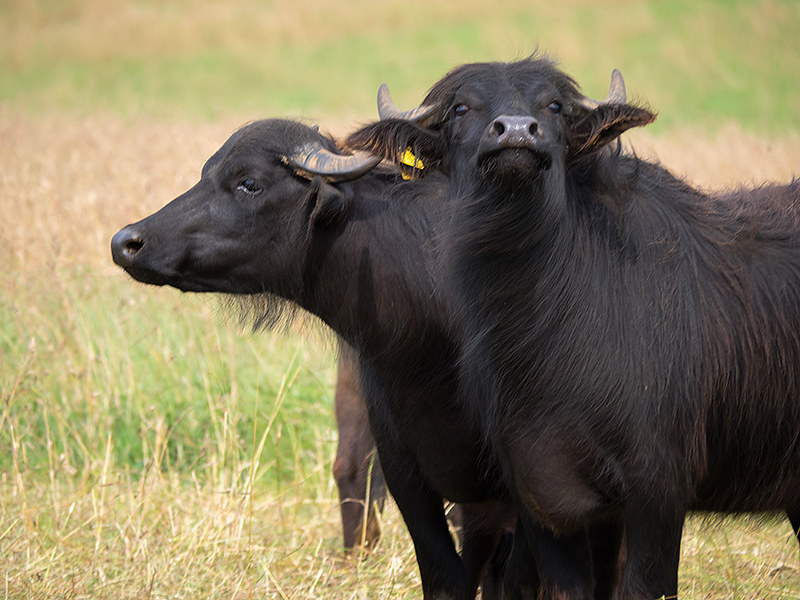
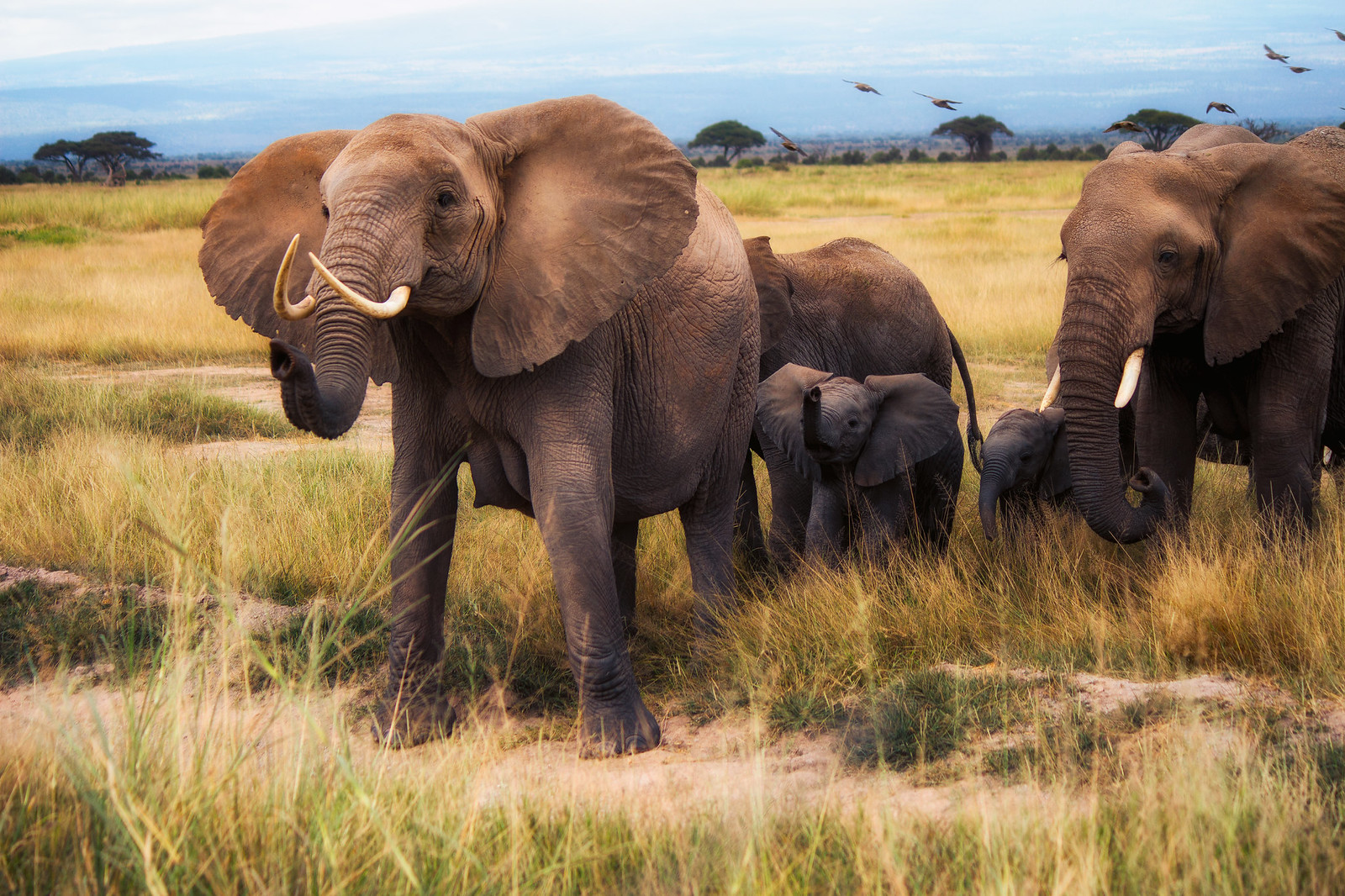
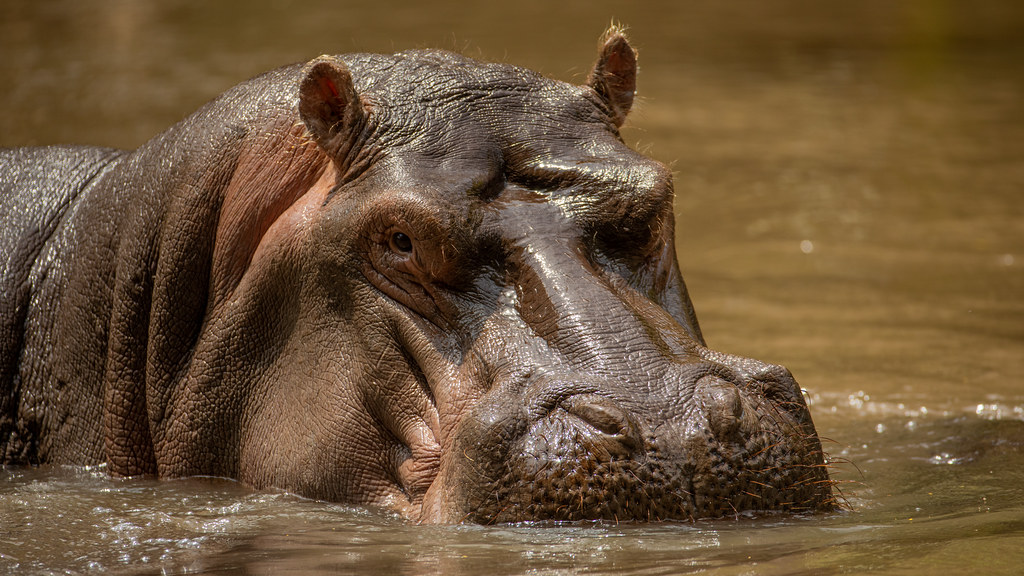
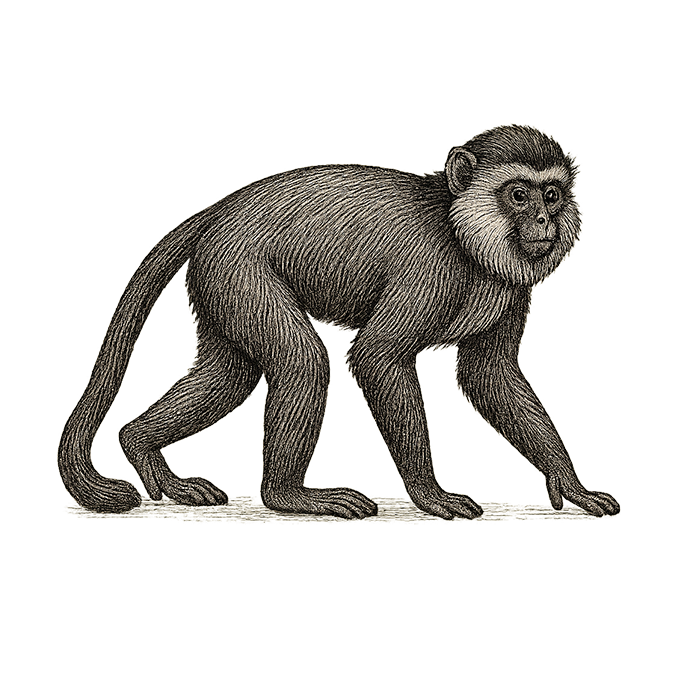
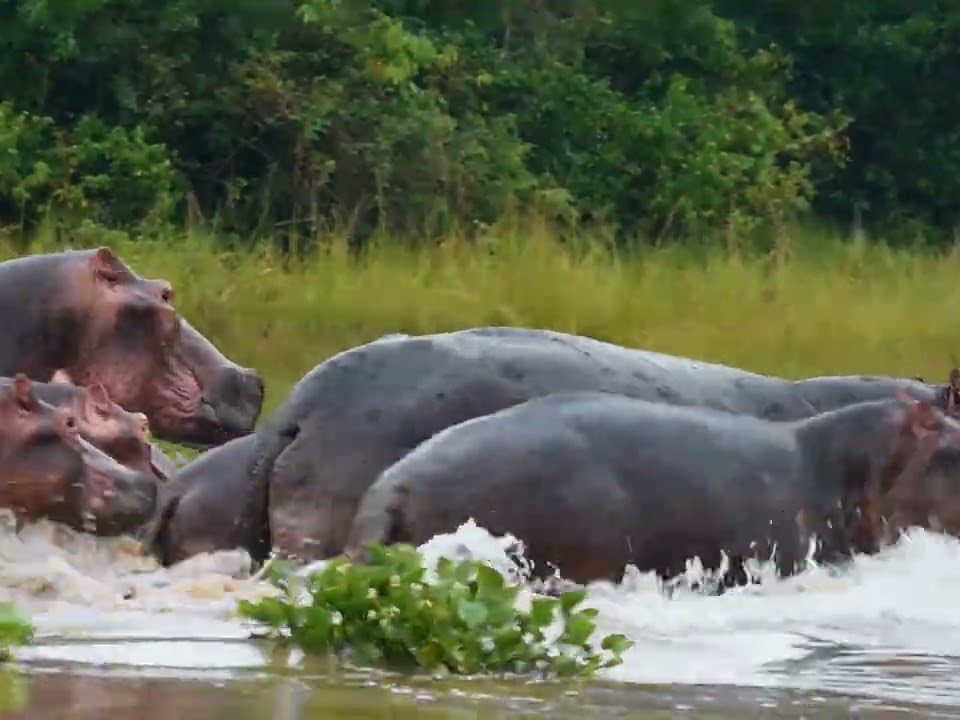
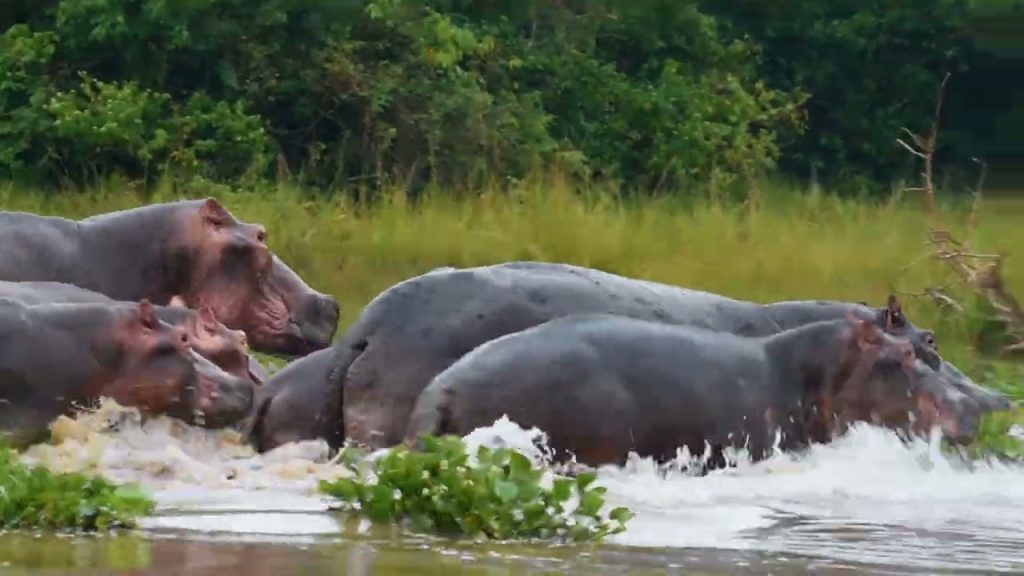
While big cats draw much attention, the Maasai Mara supports an astonishing diversity of wildlife. Elephants move in graceful herds across the savannah. Buffalo gather in large numbers, forming formidable groups. Giraffes stride elegantly between acacia trees, and antelope species such as impala, topi, and eland graze peacefully across the plains.The Mara River is home to pods of hippos and large Nile crocodiles, creating dramatic wildlife scenes throughout the year.Birdlife is equally impressive, with over 450 species recorded. From majestic martial eagles to colorful lilac-breasted rollers, the reserve offers exceptional birdwatching opportunities in every season.
The Maasai People and Cultural Heritage
The reserve takes its name from the Maasai people, a semi-nomadic pastoralist community known for their vibrant red attire, intricate beadwork, and deep spiritual connection to the land. Many Maasai communities live around the reserve and play a crucial role in conservation and tourism.Visitors often have the opportunity to visit Maasai villages, learn about traditional customs, observe dances, and understand their pastoral way of life. The Maasai have coexisted with wildlife for centuries, and their knowledge of the land is invaluable to conservation efforts.Their presence adds cultural depth to the safari experience, reminding travelers that the Mara is not just a wildlife sanctuary but also a living cultural landscape.
Safari Experiences in the Maasai Mara
Game drives are the primary way to explore the reserve. Early morning and late afternoon drives offer the best opportunities to see predators in action. Open safari vehicles allow unobstructed views and photography.Hot air balloon safaris provide a unique perspective of the plains at sunrise. Floating silently above herds of wildebeest and zebras while the sun rises over the horizon is an unforgettable experience.Walking safaris, guided by experienced rangers, offer a closer look at the smaller details of the ecosystem — from animal tracks to medicinal plants. Night drives in private conservancies surrounding the reserve provide opportunities to see nocturnal wildlife rarely observed during the day.
Best Time to Visit
The Maasai Mara is a year-round destination, but the best time to visit depends on what you hope to experience.The dry season, from June to October, is ideal for wildlife viewing. Vegetation is shorter, animals gather near water sources, and the Great Migration typically occurs between July and October.The green season, from November to May, transforms the landscape into a lush paradise. While some roads may become muddy, this period offers fewer crowds, dramatic skies, and excellent birdwatching.
Conservation and Sustainability
Conservation efforts in the Maasai Mara involve collaboration between government authorities, private conservancies, and local Maasai communities. Sustainable tourism helps fund anti-poaching initiatives, habitat protection, and community development programs.Private conservancies surrounding the reserve limit vehicle numbers and enhance exclusive wildlife experiences while supporting local landowners through lease agreements. This model promotes both wildlife conservation and community livelihoods.
Why the Maasai Mara Remains Iconic
What sets the Maasai Mara apart is not just its wildlife abundance, but the feeling it evokes. The sense of space, the dramatic predator-prey interactions, and the timeless rhythm of migration create a safari experience that is both primal and profound.Standing on the plains as the sun dips below the horizon, hearing distant lion roars, and watching herds move across the landscape connects visitors to something ancient and powerful. It is a reminder of nature’s grandeur and the delicate balance of life on Earth.The Maasai Mara National Reserve is more than a safari destination; it is a symbol of Africa’s wild spirit. From the thunder of migrating wildebeest to the quiet grace of a leopard in a tree, every moment in the Mara tells a story of survival, beauty, and coexistence.For travelers seeking a classic yet deeply meaningful safari experience, the Maasai Mara stands unmatched. It offers not only unforgettable wildlife encounters but also a deeper understanding of conservation, culture, and the enduring magic of the African wilderness.